
Kyoto is not a museum. It is a living city where over a million people reside among temples, wooden streets, and gardens that have been tended for centuries. Every year, millions of visitors arrive drawn by its heritage, but that same popularity creates tensions in historic neighborhoods like Gion and Higashiyama. The question is no longer how to attract more tourism, but how to protect the daily life of those who make Kyoto remain Kyoto.
This report explores the relationship between visitors and residents in the city’s historic districts, the efforts to regulate tourist flows, and the keys to traveling respectfully in one of Asia’s most sought-after destinations.
A city that breathes history on every corner
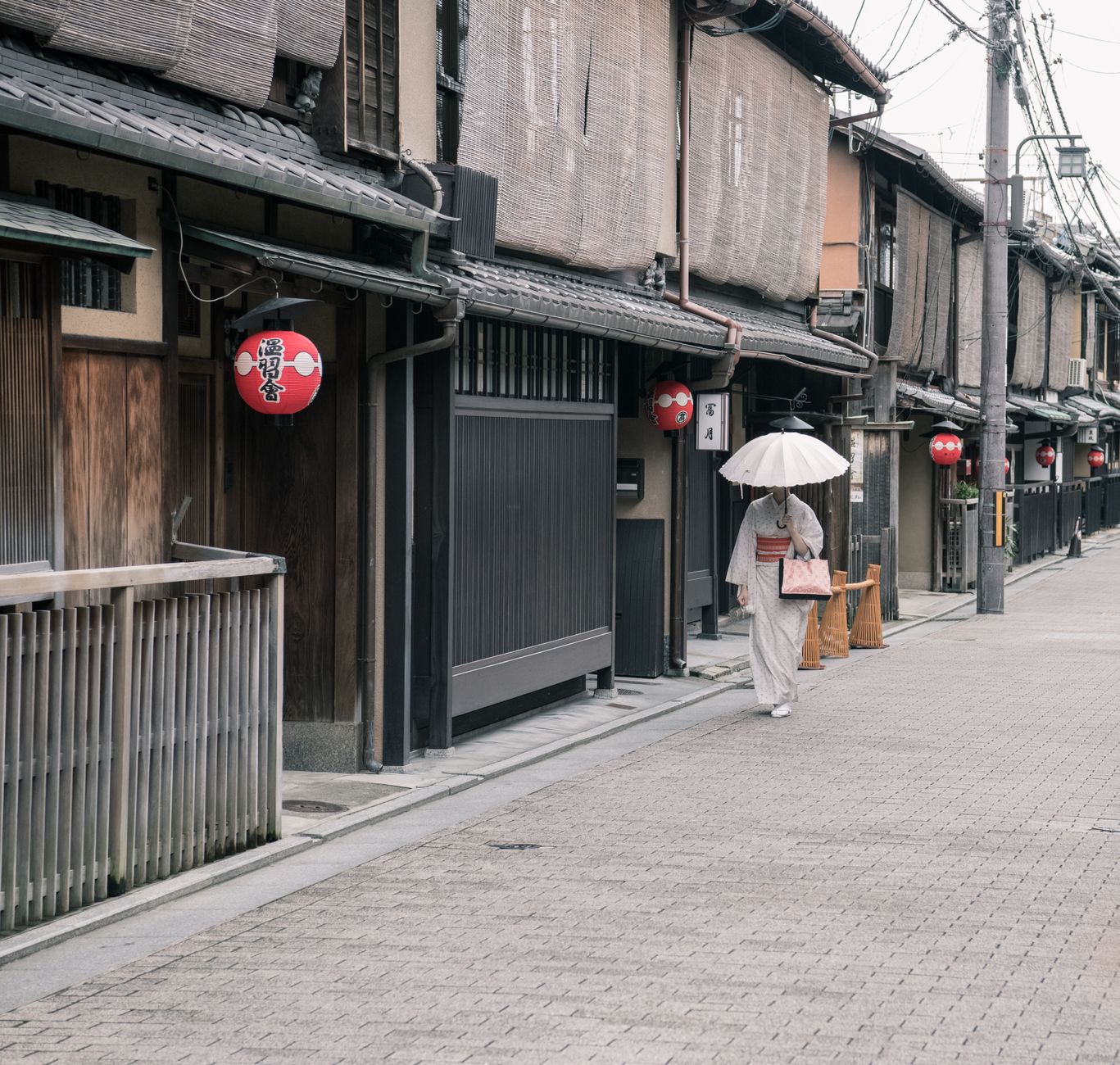
Founded as the imperial capital in 794, Kyoto was Japan’s political and cultural center for over a thousand years. That long history translates into exceptional heritage: seventeen UNESCO World Heritage sites, more than sixteen hundred Buddhist temples, four hundred Shinto shrines, and a network of traditional streets where machiya—two-story wooden houses combining residence and shop—are still preserved.
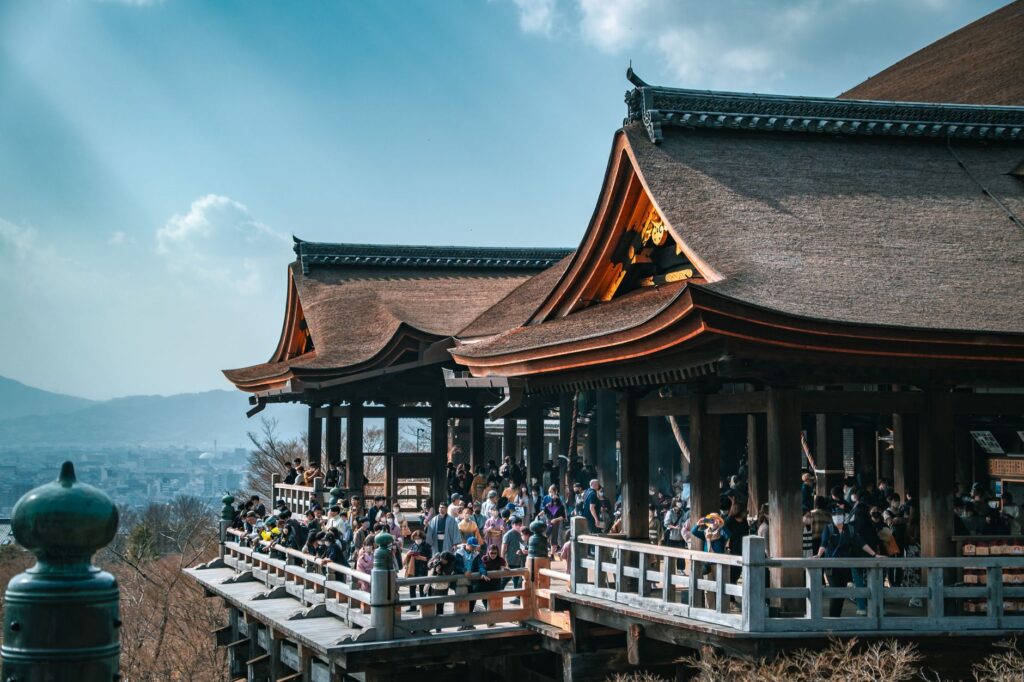
Walking through Kyoto means traversing layers of overlapping time. In the Gion district, the ochaya (teahouses) maintain a tradition of refined entertainment dating back to the 18th century. In Nishiki Market, a five-block corridor, family-run shops have been selling pickles, tofu, and traditional sweets for generations. In Higashiyama, the cobbled alleys climbing toward Kiyomizu-dera offer one of Japan’s most recognizable scenes.
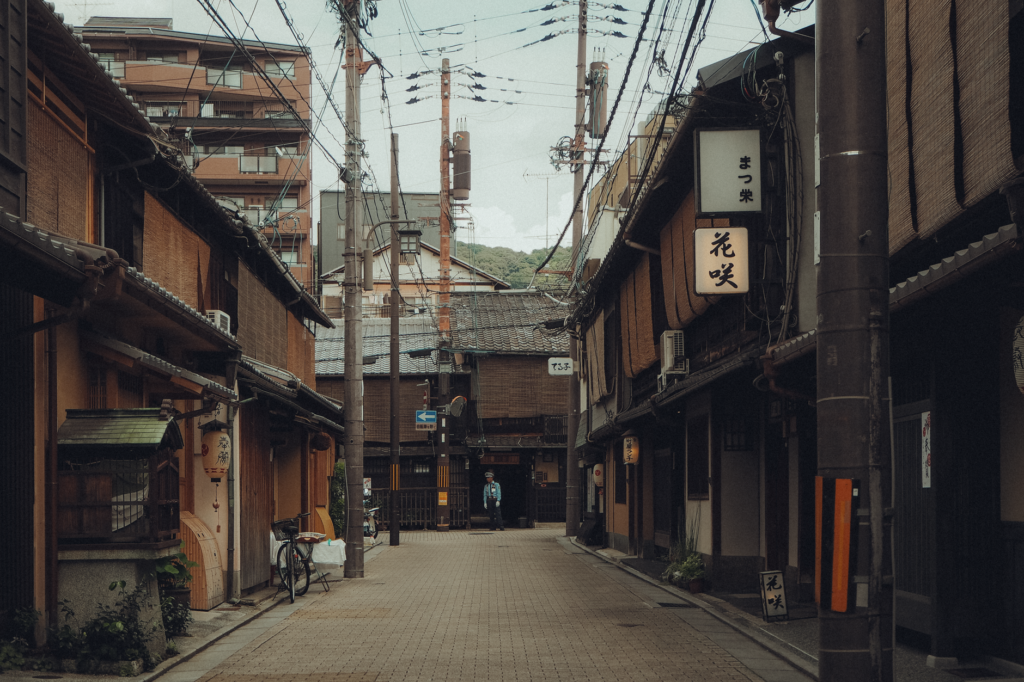
«Kyoto cannot be understood without its residents: they are the ones who tend the gardens, open the shops, and keep alive the traditions that travelers admire.»
The Gion district: between myth and real life
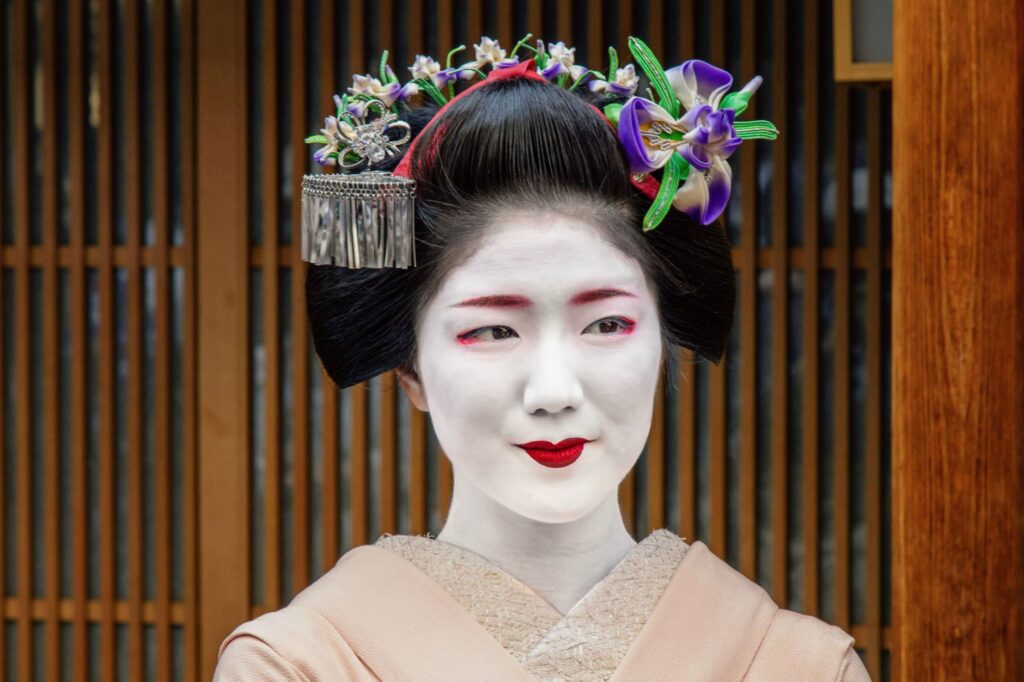
Gion is probably the most repeated name when talking about Kyoto. This district of geisha and teahouses attracts crowds seeking to capture the image of a geiko or maiko on her way to an appointment. However, what many visitors ignore is that these women are not tourist attractions: they are professionals who work and who often arrive late to their commitments if someone stops them for a photo.
The city has responded with concrete measures. In 2019, the Gion district banned photographing geisha on private streets without permission, after years of complaints from residents. The measure does not seek to drive tourism away, but to remind people that behind every image there is a person with a right to privacy. For those who wish for a respectful encounter with this culture, alternatives exist such as Gion Corner, where traditional arts performances and organized photo sessions are offered.
The challenge is significant: Gion receives thousands of visitors daily in high season. Local authorities have installed real-time cameras to monitor congestion and recommend visiting the district early in the morning or at dusk, when the light is softer and the streets are quieter.
Nishiki Market: the balance between shopping and coexistence
Known as «Kyoto’s kitchen,» Nishiki Market is a narrow five-block corridor where more than a hundred shops are concentrated. Most are family businesses that have been selling local products for generations: pickles, yuba (tofu skin), seasonal sweets, and artisanal knives.
The market’s tourist success has brought with it a coexistence problem: many visitors buy food to consume while walking, something merchants and residents consider disrespectful. The local rule is clear: food should be eaten at the establishment where it is purchased and waste disposed of there. Since there are no public trash cans in many areas, bringing a bag for trash is recommended.

Additionally, smoking on the street outside designated areas is prohibited, with fines for those who break the rule. These rules are not arbitrary: they seek to maintain the cleanliness and order that characterize the city and prevent mass tourism from deteriorating the experience for everyone.
Higashiyama: the neighborhood of temples and alleys
Higashiyama, east of the city, concentrates some of Kyoto’s most emblematic temples, such as Kiyomizu-dera and Ginkaku-ji. Its alleys, like Sannenzaka and Ninenzaka, preserve the appearance of the Edo era and are among Japan’s most photographed places.
The problem is that the narrowness of these streets makes them especially vulnerable to overcrowding. In high season, circulation becomes difficult and residents complain about noise and lack of respect for private property. Some private homes have had to put up signs reminding people that they are residences, not attractions.
The official recommendation is to visit temples early in the morning, when they open, or at the end of the day, when they are illuminated. Exploring lesser-known areas such as Ohara, Kurama, or northern Kyoto is also suggested, offering equally beautiful landscapes with far fewer people.
The machiya: the traditional house that remains alive
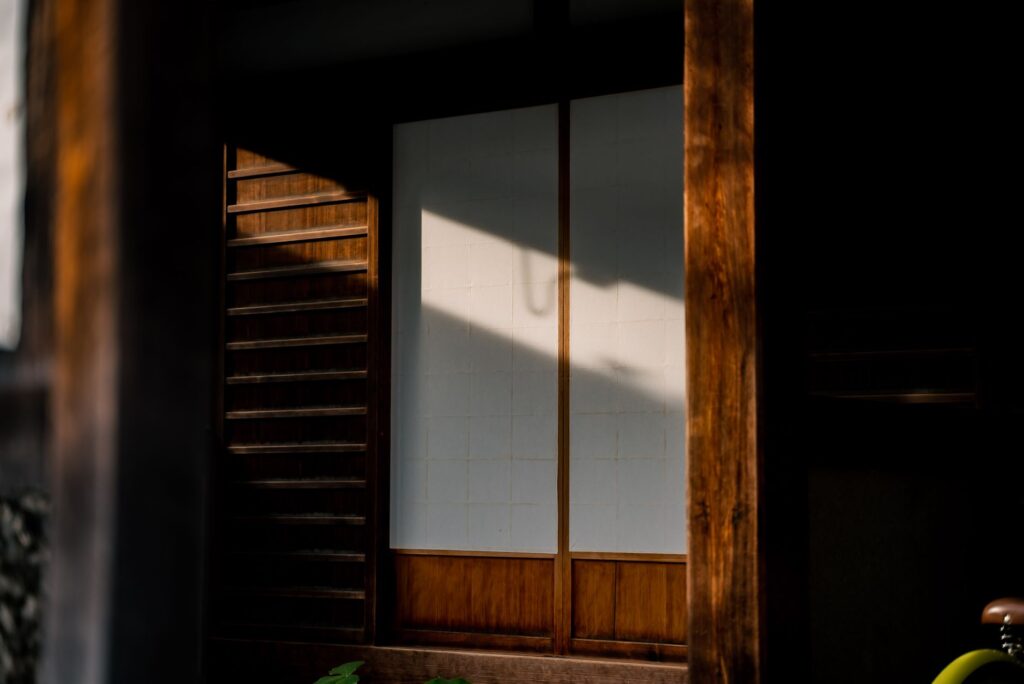
One of the most characteristic elements of Kyoto’s urban landscape is the machiya, the traditional wooden house combining residence and shop. These buildings, with their narrow facades and interior courtyards, are a testament to Japanese urban architecture and a symbol of community life.
Many machiya have been restored and converted into shops, restaurants, or accommodations, which has helped revitalize entire neighborhoods. However, their conservation poses challenges: maintenance costs are high and heritage protection rules limit renovations.
For travelers, staying in a restored machiya is a way to connect with the city’s history and economically support its preservation. That said, it is worth remembering that these are homes in residential neighborhoods: silence and respect for neighbors are essential.
Beyond the center: the Kyoto that doesn’t appear in guidebooks
The concentration of visitors in the historic center has led authorities to promote what is known as «Another Kyoto»: alternative routes that allow discovering other faces of the prefecture. In the north, the Keihoku and Miyama areas preserve traditional rural landscapes. In the south, Fushimi is one of Japan’s three major sake production centers, and Uji is famous for its green tea. To the west, bamboo forests and temples in the Nishiyama area offer a quieter experience.
These alternatives not only decongest the center but also distribute tourism benefits throughout the territory. For travelers, they represent the opportunity to discover a more authentic and less crowded Kyoto.
Practical guide
When to travel: spring (late March to April) and autumn (November) are the busiest seasons. For tranquility, winter months or early summer are better options, though the heat can be intense.
Getting around: Kyoto’s train and bus network is efficient and reaches most points of interest. Using a rechargeable transit card is recommended, and avoiding cars in the center is wise. Luggage storage services at stations allow travelers to leave bags and move freely.
Etiquette and coexistence: do not stop geisha or maiko for photos; do not eat while walking through Nishiki Market; do not smoke on the street outside designated areas; do not enter private property or photograph without permission. In Gion and Higashiyama, respect for residents is especially important.
Accommodation: restored machiya and ryokan (traditional inns) offer a unique experience, but respecting each establishment’s rules and neighbors’ rest is essential.
Language: although tourist areas have English signage, outside them Japanese is the main language. Carrying a translation app and learning some basic phrases facilitates communication.
A journey with purpose
Kyoto is a destination that demands more than a list of places to visit. It requires an attitude of respect and curiosity, the willingness to wake up early to avoid crowds, and the desire to explore beyond the beaten path. The city’s residents are not an obstacle for travelers but an essential part of the experience: they are the ones who keep alive the crafts, festivals, and traditions that make Kyoto irreplaceable.
Traveling to Kyoto consciously means understanding that heritage is not just a collection of buildings but a way of life that needs care and consideration. In the end, the best souvenir a visitor can take home is not a photo but the feeling of having been a respectful guest in a city that continues to write its history every day.