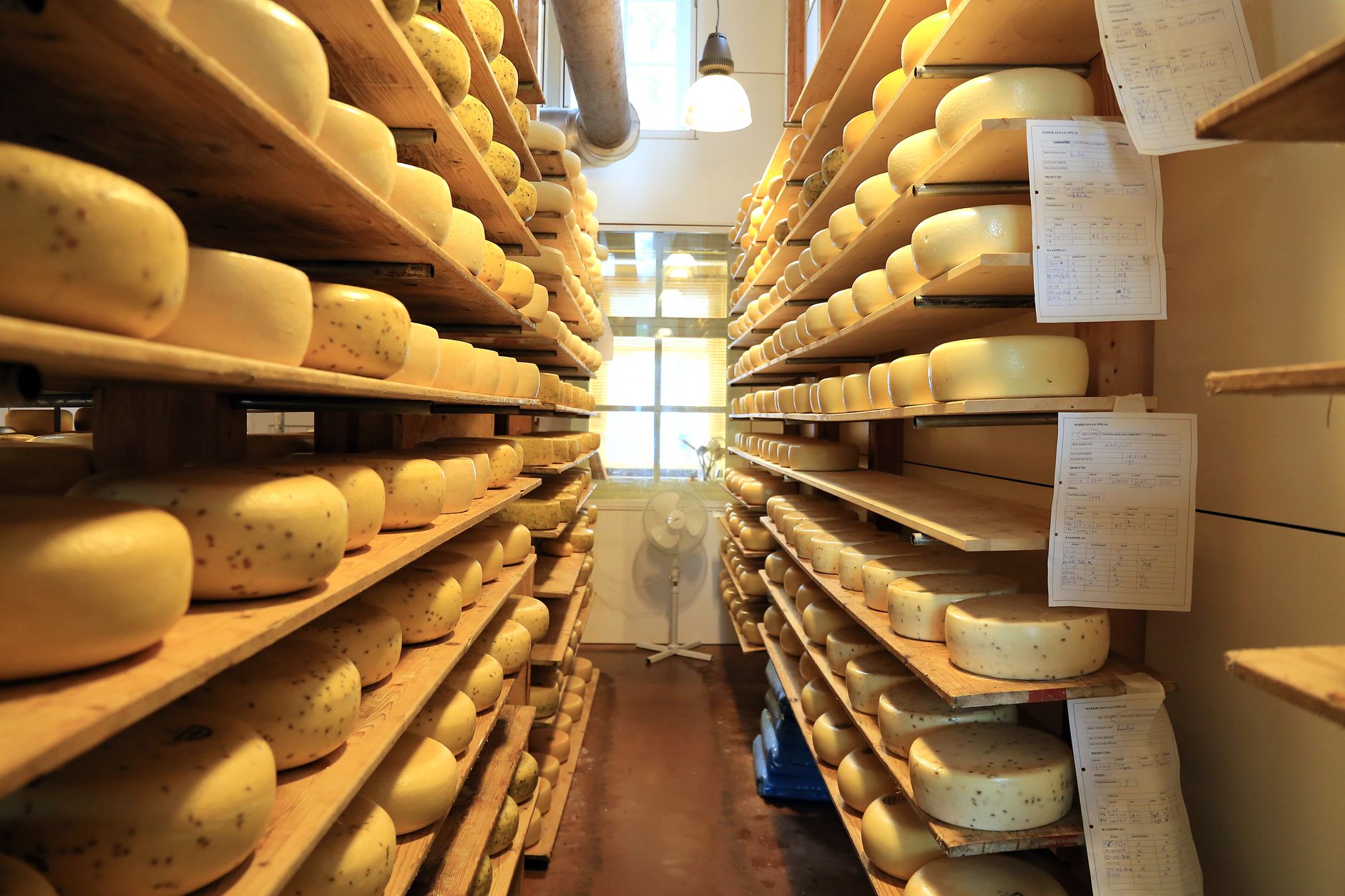

In southern Idaho, a few miles from the Oregon border, there is a creamery that sells sheep cheese without a label. The buyer does not know what they are buying until they taste it. There is no ingredient list, no expiration date, no brand name. Just a piece of cheese wrapped in wax paper and a price written by hand on a chalkboard. The practice, which is spreading among small producers in the region, challenges the labeling rules of the Food and Drug Administration (FDA) and, at the same time, champions a model of radical trust between producer and consumer.
The artisan sheep creamery in Idaho is not new. The region has a dairy tradition dating back to the Basque settlers who arrived in the 19th century to herd sheep. Today, that heritage is reflected in a dozen creameries that produce European-style sheep milk cheeses, from fresh tomas to six-month aged wheels. What stands out is the decision by some of them to forgo conventional labeling.
To understand the significance of this practice, it helps to look at how cheese is normally sold in the United States. A standard retail label must list ingredients in descending order by weight, declare allergens such as milk, provide net weight, and include a best-by date. For imported or domestic cheeses, the label also indicates whether the milk was raw or pasteurized. In the case of raw milk cheeses, federal rules require a minimum aging period of 60 days before sale.
Small creameries in Idaho argue that these requirements, designed for industrial production and long distribution chains, make little sense when the cheese travels only a few feet from the aging room to the counter. The distance between producer and consumer is measured in steps, not in truck miles, and the information that a label would convey can be delivered in conversation.
A practice that defies federal regulations
The FDA requires that cheeses sold in the United States carry a label with nutritional information, ingredients, net weight, and expiration date. However, several Idaho creameries have chosen to sell their products without a label, relying on a loose interpretation of the rules for products sold directly to consumers at farmers markets or at the creamery itself. The practice is not without risk: the FDA can fine offenders, and some states have tightened their controls.
Producers argue that a label is unnecessary when cheese is sold in a context of trust. «If I sell a cheese to someone who has come to my creamery, that person knows what they are buying. They don’t need a label to know it’s sheep cheese,» explains one of the cheesemakers, who prefers not to be identified. «The label is for the supermarket, not for the direct relationship.»
«The label is for the supermarket, not for the direct relationship between producer and consumer»
Legal experts note that the regulatory landscape is more nuanced than it appears. The FDA oversees labeling for most foods, but enforcement at the point of direct sale, especially at farmers markets, often falls to state departments of agriculture. In Idaho, those inspections tend to focus on hygiene and refrigeration rather than on the presence of a printed label. This gray area is where the unlabeled creameries operate.
Cheese as an act of faith
Selling without a label turns the purchase into an act of faith. The customer does not know if the cheese is made from raw or pasteurized milk, if it has been aged 30 days or six months, if it contains salt or herbs. They can only rely on smell, touch, and the producer’s recommendation. In a world where food information is increasingly regulated, this practice represents a return to oral communication and personal trust.
Supporters of the measure argue that current labeling is often confusing and misleading. «Labels are full of terms nobody understands. ‘Pasteurized milk,’ ‘starter cultures,’ ‘microbial rennet.’ Does that help the consumer? No. What helps is tasting the cheese,» says a regular buyer at the creamery.
There is a sensory dimension to this model that labels cannot replicate. The rind of an aged sheep cheese tells a story: its color, its texture, its aroma. A chalkboard price can change from one week to the next depending on the batch. The buyer learns to read the cheese itself, not the packaging, and that knowledge is passed on by word of mouth, from one customer to another.
The Basque heritage in southern Idaho
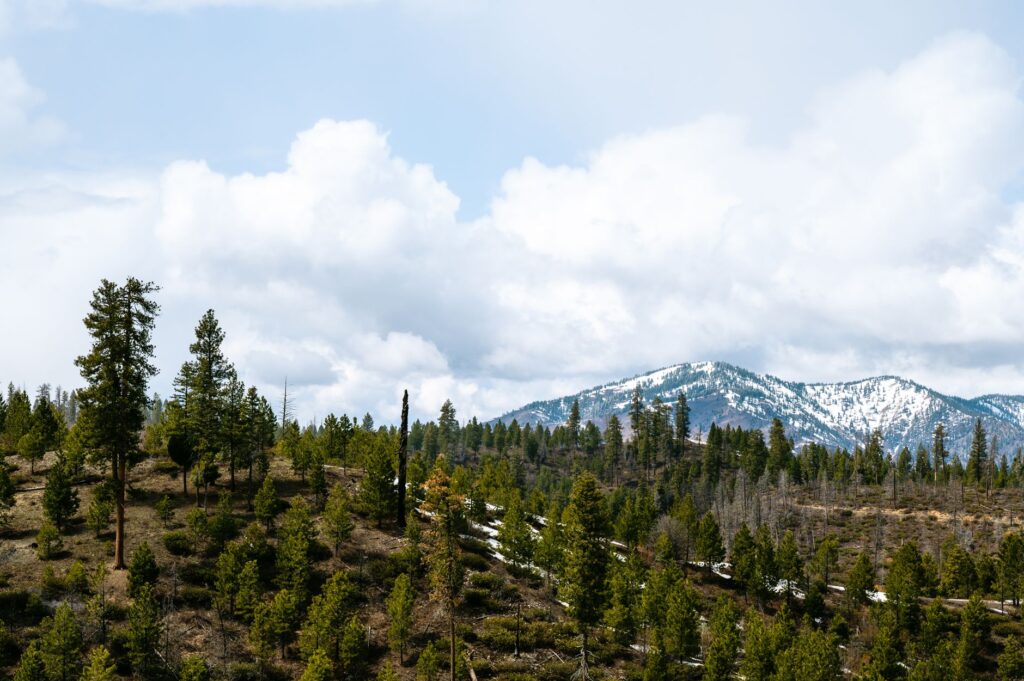
Idaho’s cheese tradition has Basque roots. The Basque shepherds who arrived in the region in the 19th century brought with them their sheep cheese-making techniques, such as idiazábal. Today, those techniques have been adapted to the local environment, with flocks grazing in the Sawtooth Mountains and the Snake River valleys. The result is cheeses with intense flavor, with notes of grass, nuts, and butter.
The unlabeled creamery is not an isolated phenomenon. In recent years, several Idaho producers have begun selling their cheeses without a label at farmers markets, food fairs, and local restaurants. The practice has become a hallmark of the region, a symbol of resistance against the homogenization of the food market.
Historians point out that Basque sheepherders were among the first to establish transhumance routes in the American West, moving flocks between winter valleys and summer mountain pastures. That seasonal rhythm shaped both the landscape and the cheese. A wheel made in June, when the grass is green and abundant, tastes different from one made in September, when the pastures dry out. Without a label, that seasonal variation becomes part of the conversation rather than a footnote on a package.
The food safety debate
Selling cheese without a label raises questions about food safety. Without an expiration date, the consumer does not know how long they can consume the product. Without an ingredient list, they cannot know if it contains allergens. Supporters of the practice argue that artisan cheese, made with raw milk and aged for months, has a long shelf life and that the risks are minimal. Critics, however, point out that the lack of information can be dangerous for people with allergies or intolerances.

The FDA has not taken strong action against these creameries, but it has warned that the practice can be sanctioned. Some states, such as California, have banned the sale of unlabeled cheese. In Idaho, regulations are looser, and creameries continue to sell their products without a label.
Public health officials generally recommend that pregnant women, young children, older adults, and people with weakened immune systems avoid raw milk cheeses, regardless of how they are sold. That recommendation applies whether or not a label is present. The difference is that, with a label, the information is printed; without one, it depends on the producer’s willingness to disclose and the buyer’s willingness to ask.
A business model based on trust
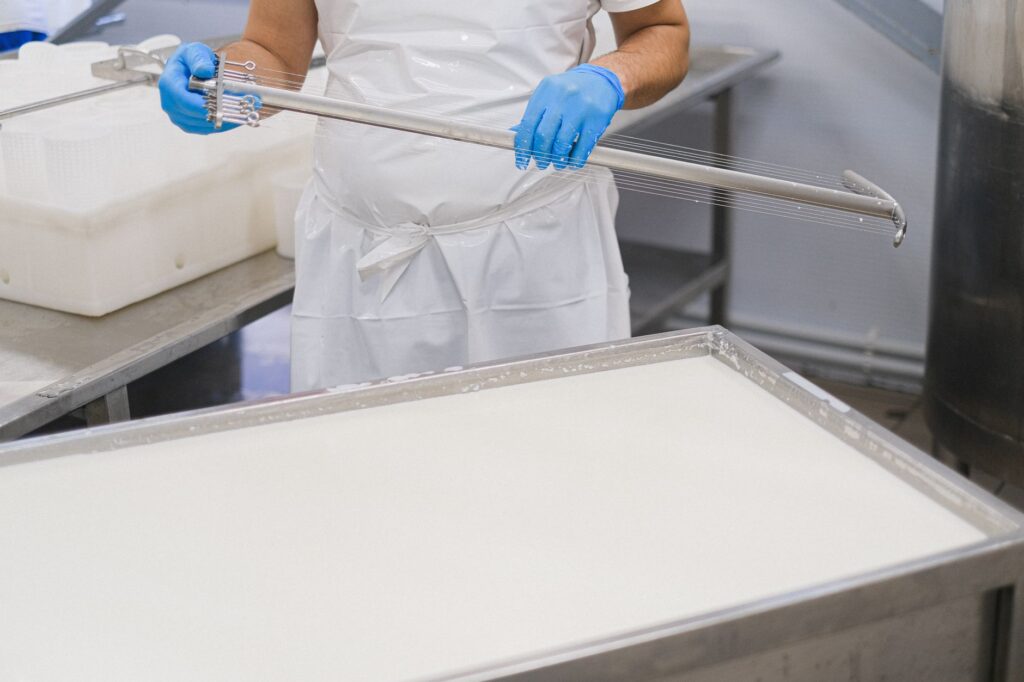
For producers, selling without a label is also a commercial strategy. By eliminating the label, they reduce costs and differentiate themselves from large producers. «We cannot compete with industrial cheeses on price. But we can compete on authenticity,» explains a cheesemaker. «People come to us because they know that what they buy is real, without additives or preservatives.»
The direct relationship with the consumer also allows them to adjust production to demand. Cheesemakers produce small batches, often to order, and sell fresh or aged cheese depending on the season. The absence of a label reinforces the idea of a living, changing product, tied to the land.

Economists who study local food systems note that this model can be more resilient than it appears. By selling directly, producers capture a larger share of the retail price, avoid distributor fees, and receive immediate feedback. A customer who tastes a cheese and asks questions becomes, in effect, part of the quality control process. That feedback loop is difficult to replicate in a supermarket aisle.
Cheese as cultural heritage
Beyond regulations, selling without a label champions cheese as cultural heritage. In Idaho, sheep cheese is not just a food: it is a link to the region’s Basque history, to the shepherds who roamed these mountains, to a way of life that resists disappearing. The label, in this context, is perceived as a barrier that separates producer from consumer, that turns an act of trust into an anonymous transaction.
Idaho cheesemakers do not intend to abolish labeling. They just want their right to sell differently to be recognized. «We are not against the rules. We are in favor of trust,» summarizes one of the producers. «If the customer trusts me, they don’t need a label. If they don’t trust me, no label will convince them.»
This tension between regulation and tradition is not unique to Idaho. In Europe, protected designation of origin systems have long recognized that place, method, and community are part of what makes a cheese valuable. In the United States, where such protections are less common, small producers often rely on narrative and direct relationships to convey the same idea. The unlabeled wheel is, in a sense, a story told without a cover.
How to approach an unlabeled cheese
For a visitor, the experience can be unfamiliar. Most of us are trained to read packages before we buy. In an unlabeled creamery, the reading happens differently: through questions, through observation, through taste. The producer becomes the label. Their knowledge, their memory of each batch, and their willingness to explain replace the printed text.
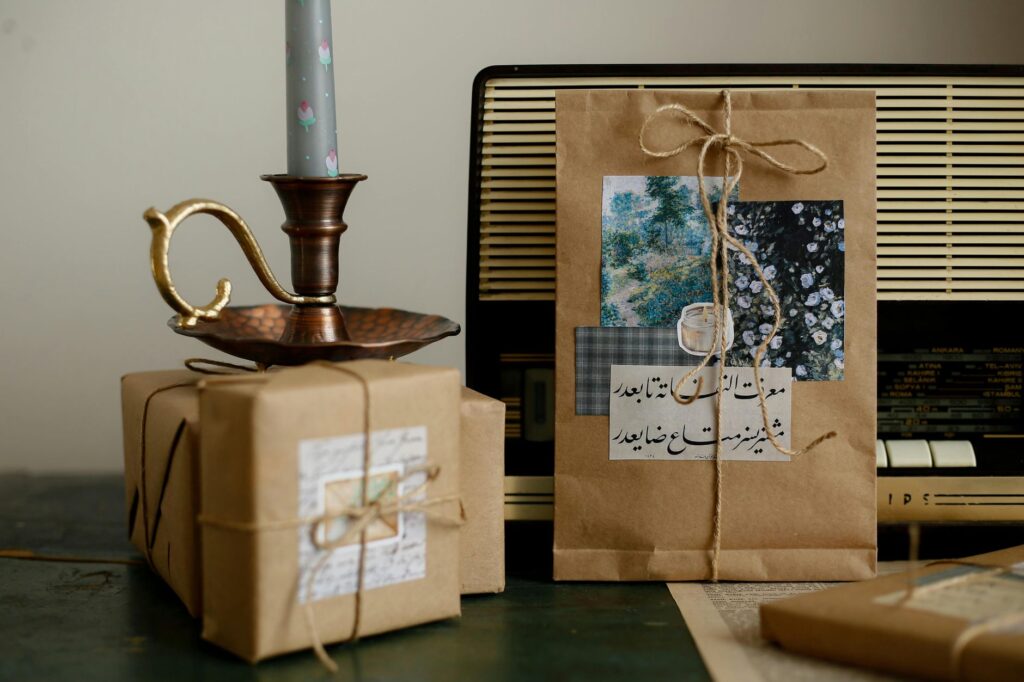
That shift requires a certain openness from the buyer. It also requires time. A conversation about milk, aging, and seasonality cannot be rushed. In that sense, the unlabeled creamery is not only selling cheese; it is selling a slower way of shopping, one that values attention over convenience and relationship over transaction.
Practical guide
If you travel to southern Idaho and want to buy unlabeled sheep cheese, keep the following in mind:
- Where to find it: Artisan creameries are concentrated in Blaine, Gooding, and Twin Falls counties. Many sell at farmers markets on Saturday mornings.
- What to ask: Ask about the milk used (raw or pasteurized), the aging time, and the ingredients. The producer will give you the information the label does not include.
- How to store it: Aged sheep cheese keeps well in a cool, humid place, wrapped in wax paper. Fresh cheese should be consumed within a few days.
- Price: Artisan unlabeled cheeses typically cost between $20 and $40 per pound, depending on aging.
- Precaution: If you have allergies or intolerances, always ask about the ingredients. The absence of a label does not exempt the producer from informing.
It is also worth remembering that raw milk cheeses, whether labeled or not, carry a different risk profile than pasteurized ones. Buyers who are unsure should ask directly and make their own decision. A good producer will answer without hesitation, because the entire model depends on that conversation being honest and complete.
The unlabeled creamery in Idaho is a reminder that, in the information age, trust is still an essential ingredient. A cheese without a label is not a cheese without a story. It is a cheese that tells itself, every time someone tastes it.