
Tasmania has no regular passenger trains, no metro network, and most visitors rent a car as soon as they land in Hobart or Launceston. Yet over recent decades the island has assembled a discreet but workable system of intercity buses, coastal ferries and marked trails that allows travellers to explore some of its most iconic national parks without driving. It is not a perfect system and it does not cover the whole territory, but it does trace an alternative geography for those who travel with time, patience and a willingness to walk.
This report follows that network from Hobart to Cradle Mountain, passing through the Tasman Peninsula, Mount Field and the east coast. It promises no miracles and no frequent connections: it documents what exists, how it is used, and what limits travellers should know before entrusting a trip to public transport on an island of nearly 68,000 square kilometres with just over half a million residents.
An island without trains, with buses that do work
Tasmania had passenger railways well into the twentieth century, but today its tracks carry only freight. The intercity bus network, operated by companies such as Tassielink, Redline and other regional firms, connects Hobart with Launceston, Devonport, St Helens, Bicheno, Swansea and the west coast. Schedules are limited: on many stretches there are only one or two daily services, and some routes operate only on certain days of the week.
Hobart Airport, about 20 kilometres from the city centre, has a shuttle bus service into town. From the capital, the Hobart bus terminal is the starting point for most routes heading north and east. Launceston, the island’s second city, serves as another hub for connections to the north coast and the interior.
In Tasmania, public transport does not compete with the car: it draws another island, slower and more attentive to the landscape.
The key is planning. Tickets are bought online or on board, and advance booking is advisable in high season, between December and February. Some routes allow passengers to get off at intermediate points, but not all guarantee a connection with the next leg on the same day.
From Hobart to the Tasman Peninsula: bus, ferry and hike
The Tasman Peninsula, southeast of Hobart, is one of the most accessible destinations without a car. A Metro Tasmania urban bus reaches the town of Nubeena, passing through Eaglehawk Neck and Port Arthur. The journey takes about two and a half hours and provides access to the Tasman Peninsula national park, home to geological formations such as Tessellated Pavement, Tasman Arch and Devil’s Kitchen.
Port Arthur, a former penal settlement turned heritage site, has bus services from Hobart and a ferry that crosses the bay to the Isle of the Dead, a small historic cemetery. The Three Capes Track, one of Australia’s best-known multi-day walks, begins at Port Arthur and follows the peninsula’s cliffs. It requires advance booking and specific logistics, including a boat from Port Arthur to Denmans Cove.
For those who do not wish to complete the full route, there are day-hike sections that allow travellers to take in the cliffs and return to Port Arthur or Nubeena on the same bus. Signage is clear and the trails are maintained by the Tasmanian parks service.
The east coast: slow buses between bays and vineyards
The route heading north from Hobart along the east coast passes through towns such as Orford, Swansea, Bicheno and St Helens. Intercity buses cover this corridor with one or two daily departures, and in some cases a transfer in Swansea or Bicheno is needed to continue north.
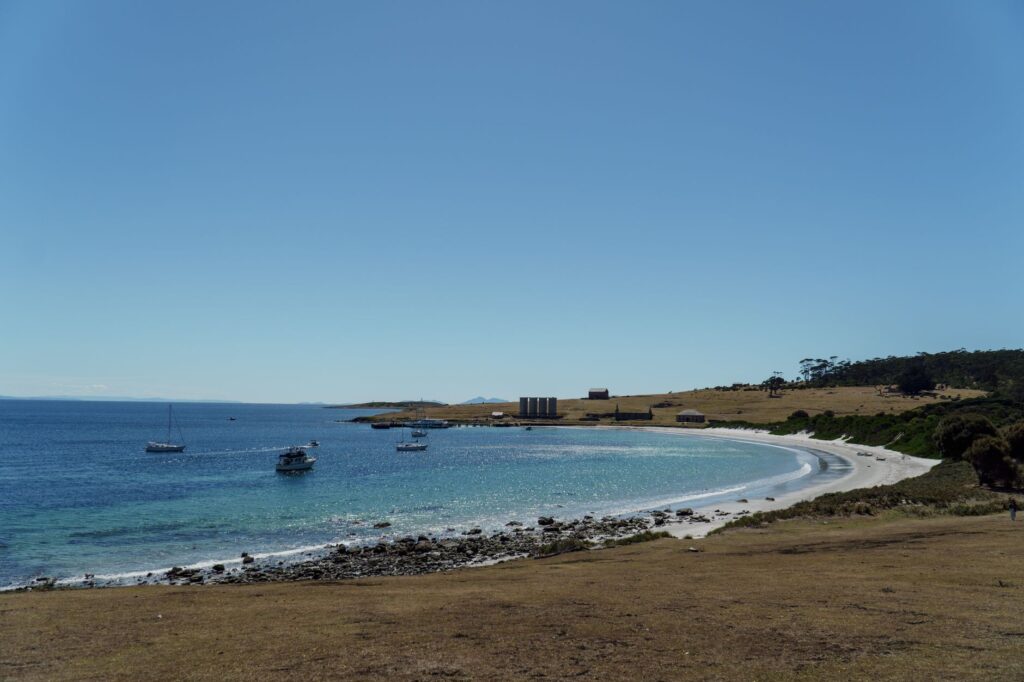
Freycinet national park, with the famous Wineglass Bay, is accessible from the town of Coles Bay. A local bus connects Bicheno with Coles Bay in season, and from there travellers can walk to the Wineglass Bay lookout in about two hours return. The trail is well marked and requires no technical equipment, though water and sun protection are advisable.
Further north, St Helens is the gateway to the Bay of Fires and the coastal trails of the region. Buses arriving here often continue to Launceston or Devonport, allowing travellers to link up with the north coast without returning to Hobart.
Cradle Mountain: the challenge of the final leg
Cradle Mountain, in the heart of Cradle Mountain-Lake St Clair national park, is one of Tasmania’s most iconic destinations and also one of the hardest to reach without a car. No urban buses reach the visitor centre. The usual option is to take an intercity bus from Launceston or Devonport to the town of Sheffield or to the Cradle Mountain junction, and from there use a shuttle service that operates in high season.
That shuttle connects the visitor centre with the main trailheads, such as Dove Lake, Ronny Creek and the interpretation centre itself. In low season, frequency drops and in some cases private transport is needed or several sections must be linked on foot. The walk from the road to the visitor centre is long and not recommended for all travellers.
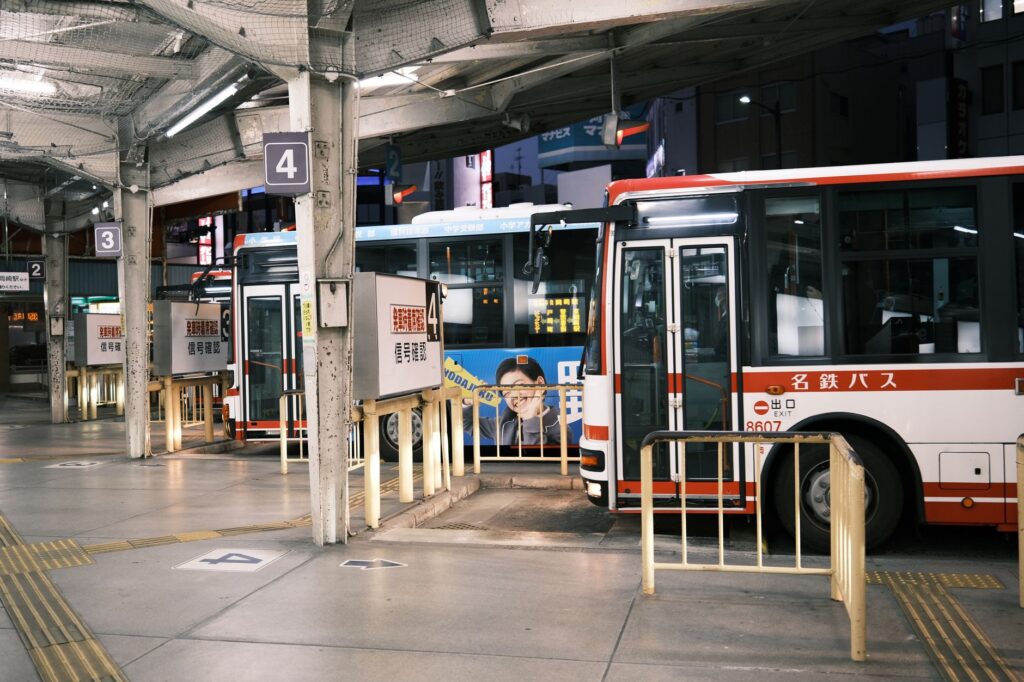
The final leg to Cradle Mountain reveals the system’s limit: without a car, the mountain demands more time, more planning and, at times, giving up part of the route.
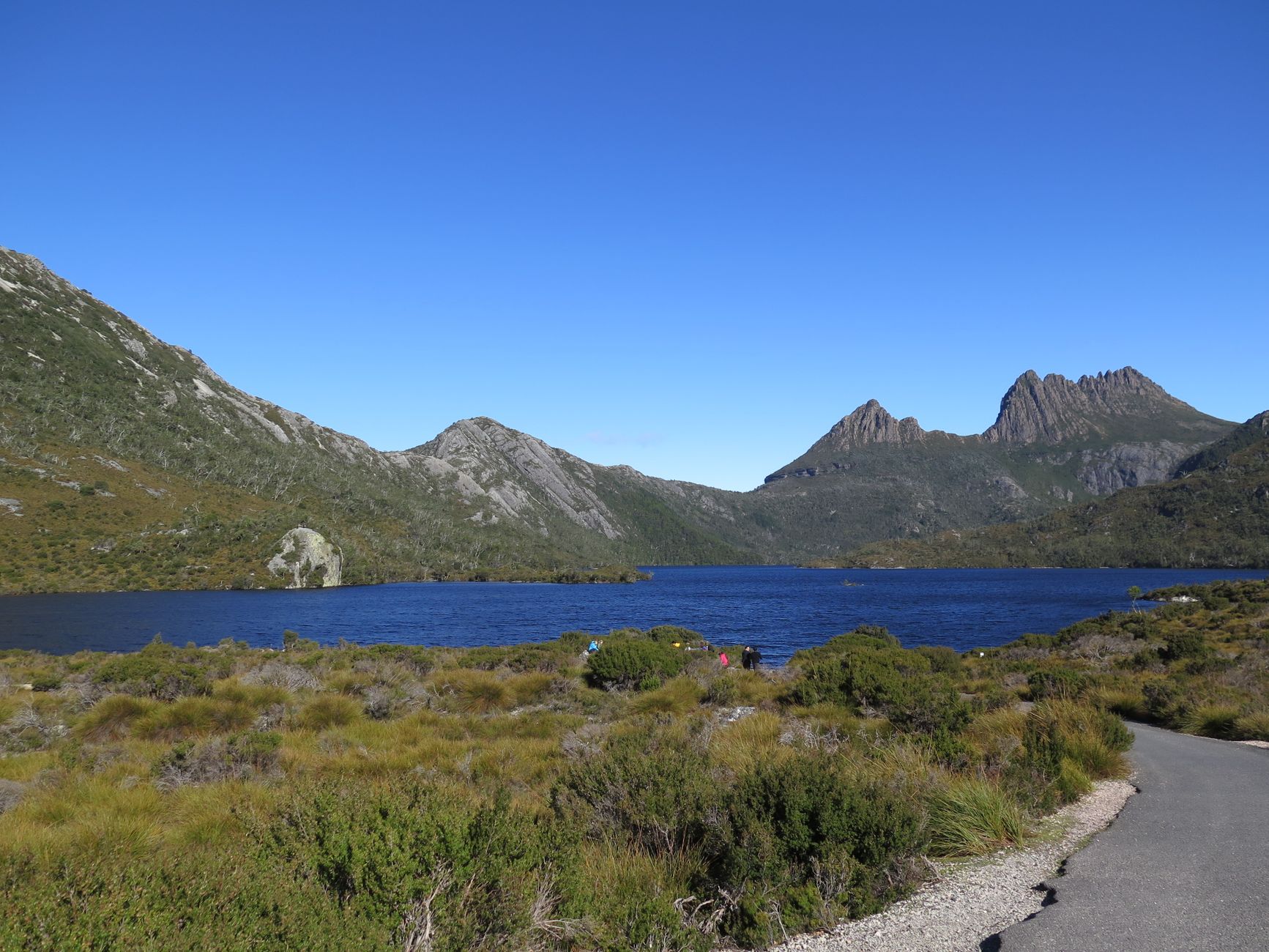
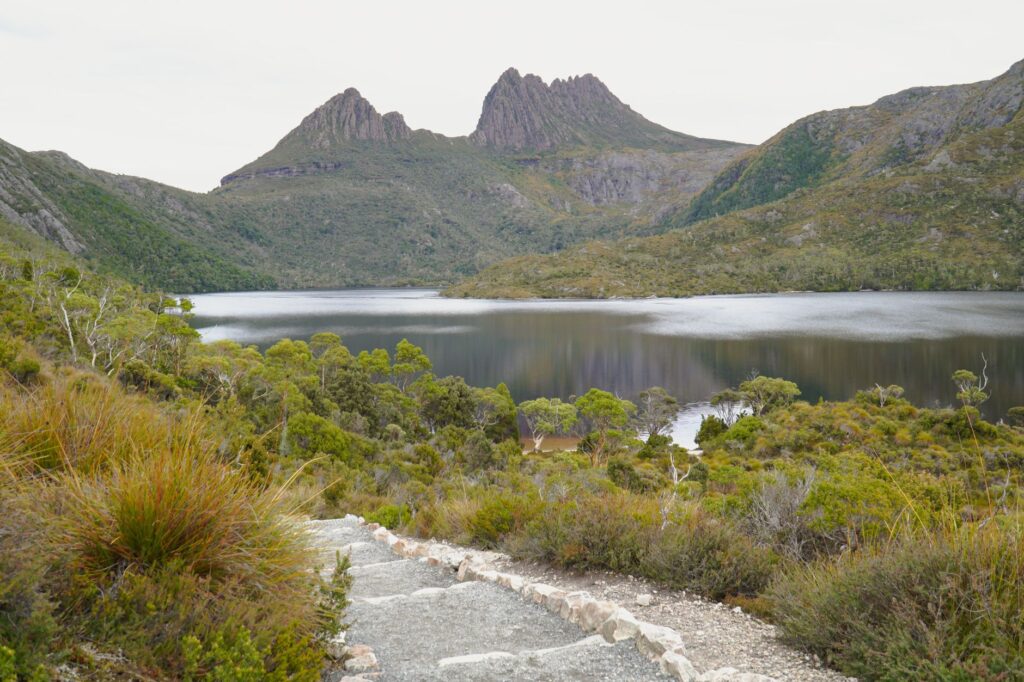
Those who do make it will find a network of well-marked trails ranging from short walks to multi-day ascents. The Dove Lake circuit, about two hours, is accessible to most visitors and offers direct views of the Cradle Mountain peaks.
Mount Field and the southern trails
Mount Field national park, about 80 kilometres northwest of Hobart, is another natural area accessible without a car. An intercity bus reaches the town of Maydena, from where several trails head into the park. The best-known route climbs to the summit of Mount Field, with views over the Florentine River valley and the eucalyptus forests.
The area has shelters and camping areas, but no nearby hotel services. Travellers relying on the bus must coordinate arrival and departure with the limited schedule of the route, which on some days operates in one direction only.
Ferries, boats and the link to the mainland
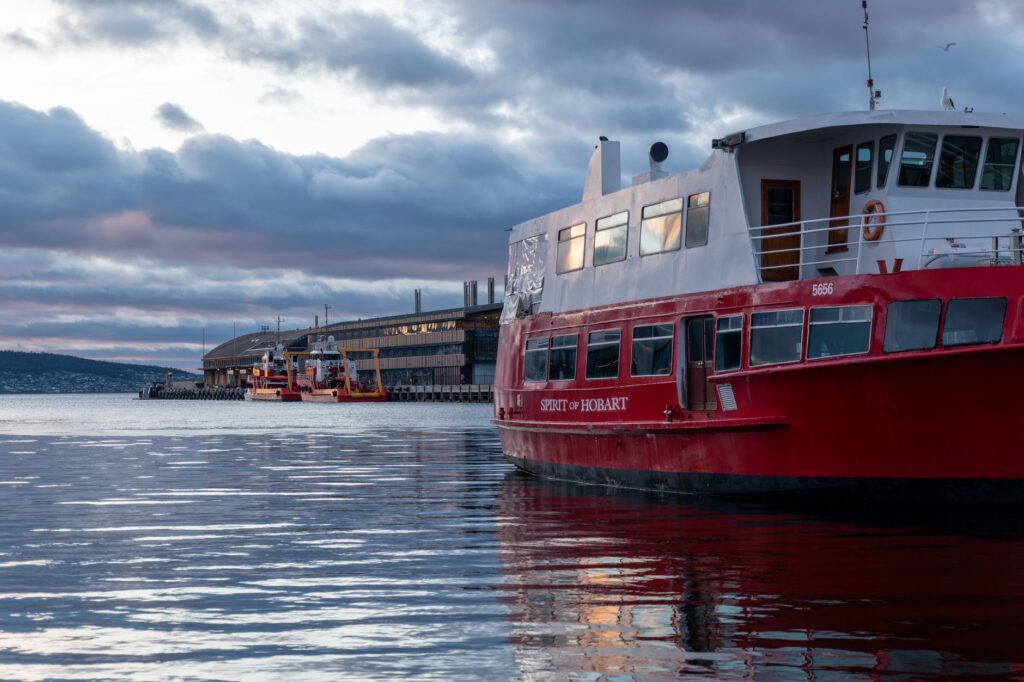
Tasmania’s most important maritime connection is the ferry linking Devonport with Melbourne on the Australian mainland. The overnight crossing takes about eleven hours and carries passengers, vehicles and freight. For those arriving from the mainland without a car, this ferry is the gateway to the island and connects with the bus network heading up to Launceston and Hobart.
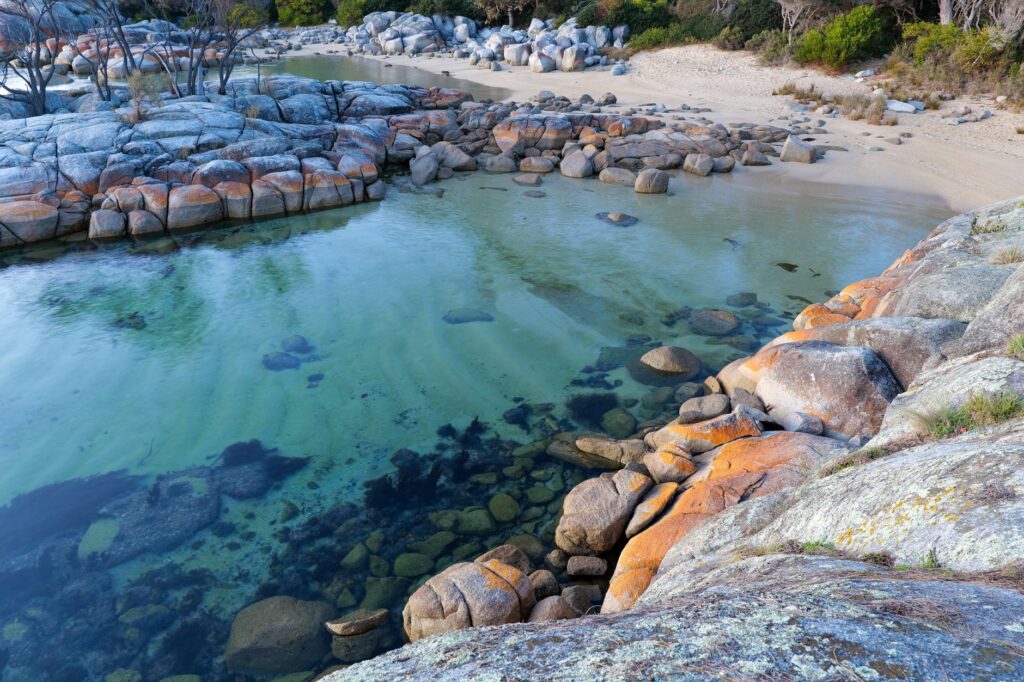
Inland, lakes and rivers have no regular passenger transport services, apart from some tourist cruises on Lake St Clair and the Gordon River. These operate with advance booking and are aimed at visitors seeking a guided experience rather than everyday travel.
The journalistic question: can an island without trains be explored without a car?
The answer is nuanced. Tasmania does not offer a public transport system comparable to those of European or Japanese regions, but it has developed a network sufficient to visit several of its most important national parks if certain conditions are accepted: limited schedules, transfers, additional walking and careful planning. The car remains the most flexible option, but not the only one.
For travellers willing to move at the pace of buses and trails, the island reveals a different dimension: fewer kilometres, more time in each place, and a more direct relationship with the landscape and with the local communities that depend on these routes.
Practical guide
When to go: High season runs from December to February, with more bus frequencies and shuttle services. In winter, between June and August, many routes reduce their schedules and some high-mountain trails require experience and specific equipment.
Getting around: The main intercity bus companies include Tassielink and Redline, among others. Tickets are bought online or at the Hobart and Launceston terminals. Advance booking is advisable in high season.
Car-free access: The Tasman Peninsula is covered by urban buses from Hobart. The east coast requires transfers in Swansea or Bicheno. Cradle Mountain requires a bus to Sheffield or the junction and then a shuttle service in season.
What to bring: Water, sun protection, hiking footwear and warm clothing even in summer. Tasmania’s weather changes quickly and distances between services can be long.
Limitations: There are no passenger trains or metro. Some routes operate only on certain days. The final leg to Cradle Mountain may require private transport or additional walking. The link to the mainland is by ferry from Devonport to Melbourne.
At the end of the day, on a wooden bench facing Dove Lake, with the return bus still far off and the mountain reflected in the water, the traveller understands that Tasmania without a car is not an incomplete version of the island, but another way of crossing it: slower, more demanding and, for that very reason, closer to its real scale.