
The Island That Rewrites the Map of Dependency
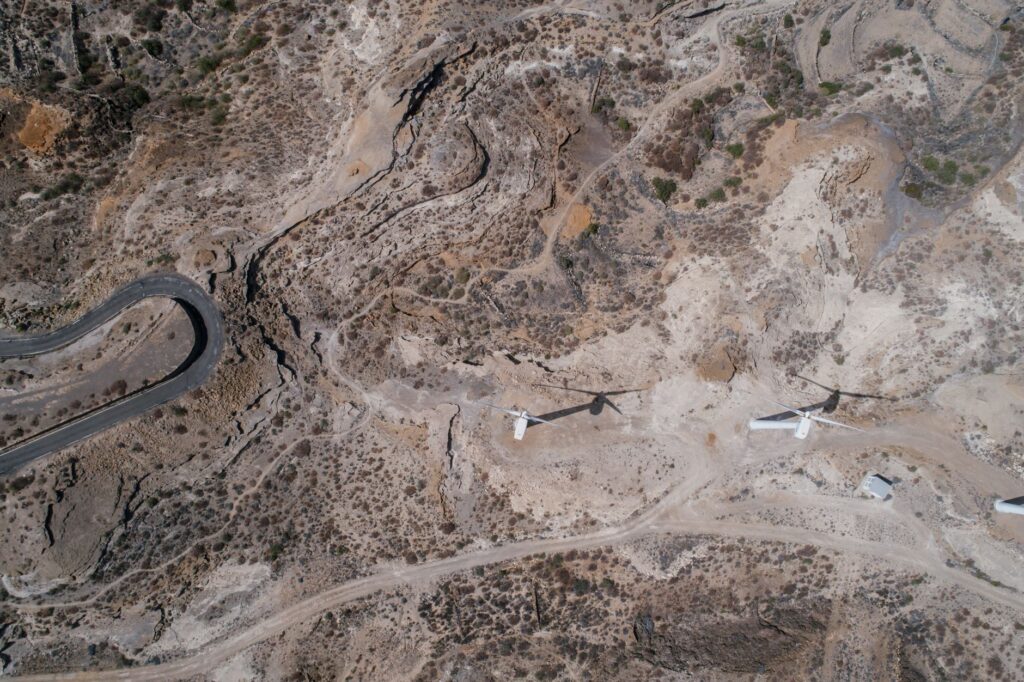
Certain territories are visited merely to collect snapshots, while others demand a fundamental recalibration of perspective. El Hierro, the westernmost and southernmost of the Canary Islands, firmly belongs to the latter category. Here, the institutional observance of World Tourism Day, championed from unique enclaves such as La Restinga and La Frontera, avoids the vacuous liturgy typical of international trade fairs. Instead, it serves as an annual accounting by a community that chose to walk the precarious ledge of sustainability long before the concept was co-opted into corporate marketing slogans. In this Atlantic outpost, travelers arriving in search of sterile luxury and mass-resort artifice experience a healthy disorientation: true exclusivity here consists of breathing pristine air, consuming carefully optimized desalinated water, and knowing with certainty that the electricity powering one’s lodging derives largely from the ingenious wind-hydro combination managed by Gorona del Viento.
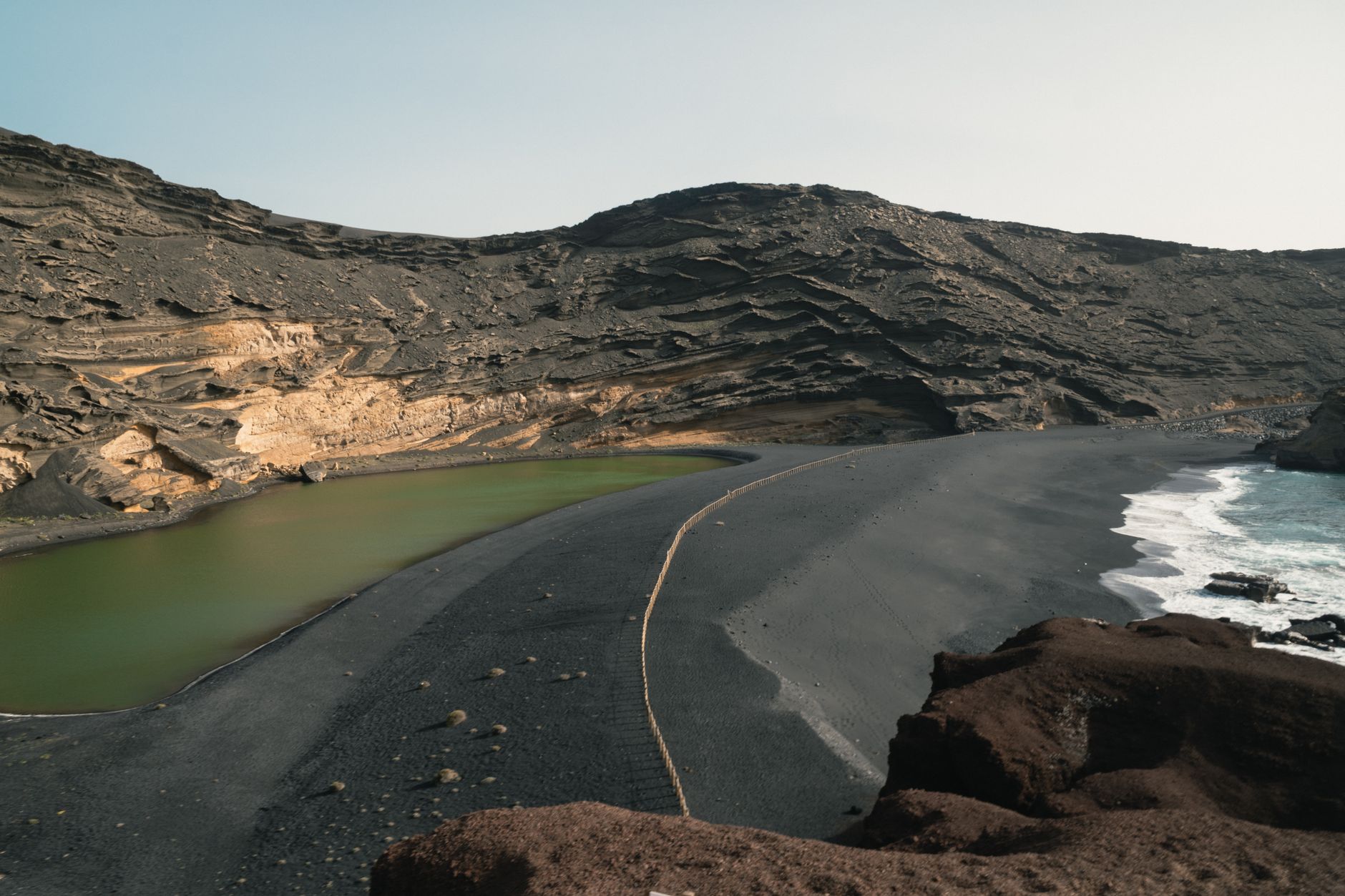
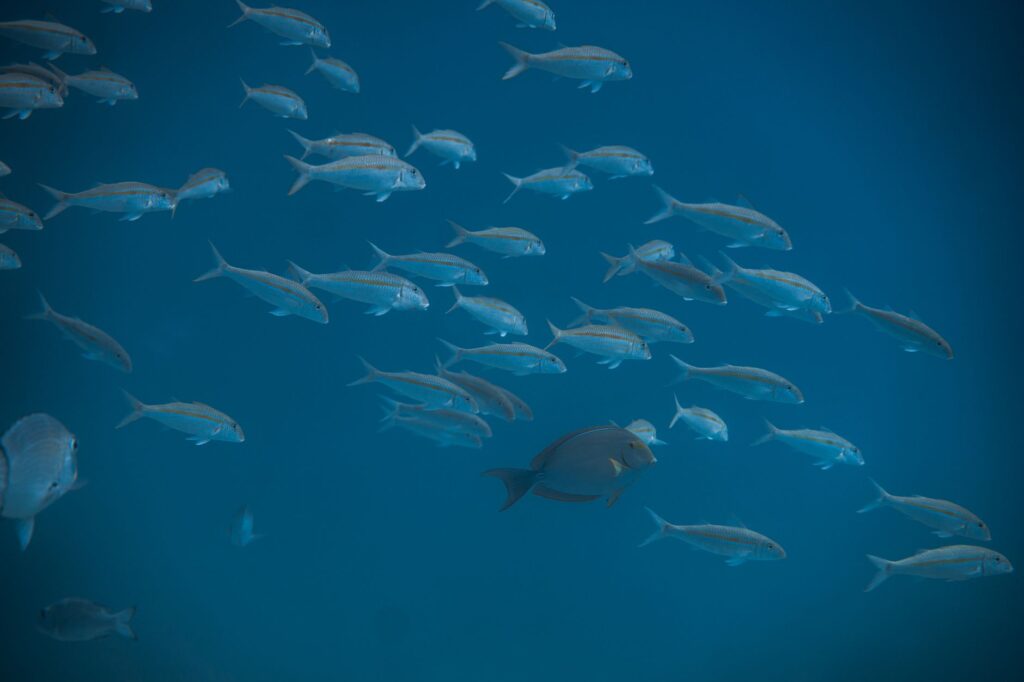
The rugged Herreño geography imposes its own strict parameters from the moment an airplane or catamaran touches down. The vertical drop of the El Golfo valley, the basaltic cliffs plunging dramatically into the ocean, and the dense laurel forests trapping mountain mists create an ecosystem as fragile as it is magnificent. Island authorities and grassroots collectives have long recognized that tourism, to remain viable, must submit unconditionally to the ecological carrying capacity of the territory. The goal is never to attract millions of indiscriminate visitors, but rather to welcome those capable of attuning themselves to the unhurried pulse of a Biosphere Reserve that encompasses both terrestrial landscapes and deep marine trenches. Within the Punta de la Restinga-Mar de las Calmas Marine Reserve, for instance, the careful equilibrium maintained between artisanal fishing, low-impact diving, and strict cetacean protection proves that conservation is no economic brake, but rather the only viable long-term life raft.
Submarine Memory and the Coastal Rhythm of La Restinga
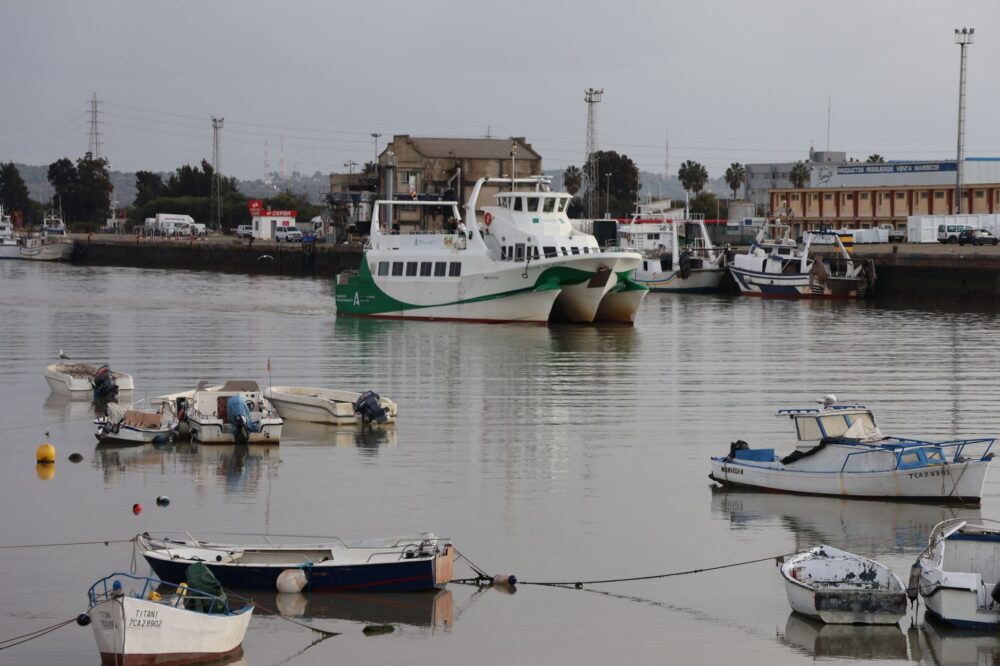
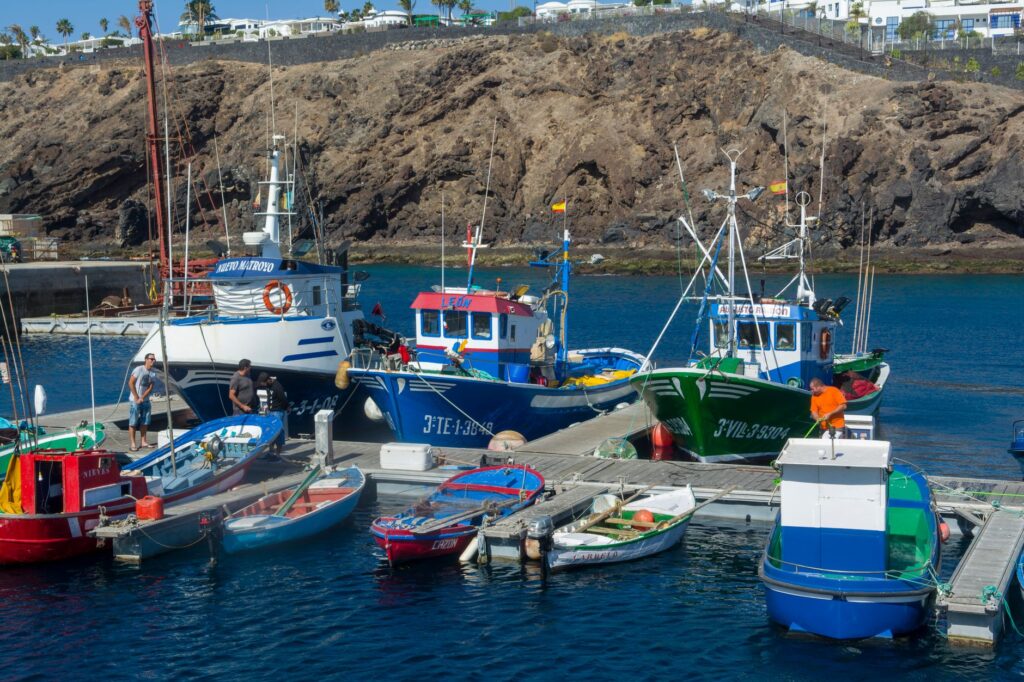
Descending toward the island’s southern tip requires navigating winding roads that cut through jagged lava fields until they reach La Restinga. This small fishing village, globally renowned for sheltering some of Europe’s premier diving grounds thanks to the rich biodiversity nurtured by volcanic seabeds and the 2011 Tagoro submarine eruption, embodies the cultural resilience of the sea. Here, local fishermen are never mere props for bored tourists; they act as daily guardians of a marine ecosystem they know down to the last fathom. During the World Tourism Day gatherings, this modest harbor becomes the epicenter of a quiet yet unyielding debate: how to keep doors open to divers and ocean lovers without ever compromising the crystal-clear purity of the waters.
Sustainability is never a final destination to be reached, but rather the constant compass that prevents travel from destroying the very things that compelled us to journey in the first place.
Along the docks of La Restinga, time is measured by the skippers who set sail before dawn and return with catches strictly compliant with minimum size regulations. Local diving centers operate under rigorous codes of conduct prohibiting seabed disruption, artificial species feeding, or dropping anchors over seagrass meadows. This seamless harmony between underwater recreation and citizen science transforms every dive into an applied ecology lesson. The visitor is never a mere consumer of subaquatic scenery; they become an active witness to a breathing ocean, safeguarded by a community that has mastered coexistence with both the tranquil depths of the Calmas and the unpredictable fury of submarine volcanism.
The Green Amphitheater of El Golfo and Water Culture
On the opposite side of the towering mountain wall that bisects the island lies the sweeping amphitheater of El Golfo, carved by a colossal prehistoric landslide. Here, in municipalities like La Frontera, the landscape shifts dramatically: the dark tones of volcanic rock yield to an explosion of vibrant green where century-old verdelho vineyards, tropical pineapple orchards, and fruit groves thrive under meticulous water management. On an island where freshwater resources are perpetually scarce—relying exclusively on rainfall and efficient desalination—every single drop is treated as precious treasure. Local farmers have refined agricultural techniques that minimize surface evaporation and maximize crop yields without depleting fragile underground aquifers.
The tourism workshops hosted in this sector of the valley place their primary focus on agro-sustainability and ethnographic heritage. Traditional dry-stone wine cellars, historic royal footpaths cutting across deep ravines, and sanctuaries dedicated to the island’s patron saint—the Virgin of the Kings, central to the iconic Bajada festival—form a cultural map best explored on foot or by bicycle. The sustainable mobility framework championed by local institutions aims to systematically reduce visitors’ carbon footprints by installing electric vehicle charging points and improving signposted trails connecting rural hamlets without choking secondary roads with private traffic.
Vernacular Architecture and the Art of Inhabiting Stone
Observing traditional Herreño architecture reveals a masterclass in climatic adaptation and local material intelligence. Historic dwellings, constructed using dark basalt masonry and traditional Arabic tile roofs, cluster into hamlets that seem to emerge organically from the volcanic terrain itself. In stark contrast to the mass-tourism developments scarring other island latitudes, El Hierro prioritizes the meticulous rehabilitation of ancient structures to serve as low-density rural accommodations. These spaces reject superficial luxury in favor of a comforting warmth derived from native timber, the thermal inertia of thick stone walls, and the profound silence of agrarian surroundings.
Local architects and spatial planners participating in sustainable development forums insist on the urgent need to shield the island’s landscape from real estate speculation. Territorial zoning regulations remain uncompromising: large hotel complexes are strictly forbidden on rustic land, and any new construction must incorporate advanced bioclimatic criteria, ranging from photovoltaic solar energy harvesting to closed-loop graywater recycling systems. Consequently, island architecture stands as an aesthetic and functional shield protecting local identity against global homogenization.
Volcanic Flavors: The Zero-Kilometer Larder
Understanding Herreño sustainability requires sitting down at the local table. The island’s gastronomy is the happy outcome of geographic isolation coupled with peasant and seafaring ingenuity. In the eateries of La Restinga, Frontera, and Valverde, the zero-kilometer concept is not a culinary trend adopted for snobbery, but rather a historical necessity transformed into virtue. Artisanal goat and sheep milk cheeses—decorated with national awards for their creamy texture and smoky herbal notes—alongside traditional gofio, free-range local meats, and fresh Atlantic fish compose an honest yet robust larder.
The island’s chefs and restaurateurs collaborate closely with local producers to ensure minimal food waste and guarantee that organic leftovers return to the soil as agricultural compost. Savoring traditional wrinkled potatoes with mojo sauce accompanied by a dry white wine bearing the El Hierro Denomination of Origin is an exercise in conscious dining. Every single bite tells stories of steep agricultural terraces, trade winds caressing hillside vines, and a fierce ocean demanding absolute respect. This culinary experience deliberately bypasses the fast-food tourist circuit, transforming instead into an act of direct support for the island’s circular economy.
The Human Rhythm: When Travelers Slow Down
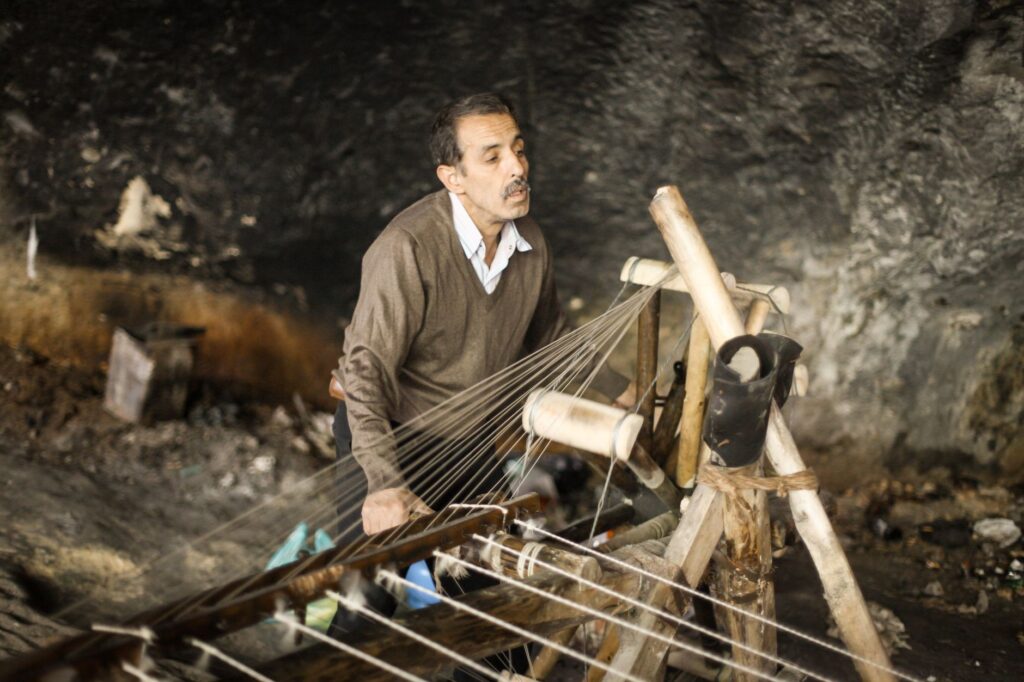
What truly distinguishes the El Hierro experience from conventional sun-and-sand destinations is the authentic quality of human interaction. Here, time is not measured in saved minutes, but rather in unhurried conversations with residents in the village square, the knowing nod of an artisan weaving native plant fibers, or the detailed insights shared by a local guide leading a volcanic ridge trek. Events organized around World Tourism Day specifically aim to bridge the empathy gap between resident and traveler, stripping tourism of its extractive impulses to convert it into an enriching cultural exchange.
Local communities view neither tourists with the fatigue of saturation nor with the desperate urgency of merchants. A collective awareness prevails: the visitor is a temporary guest obligated to integrate smoothly into island rhythms. This hospitality devoid of servility fosters respectful tourism where travelers naturally adopt low-impact habits—turning off unnecessary lights upon leaving rooms, respecting nighttime silences in rural hamlets, and understanding that water scarcity is a physical reality resolved not through indignant complaints, but through responsible, collective conservation.
Practical guide
How to get there: El Hierro features regular domestic flight connections from Tenerife (Los Rodeos) and Gran Canaria operated by Binter, alongside maritime ferry services operated by Naviera Armas connecting Los Cristianos port in Tenerife to La Estaca port on the island.
Sustainable mobility: Renting electric or hybrid vehicles at airport and port offices is strongly recommended. The island features public charging stations and a comprehensive network of well-marked hiking and mountain biking trails.
Recommended accommodation: Choose from the network of traditional rural houses and small boutique hotels integrated into the island’s sustainable tourism scheme, located primarily in the municipalities of La Frontera, Valverde, and El Pinar.
Diving and marine life: Subaquatic explorations within the Las Calmas Marine Reserve must be conducted exclusively through authorized diving centers based in La Restinga, strictly observing all environmental protection rules.
Gastronomy and shopping: Purchase local products directly from municipal markets and agricultural cooperatives. Sample the designated-origin cheeses, local wines, and fresh artisanal catch of the day.
The Final Reflection on an Unadorned Horizon
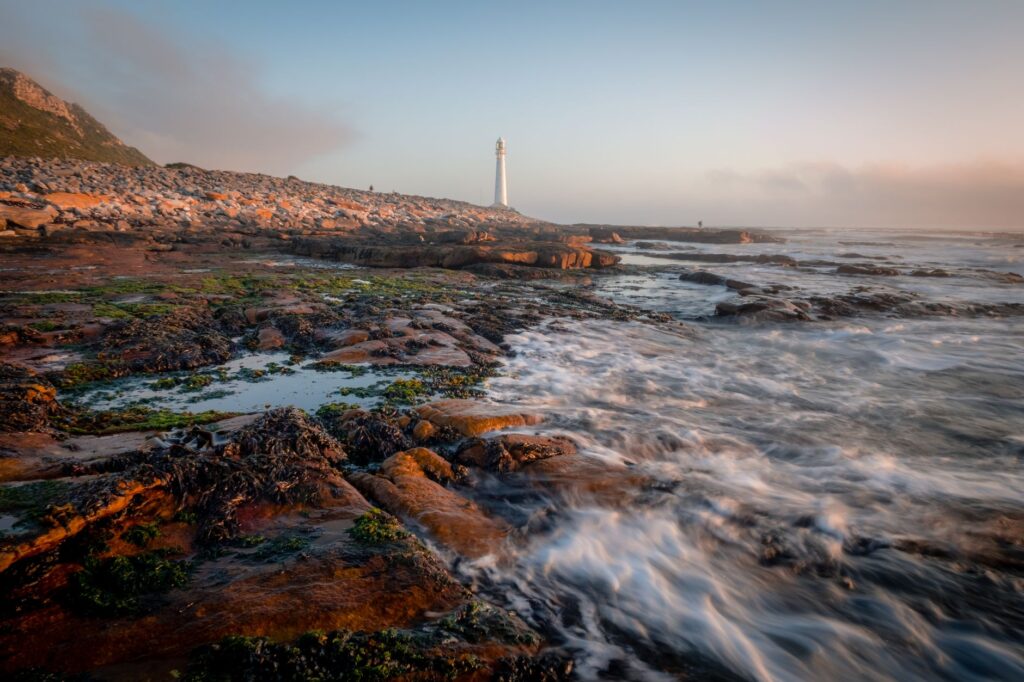
At dusk, when the final rays of sunlight set the cliffs of the western coast ablaze and the Orchilla lighthouse watches over the zero meridian that once marked the edge of the known world, El Hierro reclaims its primordial stillness. Institutional speeches and commemorative plaza gatherings have faded; only the steady murmur of the trade winds rustling Canary pine needles and the rhythmic crash of waves against volcanic rock remain. In that moment of silent illumination, the traveler grasps the true depth of the island model: sustainability is never a tourism product bought and sold, but an ethical stance toward existence—an urgent reminder that the survival of our fragile planet rests entirely on our collective capacity to inhabit places without devouring them.