
The Geography Sculpted by Saline Wind and Basalt Rock
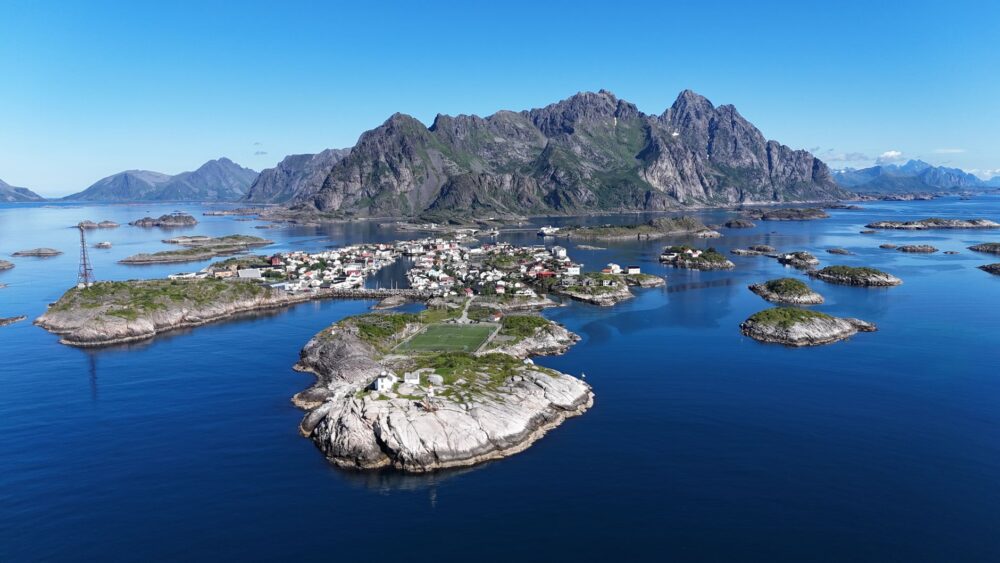
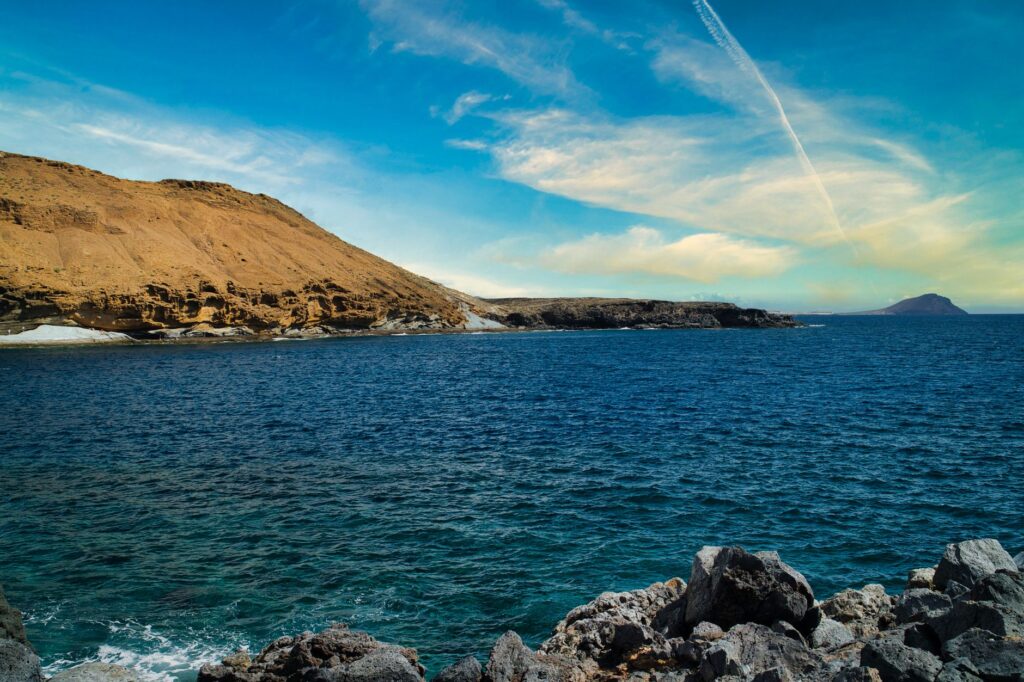
At the western edge of the Azores archipelago, where North Atlantic currents shape black basalt cliffs and volcanic calderas covered in hydrangeas, daily connectivity has historically depended on the untamable force of the sea. The islands of Faial and Pico, separated by an eight-kilometer channel where tidal currents reach unpredictable speeds, represent one of the most challenging environments for insular transport engineering. Here, the economic and social survival of local inhabitants has traditionally been tied to fossil-fueled ferries and port infrastructure that prioritized speed over environmental sustainability.
For decades, the roar of diesel engines in the ports of Horta and Madalena marked the daily pulse of the region. However, increasing tourism pressure and the global climate emergency forced fishing guilds, local municipalities, and regional authorities to entirely rethink the mobility model. The premise was not simply to substitute old ships with electric versions, but to redesign the journey experience so that crossing the sea would once again become an act of respect toward the marine ecosystem surrounding the area’s underwater mountains.
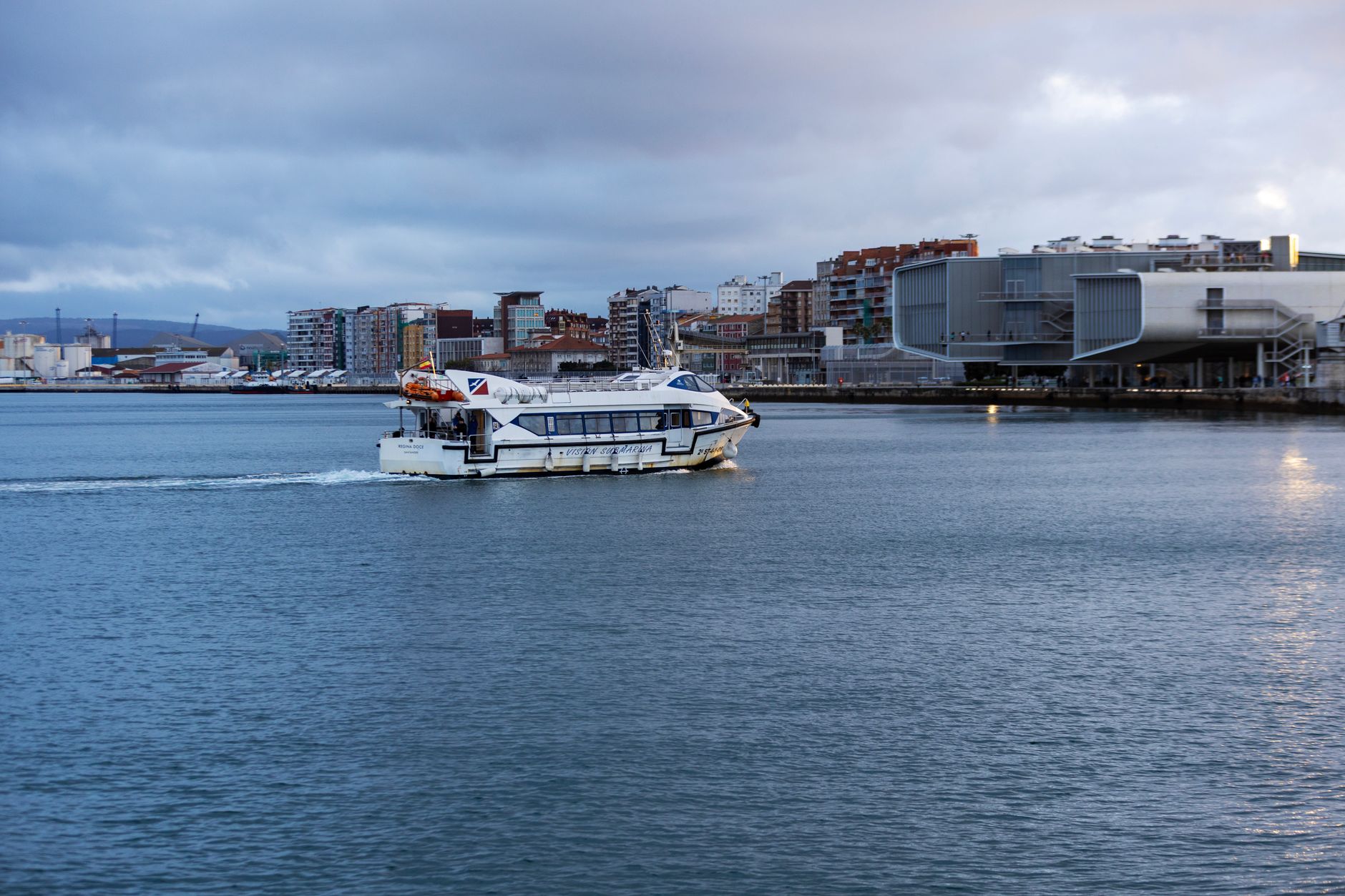
The transition toward a low-emission transport system in this Macaronesian corner required a monumental effort of interdisciplinary coordination. Naval engineers, marine biologists, and local architects sat at the same table to study how traditional propellers disrupted the migratory routes of cetaceans frequenting the channel. The result of this dialogue was the design of hybrid vessels equipped with high-capacity electric propulsion and artificial intelligence-assisted navigation systems that drastically reduce underwater acoustic pollution.
Floating Architecture and the Integration of Historic Docks
Redesigning port infrastructure posed a genuine heritage and technical challenge. The original 19th-century docks, built with local volcanic stone masonry, lacked the logistical capacity and electrical supply necessary to recharge large-format batteries in the brief intervals between crossings. The adopted solution avoided major visual impacts and instead relied on articulating floating walkways and fast-charging points hidden beneath pre-existing structures, preserving the historic value of the waterfronts.
These floating walkways not only optimize the boarding and disembarking times for passengers and local goods, but also act as natural shock absorbers against extreme waves caused by winter storms. Thanks to their modular design, the structures adapt dynamically to tidal variations, which can fluctuate significantly in this area. Thus, modern engineering serves traditional architecture, demonstrating that innovation does not require the destruction of built heritage.
On land, the integration of the transport network is completed with extended-range electric buses and assisted bicycle-sharing stations specifically designed to navigate the steep slopes of volcanic hillsides. Local residents and visitors can now plan their journeys through a unified digital platform that optimizes energy consumption across the entire island network, always prioritizing active mobility and collective transport over private vehicles.
True innovation in insular transport does not lie in the speed at which we move, but in the invisible footprint we leave along the way.
The Smart Electrical Grid and Energy Self-Sufficiency
Replacing a fleet of diesel ferries with electric alternatives raises a fundamental dilemma: where does the energy to recharge them come from? On geographically isolated islands like Faial and Pico, relying on imported fossil fuels to generate electricity would negate the environmental benefits of electromobility. For this reason, the transport project was developed in parallel with a profound transformation of the regional energy system.
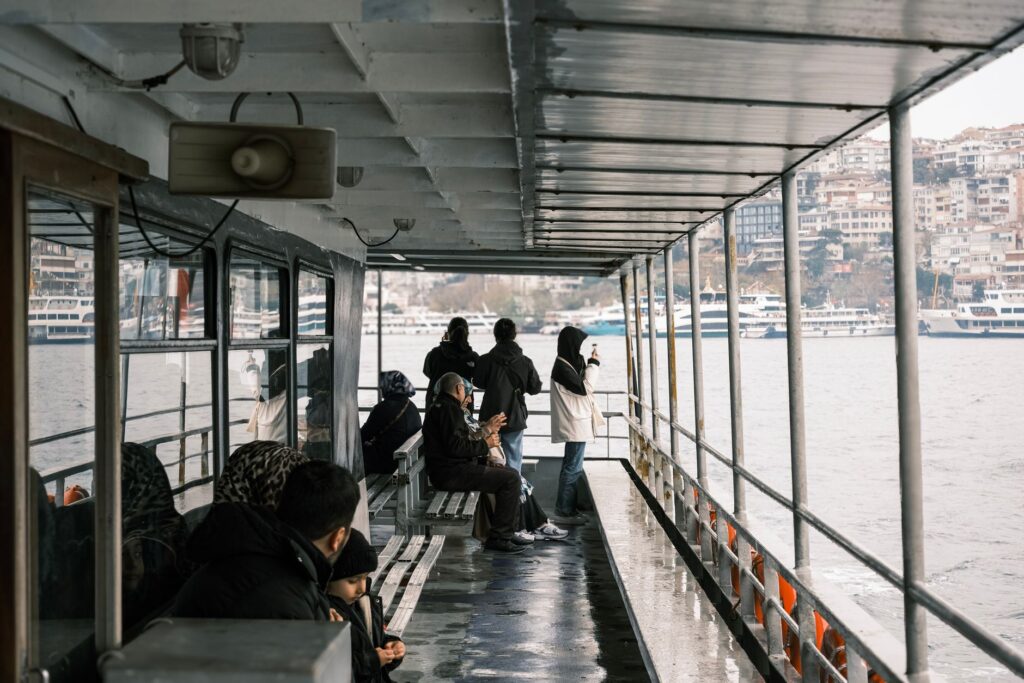
Currently, a micro-generation network based on low-enthalpy geothermal energy, vertical-axis wind turbines designed to withstand strong Atlantic winds, and community solar roofs powers the port charging stations. A storage system using second-life batteries retired from electric vehicles acts as a regulatory buffer to guarantee supply stability during cloudy or windless days.
This integration between mobility and energy has turned the channel between Faial and Pico into a living laboratory for ecological transition on a European scale. Consumption and generation data are monitored in real-time through public panels located at the terminals, fostering greater citizen awareness regarding the importance of aligning daily travel with the actual availability of renewable resources.
Impact on Local Economy and Artisanal Fishing
Beyond reducing greenhouse gas emissions, the modernization of transport has reshaped the local economy of fishing communities. Traditionally, artisanal fishermen watched their marketing routes to other islands become more expensive due to the volatility of fossil fuel prices. The new maritime transport network with stable, subsidized fares for local products has enabled local cooperatives to ship their fresh fish to mainland markets under much more competitive conditions.
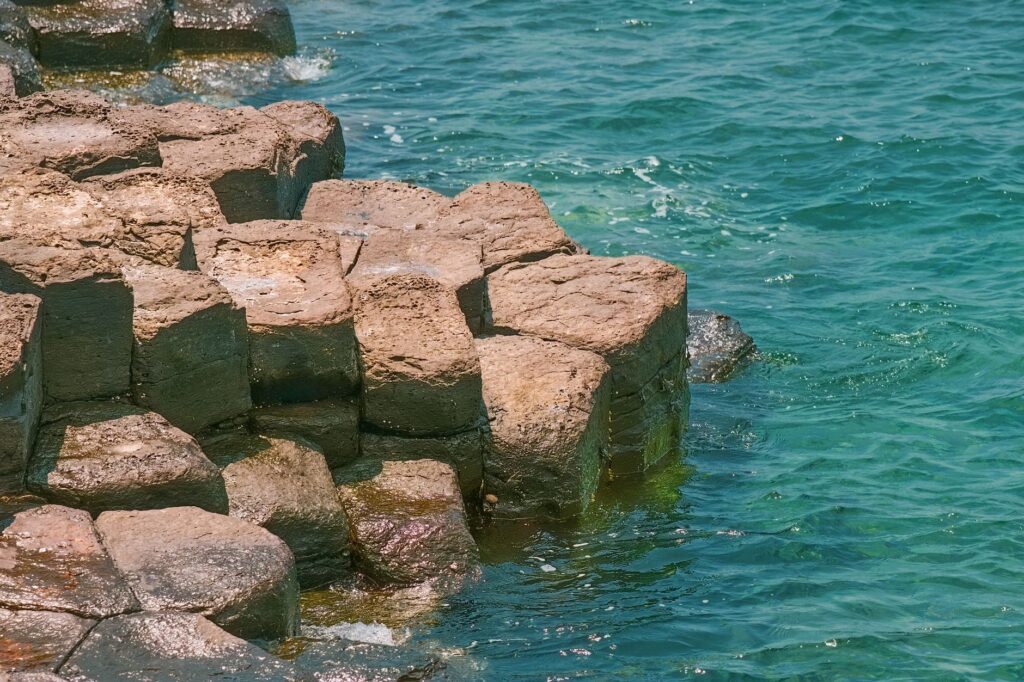
Likewise, whale-watching tourism and nature hiking have embraced this new paradigm of slow mobility. Local tour guide businesses work closely with electric ferry operators to offer integrated travel packages that discourage the use of rental cars. This strategy not only reduces road congestion on Pico island’s narrow rural roads, but also ensures a more equitable distribution of economic benefits among small shops and rural lodgings.
The preservation of traditional seafaring knowledge has not been left behind either. Veteran ferry captains participate as advisors in training programs for new electric vessel crews, combining their ancestral mastery of local ocean currents with the precision of state-of-the-art digital navigation systems.
Marine Conservation Practices and Citizen Science
The channel between Faial and Pico constitutes a vital biological corridor for numerous marine mammal species and pelagic birds. The reduction in underwater acoustic pollution, achieved through electric propulsion and the silent hydrodynamic design of the new ships, has had a measurable and immediate impact on the behavior of sperm whales and bottlenose dolphins that permanently inhabit the area.
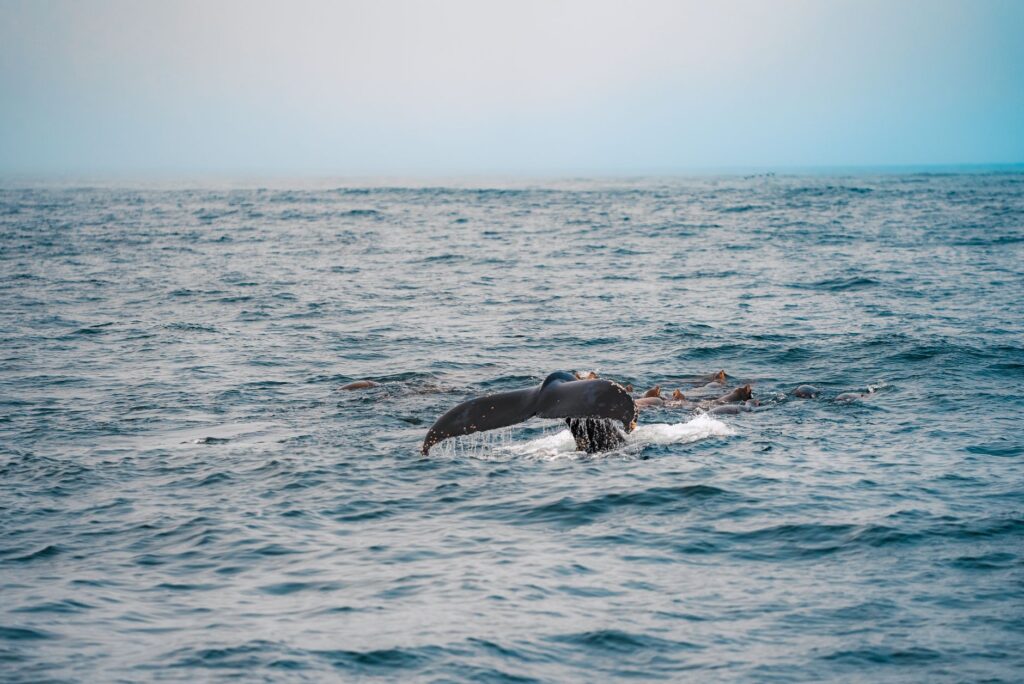
To ensure continuous scientific monitoring of this process, commercial ferries act as mobile observation platforms. Automated oceanographic sensors have been installed on board to measure water temperature, salinity, and microplastic levels in real-time, while passengers actively collaborate by recording fauna sightings through a mobile application developed in collaboration with the University of the Azores.
This citizen science initiative not only enriches the databases of marine research centers, but also transforms the daily commute into a unique educational educational experience. Travelers understand firsthand the fragility of the oceanic ecosystem they cross, becoming active ambassadors for marine conservation upon returning home.
Connecting islands is not about joining landmasses through the brute force of engineering, but weaving an invisible thread of respect between the traveler, the sea, and those who inhabit it.
Practical guide
How to get there: The main entry point to the archipelago is Horta Airport (HOR) on Faial island, with regular flight connections from Lisbon and Ponta Delgada. To access neighboring Pico island, travel is exclusively conducted via the new electric ferry service from the port of Horta to Madalena.
When to travel: The months between May and October offer the best weather and maritime conditions, as well as being the optimal period for whale watching and volcano hiking. During winter, crossings may experience occasional alterations due to Atlantic storms.
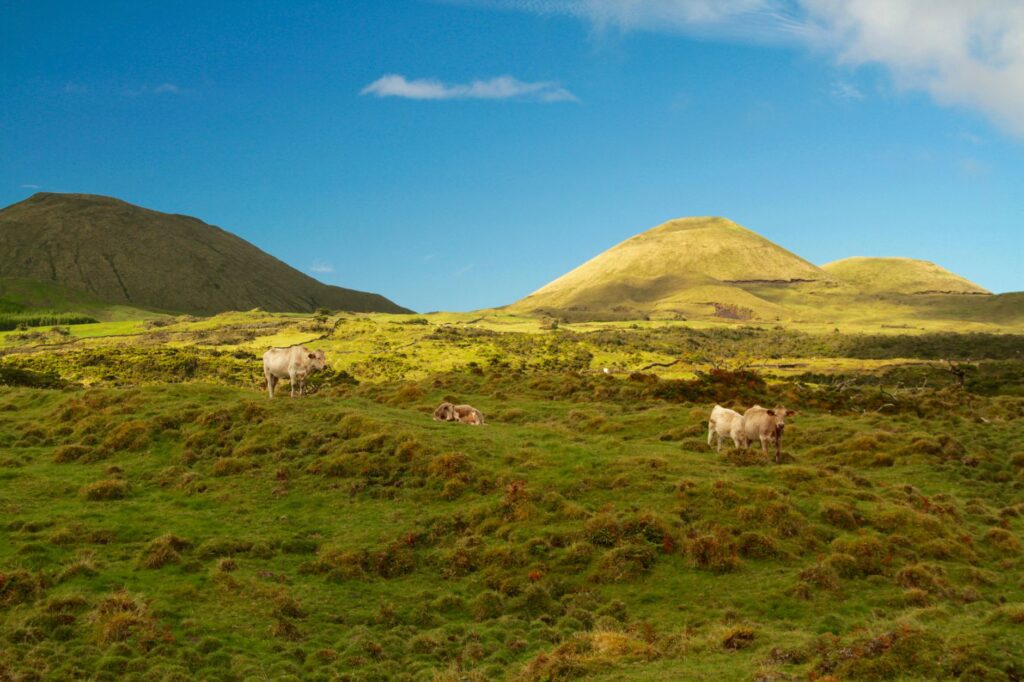
Mobility tips: It is strongly recommended to forgo renting internal combustion engine vehicles. The combined network of electric ferries, low-emission public buses, and assisted bicycles efficiently covers all points of interest on both islands. Download the official insular mobility app to check real-time schedules and book transport spaces in advance.
The Silent Horizon of the Atlantic
At dusk, when the volcanic cone of Mount Pico is tinged with violet tones and the sun slowly sinks into the Atlantic horizon, the arrival of the last electric ferry at the port of Horta takes place in almost absolute silence. There are no black smoke trails or the characteristic metallic roar of old engines accelerating in the harbor. Only the gentle murmur of water sliding against the synthetic basalt hull and the slow blinking of charging indicators on the dock.
This silent transformation demonstrates that the future of tourism and transport in the most vulnerable insular territories does not depend on massive pharaonic works, but on the ability to listen to the rhythm of the natural environment and adapt technology to its tempo. The islands of Faial and Pico have proven that it is possible to navigate forward without breaking the ocean’s fragile balance, turning every crossing into a constant reminder that true sustainability stems from a deep respect for the territory.