
Origins and Topography of an Impossible Line
At the close of the 19th century, human ambition to conquer alpine summits found its boldest expression in Swiss engineering. The railway line connecting the bustling alpine village of Zermatt with the Gornergrat ridge was conceived not merely as a tourist whim, but as a vital response to the imperative need to overcome gradients that traditional adhesion traction deemed forbidden territory. With a maximum slope reaching 20%, engineers of the era understood that steel wheels on smooth rails would inevitably slip into the void, incapable of pushing a passenger- and freight-laden formation toward the perpetual snows.
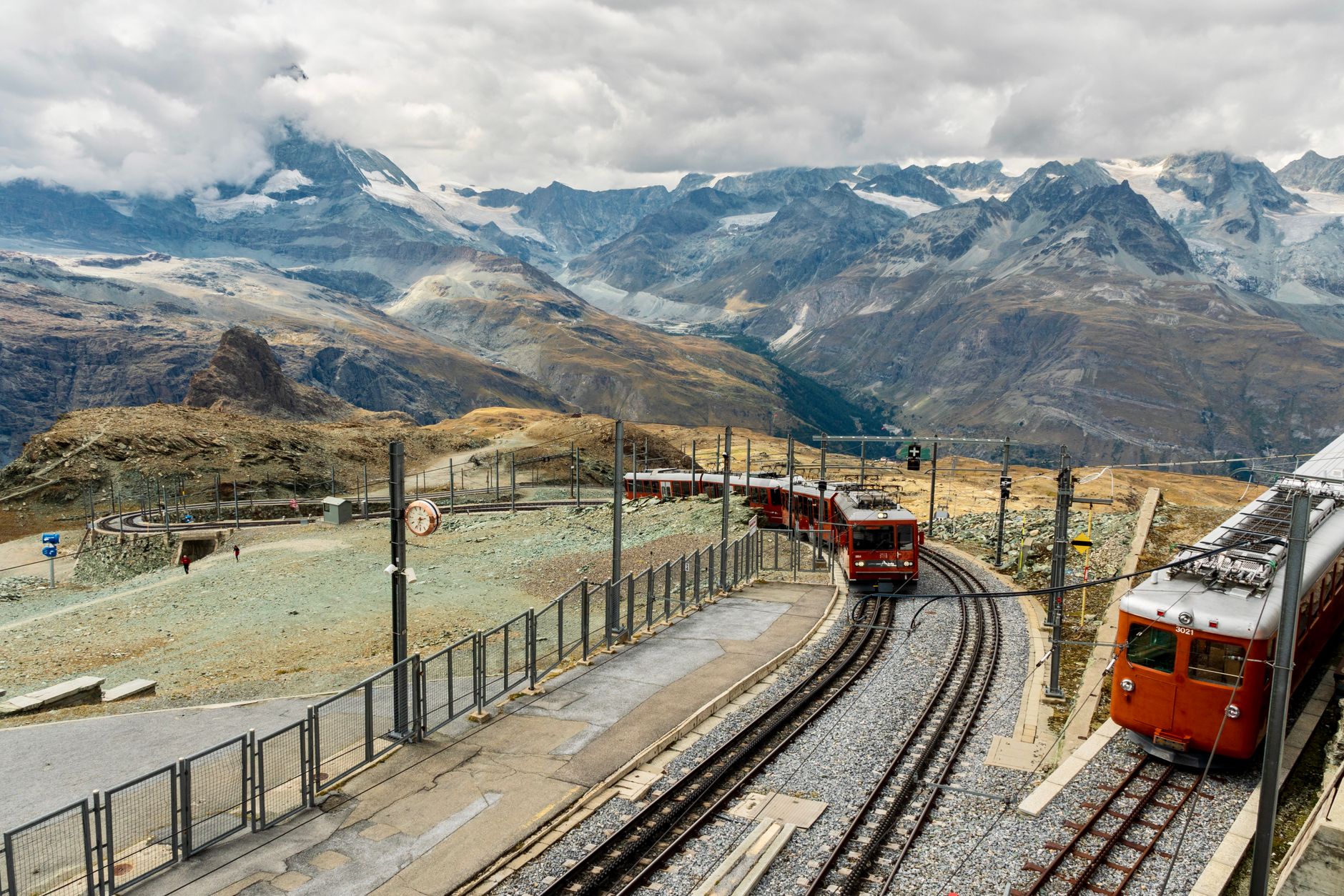
The solution emerged from the Abt central rack system, a technology that introduced an intermediate toothed rail into the track, upon which a cogwheel coupled to the locomotive engages. This mechanical coupling radically transformed high-mountain mobility. From its inauguration in the summer of 1898, the Gornergrat train became Switzerland’s first open-air electric rack railway, a milestone combining the hydraulic force of alpine torrents with electromechanical precision. The route not only shortened temporal distances but redefined the visual relationship between traveler and terrain, enabling a continuous ascent where previously only foot expeditions or mule rides were possible.
The geographic impact of the line immediately altered the Mattertal valley. Zermatt, until then dependent on a strictly agro-pastoral economy and early British mountaineers guided by locals, underwent an urban and demographic metamorphosis. Intermediate stations, such as Findeln and Riffelberg, were erected not only as technical points for crossing single-track convoys, but as sanctuaries of refuge and scientific observation. The railway infrastructure acted as a backbone uniting a territory hitherto fragmented by abysses and unexplored glaciers.
The Engineering of the Cogwheel and Alpine Electrification
Delving into the technical aspects of the Gornergrat railway requires understanding the physics of high altitude. At over three thousand meters above altitude, atmospheric pressure drops, temperatures plummet drastically, and meteorological elements—blizzards, avalanches, and sudden thunderstorms—test the resilience of materials. Swiss engineers designed a system where the central toothed rail bears the brunt of thrust and retention forces. During descent, the electric motor acts as a current generator, braking the convoy via electrical resistance and returning energy to the general grid, an energy sustainability principle already applied rudimentarily in the late 19th century.
The transition from steam traction to electricity in 1930 marked a definitive qualitative leap. Electric locomotives eliminated smoke and soot within fragile alpine ecosystems, while also reducing travel times and increasing load capacity. The tracks, firmly anchored to the rock via hand-carved granite foundations, withstand thermal variations of over forty degrees between the valley floor and the terminal station. Each winter, specialized maintenance teams clear the tracks with rotary snowplows, guaranteeing operational reliability that defies the harshest winter rigors.
This technical deployment has not remained static. Over recent decades, the carriage fleet has been completely renewed with low-floor units and large glass surfaces that maximize the panoramic experience. Yet the mechanical essence remains unaltered: the characteristic metallic sound of the cogwheel engaging the rack continues to be the undisputed soundtrack of this ascent. The synchrony between the machinist, automated signaling systems, and the millimetric reading of the gradient ensures railway operations function with the precision of a Swiss chronography, even when thick fog completely envelops the route.
The Changing Landscape: From Boreal Forest to High Tundra
The journey between Zermatt and Gornergrat constitutes one of Europe’s most intense lessons in botanical and visual geography. At an altitude of 1,620 meters, the departure station bids farewell to travelers amid dark wooden chalets and the constant murmur of the Vispa River. In the opening kilometers, the train winds through dense forests of larch and red spruce, where vegetation clings to steep slopes carved by ancient glaciers. Here, local fauna, comprising chamois and deer, observe the silent passage of electric convoys with familiarity earned over a century of coexistence.
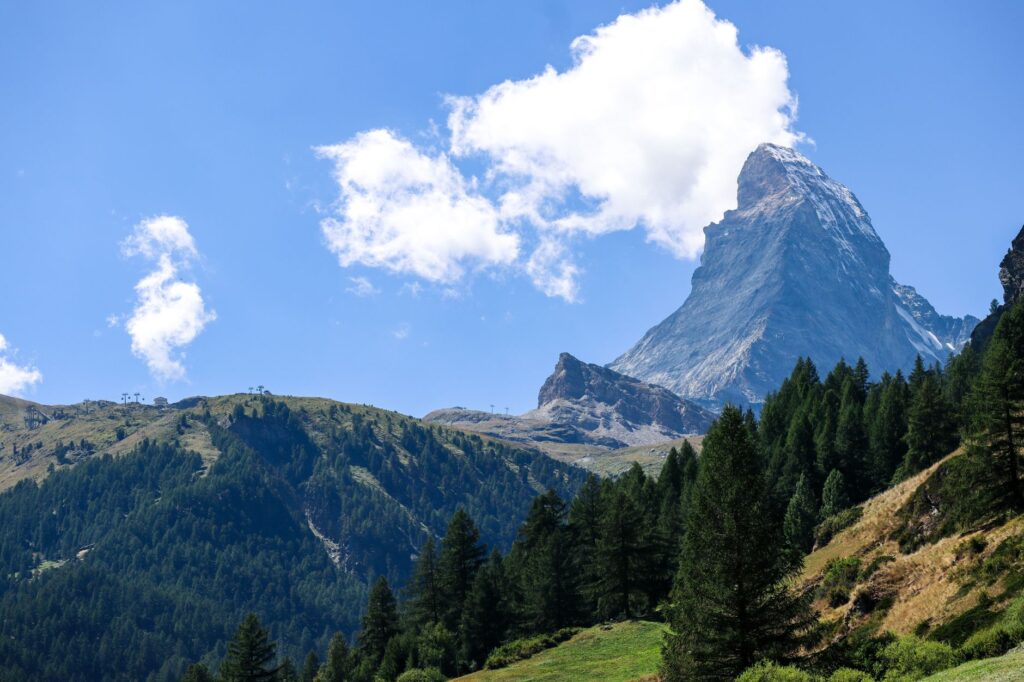
As altitude surpasses two thousand meters, trees yield ground to high alpine meadows, locally known as Alpweiden, where cattle graze during summer months feeding on rich, endemic flora. The plant landscape transforms into an alpine tundra dominated by lichens, mosses, and cold-resistant small flowers like the iconic edelweiss star. Views open vertiginously toward the valley, revealing the magnitude of glacial moraines and the grooves left by the secular retreat of ice masses.
In the final stretch, just before reaching the terminal, vegetation vanishes entirely, replaced by a desert of rock, scree, and perpetual snow. The train tracks wedge into grey granite slopes where wind blows with unusual force. It is in this phase of the journey that human scale dissolves before the geological monumentality of the Monte Rosa massif. Passengers, who minutes earlier conversed relaxedly in the climate-controlled interior, fall silent upon contemplating the white immensity unfurling beyond large panoramic windows, anticipating arrival at the colossal viewpoint.
Daily Life at High-Altitude Stations
Beyond its tourist function, the Gornergrat railway operates as a true umbilical cord for communities and infrastructure situated in the mountains. Stations like Riffelberg or Rotenboden are not mere boarding platforms; they house historic small hotels, meteorological stations, and scientific research centers. During winter, these enclaves transform into nerve centers for skiers and snowshoer practitioners, while in summer they welcome hikers traversing the high-altitude trail network.
The supply logistics for these facilities depend entirely on the train. Each morning, the day’s first convoys transport provisions, fuel, mail, and maintenance material necessary for the survival of high-altitude shelters and hotels. This invisible routine guarantees that the high mountains remain connected and functional without altering fragile environmental balance through massive use of combustion vehicles. Railway operators, true commuting inhabitants between valley and summit, know every meter of track, every unstable slope, and every caprice of alpine weather.
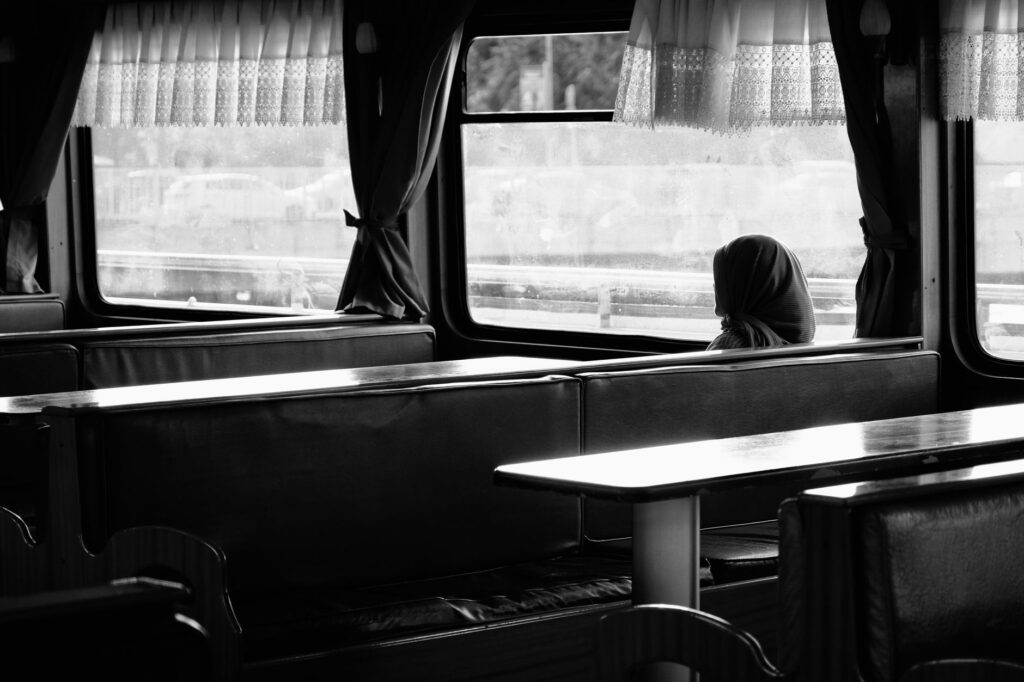
High mountains tolerate no improvisation; every steel sleeper and every gear on this line stands as testimony to respect and millimetric calculation facing the relentless force of alpine nature.
Likewise, the train plays a crucial role in evacuating lost or injured hikers, operating in coordination with aerial and terrestrial rescue services. The system’s reliability under adverse weather conditions makes it a vital lifeline when sudden storms block pedestrian access and helicopters cannot fly. This dual aspect, recreational and assistive, confers upon the line a profound social dimension within the Valais canton community.
Socioeconomic Impact on Zermatt and the Valley
The arrival of the railway in 1898 radically transformed the economy of the Mattertal valley. Zermatt evolved from a remote agricultural settlement into one of the most exclusive and visited tourist destinations on the planet. However, unlike other winter sports centers that suffered unchecked urban development, Zermatt successfully integrated massive visitor influx thanks to a historical restriction: the total ban of internal combustion vehicles within its urban core. From Zermatt station, passenger and freight transport is executed exclusively via small electric vehicles and horse-drawn carriages.
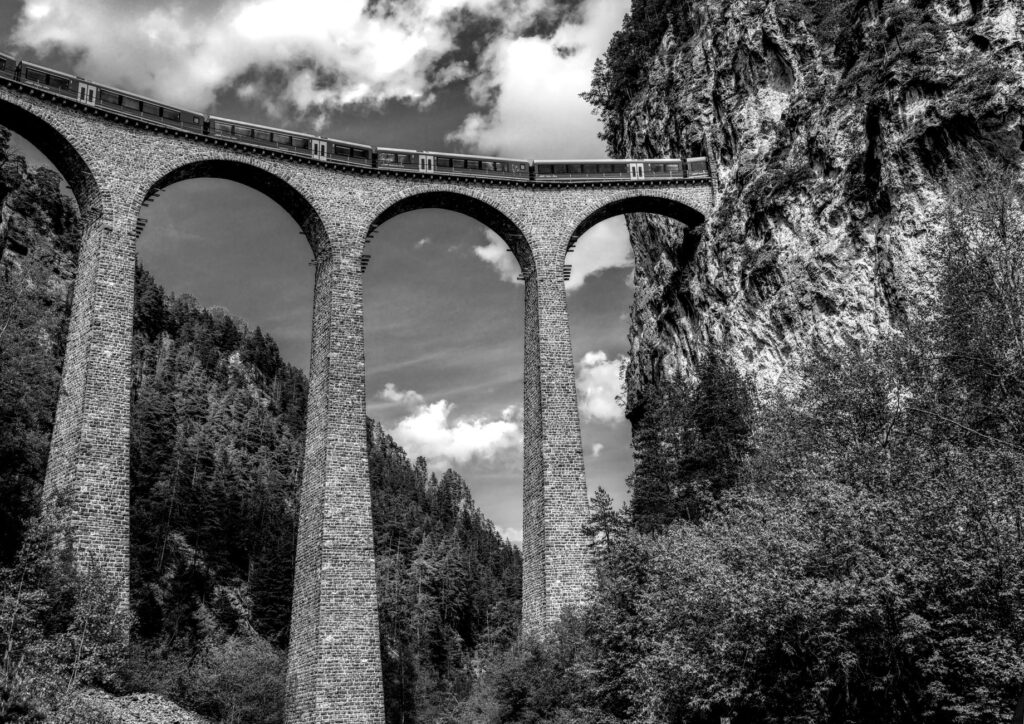
This integrated mobility model has turned the region into a global benchmark for sustainable tourism. The Gornergrat train acts as the central node of an intermodal public transport system connecting fluidly with regional Matterhorn Gotthard Bahn railways. Local residents and visitors share identical infrastructure, drastically reducing carbon footprint and preserving alpine air purity. Railway company management prioritizes energy efficiency and landscape conservation over unbounded transport capacity expansion.
Nonetheless, this resounding success poses complex contemporary challenges. Managing tourist flows during peak summer and Christmas holiday seasons demands millimetric planning to prevent congestion of convoys and the Gornergrat summit itself. Local authorities and rail operators collaborate closely in developing dynamic pricing and advance reservation systems distributing passenger influx throughout the day, guaranteeing a respectful experience for both visitor and fragile natural environment.
The Scientific Observatory and the Gornergrat Summit
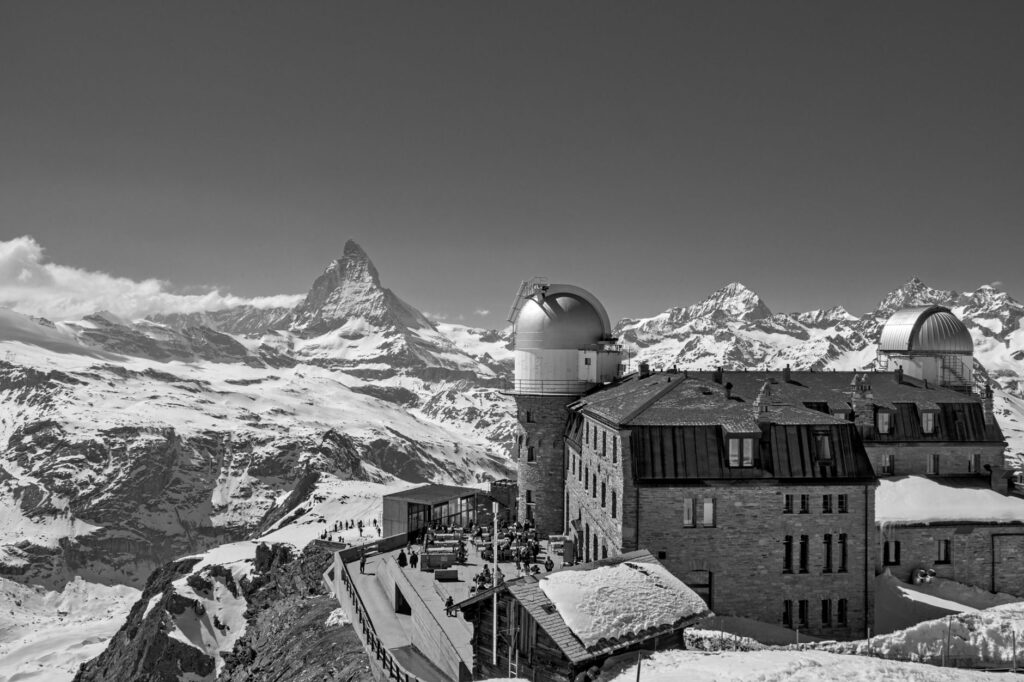
At 3,089 meters of altitude, the Gornergrat terminal station crowns a rocky spur offering unparalleled panoramic views of twenty-nine peaks exceeding four thousand meters, including the imposing Matterhorn, Liskamm, and Monte Rosa, Switzerland’s highest summit. Yet the value of this enclave far surpasses scenic appeal. Within the twin domes of the Scientific Observatory situated next to the station, multidisciplinary researchers study Earth’s atmosphere, cosmic radiation, and surrounding glacier dynamics.
The accessibility provided by the train has been decisive for alpine science development. Transporting heavy measuring equipment, telescopes, and specialized personnel to this altitude would have been prohibitively costly without railway infrastructure capable of hauling tons of weight regularly. Data compiled at Gornergrat for over a century constitute fundamental baseline information for understanding global climate change, evidencing accelerated retreat of the Gorner and Findelen glaciers amid sustained global temperature rises.
For travelers arriving at the summit, the experience combines aesthetic contemplation with scientific revelation. Wooden walkways built over rock allow walking without altering fragile high-mountain vegetation cover, connecting the station to the highest hotel in the Swiss Alps. On clear days, sunlight reflecting off eternal snows floods the horizon with blinding light, reminding visitors of the fragility and immensity of an alpine world surviving thanks to the delicate balance between respectful human presence and nature’s grandeur.
Practical Guide
Planning the ascent to Gornergrat requires attending to essential logistical recommendations to guarantee an optimal and safe high-mountain experience.
- Starting Point: The main station is located in Zermatt, a fully pedestrianized village accessible exclusively via Matterhorn Gotthard Bahn trains from Täsch (where private vehicles must be parked).
- Journey Duration: The rack railway journey takes approximately 33 minutes each way, covering a distance of 9.3 kilometers and overcoming an elevation gain of 1,469 meters.
- Ticketing and Reservations: It is highly recommended to purchase tickets in advance via the official digital platform, especially during peak summer season and central winter weeks, to secure desired departure times.
- Acclimatization and Health: At over 3,000 meters altitude, lower oxygen pressure may induce mild dizziness or fatigue in unacclimatized individuals. Walking slowly and staying hydrated during the viewpoint visit is advised.
- Appropriate Attire: Even in summer months, summit temperatures at Gornergrat can drop below freezing due to wind. Layered clothing, windbreakers, UV-protected sunglasses, and slip-resistant footwear are essential.
- Connectivity and Services: The terminal station features a visitor center, shops, panoramic restaurants, and accessible facilities for reduced mobility. Mobile phone coverage is available across virtually the entire route.
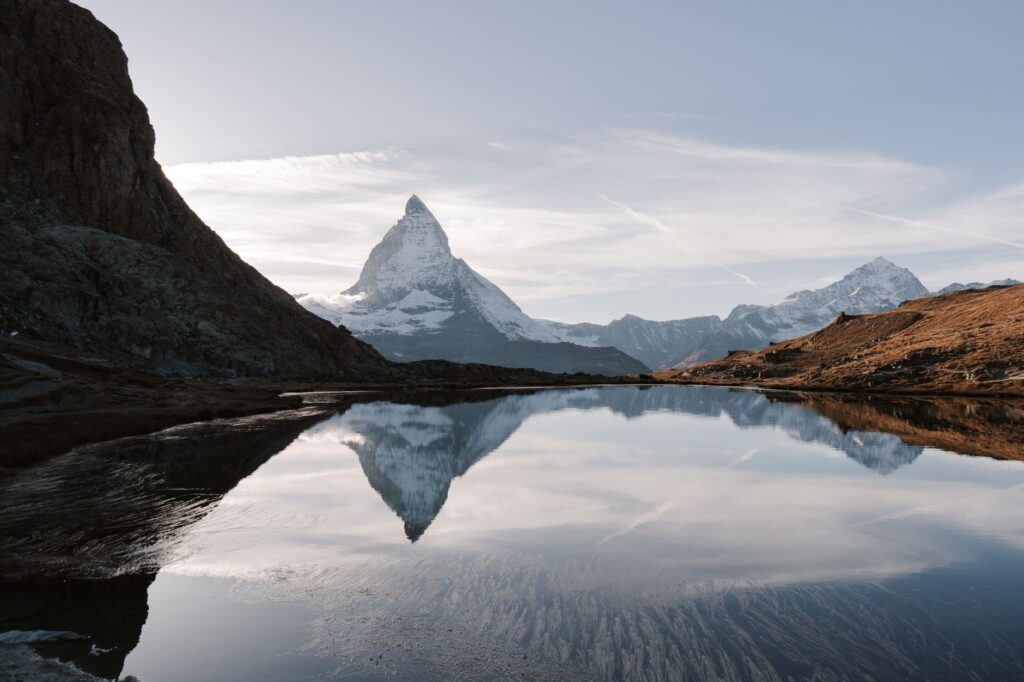
- Complementary Activities: During summer, descending on foot along marked trails from intermediate stations like Rotenboden—famous for the Matterhorn reflection in the Riffelsee lake—is possible. In winter, the area offers sledding tracks and marked winter hiking paths.
Epilogue at the Summit’s Phantom Station
When the afternoon’s final train embarks on its descent toward Zermatt’s warm lights, absolute silence reclaims its empire over the Gornergrat summits. The imposing silhouette of the Matterhorn dyes deep violet under the setting sun’s final rays, a chromatic spectacle old mountain guides contemplated with reverent respect. In that suspended pause between sky and rock, the centennial engineering of the rack railway reveals its true purpose: not conquering the mountain, but building a fragile, secure bridge between human wonder and glacial eternity.
The railway is not a scar upon the alpine landscape, but the guiding thread of shared memory where steel and stone converse in silence with Europe’s loftiest peaks.