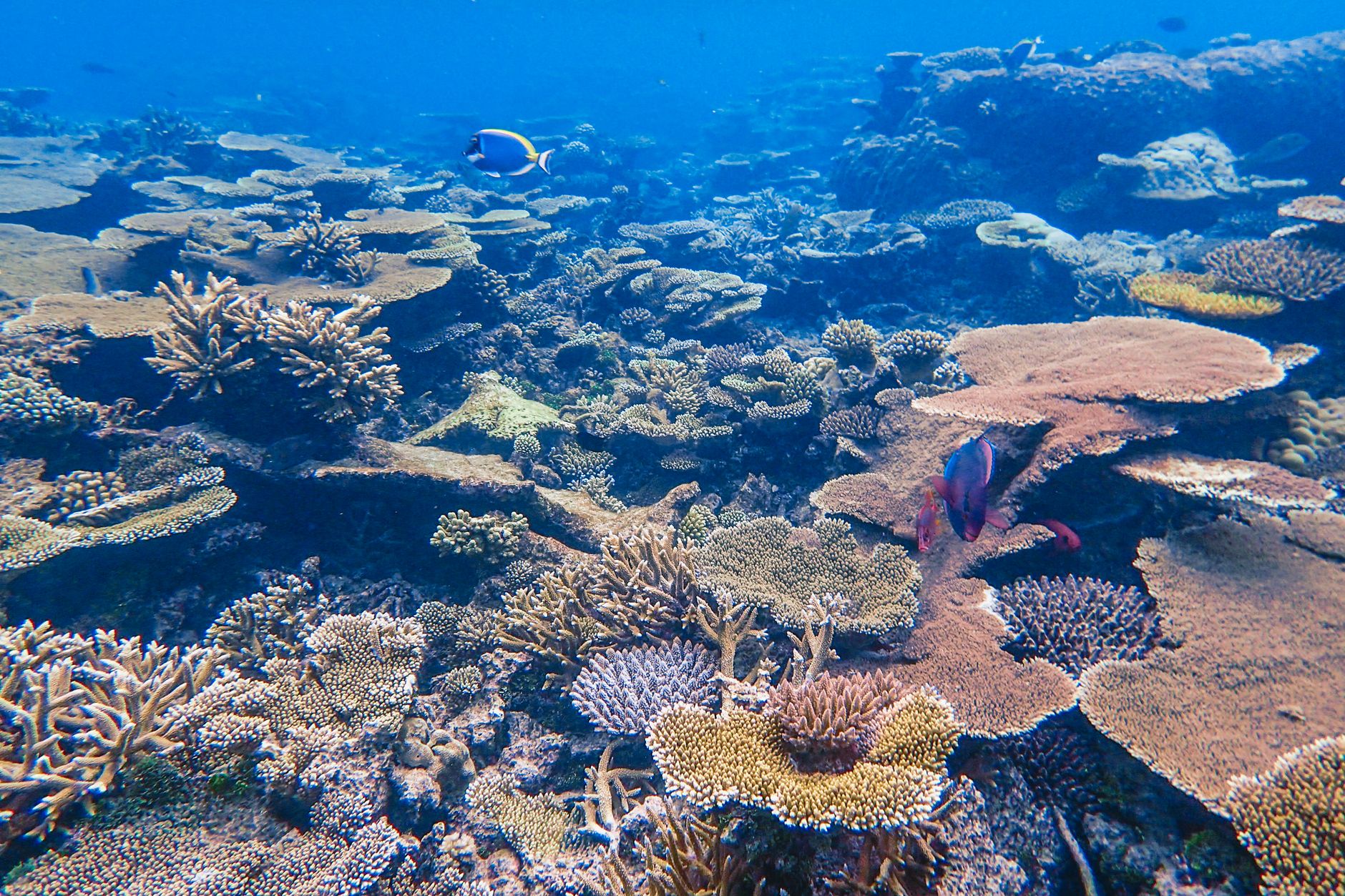

Submerged architecture in the heart of the Indian Ocean
Ari Atoll, situated in the western region of the Maldives, represents one of the most dynamic and complex reef complexes on the planet. Beneath the surface of its turquoise waters lies a geological labyrinth where marine life finds its utmost expression. Fire corals, belonging to the genus Millepora, dominate the crests exposed to ocean currents, forming calcareous structures that defy the violence of the monsoons. Unlike true corals, these organisms are colonial hydrozoans, distant relatives of jellyfish, equipped with a network of nematocysts capable of inflicting a severe sting on anyone disturbing their golden, branching surfaces.
This investigation explores the ecological dynamics that enable the survival of these formations in a context of accelerated climate change. The Maldives, with an average elevation barely exceeding a meter and a half above sea level, are extremely vulnerable to rising global temperatures. Ari Atoll acts as an exceptional natural laboratory where oceanographers and marine biologists monitor reef resilience against recurring coral bleaching events. Through technical dives along the vertical walls of the outer channels, it is possible to document how tidal currents transport essential nutrients supporting this complex trophic web.
Oceanic dynamics and the pulse of monsoon currents
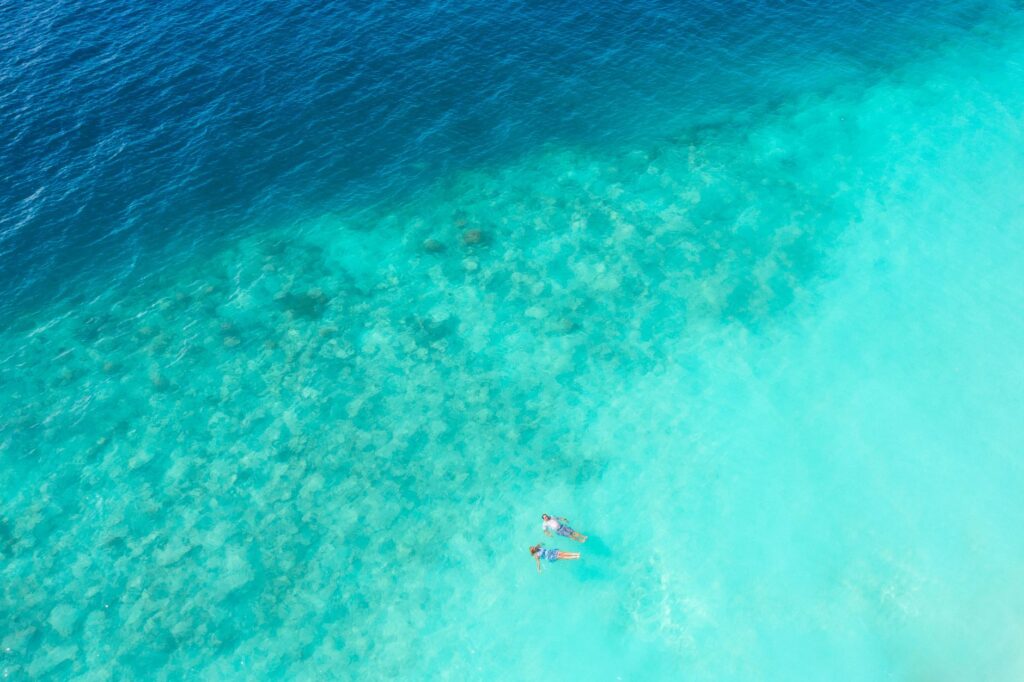
The waters surrounding Ari Atoll are governed by the monsoon regime, an atmospheric phenomenon that reverses ocean current directions biannually. During the northeast monsoon, known as Iruvai, the waters of the Indian Ocean turn crystalline and stable, favoring sunlight penetration down to thirty meters depth. This clarity is vital for symbiotic algae, known as zooxanthellae, inhabiting the tissues of many reef organisms and providing energy via photosynthesis. Nevertheless, fire corals largely depend on their ability to capture plankton directly from the water column using tiny polyps.
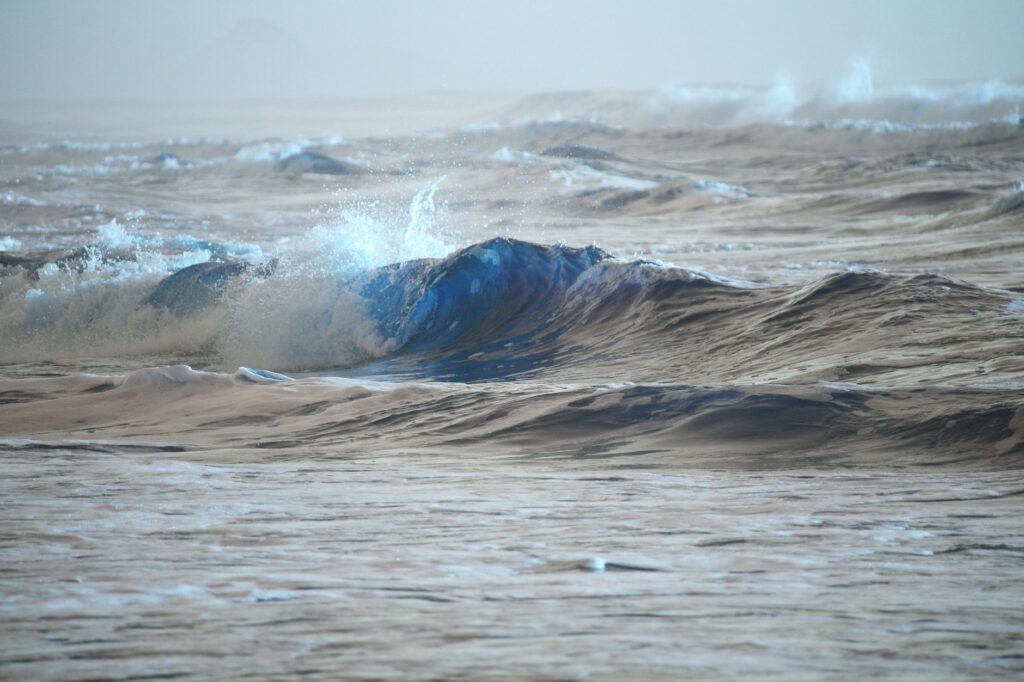
In contrast, the southwest monsoon, called Hulhangu, brings strong winds, torrential rains, and a notable increase in marine turbulence. Far from being an obstacle to life, this agitation is essential to renew water masses and prevent the accumulation of extreme heat over shallow reefs. Upwelling currents penetrating through the atoll channels introduce deep waters rich in nitrates and phosphates, fueling the base of a food web ranging from clownfish and hawksbill turtles to large pelagics like whale sharks and nurse rays.
The reef is not a static monument, but a fluid frontier where the physics of ocean currents sculpts every centimeter of living stone.
Demographics and distribution of hydrozoans on outer walls
The spatial distribution of Millepora in Ari Atoll responds to strict patterns of hydrodynamism and hard substrate availability. Submarine censuses conducted by local research stations indicate that the most extensive colonies concentrate on the upper edges of drop-offs, where wave energy is at its peak. This preferential location is no coincidence: the constant water flow guarantees an uninterrupted supply of oxygen and food particles, while preventing excessive sedimentation that could suffocate polyps.
Recent demographic studies have demonstrated that the growth rate of these hydrozoans can reach several centimeters per year under optimal temperature and salinity conditions. However, their structure is exceptionally fragile against mechanical impacts, whether from illegal anchoring of recreational vessels or the passage of increasingly intense tropical cyclones. Fragmentation is the species’ primary asexual reproduction method; chunks torn away by wave force can adhere to the surrounding seabed and give rise to new, genetically identical colonies, ensuring the territorial continuity of the reef.
The impact of global warming and the bleaching crisis
The greatest challenge facing the Ari ecosystem lies in anomalous spikes in sea surface temperature, a phenomenon directly linked to anthropogenic greenhouse gas emissions. During summers marked by intensified El Niño events, Maldivian waters experience thermal peaks exceeding thirty degrees Celsius for prolonged weeks. This thermal stress breaks the symbiotic relationship between organisms and their energy sources, triggering the mass expulsion of pigments and exposing whitish calcium skeletons.
Unlike scleractinian corals, fire corals display slightly higher tolerance to extreme thermal fluctuations, although they are not immune to mass mortality. Coral cover analyses conducted after recent global crises reveal that Millepora populations have suffered notable declines in the shallowest zones of interior lagoons, where water remains stagnant and accumulates heat more easily. The consequences of this degradation extend beyond landscape loss, drastically affecting natural coastal protection against wave-induced erosion.
Restoration strategies and the role of local communities
Faced with the evident vulnerability of Maldivian reefs, various scientific organizations and resorts have implemented underwater coral nurseries to accelerate the recovery of degraded areas. These metal mesh structures, suspended over sandy bottoms, house rescued fragments from broken colonies growing under the supervision of marine biologists before being transplanted to natural drop-offs. Although initiatives primarily focus on stony corals, including resilient hydrozoans in experimental programs is yielding encouraging results in terms of three-dimensional coverage.
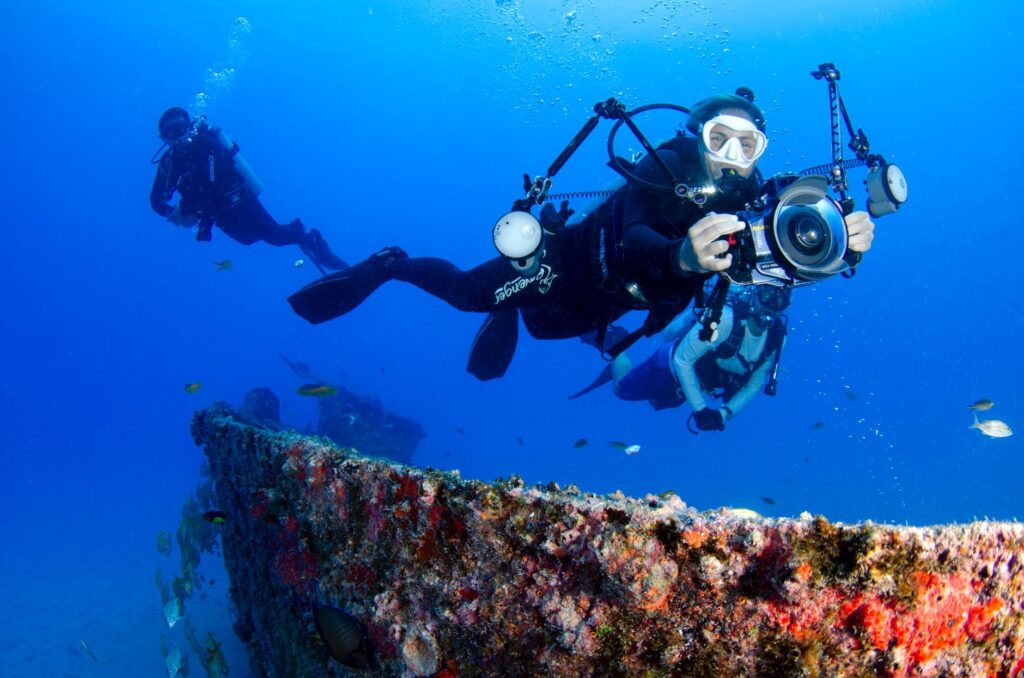
Concurrently, the Maldivian government has promoted the establishment of marine protected areas in strategic sectors of Ari Atoll, restricting commercial fishing and uncontrolled anchoring at points of highest biological richness. Raising awareness among local communities and recreational dive operators is fundamental to ensure compliance with these environmental regulations. Ecotourism based on respectful observation of marine fauna has solidified as a key economic tool demonstrating that reef preservation generates greater long-term benefits than intensive exploitation.
Scientific monitoring and technology in service of the benthos
Continuous assessment of reef health in the archipelago has evolved from traditional visual observation methods to state-of-the-art technology deployment. Today, research teams employ autonomous underwater vehicles and multispectral cameras to map the temporal evolution of fire coral colonies with millimeter precision. These devices enable the early detection of physiological stress indicators before bleaching is visible to the naked eye, optimizing environmental managers’ response capacity.
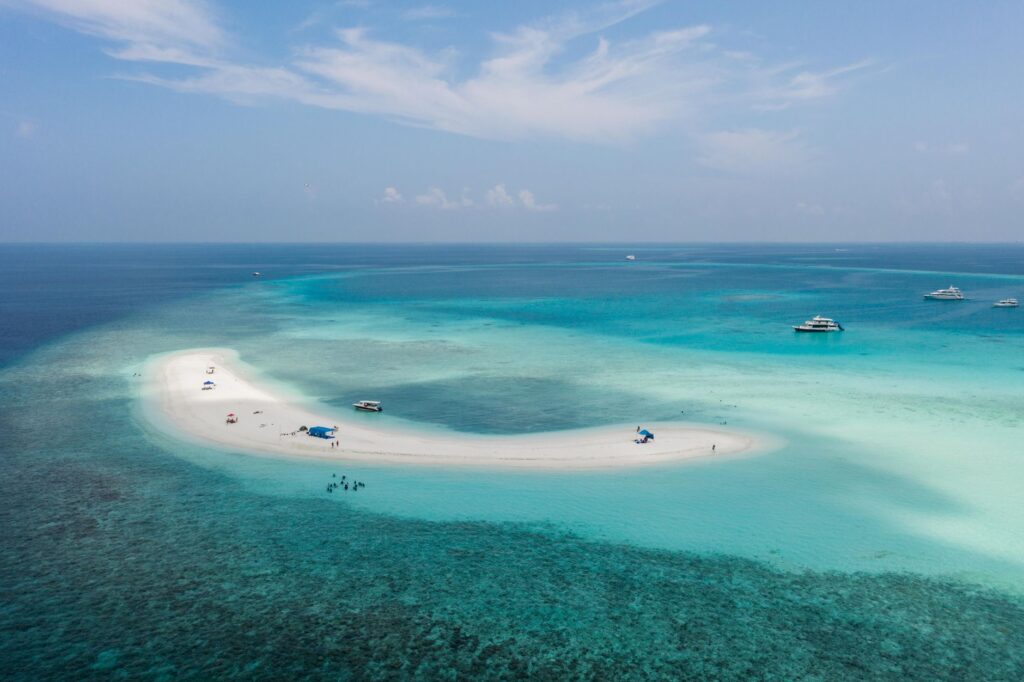
Likewise, tissue sample collection for environmental DNA analysis is shedding light on genetic diversity among populations in the Indian Ocean. Data suggest the existence of strains adapted to wider thermal ranges, opening a window of hope regarding the evolutionary capacity of these organisms in the face of climate change. International cooperation between European and Asian university centers facilitates data exchange and the development of predictive models anticipating current behavior and thermal impacts on fragile insular ecosystems.
Protecting the depths of Ari is not an exercise in aesthetic nostalgia, but a geophysical urgency to guarantee the territorial viability of the entire archipelago.
Practical guide
How to get there: Primary access to Ari Atoll is through Velana International Airport in Male. From there, travelers can connect to the atoll via seaplanes operated by local carriers or through long-distance public ferries and private speedboats operating on schedules subject to weather conditions.
When to travel: The period between December and April (dry season or Iruvai) offers the best underwater visibility conditions and lowest storm incidence, ideal for technical diving and scientific photography.
Entry requirements and health: A passport with a minimum validity of six months, a return ticket, and prior online traveler declaration completion before arrival are required. Comprehensive travel insurance covering deep underwater activities is essential.
Reef code of conduct: Touching any marine organism, wearing gloves during recreational dives, extracting coral fragments, or using sunscreens containing oxybenzone—chemical compounds highly toxic to polyps—is strictly prohibited.
Silences of stone and salt on the threshold of the abyss
Sunset over the waters of Ari Atoll dissolves the horizon line into a diffuse gradient of ochre and violet tones, while the marine surface recovers apparent calm after the day’s hustle. Beneath the keels of vessels anchored in the channels, fire coral colonies continue their millennial labor in absolute darkness. These calcium ramparts, battered by tides and challenged by the oceans’ thermal rise, sustain the fragile architecture of an insular world hanging on natural equilibrium. Observing the pulse of these organisms from the deck of a sailboat invites profound reflection on human responsibility in preserving marine abysses. The survival of the Maldives depends not solely on international climate diplomacy, but on collective capacity to listen to and respect the fragile language of living stone before definitive silence claims the reefs.