A New Perspective on Contemporary Travel in Southeast Asia
Malaysia’s tourism landscape is undergoing a silent yet profound transformation, where mobility and the preservation of cultural heritage converge into new platforms of expression. Gone are the days when industrial brands limited themselves to mere commercial exposure at trade shows and exhibitions; today, the automotive sector and the cultural fabric engage in a dynamic dialogue that redefines how travelers experience the territory. The strategy known as Travel+ emerges as a catalyst that transcends the traditional concept of displacement, turning travel into a vehicle for identity immersion by integrating mass events, textile traditions, and heritage exploration routes into a cohesive ecosystem.
This phenomenon does not arise in a vacuum, but rather in response to a growing demand for authenticity from domestic and international visitors. Recent participation in landmark events such as the Sarong Music Run illustrates how corporations seek to root themselves in the local social fabric, supporting celebrations that highlight traditional attire, indigenous music, and community cohesion. Through this analysis, we will explore how the synergy between mobility and culture is redesigning Malaysia’s tourism map, offering new interpretive keys for the contemporary traveler seeking to understand the country’s complex social architecture.
The Pulse of Tradition: The Sarong Music Run as an Identity Phenomenon
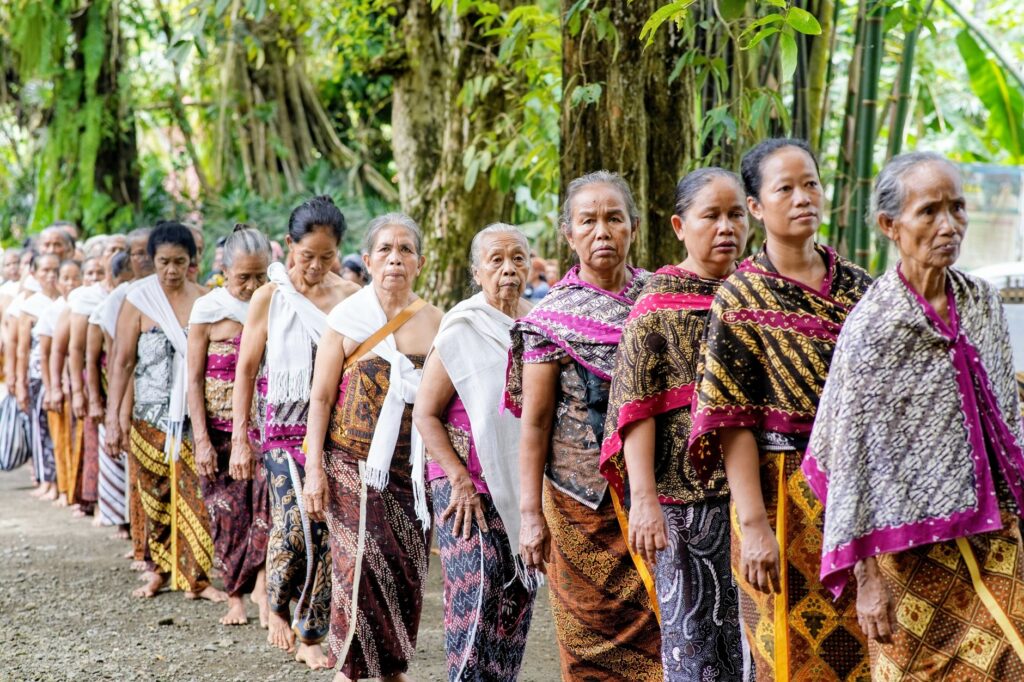
The Sarong Music Run has established itself far beyond a simple athletic competition; it represents a living manifestation of Malay heritage pride. The sarong, an ancestral garment woven with intricate patterns that vary by region and ethnic heritage—Malay, Chinese, Indian, and the indigenous peoples of Borneo—becomes a banner of unity in diversity here. By gathering thousands of participants dressed in this traditional fabric to the rhythm of live music, the event generates a space for intergenerational convergence where Malaysia’s material history comes into motion.

To understand the magnitude of this initiative, it is necessary to observe how mobility brands have chosen to support such cultural platforms. By joining as primary sponsors, these entities not only gain visibility but assume an active role in safeguarding and disseminating cultural expressions that might otherwise dilute in the tide of globalization. The long-term commitment to local culture translates into financial and logistical support that enables organizers to scale the impact of their proposals, attracting a tourist audience that values active and responsible travel.
Culture is not a static backdrop for the traveler, but a river in constant motion that demands respect, participation, and temporal continuity.
Architecture in Motion and the Transformation of Touristic Mobility
The concept of travel in Malaysia is intimately linked to the diversity of its infrastructure and modes of transport, ranging from scenic trains traversing the highlands of Cameron to traditional riverboats in the waterways of Sarawak. The implementation of comprehensive travel philosophies seeks to connect these neuralgic points with a unified narrative. When a visitor tours the peninsula or ventures into Borneo, the travel experience ceases to be a mere logistical formality and becomes the core of the tourism adventure.
Secondary roads and coastal routes thus transform into open-air galleries where the vernacular architecture of wooden stilt houses coexists with the modernity of major cities like Kuala Lumpur or Penang. The commitment to vehicles designed for extended exploration responds to a global trend: the rise of the traveler who prioritizes autonomy and depth over express mass tourism. This technical and conceptual evolution facilitates access to rural communities that were previously left on the margins of traditional commercial circuits.

Textile Heritage and Living Memory in Southeast Asia
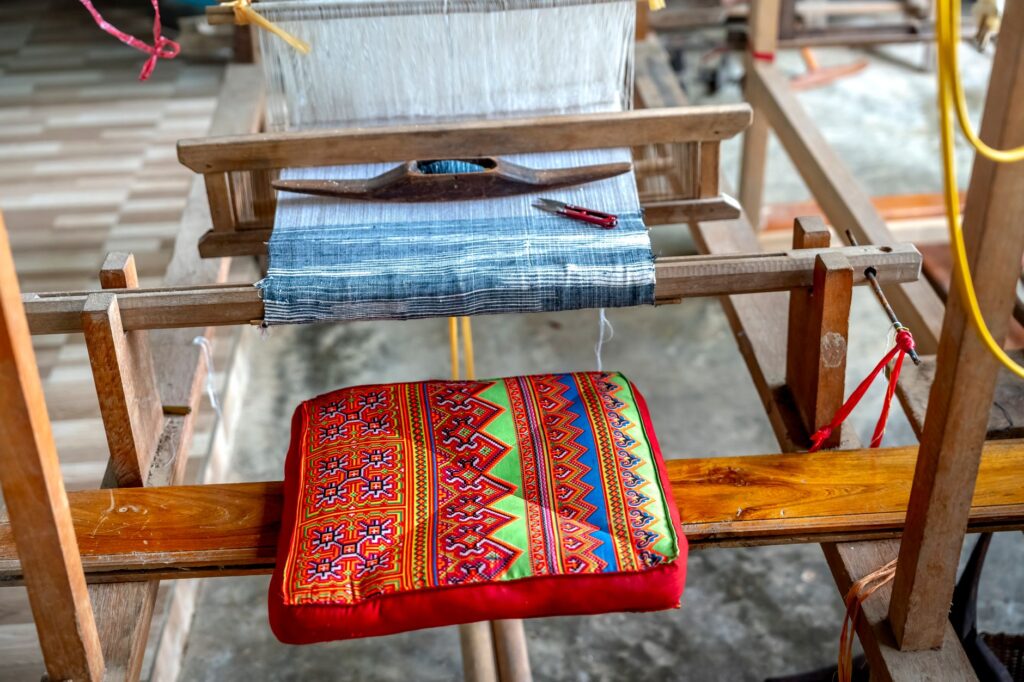
The study of traditional attire in Malaysia reveals an invisible cartography of commercial and historical influences. Batik, with its hand-applied waxes and floral or geometric motifs, and songket, woven with gold and silver threads, are material testimonies of centuries of maritime exchange across the Strait of Malacca. Events like themed races celebrating these garments act as dynamic showcases that educate both locals and foreigners on the technical complexity and spiritual symbolism enclosed within every single thread.
Craft workshops located in states like Kelantan and Terengganu are experiencing renewed interest thanks to the influx of more informed cultural tourism. Visitors no longer seek mass-produced souvenirs, demanding instead to know the traceability of products and the faces of the artisans. Artisanal authenticity stands as the new luxury in the travel sector, compelling institutions and partnering corporations to foster sustainable tourism policies that protect traditional know-how against decontextualized cultural appropriation.
Socioeconomic Impact on Host Communities
Any transformation in a destination’s tourism strategy must be measured by its ability to equitably benefit local communities. In Malaysia, the decentralization of tourism flows toward rural and semi-urban areas is one of the greatest challenges and opportunities of the past decade. Initiatives combining major corporate sponsorships with grassroots community festivals decentralize tourist spending, allowing small businesses, family-run lodgings, and local guides to capture a fair share of the visitor economy.
This collaborative model fosters economic resilience against unforeseen crises, diversifying income sources beyond traditional agriculture or heavy industry. However, experts warn of the need to maintain rigorous balance to avoid overtourism in sensitive ecological and cultural enclaves. Carrying capacity regulation and prior consultation with community councils are essential tools to ensure that tourism development preserves the dignity and well-being of residents.
Toward a New Paradigm of Conscious and Collaborative Tourism
The horizon of tourism in Malaysia points toward greater integration between technology, environmental respect, and cultural valuation. The transition from one-off sponsorships to long-term commitment strategies marks a shift in maturity regarding the relationship between the private sector and national heritage. Today’s travelers are increasingly discerning, demanding transparency, coherence, and a net positive impact on the destinations they choose to explore.
This new paradigm requires both brands and tour operators to act as temporary custodians of the territory. The promotion of routes combining automotive exploration with participation in community festivals demonstrates that economic invigoration is possible without eroding local identity. The challenge lies in keeping that flame of respectful curiosity alive, ensuring every journey serves as a bridge for intercultural understanding rather than a mere consumer statistic.
Traveling with purpose means accepting that we are guests in foreign lands whose history deserves to be heard with humility before being photographed.
Practical guide
How to get there: Kuala Lumpur International Airport (KUL) is the country’s main air hub, offering direct flights from major European, Asian, and Oceanian capitals.

Best time to visit: Peninsular Malaysia enjoys a tropical climate year-round, though the west coast (Kuala Lumpur, Penang) is ideal from November to April, while the east coast and Borneo experience better weather between May and October.
Recommended transport: For a complete and flexible immersion along secondary roads, vehicle rental is highly recommended. An international driving permit is required, and visitors must adapt to left-hand traffic.
Accommodation: It is advisable to alternate between urban boutique hotels in historic centers and rural lodgings managed by local communities (homestay programs).
Cultural etiquette: When visiting mosques, temples, and rural communities, it is essential to dress modestly by covering shoulders and knees, and to remove footwear before entering homes and sacred spaces.
Emotional Epilogue: The Echo of Footsteps in Ancient Lands
At dusk, when golden light bathes the rooftops of heritage shophouses in Penang and city murmurs soften, a persistent feeling remains that travel is, at its most intimate core, an exercise in shared memory. The footprints left on asphalt by thousands of runners draped in sarongs will resonate long after the music’s echoes fade. In that evening silence, amid spicy aromas and the serene flow of the river, Malaysia reveals its true face: an infinite tapestry where every traveler, if observant enough, leaves a piece of their soul and takes away the eternal heartbeat of a country constantly reinventing itself.
Source in EN: EIN Presswire