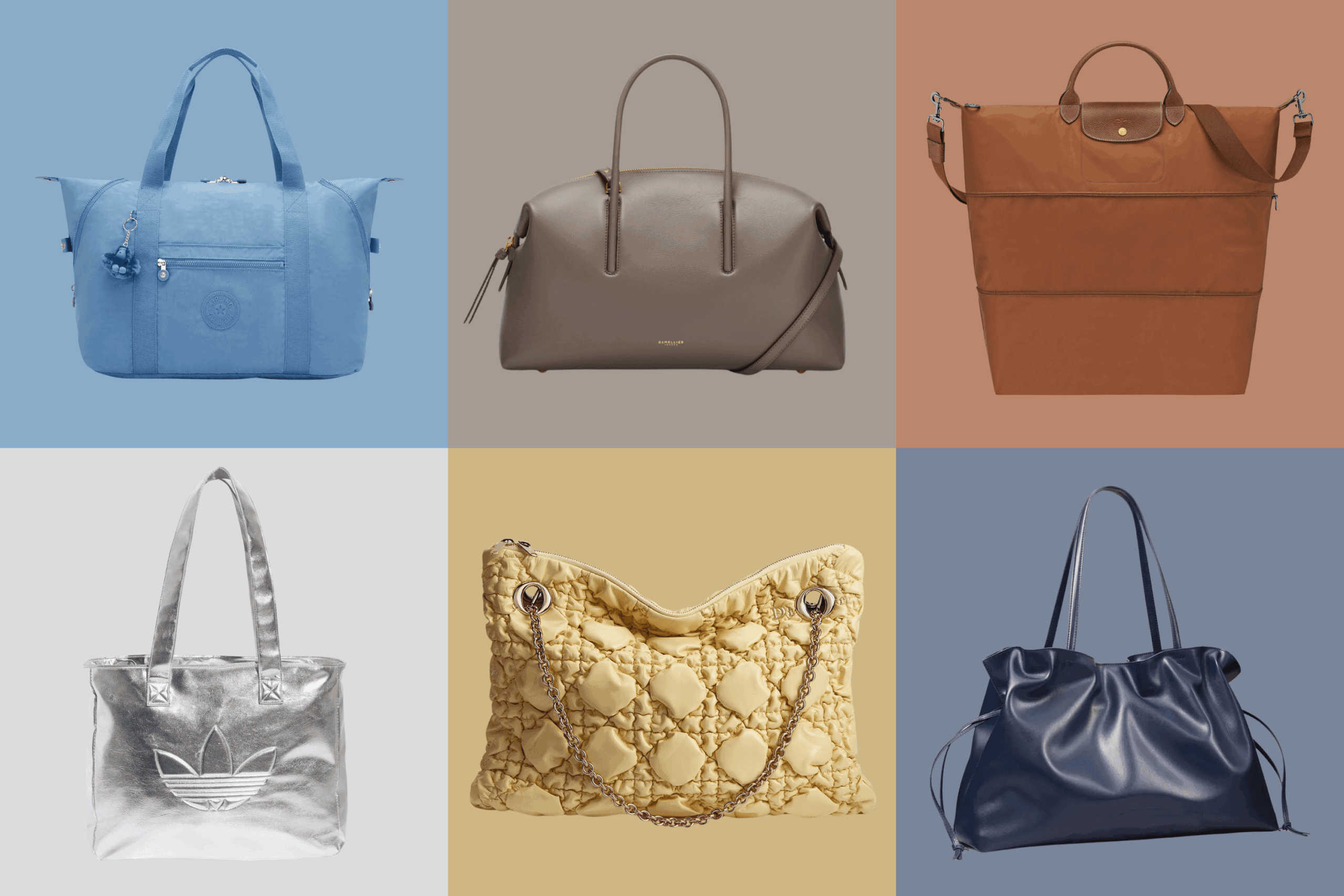

The art of traveling light has undergone a silent yet profound transformation in recent years. While hard-shell suitcases and technical backpacks still serve their purpose on long journeys, a new protagonist has claimed the throne of versatility for daily commutes, urban explorations, and short getaways: the tote bag. Far from being the simple, ephemeral promotional giveaway it once was, this open-top bag with generous handles has been reinvented by leather workshops and independent designers into a sophisticated object of desire. The modern traveler seeks solutions that effortlessly bridge the gap between the formality of a business meeting and the spontaneity of wandering through a historic city center, and it is precisely in this delicate balance that the structured fabric bag proves its undeniable superiority.
Analyzing this phenomenon involves understanding how our relationship with carry-on luggage has evolved. Restrictive airline policies, the need for quick access to electronic devices, and the desire to maintain an impeccable aesthetic profile have pushed rigid, heavy bags into the background. The tote bag responds to a philosophy of mobility where lightness is the absolute priority. It is not merely about moving items from one point to another, but doing so with a fluidity that eliminates the friction of modern transit. Every material, from the densest organic cotton to vegetable-tanned calfskin, tells a story of endurance and adaptability.
The Evolution of the Utilitarian Accessory into High Leather Goods
The origin of the tote bag dates back to the mid-20th century, when North American brands began marketing heavy canvas bags specifically designed for transporting ice and firewood. Their legendary durability caught the attention of bookstores, museums, and eventually, major fashion houses. Today, luxury labels have elevated this utilitarian format to the category of collectible pieces, incorporating waterproof linings, padded laptop compartments, and security closures that deter pickpockets without sacrificing accessibility.

This metamorphosis is no accident. The pace of modern travel demands accessories that do not require excessive upkeep yet maintain their aesthetic dignity after hours of hustle in airports, high-speed trains, and unfamiliar metropolises. Contemporary designers understand that today’s traveler values both durability and the subtlety of clean lines. A good transport bag must withstand the weight of a camera, a long-format novel, a reusable water bottle, and a lightweight sweater without losing its original silhouette or deforming in an unappealing way.
Materials That Withstand the Test of Time and Borders
The choice of fabric completely shapes the user experience of a tote bag during a journey. While high-density cotton canvases and nautical-inspired technical fabrics offer unbeatable lightness and the advantage of folding flat at the bottom of a main suitcase, leather versions provide a formal presence that is indispensable for business trips or cultural city breaks. The key lies in identifying the primary purpose of the trip before selecting the material that will accompany us.

Natural fibers such as heavy linen and waxed cotton develop a fascinating patina that evolves with use, accumulating visual memories of every destination visited. On the other hand, cutting-edge synthetic materials, often derived from recycled ocean plastics, offer excellent water-repellent resistance that protects travel documents and technology against unexpected weather. Durability thus becomes an argument for sustainability, steering consumers away from the planned obsolescence that often characterizes seasonal accessories.
Ergonomics in Motion: Handle Design and Interior Layout
A common mistake when choosing a travel bag is underestimating the importance of ergonomic engineering. Handles that are too short prevent the bag from resting comfortably over the shoulder when wearing a heavy winter coat, while excessively long ones cause the base to constantly bump against the knees while walking. The best pieces on the current market feature medium-height handles with X-shaped reinforced stitching, ensuring that high-stress points support heavy loads for miles without deterioration.
Internally, the eternal dichotomy between minimalist single-compartment design and meticulous compartmentalization finds various solutions. Frequent travelers usually lean toward models that include at least one zippered side pocket for documentation and keys, avoiding the dreaded moment of searching for a passport at the bottom of the bag while the boarding queue advances. Content visibility and ease of extraction are decisive factors in reducing stress at security checkpoints and check-in counters.

True elegance in travel consists of carrying only what enriches the experience, housed in a vessel that honors craftsmanship and simplicity.
Urban Versatility: From Passenger Terminal to Signature Restaurant
One of the greatest virtues of the contemporary tote bag is its chameleon-like ability to integrate into radically opposite contexts within the same itinerary. It is entirely feasible to use it as primary cabin luggage during a morning flight, transform it into the ideal container for maps, guidebooks, and sunscreen during afternoon walks through museums and historic neighborhoods, and keep it as an elegant, discreet accessory for dinner at a fine-dining restaurant as night falls.
This multifunctionality drastically reduces the need to carry multiple bags inside a suitcase, freeing up valuable space for souvenirs and additional clothing. The absence of rigid metal structures allows the bag to compress easily, adapting to the available space under the forward aircraft seat or in overhead train racks. It is the perfect response to the complexity of modern tourism, where agility and responsiveness to sudden itinerary changes are the most prized assets.
Sustainability and Conscious Consumption in Luggage
The rise of the tote bag also reflects a profound shift in traveler awareness regarding the environmental impact of their choices. Faced with single-use plastic bags that still plague numerous international destinations, carrying a sturdy, reusable bag is a statement of principle. The industry’s most avant-garde brands prioritize transparent supply chains, certified organic cotton, low-impact dyes, and fair-trade practices that guarantee living wages for the artisans responsible for their manufacture.

Investing in a high-quality piece crafted under ethical premises not only ensures a longer product lifespan but also supports local economies and traditional workshops that preserve ancestral sewing and leather-working techniques. The contemporary traveler understands that every purchase is a vote in favor of an industrial model that is more respectful of the planet and its inhabitants, integrating ethics into every aspect of their gear.
Practical guide
To select and maintain the perfect tote bag for your upcoming journeys, keep the following recommendations in mind, based on professional travel standards:

- Capacity and Empty Weight: Opt for models weighing under 500 grams when empty to prevent shoulder fatigue during long days of exploration.
- Anti-Theft Security: If you plan to use it in crowded metropolises or public transport, prioritize those featuring a top zipper or a strong magnetic flap closure.
- Maintenance and Cleaning: Check care labels. Cotton canvas bags should be washable in cold water to remove dust and daily wear without shrinking drastically.
- Versatility in Use: Look for neutral-toned designs—such as navy blue, beige, olive green, or black—that effortlessly match all your travel wardrobe.
Proper maintenance of leather handles requires the periodic application of nourishing balms to prevent the hide from cracking due to sudden shifts in humidity and temperature across different climates. Upon returning from each trip, empty the interior completely and shake out accumulated dust from the seams to extend the fabric’s lifespan.
The Silent Companion That Holds the Memory of Travel
At the end of any journey, the objects that accompanied us acquire a unique emotional patina. The tote bag is no exception; over time, it accumulates minor ink stains, slight wear on the bottom corners, and the indelible memory of the places visited. It is the silent witness to morning market runs in foreign cities, endless afternoons in local libraries and cafes, and reunions in crowded stations. In a hyperconnected world where luggage is often reduced to cold logistical functionality, this simple accessory restores a much-needed dose of humanity, texture, and everyday poetry to travel.
Source in EN: Condé Nast Traveler Spain