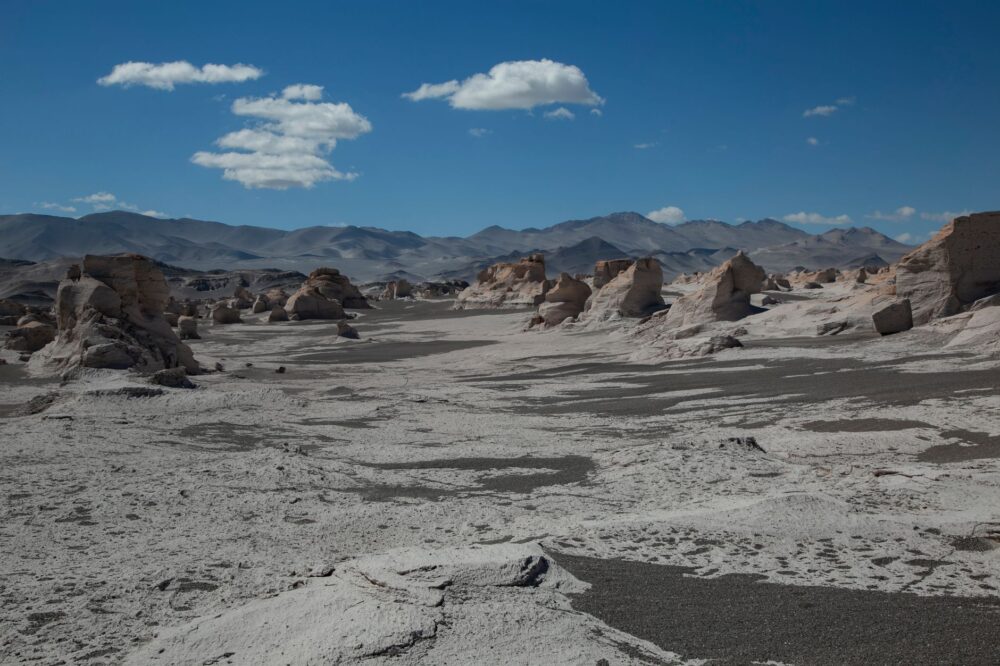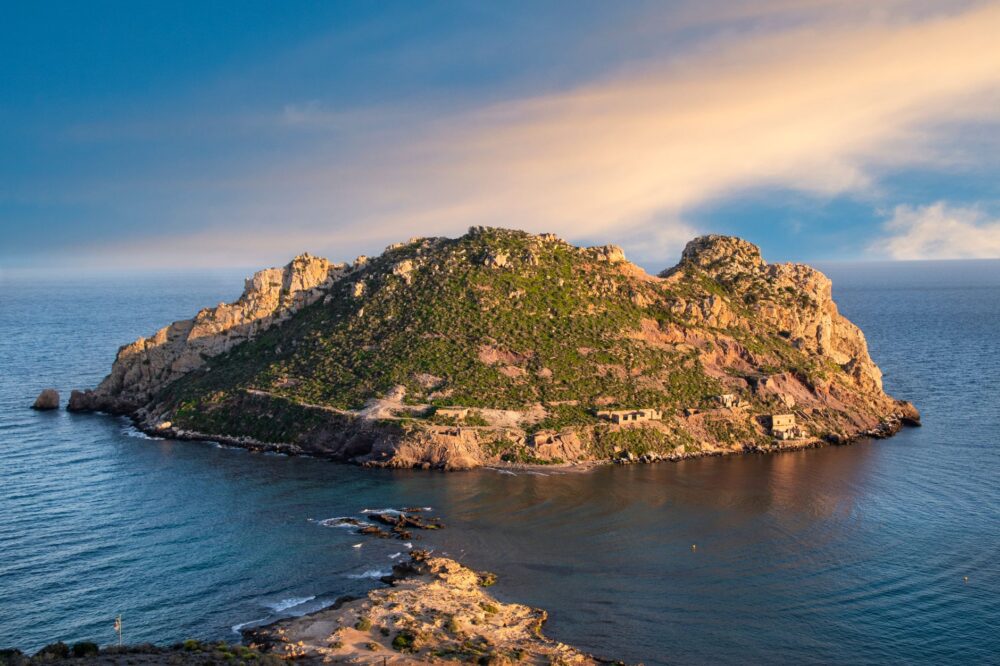

At the northernmost tip of Europe, where the snow-capped peaks of the Scandinavian Alps plunge abruptly into the dark waters of the Norwegian Sea, the railway ceases to be a mere means of transport and becomes a masterpiece of geological survival. The Ofoten Line, known in Norwegian as Ofotbanen, winds for 43 kilometers from the Swedish border at Riksgränsen to the ice-free port of Narvik. This route is not only a vital artery for the international trade of iron ore extracted from the mines of Kiruna, but also a monument to early 20th-century engineering, built through terrain where granite rock and winter avalanches dictate the rules of human and commercial movement.
The history of this railway line is intrinsically tied to the geopolitics of iron and the imperative need to find a maritime outlet that would not freeze during the harshest months of the polar winter. While the ports of the Gulf of Bothnia in Sweden remained locked under thick layers of sea ice, the warm currents of the North Atlantic allowed the Ofotfjorden bay to remain navigable year-round. This strategic factor prompted the Swedish and Norwegian parliaments to seal a historic agreement in 1898 to materialize a titanic project that would defy abysses, basalt gorges, and the unpredictable weather conditions of the Arctic.
The Architecture of Live Rock and the Impossible Route
Building on gradients exceeding 18 per thousand required unprecedented technical solutions for the era. Much of the Ofoten Line’s route plunges into the belly of the mountain through dozens of tunnels hand-excavated and blasted with millimetric precision. Engineers of the time had to contend with slope instability and the constant threat of rockfalls, a circumstance that today still demands rigorous maintenance by Bane NOR, the state-owned company managing Norwegian infrastructure. Every winter, specialized teams inspect the slopes with lasers and thermal sensors to detect fractures in ice and stone before the passage of convoys can be compromised.
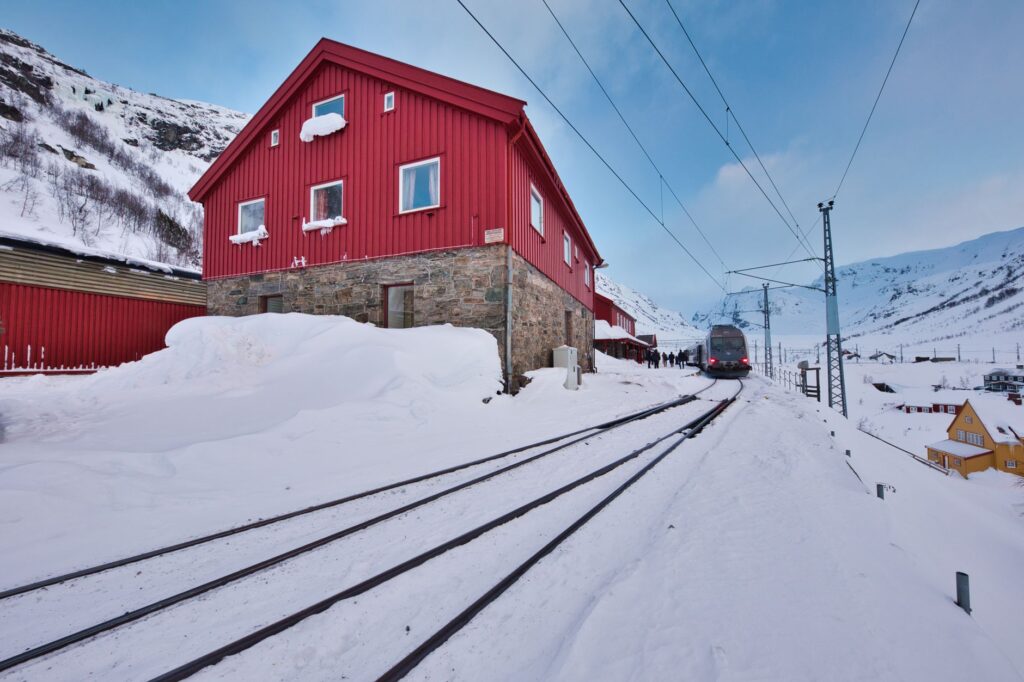
The journey begins at the border station of Riksgränsen, a landscape where alpine scenery merges with tundra, descending steeply toward sea level via a balcony carved into live rock that offers commanding views over the Rombaksbotn canyon. Along this section, the tracks cling to cliffs through dry-stone retaining walls that have weathered over a century of Arctic storms. Along the way, passengers and train drivers coexist with the remnants of a heroic industrial past, visible in the ruins of construction camps and old loading docks dotting the fjord’s coastline.
The Logistics of Heavy Ore and Coexistence with Passenger Traffic
Unlike other scenic European routes geared exclusively toward seasonal tourism, the Ofoten Line is a hyperactive freight corridor. Daily, gigantic convoys operated by the Swedish company LKAB, weighing well over 8,000 tons, descend from the Kiruna deposits toward the docks of Narvik. These freight trains, composed of up to 68 reinforced hopper cars, run on the same single tracks used by regional passenger services and the overnight sleeper train from Stockholm. Traffic management demands millimetric synchronization at the few available passing loops along the route, where passenger trains must wait in sidings while mineral-laden metallic masses advance with their characteristic roar.
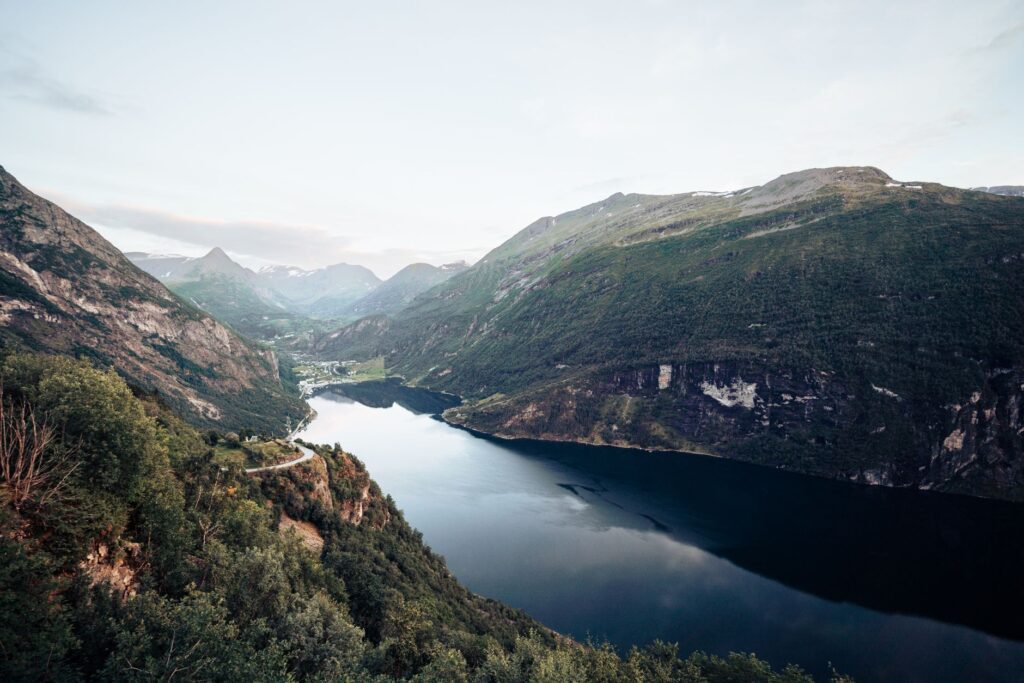
This mandatory coexistence turns the journey into a fascinating experience for the railway observer. It is not uncommon for a passenger train to halt its march in the middle of nowhere, next to a frozen stream, to yield the right-of-way to a heavy electric locomotive of the IORE series, true double-bodied titans capable of hauling massive loads under temperatures thirty degrees below zero. The reliability of these locomotives and the resilience of the electrical signaling system are put to the test every day in an environment where gale-force winds from the Norwegian Sea can hurl blocks of snow and ice directly onto the tracks.
The iron descending these cliffs is not merely raw mineral; it is the economic pulse of a north that refuses to be isolated by geography.
The electrification of the line, completed as early as 1923, marked a pioneering milestone at a time when most European networks still relied on coal and steam. The hydroelectric power generated in the region’s fast-flowing rivers fueled from the outset a clean and powerful traction system capable of responding robustly to the demands of the downward slope and the harsh return climbs toward the border. Today, the global energy transition revalues this corridor as an early model of sustainable heavy transport, where renewable electricity moves millions of tons of raw material without generating direct emissions into the delicate Arctic ecosystem.
The Impact of Climate Change on Slope Stability
In recent decades, the maintenance of this centuried infrastructure has been shaken by complex new environmental variables. Rising temperatures in the Arctic Circle are altering precipitation patterns and triggering more intense and earlier thaw cycles. This phenomenon increases hydrostatic pressure inside rocky slopes, multiplying the risk of sudden rockslides and mud avalanches that can disrupt rail traffic for days. Civil maintenance engineers now face an unprecedented scenario where historical statistics from the past hundred years no longer serve as reliable predictive models to anticipate natural disasters.

To counter these threats, advanced remote monitoring systems have been deployed. Fiber-optic networks installed along the most vulnerable slopes act as a nervous system detecting tiny vibrations or ground movements, sending automatic control center alerts to Narvik and Kiruna. Likewise, new protective galleries and dynamic retaining barriers capable of absorbing the kinetic energy of large boulders before they reach the rail track have been constructed. Despite these immense technological investments, connectivity continues to hang by a subtle thread, reminding operators and travelers alike that Arctic nature always holds the final word.
Temporary line closures not only disrupt global industrial supply but cut off the mobility of small coastal communities and hikers who rely on the train as their sole terrestrial access to interior valleys. During the harshest winter disruptions, replacement bus services must navigate winding roads exposed to the same snowstorms, highlighting the structural fragility characterizing human settlements in the continent’s northernmost reaches.
Practical guide
How to get there: The Norwegian starting point is Narvik, accessible via overnight sleeper trains from Stockholm or bus connections from Tromsø and Bodø. The nearest airport with regular flights from Oslo is Evenes (EVE), located about 50 kilometers away by road.

When to visit: Summer months (June to August) offer continuous daylight and the chance to hike routes like the famous Rallarvegen. Winter (December to marzo) delivers extreme snowy landscapes and the opportunity to spot the Northern Lights, albeit with a higher risk of schedule disruptions due to adverse weather.
Tickets and reservations: Tickets for the route operated by SJ Norge can be purchased online in advance. It is highly recommended to reserve seats on the left side of the carriage heading toward Narvik to enjoy the best panoramic views over the Rombak Fjord.

Recommended equipment: Even in summer, mountain station temperatures can plummet rapidly. It is essential to pack waterproof windbreakers and sturdy, non-slip footwear if planning to disembark at intermediate stops without paved platforms.
At the final station of the route, when the tracks gently terminate beside Narvik’s mineral pier and the echo of railway shunting fades against the dark walls of the fjord, remains the certainty of having traversed one of the most audacious works of human ingenuity. Trains continue their relentless course, defying cold and gravity, in a constant reminder that civilization on maps ultimately rests upon the strength of steel and the determination of those who guard the path.
As the midnight sun bathes the rails in a copper tone or winter darkness yields to the green flash of an aurora borealis, the Ofoten Line remains active, silently uniting two worlds separated by insurmountable peaks. Observing the slow yet steady passage of these convoys from the warmth of a moving carriage invites deep reflection on our relationship with the territory: a reminder that great journeys are measured not merely by the luxury of the destination, but by the engineering capacity to carve a path where nature once drew a definitive boundary.