
The heartbeat of a metropolis in perpetual mutation
Approaching Hong Kong requires abandoning any preconceived notion of a static city. Here, time does not flow in a linear fashion; it fragments into flashes of neon, the grinding rattle of double-decker trams, and the incessant coming and going of millions of souls crossing Victoria Harbour. The very geography of this territory—an amalgam of steep peninsulas and densely populated islands—has forced its inhabitants to build upwards and inwards, generating a unique urban landscape on the planet. In every corner, financial hypermodernity coexists with the ancestral memory of Cantonese clans.
The accelerated pace of the streets can prove overwhelming for the unprepared traveler, but behind that initial impression of chaos lies a meticulously structured choreography. Street markets are assembled and dismantled with military precision, glass skyscrapers reflect centuries-old Taoist temples, and the aroma of dim sum steams alongside high-speed ferry terminals. Understanding this territory implies accepting its duality: a blurred border between East and West where local identity proudly resists.
Infinite verticality and the mastery of space
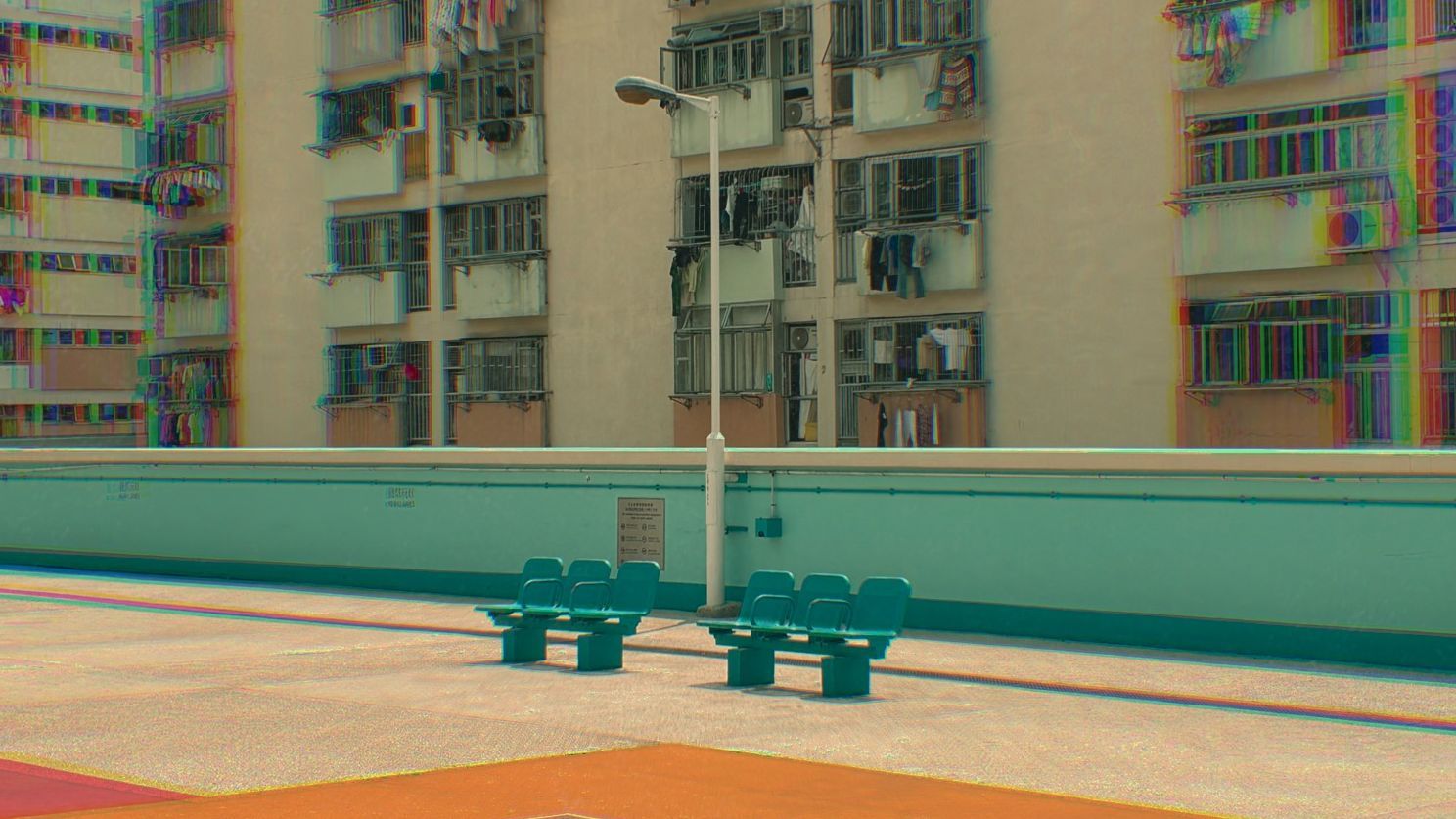
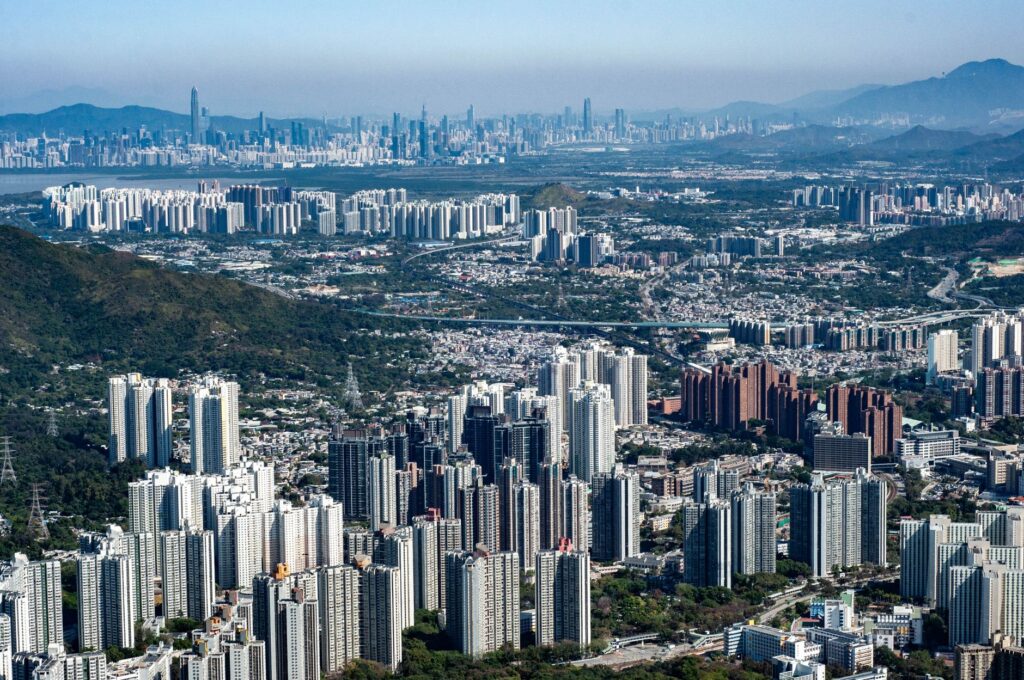
The architecture of Hong Kong is a physical testimony to the overcoming of geographical limits. With one of the highest population densities in the world, the city has been forced to colonize the air and the rock. Residential blocks, popularly known as beehives, rise toward the sky with thousands of identical windows enclosing private and anonymous stories. Among these concrete colossi, bamboo scaffolding—an ancient technique that defies the logic of modern engineering—continues to support urban expansion, proving that traditional flexibility often outperforms the rigidity of steel.
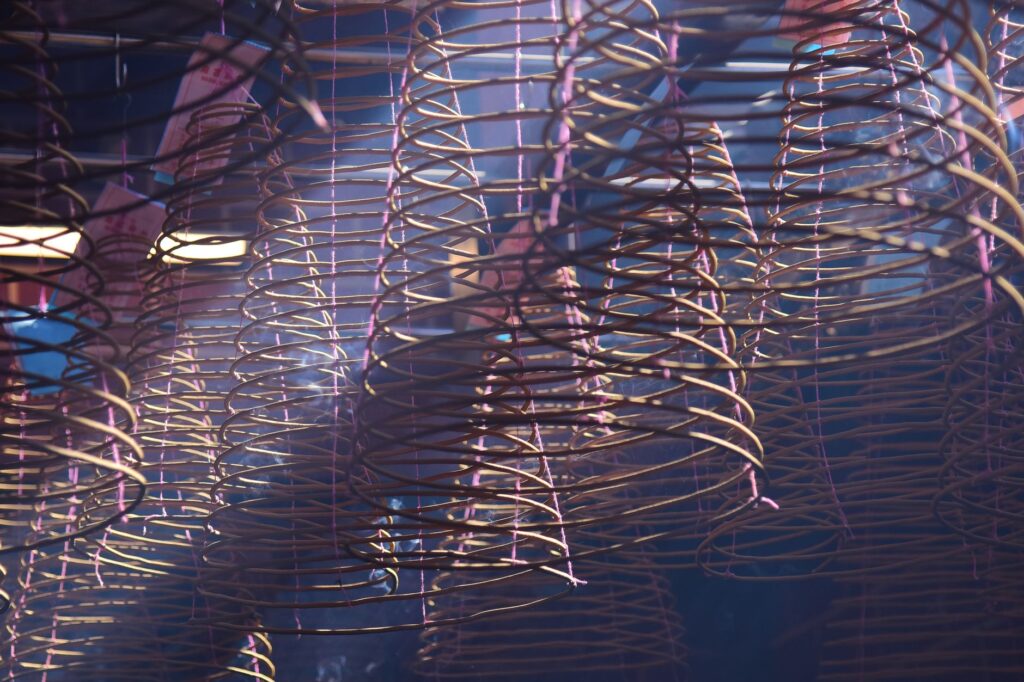
Walking through districts like Central or Sheung Wan is experiencing a constant change of scale. Just a few meters from corporate towers designed by internationally renowned architects, steep alleys house herbal medicine shops, traditional seal-carving workshops, and small altars where incense is burned to honor ancestors. This friction between the ultramodern and the deeply rooted is the true aesthetic and cultural engine of the metropolis.
The city is not measured by its territorial extension, but by the depth of its invisible layers and the speed with which it transforms asphalt into legend.
The pulse of historic neighborhoods
While the financial district captures international attention, it is the traditional neighborhoods that preserve the soul of the former British colony and Cantonese heritage. In Sham Shui Po, the colorful tarpaulins of fabric markets spread over bustling sidewalks where community life takes place outdoors. Here, neighbors gather around folding tables to play mahjong or enjoy Hong Kong-style milk tea, a daily ritual that survives oblivious to the real estate speculation devouring other areas.
Meanwhile, western Kowloon offers a fascinating perspective on the evolution of urban life. Old commercial buildings of the tong lau style reveal on their upper floors the resilience of small artisanal print shops and mechanical workshops that have operated in the same place for decades, stoically resisting the passage of time and the pressure of massive real estate development.
Navigating the harbor: the vital artery of the bay
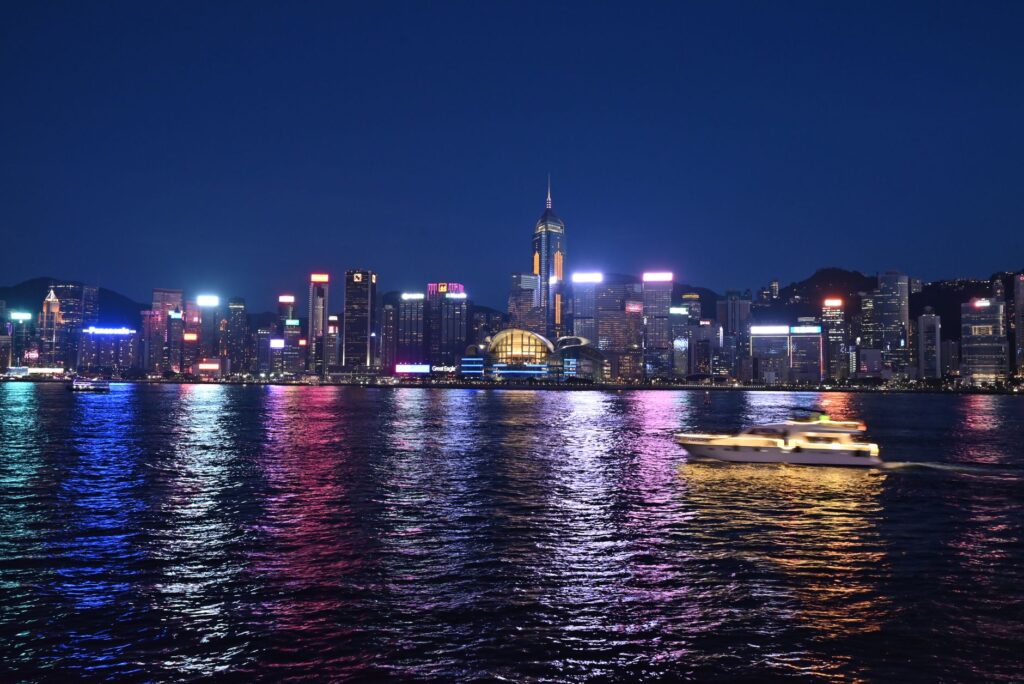
Victoria Harbour is much more than a geographical accident; it is the economic and emotional waterline of Hong Kong. For over a century, the iconic Star Ferry vessels have crossed these waters uninterruptedly, connecting Hong Kong Island with the Kowloon Peninsula. This short journey, barely a sigh on the map, offers one of the most striking urban panoramas in the world, especially at dusk, when the skyline lights up with thousands of synchronized lights.
Along the docks, the movement of cargo and passengers reflects the seafaring vocation of a free port built upon global commerce. Traditional red-sailed junks still sail alongside gigantic container ships, creating a visual summary of the region’s economic history in a single frame.
The clash of cultures in public transport
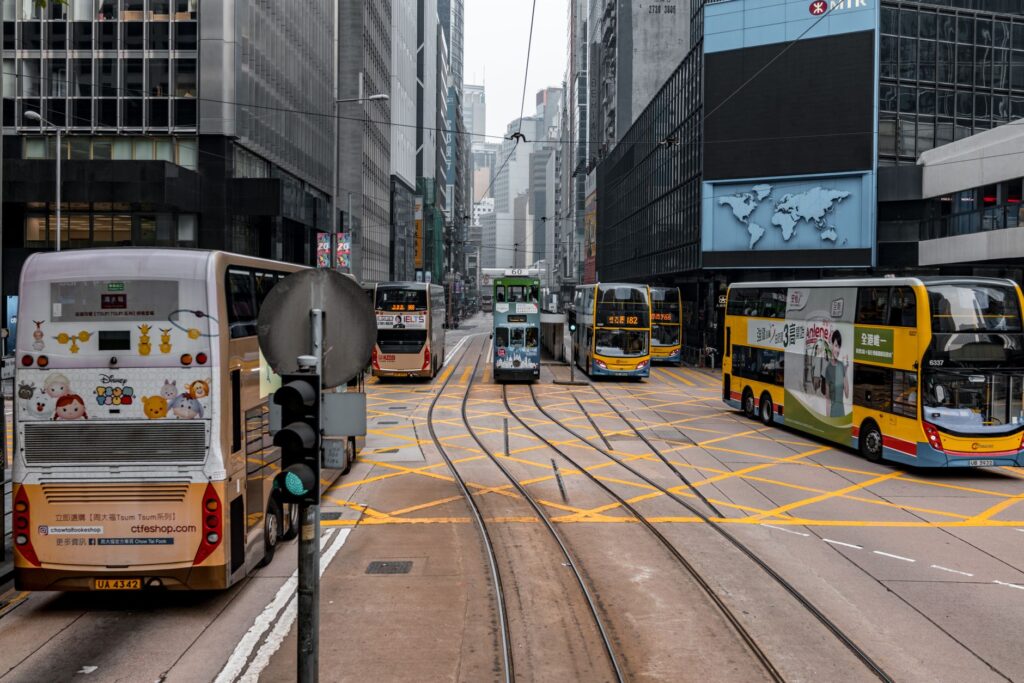
Hong Kong’s transport system is a marvel of efficiency that deserves to be explored in its own right. In addition to ferries and the underground metro (MTR), the two-deck electric trams—affectionately known by locals as ding dings for the sound of their bells—run along the northern coast of the main island at a leisurely pace. Riding on the upper deck of one of these vehicles is one of the best ways to observe everyday life at street level, feeling the pulse of the neighborhoods without the filter of conventional tourist circuits.
The Mid-Levels escalators, the world’s longest outdoor covered escalator system, also exemplify how the city has solved its steep topographical variations. During the mornings they descend toward the financial district and in the afternoons they ascend, transporting thousands of residents toward their homes in the hills.
The gastronomic ritual: beyond dim sum
Hong Kong cuisine is a melting pot where traditional Cantonese techniques, influences from Fujian cuisine, Southeast Asian flavors, and the legacy of British presence converge. Dim sum, traditionally consumed during breakfast or early lunch (yum cha), is a social institution where food is shared around round tables while discussing the affairs of the day.
However, the true democratization of flavor is found in cha chaan tengs, the popular cafes born in the mid-20th century that serve everything from macaroni in broth to pineapple buns with melting butter. These establishments, with their nostalgic decor of tiles and ceiling fans, are time capsules reflecting the mixed identity of Hong Kong society.
Food markets and street cooking
Stepping into wet markets, such as Bowrington Road Market, is understanding where the ingredients come from that are later transformed into haute cuisine or comforting street broths. Expert vendors offer live seafood, cured meats, and vegetables brought directly from the New Territories or neighboring Guangdong province. Freshness is a non-negotiable value in local gastronomy.
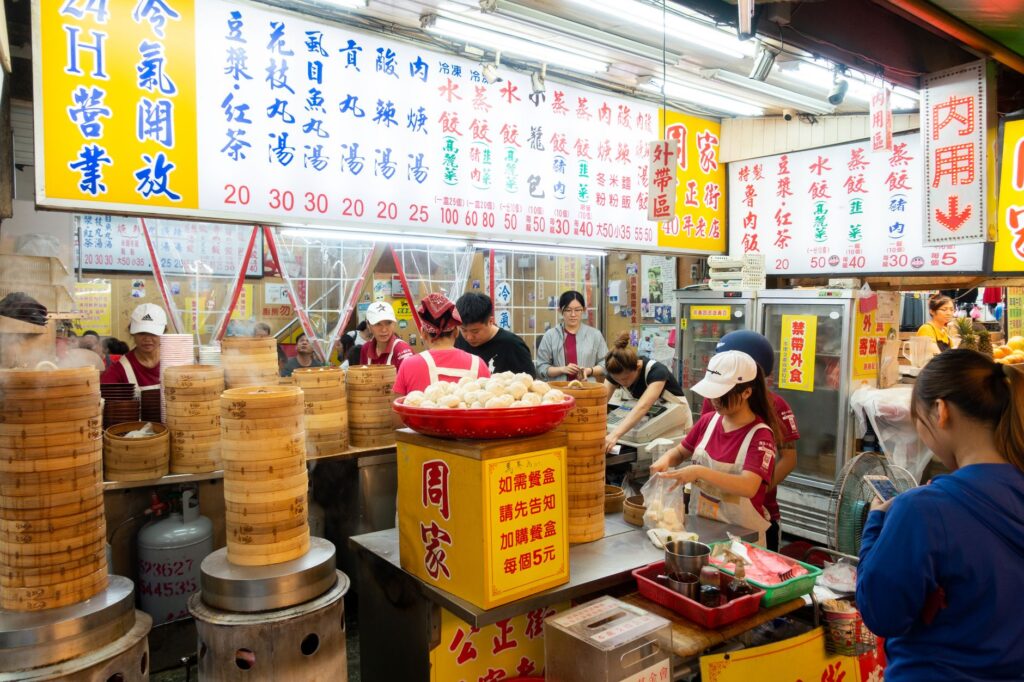
On the streets, stalls specializing in roasted meats—with their characteristic ducks and pigs hanging in shop windows—give off unmistakable aromas that attract office workers and laborers alike. The high standards of the local public guarantee exceptional quality even in the most modest and accessible formats.
Natural contrasts: the green behind the skyscrapers
The false belief persists that Hong Kong is exclusively a jungle of concrete and asphalt. However, more than seventy percent of the territory consists of rural areas and protected country parks. Less than an hour by bus from the financial center, it is possible to enter mountain trails winding through subtropical forests and descending toward pristine beaches washed by the South China Sea.
Trails like the MacLehose Trail or ascents to the peaks of the Sai Kung Peninsula offer an absolute respite from urban frenzy. From these heights, the contrast between the digitalized profile of the city and the stillness of the ocean is overwhelming, reminding travelers that nature always reclaims its space in subtle or imposing ways.
The true essence of this territory does not reside solely in the spire of its glass towers, but in the green silence awaiting beyond the last urbanized hill.
Outlying islands and the memory of fishermen
Outlying islands, such as Lantau, Cheung Chau, or Lamma, preserve the spirit of the old fishing communities that inhabited the area before the advent of colonial trade. In Cheung Chau, for example, pedestrian alleys where cars are banned maintain a leisurely, neighborly atmosphere, especially evident during traditional festivals like the Bun Festival.
On Lamma, hiking trails connect coastal villages where it is still possible to taste freshly caught seafood, cooked with simple preparations that enhance the product. These enclaves function as emotional safety valves both for residents wearied by metropolitan routine and for travelers seeking to understand the human roots of the archipelago.
Practical guide
How to get there: Hong Kong International Airport (HKG), located on Chek Lap Kok Island, features excellent direct flight connections with major European and Asian capitals. The Airport Express train connects the terminal with the financial center in just twenty-four minutes.
When to go: The months between October and December offer the most pleasant weather conditions, featuring moderate temperatures and clear skies. Summer months (June to September) should be avoided due to high temperatures, extreme humidity, and the potential incidence of typhoons.
Urban transport: It is essential to acquire a rechargeable Octopus card upon arrival. This electronic support allows payment for metro (MTR), buses, trams (ding dings), ferries, and even small purchases at convenience stores and supermarkets.
Accommodation: Hotel offerings are remarkably varied but costly. The areas of Central and Wan Chai on the main island offer comfort and financial proximity, while districts in Kowloon like Tsim Sha Tsui or Yau Ma Tei allow more direct contact with street life and slightly more affordable rates.
Documentation and visas: Citizens of the European Union do not require a visa for tourist stays under ninety days, though holding a passport with a minimum validity of six months from the intended date of entry is mandatory.
Currency and payments: The official currency is the Hong Kong Dollar (HKD). While cash remains useful in traditional markets and small restaurants, credit cards and mobile payment systems are widely deployed throughout the metropolis.
Epilogue: the final flash under the harbor mist
When night finally descends over the bay and the murmur of the crowd merges with the electric hum of advertising signs, Hong Kong reveals its best-kept secret: its inexhaustible capacity to move the attentive observer. It is not a static destination consumed in a routine visit, but a sensory experience in constant effervescence that lingers in memory long after leaving its streets. In every flash of the harbor survives the promise that chaos, however overwhelming it may seem, always finds its own order.
Source in EN: Condé Nast Traveler Spain – https://www.traveler.es/articulos/hong-kong-en-un-segundo