
In the geographic heart of the Asian continent, where tectonic plates continue their silent collision to elevate the roof of the world, civil engineering has had to redefine its own limits. The Trans-Himalayan Railway, specifically along its foundational trunk section linking Lhasa to Shigatse, stands as one of the most daring milestones of contemporary locomotion under extreme altitude conditions. This steel artery not only defies oxygen scarcity and freezing winds across the Tibetan plateau, but embodies a complex logistical response to the historical challenges of connecting valleys isolated by nearly impenetrable geological barriers.
The conceptualization of this railway required an absolute rethinking of traditional construction methods. At over three thousand five hundred meters above sea level, every single sleeper and support beam becomes a piece of high technology tailored to withstand extreme thermal fluctuations and unstable soils. Early twentieth-century expeditions and chroniclers could never have imagined that trade and passenger transit between ancient monastic enclaves and modern administrative hubs would be solved through a guided transport system capable of skirting dizzying abysses with absolute mathematical precision.
Topographical Origins and the Challenge of Tibetan Valleys
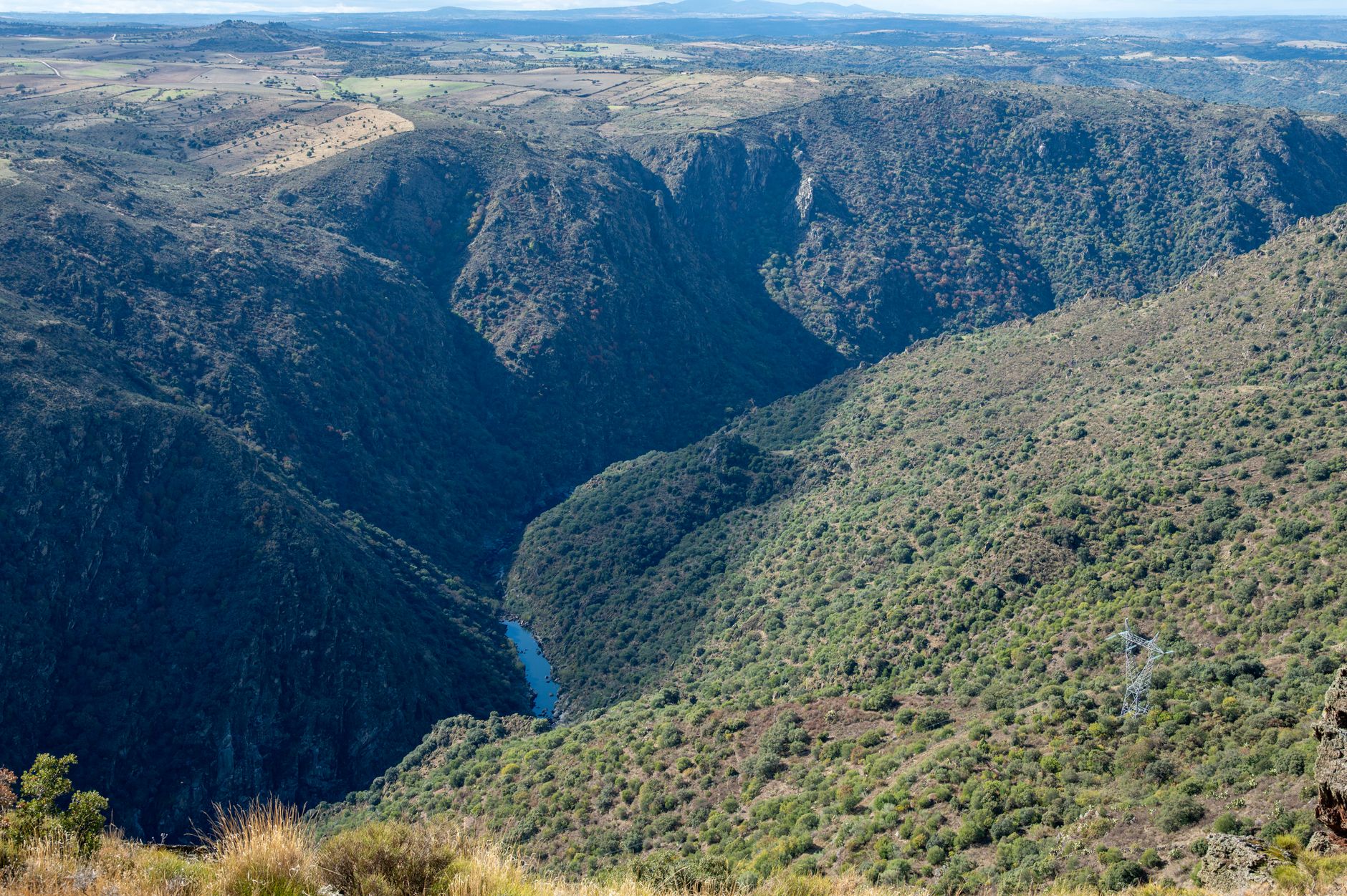
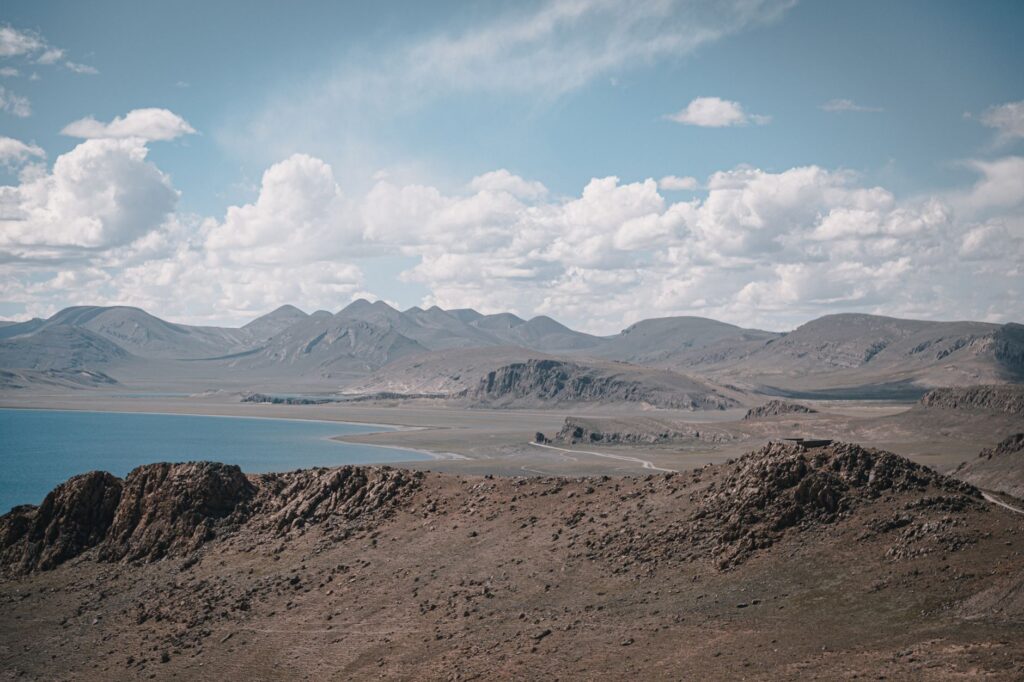
To grasp the magnitude of the railway route linking Lhasa to Shigatse, it is imperative to examine the unrelenting geography of southern Tibet. River valleys carved by the Yarlung Tsangpo act as natural corridors, yet also as geomorphological traps characterized by deep gorges, constant landslides, and latent seismic activity. Engineers in charge of the initial layout faced the dilemma of tracing excessively winding routes or investing colossal resources in excavating deep-bore tunnels through fractured granitic rock.
The routing design prioritized structural stability over pure commercial speed. Each kilometer wrested from the slope demanded exhaustive geothermal studies to prevent infrastructure collapse driven by the cyclical expansion and contraction of frozen ground. Overcoming these natural barriers radically transformed the cartography of Asian transport, turning routes that once required weeks of travel on yak-back into journeys lasting mere hours under stringent industrial safety standards.
High-Mountain Engineering: Bridges, Tunnels, and the Permafrost Phenomenon
Construction in high-mountain environments imposes technical variables that would render any conventional public works manual unviable. More than fifty percent of the infrastructure between Lhasa and Shigatse consists of elevated structures and underground galleries specifically designed to minimize impact on the fragile alpine ecosystem. Weathering steel girder bridges resist corrosion caused by intense ultraviolet radiation and chemical agents transported by katabatic winds descending from snow-capped peaks.
One of the greatest technical achievements lies in stabilizing foundations over discontinuous permafrost layers. When summer heat induces superficial thawing, the terrain tends to liquefy, threatening to destabilize embankments. To counter this phenomenon, engineers deployed thermosyphon tubes capable of dissipating heat into the atmosphere, keeping surrounding soil in a permanently frozen and rigid state. This technological deployment guarantees the structural integrity of the track without irreversibly altering the hydrological cycle of high-altitude wetlands.
Railway Logistics and Operational Management Under Extreme Conditions
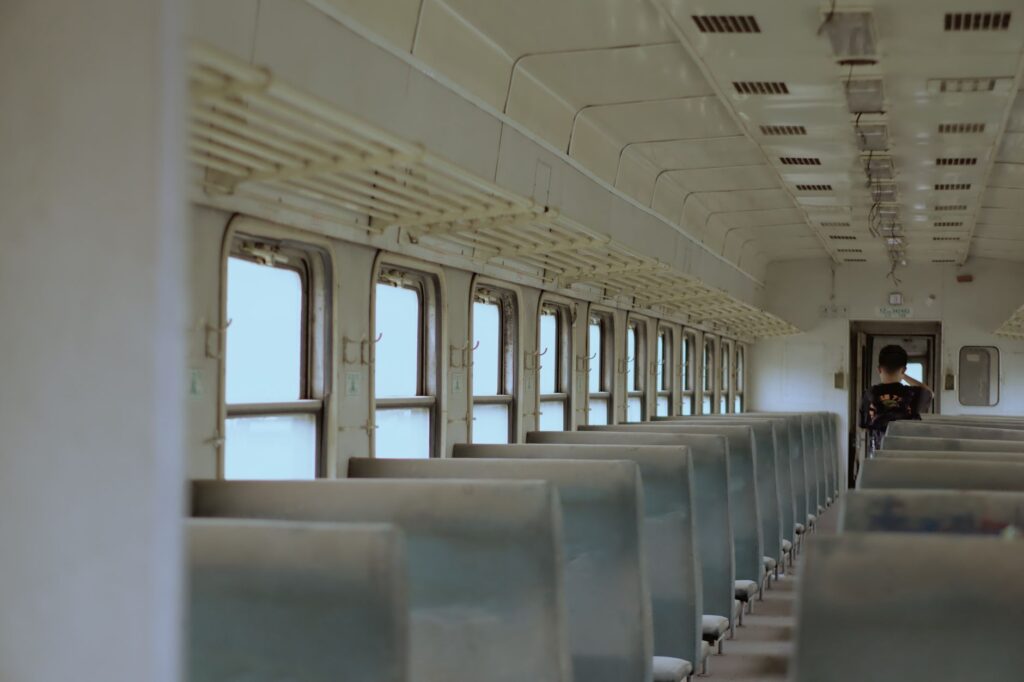
Operating passenger and freight trains at altitudes where atmospheric pressure drops by half demands a zero-error logistical framework. Locomotives operating on this route are high-power hybrid units equipped with air supercharging systems optimized for efficient combustion under low oxygen levels. Furthermore, carriages incorporate pressurized oxygen supply systems similar to those used in commercial aviation, ensuring the well-being of travelers and crews throughout the entire journey.
Traffic management is coordinated from automated control centers that monitor weather conditions and track status in real time via fiber-optic sensors. Any unforeseen disruption, such as a sudden snowstorm or minor rockfall, triggers automated deceleration protocols across the network. The logistical efficiency of this rail corridor proves that cutting-edge technology can coexist with the planet’s most hostile natural environments, optimizing the transport of heavy freight and vital supplies to local communities.
Station Architecture: Fusion of Monastic Tradition and Modernity
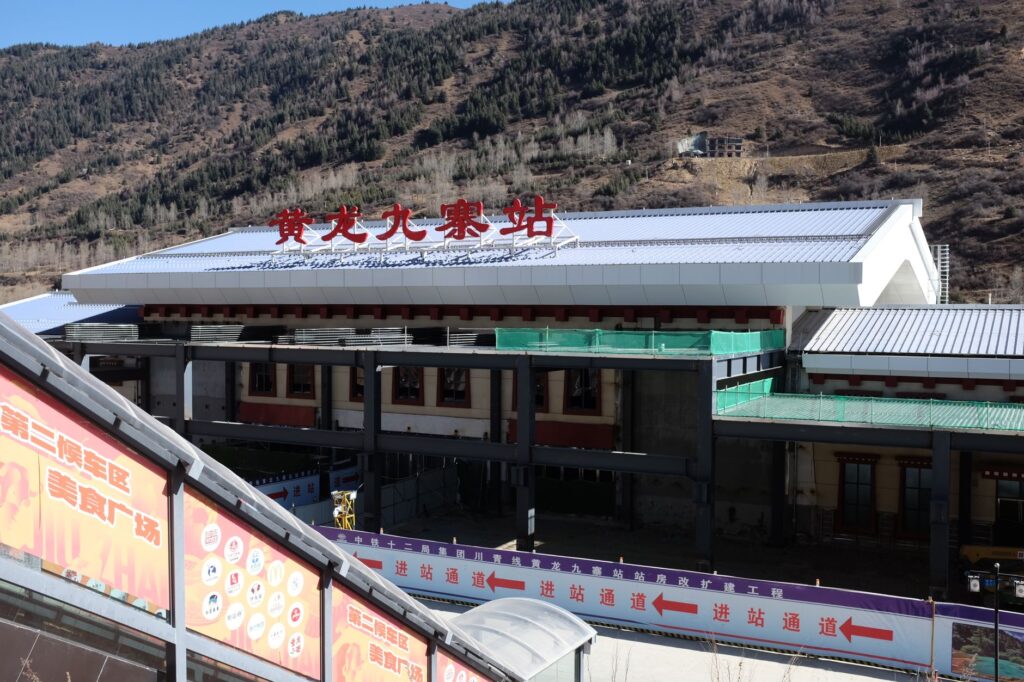
Railway terminals along this axis are far from mere functional structures of concrete and glass; they act as aesthetic bridges between rich Tibetan cultural heritage and twenty-first-century functional demands. The design of the Shigatse station, for instance, revives the trapezoidal volumes characteristic of traditional dzong fortresses, integrating local white stone masonry with hardwood structural elements and golden roofs that reflect the intense highland sunlight.
This architectural approach seeks to mitigate the visual impact of industrial modernity on landscapes sacralized by centuries of Buddhist devotion. Interior spaces prioritize natural ventilation and passive solar gain, drastically reducing the energy footprint of the buildings. Each station thus becomes a manifesto of heritage respect, where passengers experience a seamless transition between platform bustle and the spiritual sobriety of the surrounding monastic environment.
Socioeconomic Impact on Pastoral and Urban Communities
The arrival of the railway in Lhasa and its subsequent extension toward Shigatse has profoundly altered the socioeconomic dynamics of western Tibet. Traditionally dependent on a subsistence economy based on yak herding and terrace barley farming, local communities have integrated new commercial opportunities thanks to drastically reduced transport costs. Artisanal goods, specialized dairy products, and traditional medicinal herbs now find swift access to markets in eastern Asian metropolises.
Nevertheless, this economic integration process raises complex questions regarding the preservation of traditional ways of life in the face of growing mass tourism. Local authorities and rail operators have implemented capacity quotas and training programs to ensure economic benefits flow directly to indigenous families. The balance between economic development and cultural conservation remains the great daily challenge for managers of this strategic infrastructure.
The steel traversing the roof of the world does not merely carry cargo and travelers; it builds an invisible bridge between modern engineering’s daring audacity and the ancient silence of sacred summits.
Safety, Maintenance, and Environmental Sustainability on the Plateau
Preventive maintenance of a railway situated above three thousand five hundred meters altitude constitutes a logistical discipline of surgical precision. Conservation crews operate under severe weather conditions for much of the year, deploying lightweight machinery tailored to avoid over-compacting fragile alpine steppe soils. Replacing components subjected to unusual material fatigue—driven by daily thermal contrasts of up to thirty degrees Celsius—requires meticulous planning during the summer months.
Concurrently, the operator’s environmental policy demands strict protection of indigenous wildlife migration routes, such as the Tibetan antelope and the kiang or Asian wild ass. Dedicated underpasses and ecological corridors have been established along the route to prevent the fragmentation of natural habitats. The line’s sustainability is measured equally by its operational profitability and its capacity to preserve intact the fragile ecological balance of one of Asia’s purest and most vulnerable ecosystems.
Practical guide
Planning a journey along the railway corridor between Lhasa and Shigatse demands methodological rigor, driven by both regional administrative restrictions and the physiological demands of altitude.
- Documentation and Permits: Alongside the standard visa required to enter the People’s Republic of China, international travelers must secure a Tibet Travel Permit through authorized tour operators weeks in advance.
- Medical Acclimatization: It is strongly advised to spend between 48 and 72 hours in Lhasa (3,650 meters) prior to boarding the train toward Shigatse, minimizing health risks associated with acute mountain sickness.
- Connectivity and Bookings: Train tickets must be secured well ahead of schedule, particularly during the peak summer months of high domestic and international tourist demand.
- Recommended Gear: Layered thermal clothing, high-spectrum sun protection due to high-altitude radiation, and basic medication for headaches and congestion are indispensable.
Visual Epilogue in the High Steppe: The Silence of Rails at Dusk
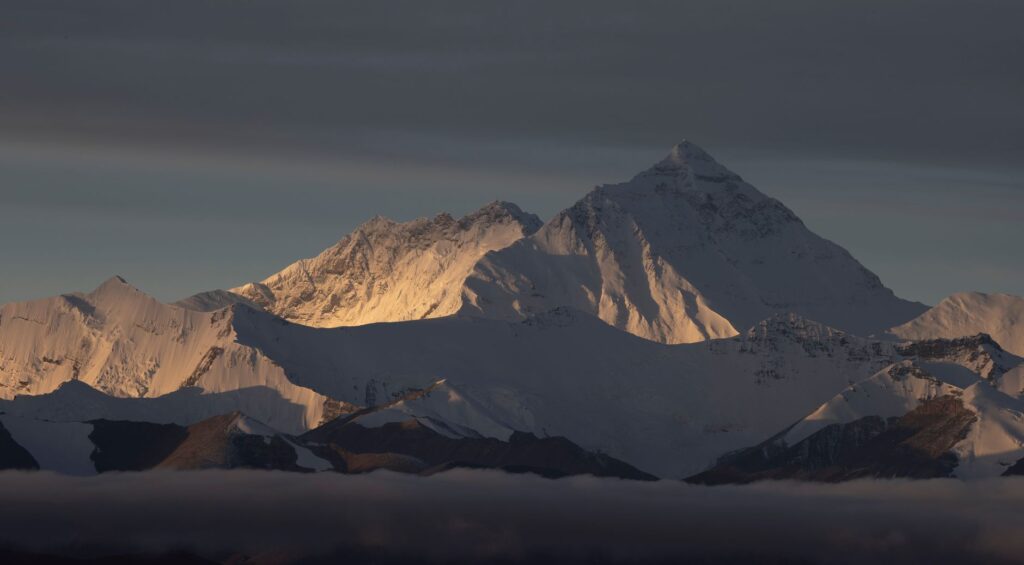
When the sun begins to dip behind the snow-dusted ridges of the Himalayan range, the immense expanse of the Tibetan plateau bathes in a copper light of profound lyricism. At that precise moment, the steel threads of the railway connecting Lhasa to Shigatse reflect the dying embers of day, meandering silently between golden meadows and cliffside monasteries. It is the moment when cold engineering technology merges with the mystical contemplation of the landscape, reminding us that even in the planet’s most remote and demanding confines, the human drive to connect distant worlds always finds its purest and most enduring path.