
Dawn in the ancient streets of Jaén is never announced by the roar of urban traffic, but rather by the dull rumble of delivery vans unloading their cargo against the ashlar stone facade of the Central Food Market. Erected in the mid-twentieth century over the foundations of former convent orchards, this building operates today as the secular sanctuary where the biological rhythms of the Cazorla, Segura, and Mágina mountain ranges converge with the endless plains of olive trees embracing the capital of the Holy Kingdom. Crossing its doors at daybreak is stepping into a realm where time is measured by harvest seasonality and the non-negotiable rigor of local produce.
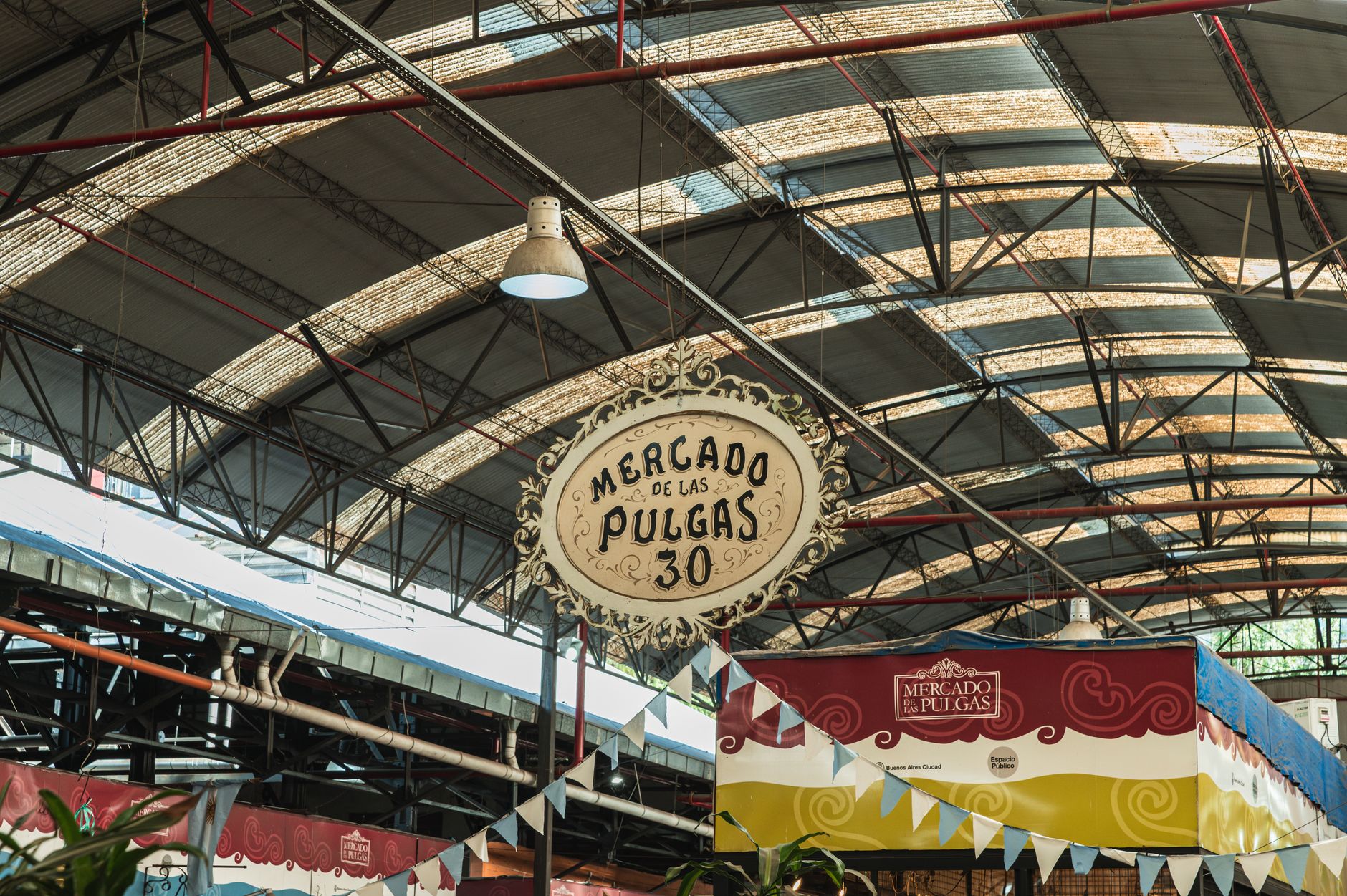
The market’s functional architecture, designed to maximize natural ventilation and overhead clarity, shelters beneath its metal vaults a human ecosystem unaltered for decades. Here, wholesalers and grocers do not merely dispatch food; they transmit a genealogy of flavors rooted in Andalusian dryland farming, low-mountain game, and the sovereign omnipresence of extra virgin olive oil. Every stall stands as a bulwark against globalizing uniformity, a space where regular patrons debate the exact ripeness of an orchard tomato or the precise curing of a mountain sausage with the same solemnity an expert brings to vintage wine tasting.
The Geography of the Olive Grove: The Terrain Infusing the Pantry
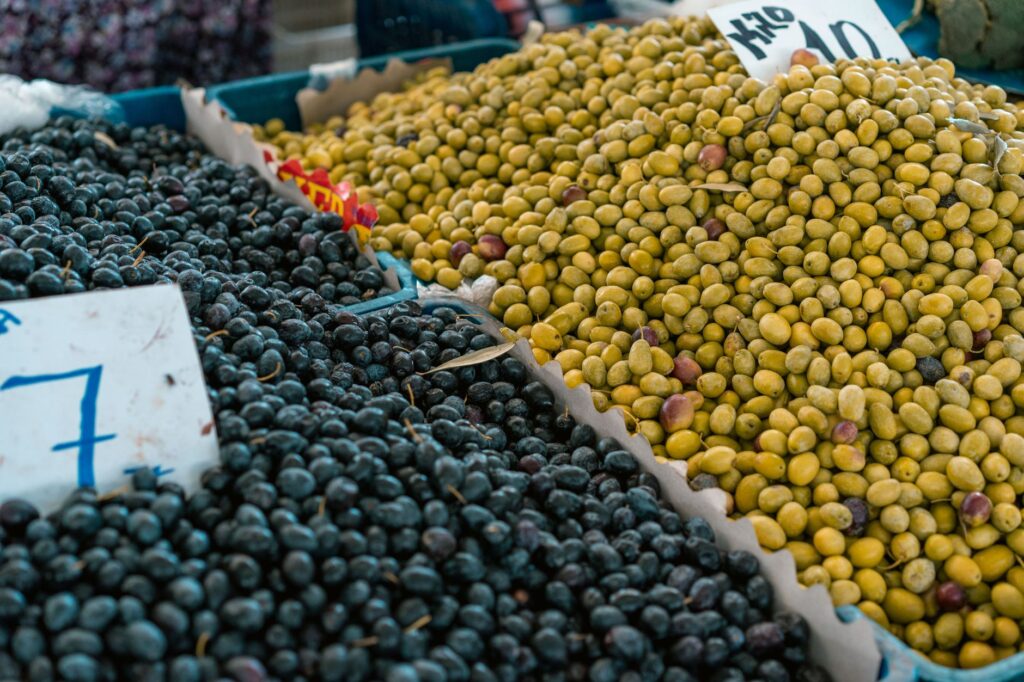
To comprehend the cuisine of Jaén, one must look toward the horizon. The province is home to more than sixty-six million olive trees, painting a green sea of precise geometry over clay hillsides. This millenary monoculture is far from a mere agricultural landscape; it is the backbone of all local culinary culture. Along the market aisles, oil is not sold as a mere condiment, but as an ontological category. Oil merchants offer impromptu tastings straight from unlabeled demijohns or artisanal bottles where Picual, Royal, and Hojiblanca varieties are distinguished with surgical precision.
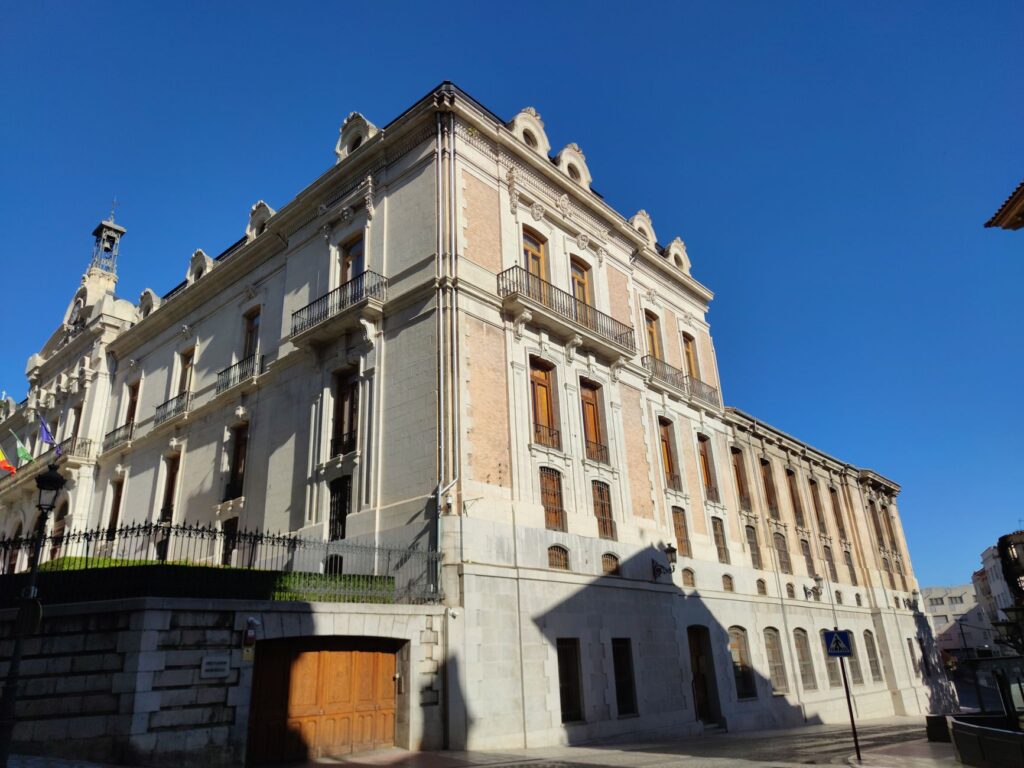
The fruit of the olive dictates the rhythm of preserves, spoon stews, and fried dishes. At the offal and butcher stalls, pork fat merges with the herbal aromas of fresh oil to yield preparations of long pastoral tradition. Jaén families flock to the market seeking the exact balance between the bitter, pungent kick of early-harvest Picual and the fruity delicacy of minority native varieties. This constant dialogue between tree and casserole defines a culinary identity deeply anchored in the rugged terrain.
Behind the Block: The Backstage of Cinegetic Pleasures
Moving toward the rear of the main nave leads inevitably to the meat sector and, most notably, game. The proximity of the Cazorla, Segura, and Las Villas Natural Park turns this market into an exceptional platform for acquiring mountain game. Red partridges, wild boars, and deer arrive at the Martínez brothers’ stall after being hunted in traditional drives. The interaction between butcher and buyer is a ritual of mutual trust where ideal cuts for a civet or classic escabeche are deliberated.
On weekends, this corner of the market takes on a particular energy. Whispered recipes pass from mothers to daughters, alongside advice on marinades featuring local red wine and juniper berries. Fast cooking has no place here; simmering times are long, demanding patient heat and showing deep respect for the muscle fiber of animals that ran free through cistus and rosemary scrublands. The butcher’s expertise in breaking down a carcass transforms into an anatomical spectacle of surgical precision, where each cut finds its inescapable destination in the stewpot.
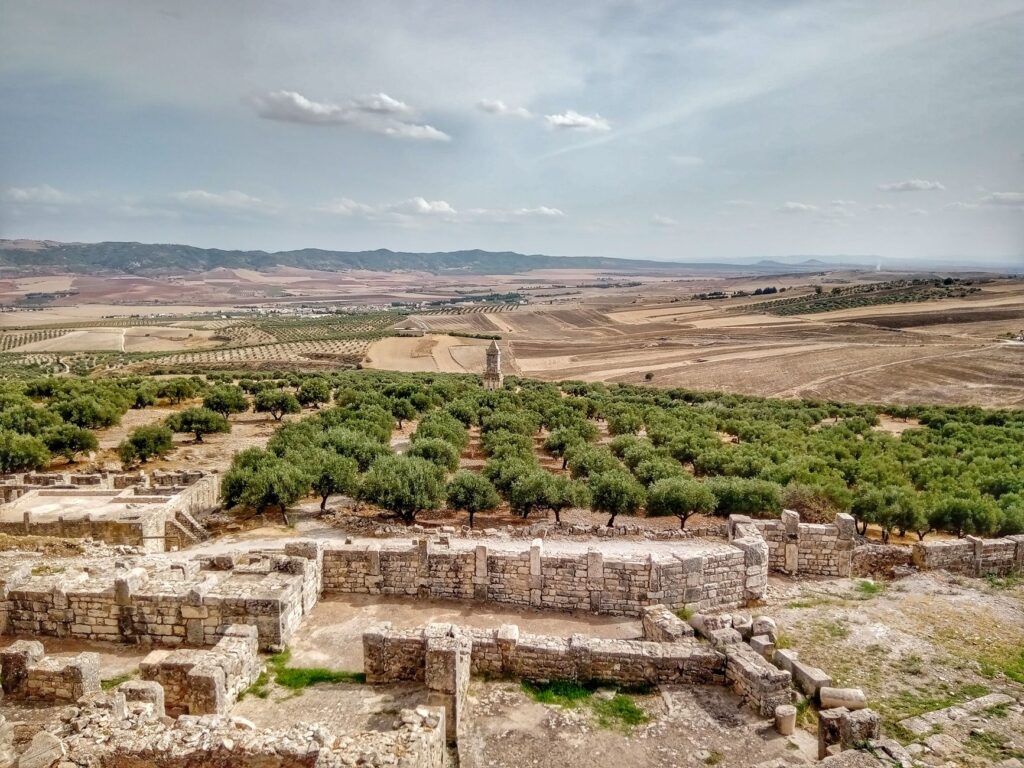
The market is not a showcase for clueless tourists, but the living archive where the memory of grove and mountain becomes daily lunch.
This communion between hunter and vendor ensures traceability impossible to replicate in large supermarkets. Regular shoppers prize the extreme freshness of meat that has barely rested twenty-four hours since arriving from the sierra, keeping intact the organoleptic properties that betray the animal’s wild diet.
The Vega Kitchen: Vegetables Tasted of Damp Earth
Leaving the meat aisle and stepping into the fruit and vegetable sector, colors burst forth in a symphony of dark greens, intense reds, and pearly whites. The vegetables piled high on display counters come from the vegas of the Guadalquivir River and small family gardens dotting the province’s river valleys. Unlike standardized greenhouse produce, these crops display the minor imperfections characteristic of traditional outdoor farming.
Seasonal tomatoes, featuring local varieties like the Jaén fatty or the Alcaudete pink, emit a pungent aroma that permeates the entire aisle. Side by side rest cardoons, borage—so beloved in winter stews—and short-stemmed artichokes cleaned by hand by farmers before dawn. The interaction between grower and home cook is continuous; discussions arise over the recent rains’ impact on white onion sweetness or the ideal texture of green beans for preparing a foundational sofrito.
The Pulse of the Sea in the Sea of Olives
It remains paradoxical that in a deeply mountainous inland province, the fishmonger section of Jaén’s Central Market displays such overflowing vitality. The explanation lies in the strategic road network connecting the Jaén capital with the ports of Málaga, Motril, and Almería in barely an hour and a half via highway. Local wholesalers receive fresh catch daily, ensuring that bluefish and seafood from the Andalusian coast land at the stalls before losing their original luster.
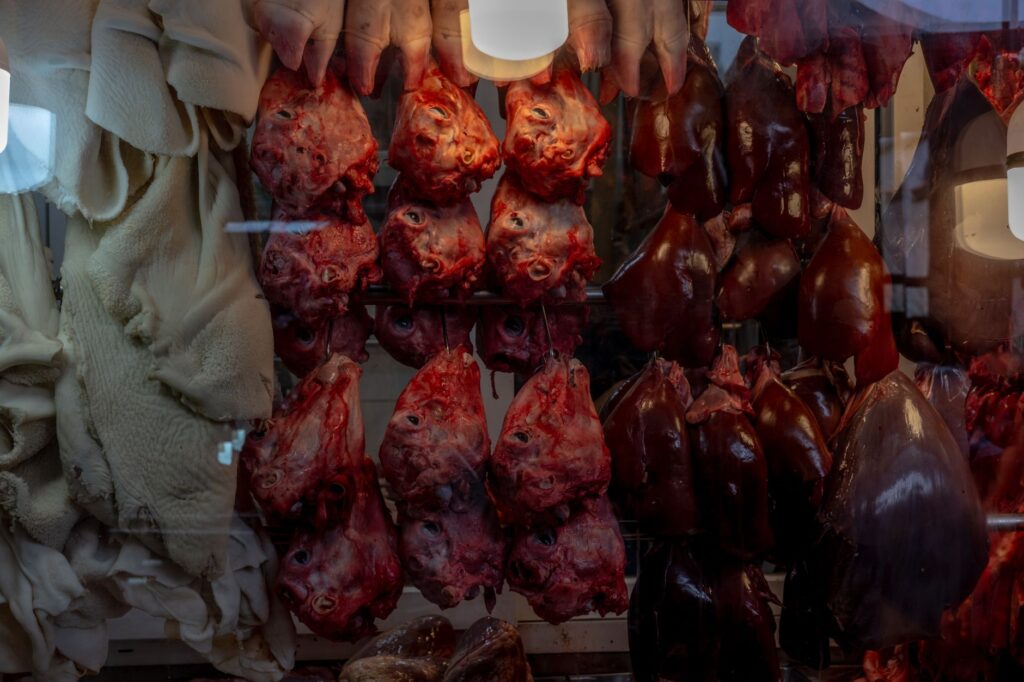
Strait hake, gleaming anchovies, and white prawns from Huelva coexist harmoniously with lesser-known species highly prized in southern popular cuisine. Fishmongers clean catches with rapid, mechanical gestures, offering customers the option of taking fillets clean, sliced for broth, or whole for baking with a generous drizzle of extra virgin olive oil and lemon rounds. This permanent bridge between coast and countryside enriches a diet traditionally anchored in earth-born bounty.
The Tavern and the Counter: Tapas as Social Science
Understanding Jaén’s gastronomy requires stepping physically outside the market enclosure and exploring its immediate surroundings, where traditional taverns act as a natural extension of the food stalls. The free tapa phenomenon in Jaén is no tourist marketing ploy, but an unwritten social pact where every drink of wine or beer comes paired with a generous bite crafted from fresh produce bought mere meters away that very morning.
In historic bars circling San Francisco Square or adjoining alleys, unnegotiable specialties are served: pipirrana — a cold salad of tomato, pepper, cucumber, and tuna bound with an oil and boiled egg yolk emulsion —, poor-man’s potatoes with fried peppers, or snails in spicy sauce when spring approaches. These establishments function as popular flavor laboratories, where the success of raw materials acquired at the central market is instantly validated.
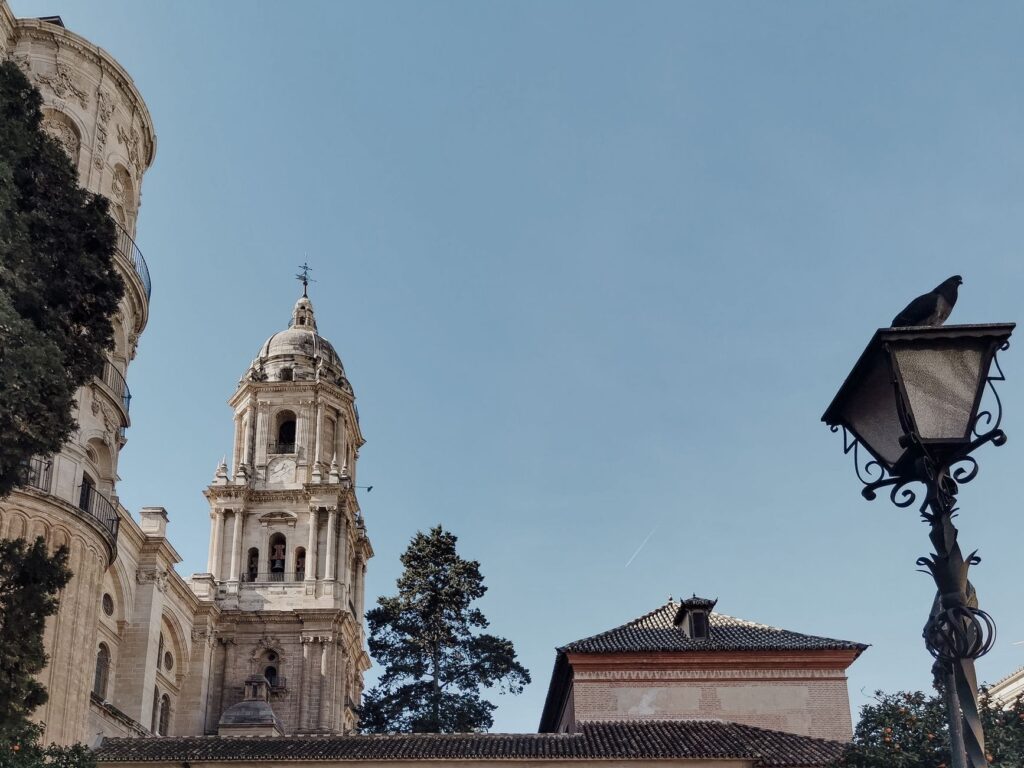
Behind every generously served tapa lies a declaration of principles regarding Mediterranean hospitality and pride in belonging to a rugged, generous land.
The midday bustle of these taverns contrasts with the morning stillness of the market, completing a symbiotic cycle where buying and consuming form part of a single ritual of community coexistence.
Practical guide
Getting there: Jaén is connected by highway with Madrid, Granada, and Córdoba. The railway station offers daily medium and long-distance connections, placing the urban center within a fifteen-minute walk of traditional commercial zones.
Location and hours: The Central Food Market sits right in the historic center. It opens Monday through Saturday, continuously from 07:00 to 14:30 hours. Optimal hours for anthropological and photographic visits fall between 09:00 and 11:30 in the morning.
Recommended purchases: Early harvest extra virgin olive oils (Picual variety), large-game cold cuts from the eastern mountains, convent-made pastries from nearby towns, and seasonal vega vegetables.
Local etiquette tips: Approach vendors with respect and warmth, utilizing traditional address. Always ask for the catch or crop of the day before deciding your purchase, and avoid touching displayed goods without prior merchant authorization.
The afternoon sun begins to dip over the Renaissance cathedral towers, casting long shadows across the cobblestone streets surrounding the market. Beneath the arcades, the final vendors pack their gear with the satisfaction of a job well done, while in the kitchens of Jaén homes, slow fires begin extracting the most intimate essence of ingredients gathered at dawn. Jaén thus demonstrates that its true wealth lies not solely in the vastness of its olive sea, but in its people’s millenary capacity to transform harsh terrain into a feast of hospitality, memory, and unalterable flavor.