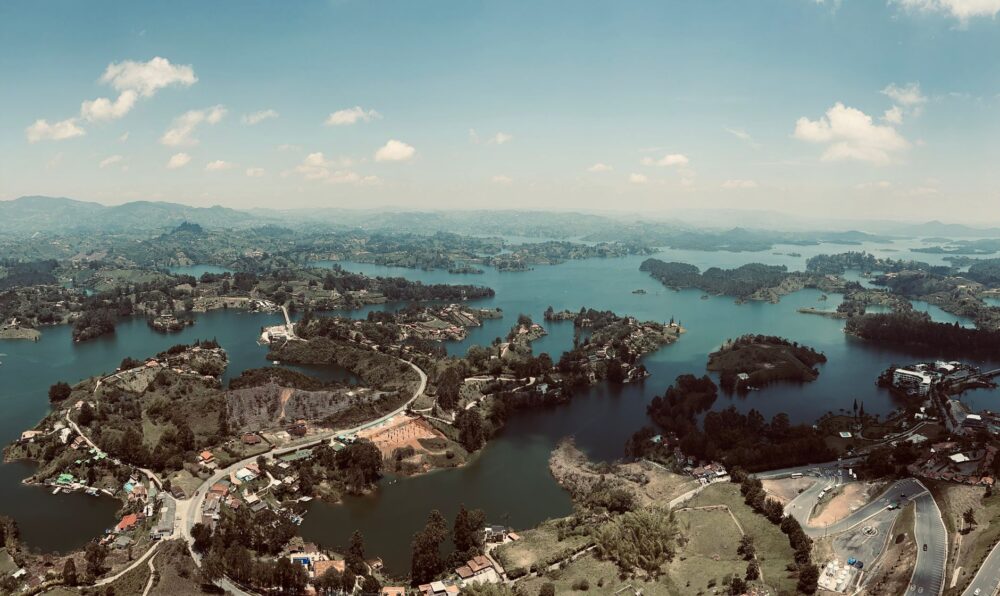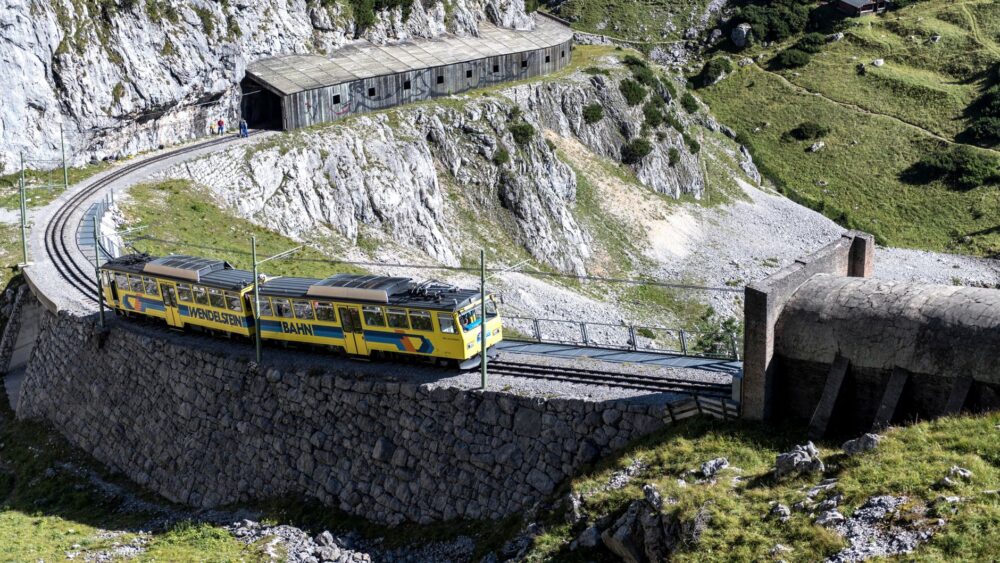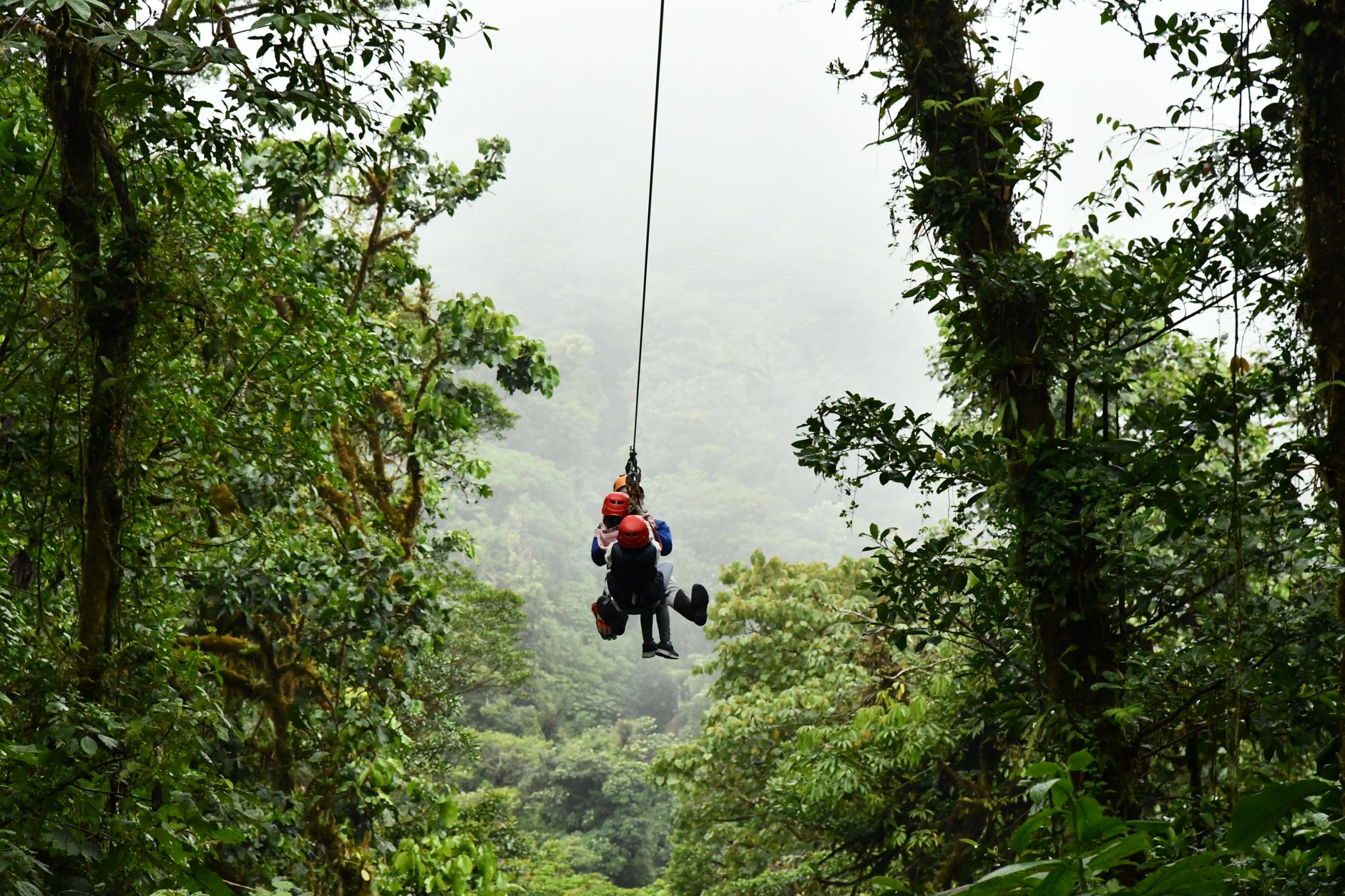

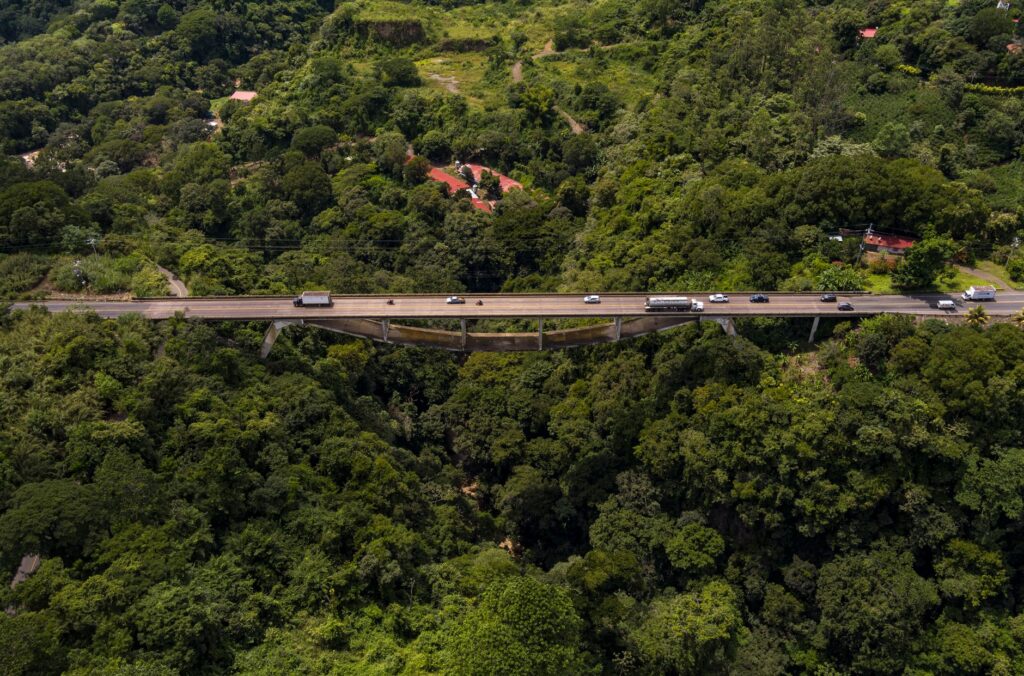
In the highlands of the Tilarán Mountain Range, where perpetual mist nourishes an ecosystem of dense canopy and unrivaled biodiversity, mobility has ceased to be a mere logistical challenge and has transformed into an exercise in profound ecological responsibility. For decades, access to the Monteverde Cloud Forest Biological Reserve and its surrounding communities relied on steep dirt roads that suffered the onslaught of tropical rains and eroded the hillsides. Today, this Costa Rican enclave is leading a modest yet radical transformation: the gradual replacement of internal combustion vehicles with electric mountain buses adapted to steep slopes and the creation of a network of low-intervention aerial trails and walkways that connect rural settlements without fragmenting the quetzal’s habitat.
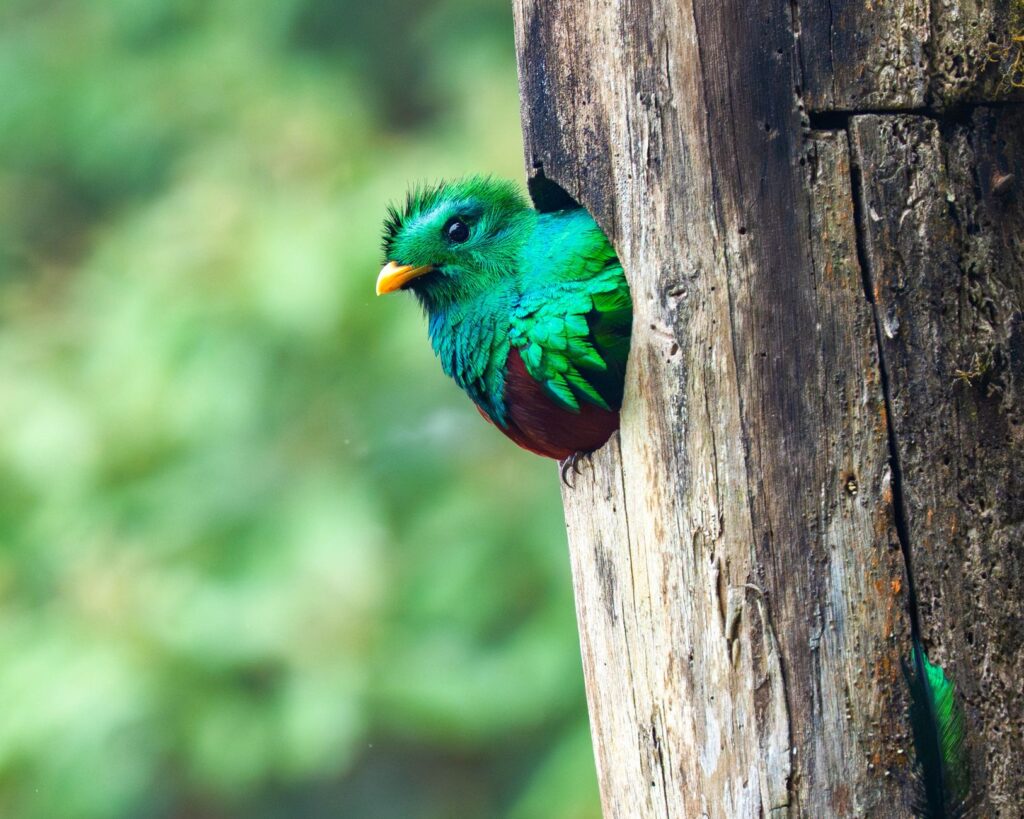
This effort does not stem from corporate imposition, but rather from local governance consolidated through agricultural cooperatives and integral development associations. When tourist pressure began to saturate the main roads of Santa Elena and neighboring towns, the dilemma was not how many more visitors the region could absorb, but how to guarantee that the daily flow of residents, students, and travelers would respect the fragility of the hydrological cycle. The answer demanded rethinking transport corridors from the ground up, integrating low-impact civil engineering with the empirical knowledge of farmers and naturalist guides who have inhabited the cloud forest for generations.
The Transition Toward High-Altitude Tropical Electromobility
The first major technical obstacle faced by municipalities and local transport operators was the area’s extreme topography. Standard commercial electric vehicles frequently lost efficiency against constant humidity, steep volcanic stone slopes, and thermal variations between day and night. The solution came from a technical consortium that redesigned solid-state batteries and all-wheel-drive systems for minibuses, specifically optimized to operate in high-rainfall environments without compromising the community electrical grid, which is largely powered by local hydroelectric and solar sources.
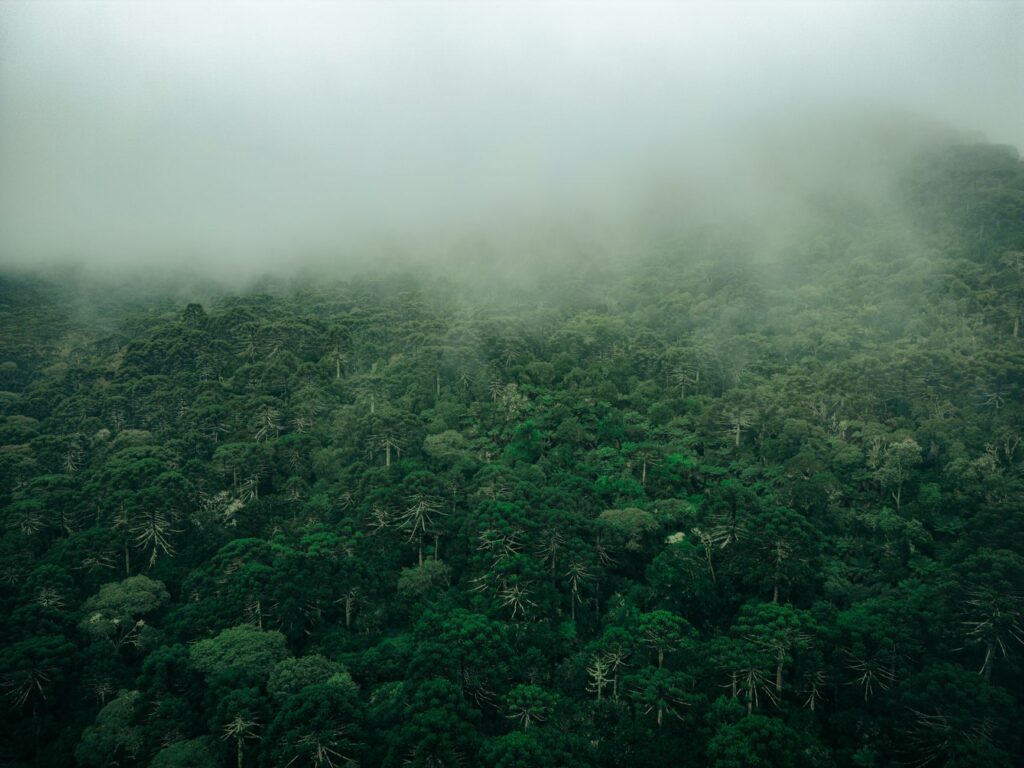
These silent units have not only drastically reduced carbon dioxide emissions on routes connecting urban centers with natural reserve entrances, but they have also modified the soundscape of the forest. Where four-wheel-drive diesel engines once roared, the murmur of the wind through bromeliads and the song of endemic birds now prevail. The charging infrastructure, strategically distributed at nodal points such as coffee cooperatives and collection centers, operates as a decentralized system that prevents grid overload during peak tourist demand hours.
Aerial Trail Networks and Frictionless Human Connectivity
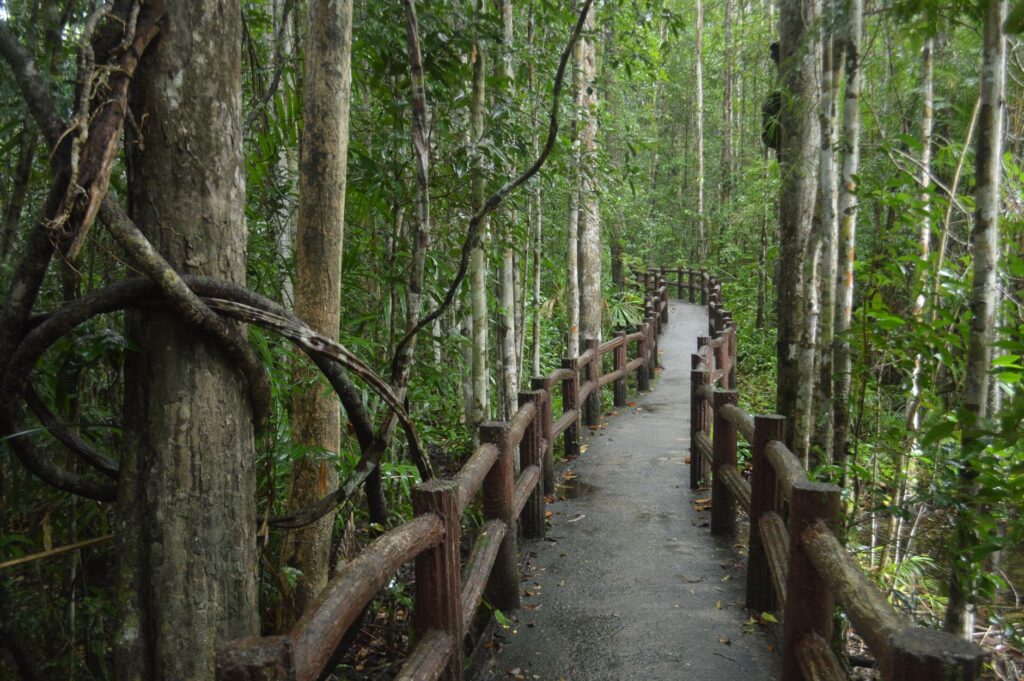
Alongside vehicular electrification, territorial planning has prioritized active mobility for pedestrians and cyclists through the construction of elevated walkways and paths made of recycled plastic wood. These suspended corridors allow residents to travel between regenerative agriculture farms, schools, and health centers without interacting with road traffic, while minimizing forest soil compaction. The architecture of these structures has been designed to literally float above the understory, allowing the free transit of small mammals and insects beneath passersby.
The integration of these pedestrian paths responds to a vision where daily commuting forms part of the educational and conservation experience. Local students use the aerial walkways as living classrooms, documenting changes in tree phenology throughout the year. In this way, transport infrastructure becomes a pedagogical bridge that reinforces the identity bond between new generations and the urgency of protecting their natural heritage against global climate pressure.
Participatory Governance and Decentralized Financing
The financial viability of this ambitious transport redesign does not rely on volatile government subsidies, but rather on a community ecotourism fund transparently managed by the Monteverde Development Association. A fixed percentage of each entrance fee to private reserves and multimodal transport services is directly reinvested in maintaining the electric fleets and community repair of pedestrian paths. This self-funding model ensures that the economic benefits of the ecological transition remain within the territory, preventing external speculation.
Monthly community assemblies act as the decision-making body where transporters, farmers, hoteliers, and scientists discuss necessary adjustments to electric minibus schedules and the expansion of exclusive mountain bike lanes. This horizontality in decision-making has successfully mitigated habitual conflicts between the tourism sector and traditional residents, aligning economic interests with the strict preservation of the aquifers that supply the entire Pacific and Caribbean slope.
True sustainability in mountain transport does not lie in the amount of green technology imported, but in the local community’s capacity to decide which vehicles circulate through its memory and which paths respect its soil.
Hydrological Challenges and Adaptation to Climate Variability
Despite progress in clean mobility, Monteverde’s geography faces latent threats derived from changing rainfall patterns and the reduction of horizontal fog, a phenomenon locally known as occult precipitation. Rural roads, even those best paved with permeable cobblestones, suffer the onslaught of increasingly frequent and intense extreme precipitation events. Local engineers have had to incorporate bioengineered drainage systems that use native vegetation to stabilize slopes and filter water before it washes sediment into the rivers and streams of the basin.
This constant adaptation demonstrates that transport infrastructure in such a sensitive ecosystem is never a finished work, but a living organism requiring permanent monitoring. Local road committees work hand-in-hand with university researchers to measure the impact of surface runoff, adjusting electric vehicle routes in real time during severe tropical storm seasons to avoid erosion in aquifer recharge zones.
Impact on Agrarian Economy and Proximity Commerce
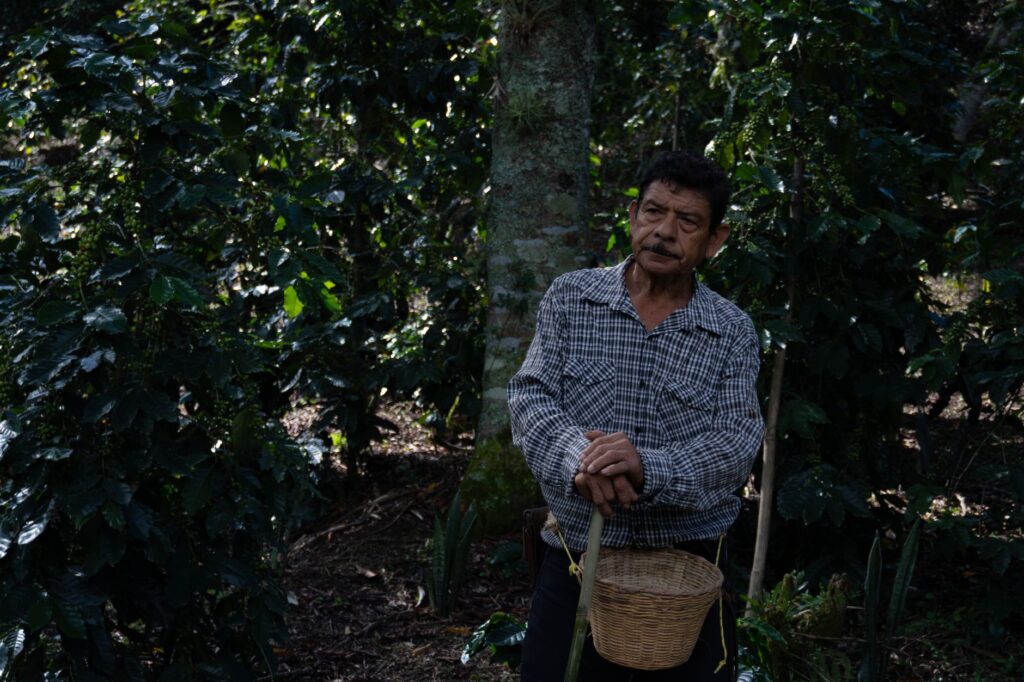
The reconfiguration of transport has also redefined internal agricultural trade, allowing small producers of high-altitude coffee, artisanal dairy, and organic vegetables to distribute their harvests efficiently and emission-free to the markets of Santa Elena and hotels committed to the local value chain. The electric minibuses, equipped with modular cold storage compartments, run daily circular routes that optimize delivery times and drastically reduce the carbon footprint of regional gastronomy.
This closed-loop logistics system strengthens the territory’s food sovereignty by directly connecting agricultural supply with conscious tourism demand. Visitors not only discover the landscape through leisurely mobility, but they understand that every journey and every consumed product participates in a closed regional metabolism, where organic waste from local restaurants returns as fertilizer to the very farms that supply the pantries.
Practical guide
How to get there: The most sustainable way to access the Monteverde region from San José is via the combined intercity bus service to Tilarán or Puntarenas, followed by connections on the new community electric minibuses adapted for the mountain ascent.
When to go: From May to November, the green season offers landscapes of maximum exuberance and flowing waterfalls, while December to April features drier weather, ideal for birdwatching and high-altitude trail hiking.
How to get around: Exclusively use the network of community electric minibuses and suspended pedestrian walkways. Avoid renting internal combustion vehicles for short trips between reserves and villages.
Accommodation and consumption: Choose inns and lodges certified under the Tourism Sustainability Certification (CST) that actively participate in the community conservation fund and use agricultural products from the proximity network.
Rules of respect: Respect established speed limits for electric vehicles in buffer zones and refrain from using single-use plastics during your journeys through the cloud forest.
Epilogue in the Mist: The Final Pulse of a Moving Forest
When evening falls over the crowns of ancient trees and the night humidity slowly condenses on the leaves of tree ferns, Monteverde reclaims its ancestral silence. The shrill engine revs of the past are no longer heard, but rather the gentle flow of a community that has understood that the journey and the destination are one and the same. In this sanctuary of mist and biodiversity, every trip in a clean energy-powered minibus and every step on aerial walkways represents a vote of confidence in the future, tangible proof that human transport can integrate with elegance and humility into the earth’s great pulses.