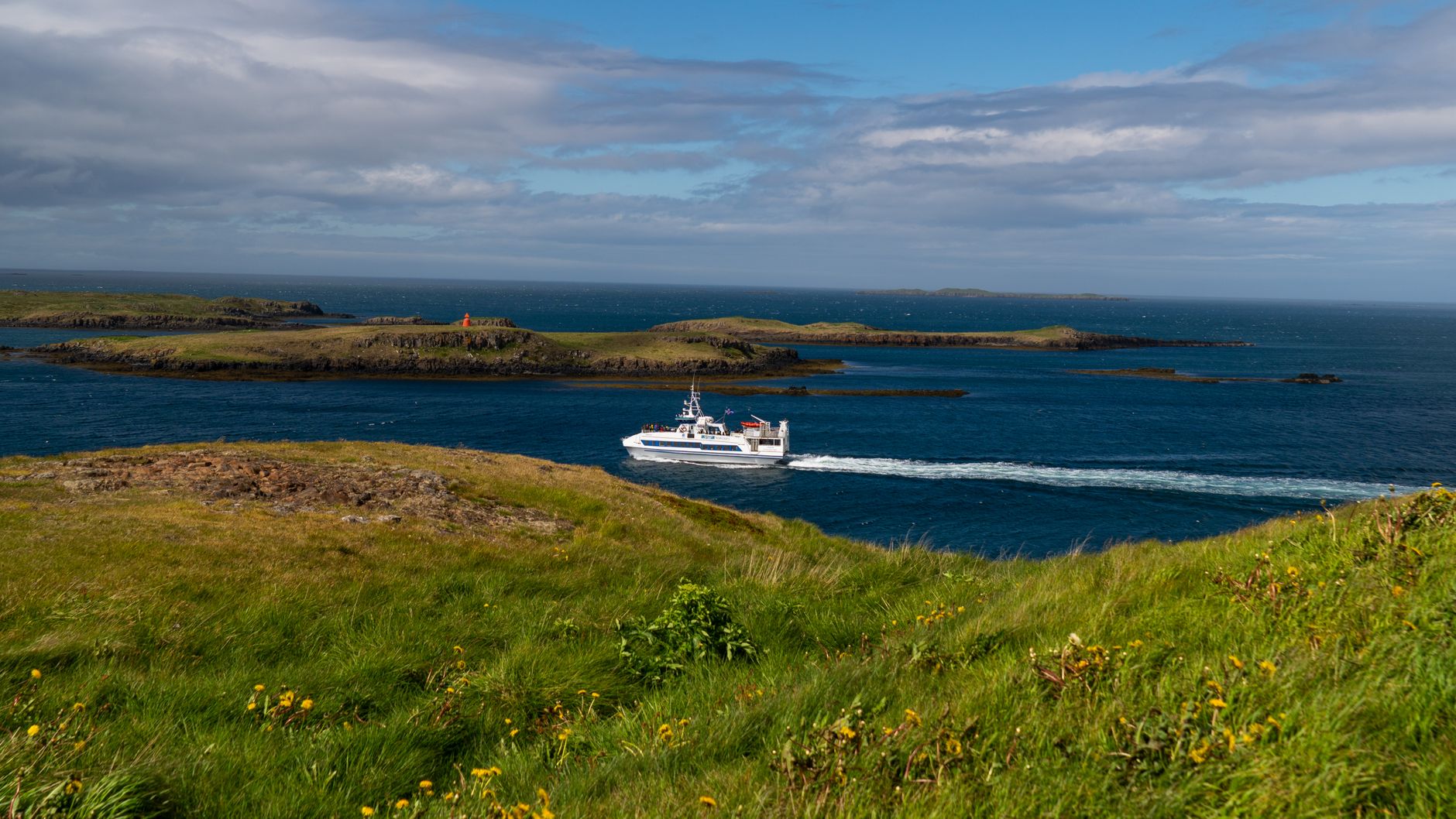

At the northernmost edge of the United Kingdom, where the North Atlantic crashes relentlessly against the North Sea, the Shetland archipelago represents one of the most fascinating and delicate transport engineering challenges in Europe. Comprising over a hundred islands, of which barely sixteen are permanently inhabited, this territory relies on a network of ferries, small aircraft, and coastal roads that defy the continent’s most unforgiving weather. Connectivity here is not a mere matter of tourist convenience, but the umbilical cord ensuring the economic survival, medical supply, and social cohesion of communities separated by treacherous currents and unpredictable tides.
For decades, transport planning in Shetland has been conditioned by fragmented geography and atmospheric instability. Local authorities and public transport operators constantly contend with marine corrosion, the accelerated wear of port infrastructure, and the need to modernize a ferry fleet that in many cases exceeds recommended operational lifespans. This report examines the intermodal framework sustaining daily life in this boreal outpost, analyzing how innovations in route management and undersea tunnel projects aim to transform a historically vulnerable system into a model of insular resilience.
The Maritime Backbone: The Northern Route Ferries
Shetland’s transport system inevitably revolves around its fleet of ferries, operated primarily by the island council’s ferry service and long-distance private operators connecting the archipelago with mainland Scotland. These vessels transport not only passengers but also essential supplies, fuel, heavy machinery, and livestock. Each crossing through waters like the infamous Pentland Firth or wind-swept interior channels demands meticulous nautical precision from the crews.

The piers on islands such as Yell, Unst, and Fetlar are nodal points where synchronization between local buses and boats is vital. A delay of just a few minutes caused by a storm can disrupt the entire daily connection schedule. The reliability of the maritime service is measured by its ability to operate in gale-force winds and substantial swells. Recent investments in adaptable hydraulic ramps and automated docking have reduced turnaround times, though mechanical vulnerability remains a constant concern for public managers.
Runways on Peat: Regional Aviation in Shetland
When the sea becomes impassable due to persistent fog or severe winter storms, air transport assumes critical relief duties. Sumburgh Airport, located at the southern tip of Mainland—the primary island—acts as the main gateway for scheduled commercial flights from Edinburgh, Aberdeen, and Glasgow. However, true complexity lies in secondary island airfields, such as Scatsta and smaller airstrips connecting outlying islands.

These facilities frequently operate under adverse weather conditions, where pilots rely on advanced instrument approach systems and a deep understanding of local air currents descending from granite cliffs. The use of short-takeoff-and-landing turboprop aircraft is essential for operating on these short, often damp runways. Despite high operating costs, maintaining these local air routes is subsidized as an essential public service, ensuring serious medical emergencies can be treated in complex mainland Scottish hospitals within hours.
Causeway Roads and the Engineering of Land Links
Shetland’s terrestrial road network presents a unique morphology, characterized by single-track roads with passing places that wind along rugged coasts and desolate peat moors. Over recent decades, civil engineering has transformed internal connectivity by constructing elevated bridges and artificial causeways linking smaller islands to the main mass of Mainland, eliminating the need for ferries on heavily traveled short routes.
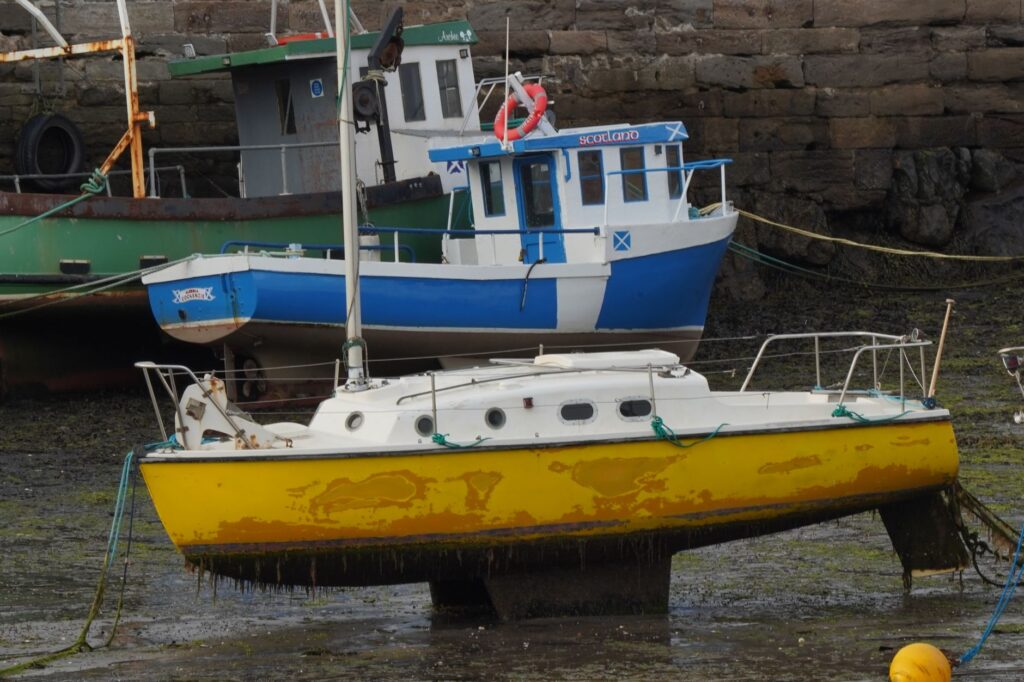
Notable examples of this evolution include the links connecting Mainland with the islands of Burra and Trondra, or the proposed bridge joining Bressay with the port of Lerwick, though the latter project has faced prolonged debates regarding economic viability and environmental impact. Maintaining the structural integrity of these roads exposed to salt spray and constant frosts requires an exceptionally high asphalt maintenance budget. Engineers employ modified binders and reinforced drainage systems to prevent erosion caused by runoff water and spring tides.
The Subsea Tunnel Debate and the Future of Mobility
Facing an aging ferry fleet and steadily rising fossil fuel operating costs, the Scottish devolved government and local authorities have put forward a radical solution: replacing the most deficit-ridden ferry routes with a network of subsea tunnels bored beneath marine straits. Inspired by successful experiences with island tunnels in the Faroe Islands or Norway, projects such as the links to Yell and Unst promise uninterrupted connectivity twenty-four hours a day.
Nevertheless, the financial viability of these major infrastructure works in low-density communities sparks intense public debate. The multi-million-dollar initial investment clashes with long-term economic return projections in a region whose economy relies on fishing, wind energy, and seasonal tourism. Proponents argue that tunnels would eliminate weather uncertainty and encourage the repopulation of islands suffering a slow demographic exodus toward southern urban centers.
Energy Logistics and Freight Transport Under Extreme Conditions
Beyond passenger movement, Shetland’s transport system supports specialized logistical loads linked to the energy industry and aquaculture. Transporting heavy equipment for onshore and offshore wind farms, as well as the constant supply of feed for salmon farms located in sheltered fjords, tests the limits of the archipelago’s intermodal capacity.
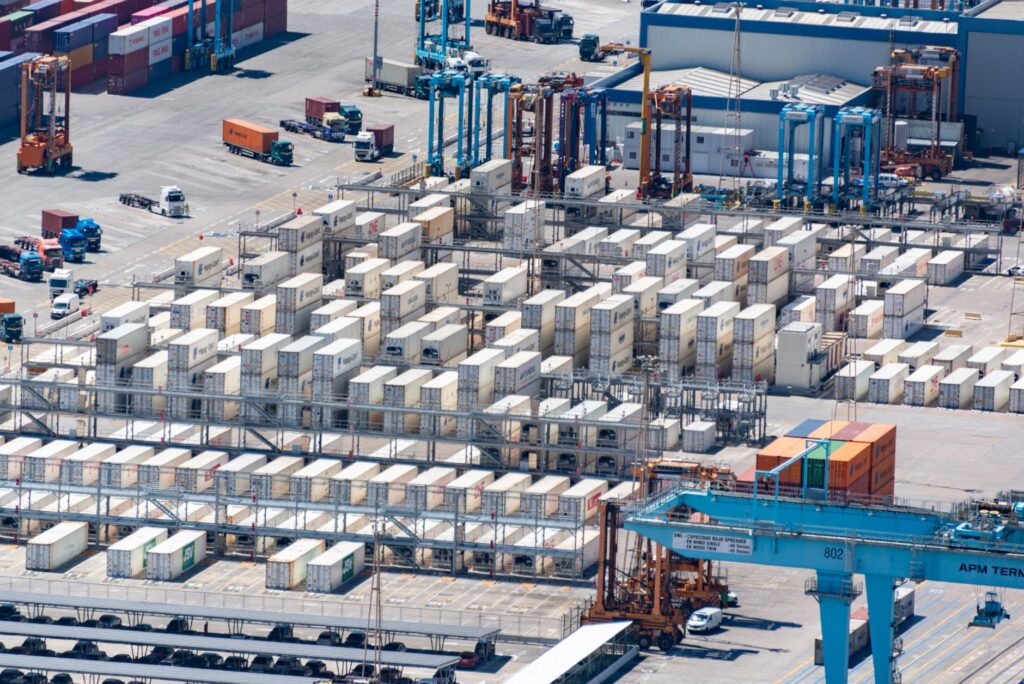
Heavy freight trucks must coordinate with surgical precision with cargo ferry schedules and high tides to avoid grounding in shallow ports. The energy transition toward electric and hybrid vehicle fleets across the archipelago likewise faces colossal challenges arising from a shortage of ultra-fast charging points and the fragility of the local electrical grid. Local haulers operate under constant pressure to reduce their carbon footprint without compromising supply chain punctuality.
Sustainable Tourism and Carrying Capacity Management
The rise of nature and heritage tourism has forced a rethink of transport management in Shetland to prevent the saturation of fragile infrastructure during summer months. Unlike other overcrowded European destinations, Shetland favors a low-intensity model prioritizing sustainability and respect for marine wildlife and native bird colonies.

Authorities promote electric bicycles for scenic routes and have optimized public bus schedules to coincide with main ferry arrivals, reducing reliance on private rental cars. The preservation of pristine landscapes depends directly on strict regulation of vehicular traffic in ecologically sensitive areas. Visitors are informed before arrival regarding driving rules on single-track roads and the importance of yielding at designated passing places.
The true measure of a transport infrastructure in an oceanic outpost is not the speed with which it connects geographical points, but the dignity and safety with which it preserves human bonds when the weather decides to isolate the world.
Practical guide
Planning a trip and navigating the Shetland archipelago requires a thorough understanding of intermodal limitations and absolute flexibility in the face of weather disruptions.
- How to get there: NorthLink Ferries operates daily passenger and vehicle services between Aberdeen and Lerwick (an overnight crossing of approximately 12 hours). Loganair offers scheduled flights from major Scottish airports to Sumburgh Airport.
- Inter-island transport: Shetland Islands Council Ferries manages the internal ferry network. It is highly advisable to check real-time status updates (Shetland Islands Council Ferries Service Status) before embarking on any journey.
- Car rentals: Book well in advance. Compact vehicles are preferable due to the narrow dimensions of local roads and port parking areas.
- Local driving: Familiarize yourself with the use of passing places. Never park in them and always yield to oncoming traffic when the indicator is on your side.
- Recommended season: May to August offers the best weather conditions and extended daylight (known locally as the simmer dim), although services operate year-round.
As evening falls, when sea mist shrouds the centuries-old lighthouses of Sumburgh Head and the last ferries dock with British punctuality in sheltered harbors, the archipelago regains an ancestral calm. Shetland’s transport system, forged from wrought iron, marine engines, and human resilience, continues to sustain the fragile balance of an isolated world, proving that geographical distance can be overcome with organization, respect for the environment, and an unwavering will to endure.