The Fluvial Pulse of a Land of Locks and Legends
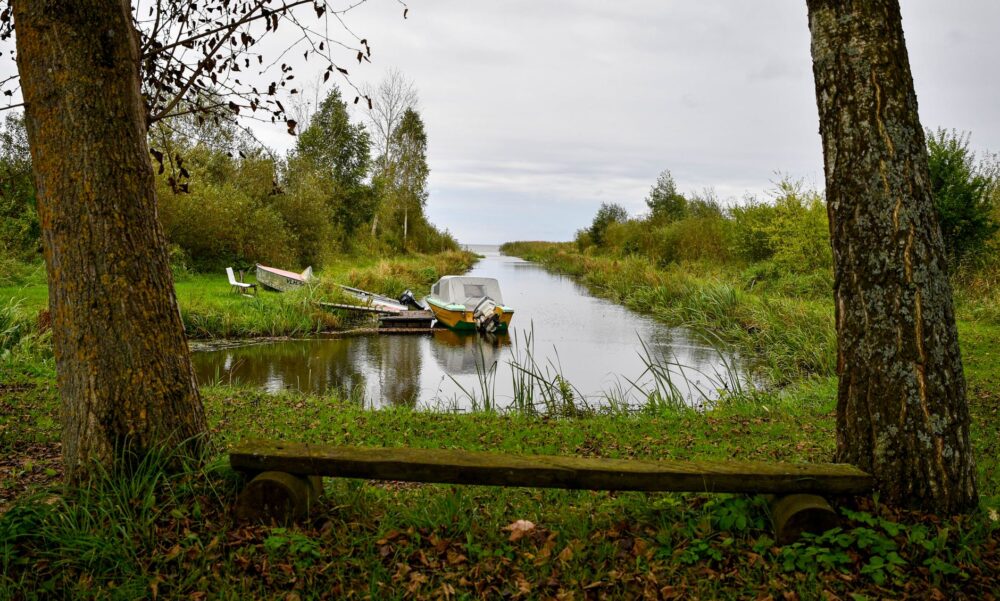
Deep Brittany does not always reveal itself through rugged Atlantic cliffs or the imposing tides crashing against Saint-Malo. In the very heart of the French peninsula, water adopts a leisurely, almost secretive rhythm that flows between centuries-old forests and mossy granite walls. The Canal de Nantes à Brest, and particularly its meandering stretch through the Blavet Valley, constitutes one of the most ambitious civil engineering feats of the 19th century, originally conceived under Napoleonic rule to bypass British maritime blockades. Today, this liquid artery has transformed into a sanctuary for slow river tourism, where inshore navigation allows travellers to understand the territory from a radically intimate perspective, connecting manual locks, converted old mills, and a rural architecture that seems to emerge directly from the surrounding bedrock.
Delving into these waterways requires slowing down and adopting the cadenced pace of the traditional barges that ply the current. Unlike the mass-market tourist routes of the southern coast, the Breton interior preserves a solemn silence, interrupted only by the sound of water overflowing at the spillways and the call of grey herons inhabiting the riverbanks. Here, each manually operated lock is a point of encounter with the guardians of the canal, workers whose daily labour keeps alive a historical mechanism combining mechanical precision with absolute respect for the natural environment.
Napoleonic Engineering and Landscape Sculpted in Stone
The construction of the Blavet navigable system was not an aesthetic whim, but a monumental strategic necessity. At a time when land transport was limited by muddy roads and fragile carriages, connecting the Atlantic ports of Nantes and Brest via the interior river network guaranteed military and commercial provisioning without relying on enemy naval patrols. First Empire engineers designed a layout that tamed Brittany’s rolling topography, overcoming elevation changes through dozens of perfectly fitted ashlar stone locks.

The technical mastery of stone is evident in every pier, every depressed-arch bridge, and every lock-keeper’s cottage, constructed with the region’s characteristic grey granite. These functional buildings, in many cases now protected or converted into information and rest points for cyclists and sailors, maintain an austere and robust aesthetic that dialogues harmoniously with the oak and beech forests flanking the channel. The durability of these materials has allowed the infrastructure to retain its structural integrity two centuries after inauguration, offering a masterclass in how human intervention can integrate into the landscape without fracturing it.
Water does not cut the landscape; it sews it, uniting millennial stone quarries and cultivated fields into a single territory of memory and current.
Exploring these locks also reveals the evolution of local construction techniques. Breton stonemasons, heirs to a millennial tradition in the travail de la pierre, fitted each block with millimetric precision to withstand the constant pressure of water and seasonal floods. This collective effort transformed the region’s hydrographic map, turning an often capricious and barely navigable river into a stable, predictable communication route.

Life on the Banks: Granite Architecture and Forgotten Hamlets
Navigating or cycling along the Blavet implies passing through a succession of villages where time seems to have stopped. In towns like Pontivy or in small rural enclaves such as Saint-Nicolas-des-Eaux, vernacular architecture displays its full repertoire of gabled slate roofs, exposed granite walls, and lintels sculpted with guild and religious symbols. These hamlets, mostly built during the 18th and 19th centuries, reflect the prosperity that river commerce brought during its peak years.
Former bargemen’s houses and grain warehouses, now in some cases converted into modest artisan workshops or literary cafés, retain original elements such as loading pulleys and forged iron rings on their facades. The preservation of architectural heritage has become a priority for local communities, who reject invasive real estate development in favor of respectful restoration that prioritizes traditional materials and artisanal lime plaster techniques.
- Lock-keeper’s houses featuring grey granite ashlar blocks and treated oak joinery.
- Former watermills converted into rural guesthouses and environmental interpretation centers.
- Single-span stone bridges crossing the tightest river bends.
- Towpaths adapted exclusively for pedestrian and cycle-tourist traffic.
This architectural fabric does not merely frame a static postcard; it functions as a three-dimensional archive of rural Breton economy. Every stone tells the story of an era when coal, timber, and wheat traveled toward coastal markets powered by the force of the current and the titanic effort of men and animals walking the towpaths.

Biodiversity of the Green Corridor and Sustainable Water Management
Beyond its historical and architectural value, the Blavet Valley acts as an ecological corridor of vital importance for western France. The ban on high-speed motor navigation across most interior canals has allowed aquatic flora and fauna to flourish without the usual disturbances seen in other European waterways. Yellow water lilies carpet calm water zones, while otters and kingfishers have found optimal breeding habitats on the wooded banks.
Current management of this water system is handled by regional authorities, balancing sustainable tourism needs with environmental conservation. Automatic and manual locks are carefully regulated to maintain minimum ecological flows, preventing eutrophication during drier summer months. The balance between tourism use and preservation demonstrates that it is possible to economically revitalize depressed rural areas without compromising natural resources or altering the delicate cycle of river ecosystems.
Riparian forests, composed mainly of alders, ash, and willows, play a crucial role in nutrient filtration and bank stabilization against erosion. Walking along the towpath beneath this arboreal canopy offers an immersive experience where the murmur of water blends with the whisper of wind through treetops, reminding travellers of the fragility and resilience of these human-touched yet wild landscapes.

Practical guide
Planning a fluvial exploration trip through the canals of interior Brittany requires understanding the logistical particularities of a territory designed for pause. The best season to tour the Blavet Canal spans from May to September, when weather conditions are stable and days are sufficiently long to enjoy days of navigation or cycle touring.
How to get there and transport options:
The main access point to the valley is the town of Pontivy, connected via regular intercity bus services with Rennes and Vannes. For those choosing unlicensed riverboat rentals, operating bases in Pontivy and Saint-Nicolas-des-Eaux offer weekly or long-weekend rentals, including basic piloting and lock-passing training.

Accommodation and local gastronomy:
Traditional hotel offerings are complemented by a network of rural guesthouses («chambres d’hôtes») located in rehabilitated former lock-keeper dwellings. Gastronomic stops must include local artisanal crêperies serving buckwheat galettes paired with artisanal cider from the Cornwall region.
Traveling slowly on water is not merely a means of transportation, but a declaration of principles against the urgency of the modern world.
For hiking and cycling enthusiasts, the Vélodyssée —the cycling route running largely parallel to the canal— offers a paved, well-signed surface suitable for all levels, with bicycle repair stations available at strategic points along the route.
The Echo of Water in the Memory of Deep Brittany
As evening falls, when the last rays of sunlight pierce through the crowns of centenarian oaks and reflect on the canal’s tranquil waters, the landscape acquires an almost pictorial dimension. The locks cease activity, bargemen moor their boats to stone bollards, and silence reclaims absolute dominion over the Blavet Valley. In that moment of stillness, human work—sculpted granite, wood-fitted lock gates, the rectilinear trace of the canal—melts indelibly into the surrounding nature, proving that the true beauty of travel rests in places where the human footprint integrates with humility and respect into the eternal heartbeat of the earth.