
Introduction to the Limestone Strongholds
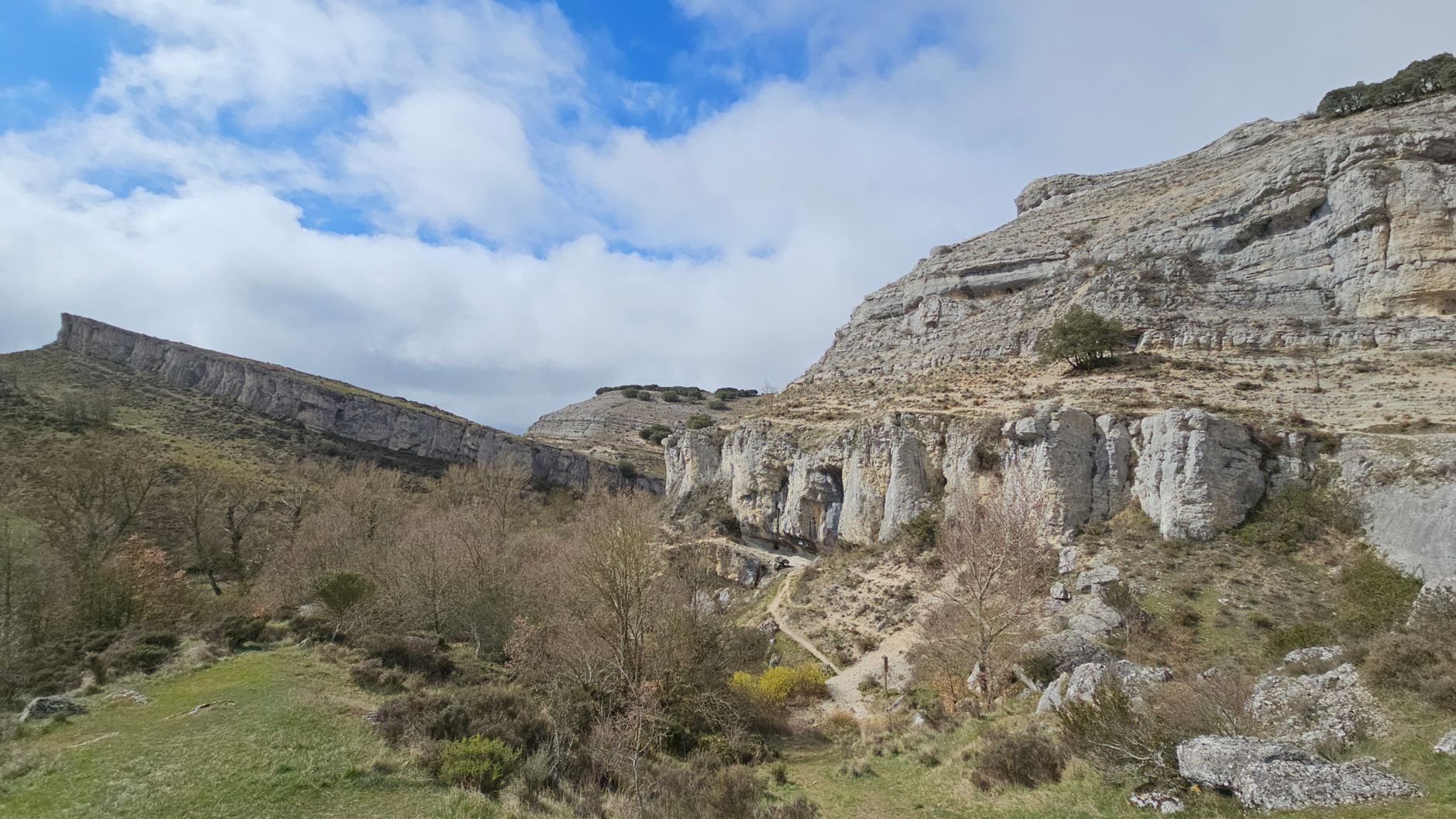
The northern territory of the Iberian Peninsula conceals a landscape where geology dictates the rhythm of wildlife. In the Picos de Europa, the vertical limestone and cretaceous cliffs rise defiantly against winds blowing from the Cantabrian Sea. This rugged relief, shaped by glacial erosion during the Quaternary period, constitutes one of the most vital strongholds for the survival of the golden eagle (Aquila chrysaetos) in southern Europe. Here, survival depends not only on hunting proficiency, but on a complex interaction with a geographical environment as fascinating as it is unforgiving.
Over the centuries, this mountain massif has functioned as a natural sanctuary against anthropogenic pressure. Deep gorges carved by torrential rivers such as the Cares and the Sella delimit inaccessible domains where alpine biodiversity finds its utmost expression. Understanding the dynamics of these populations requires venturing into the ravines, observing thermal updrafts sweeping across the abysses, and analyzing how one of the planet’s most iconic raptors has managed to persist in a landscape undergoing constant climatic and social transformation.
Biology and Morphology of an Apex Predator
The golden eagle stands out for a series of extraordinary morphological and physiological adaptations that enable it to dominate alpine skies. With a wingspan that can exceed two meters in females—which exhibit a reverse sexual dimorphism characteristic of large raptors—this species turns rising thermal air currents into its natural medium of travel. Its plumage, featuring dark brown tones with golden highlights on the nape and back, offers optimal camouflage against the tones of limestone rock and Atlantic scrub.
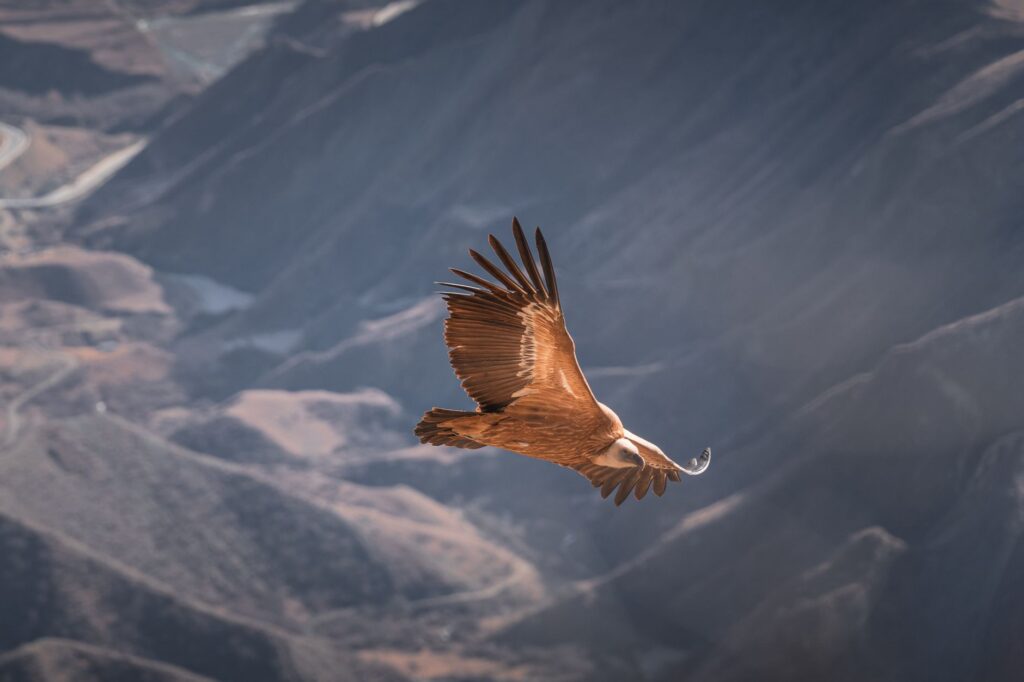
The vision of Aquila chrysaetos is an evolutionary masterpiece. With a photoreceptor density in the retina vastly superior to that of humans, an adult specimen is capable of detecting the movement of a hare or juvenile chamois at a distance of over one kilometer. Its talons, endowed with tremendous power and a specialized rear digit known as the killing claw, are designed to immobilize sizable prey. This combination of visual acuity, strength, and diving speed—which can exceed two hundred kilometers per hour—places the golden eagle at the apex of the rupicolous ecosystem’s trophic pyramid.
Thermoregulation and Flight Dynamics in the Alpine Environment
Living in mountain summits exposes wildlife to extreme thermal fluctuations. During winter months, temperatures in the Picos de Europa drop drastically below freezing, while in summer the rock faces accumulate intense heat. The golden eagle manages these variations through complex behavioral and physiological thermoregulation strategies. Adjusting feather positioning to create insulating air chambers or seeking shelter on ledges protected from dominant winds are common behaviors observed by field biologists.
Likewise, the flight of this species is intimately linked to local meteorology. Slope thermal currents and orographic updrafts generated when wind collides with rock walls allow the eagle to remain airborne for hours with minimal energy expenditure. This mastery of the wind not only facilitates territorial patrol, but optimizes foraging in remote valleys where traveling on foot would prove prohibitive for any terrestrial predator.
Territoriality and Nesting Strategies on Cliffs
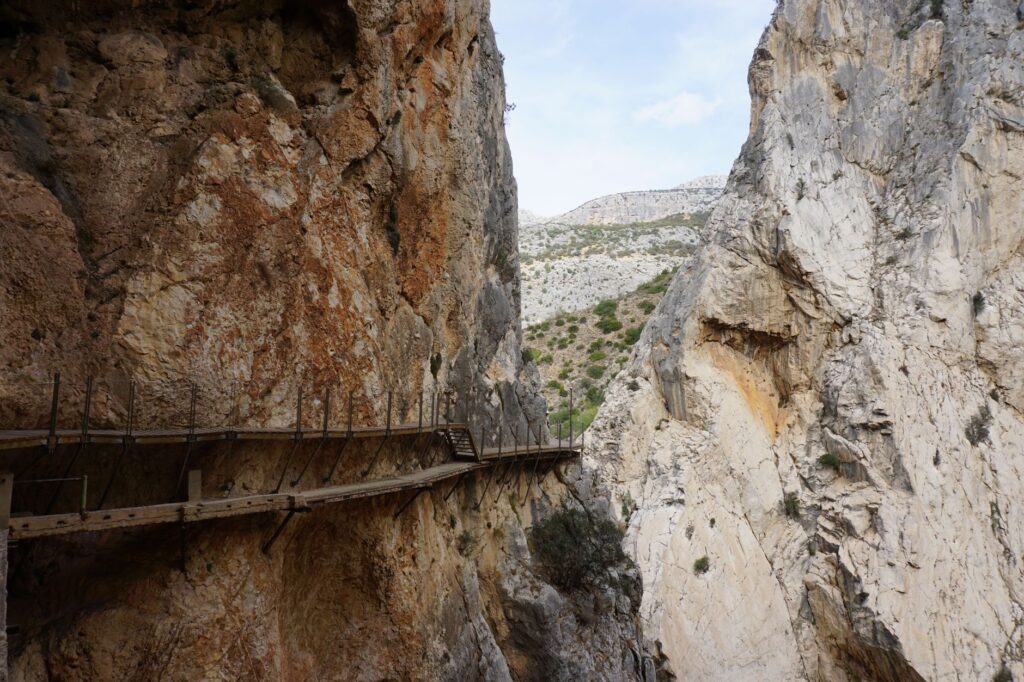
A golden eagle pair’s territory can span dozens of square kilometers, an area they vigorously defend against intruding conspecifics and other aerial competitors. Within this home range, the birds select inaccessible ledges in rock cutouts to build or reuse their nests, technically known as eyries. These structures, massive accumulations of branches and vegetation that grow year after year, are strategically positioned beneath rock overhanging ledges that protect them from heavy rain, snow, and direct solar radiation.
Fidelity to nesting sites is a notable characteristic of the species. A single pair may alternate between several nests within its territory across multiple seasons. Egg-laying usually takes place in late winter or early spring, typically consisting of one to three eggs. The incubation process, undertaken primarily by the female while the male provides sustenance, lasts around forty-five days. Sibling rivalry (cainism) usually ensures that only the strongest chick survives in years of scarce trophic resources.
Diet and Ecological Role as Trophic Regulators
The trophic spectrum of the golden eagle in the Picos de Europa is broad and opportunistic, rigorously adapted to the seasonal availability of prey in the mountain environment. Although its primary diet consists of medium and small mammals such as hares, rabbits, historically introduced marmots, and the offspring of wild ungulates like the Pyrenean chamois or roe deer, it also includes medium-sized birds and carrion when weather conditions hinder active hunting.

The consistent presence of breeding golden eagle pairs acts as a reliable bioindicator of the overall health of rupicolous ecosystems in northern Spain.
This predatory role fulfills an essential regulatory function. By preferentially removing sick, weak, or less reactive specimens, eagles contribute directly to natural selection and the prevention of epizootics within wild herbivore populations. Their ecological role demonstrates that wildlife conservation is not limited to protecting an individual species, but rather preserving the intricate trophic webs supporting the biodiversity of the entire mountain massif.
Contemporary Threats: Fragmentation and Disturbances
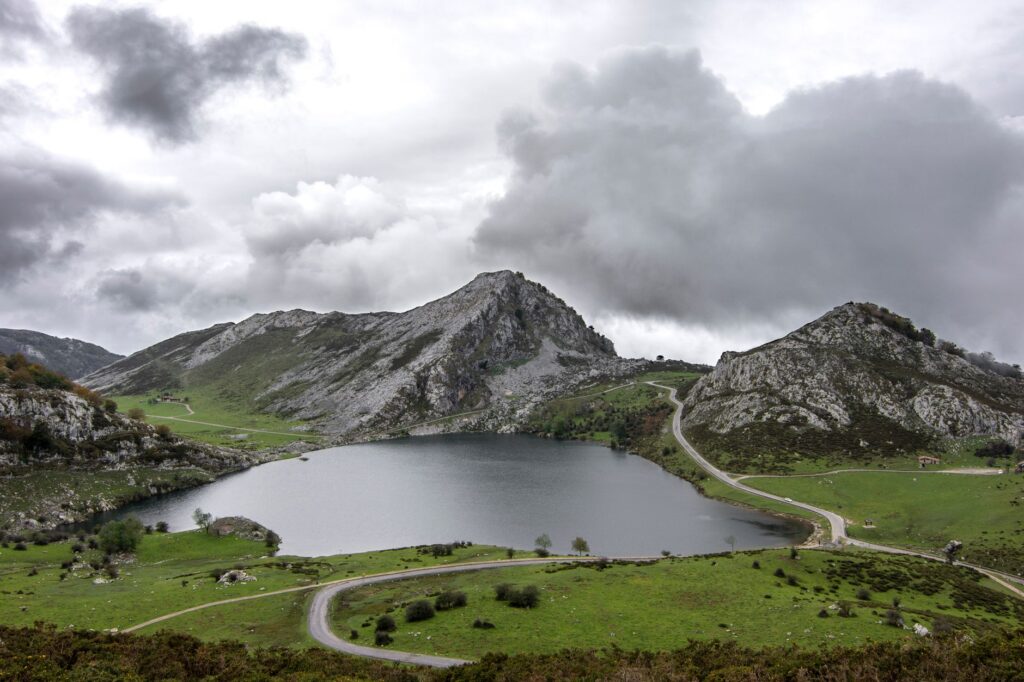
Despite their strict legal protection status, golden eagle populations in northern Spain face complex challenges threatening their long-term stability. Among the main threats are habitat alteration due to human infrastructure, unregulated tourism development in peripheral areas, and the proliferation of forest tracks that increase human access to sensitive breeding zones during the reproductive period.
Another major concern is direct mortality resulting from collisions with insufficiently shielded power lines and the illegal use of poisoned baits supposedly intended to control terrestrial predators. Likewise, human pressure arising from recreational mountain activities, such as rock climbing near occupied cliffs or uncontrolled drone flights, generates acute stress episodes in breeding pairs, occasionally leading to the definitive abandonment of nests and failure of annual clutches.
Conservation Efforts and Habitat Management
Facing these challenges, the regional administrations of Castile and León, Asturias, and Cantabria, in collaboration with non-governmental organizations and scientific teams, have implemented diverse conservation and population-monitoring strategies. These programs include marking and correcting hazardous power lines, close surveillance of nesting territories during critical months, and conducting periodic censuses to evaluate the demographics and reproductive success of the species.
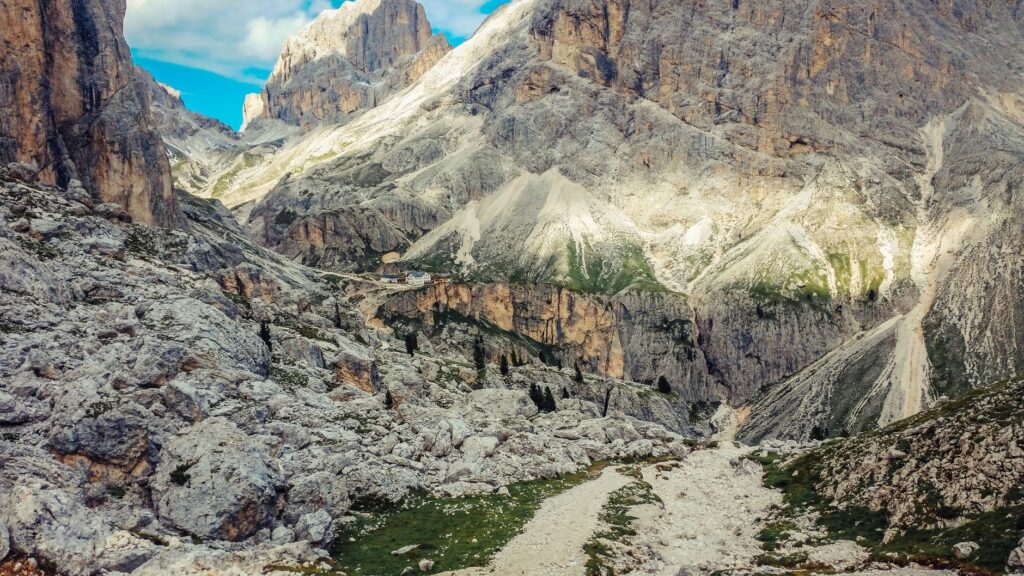
Environmental education directed at shepherds, livestock farmers, mountaineers, and local tourism operators is another key tool. Fostering a culture of respect toward rupicolous fauna and demonstrating that the presence of large raptors constitutes an incalculable natural heritage has significantly reduced traditional conflicts. Interdisciplinary cooperation proves that protecting the golden eagle in the Picos de Europa is viable if rural socioeconomic development can be reconciled with the strict preservation of protected natural spaces.
Practical guide
Planning a respectful and rigorous visit to the Picos de Europa for high-mountain birdwatching requires precise information and a strict environmental code of conduct.
- Best time for observation: Spring months (April to June) coincide with the breeding season, when birds show heightened activity around cliffs, although caution must be maximized to avoid disturbance. Autumn offers stable conditions for alpine hiking.
- How to get there: Main access points are through Arenas de Cabrales on the Asturian slope, Potes on the Cantabrian side, and Posada de Valdeón on the León side, using regional roads connecting to the Cantabrian Highway (A-8).
- Recommended equipment: High-quality binoculars (8×42 or 10×42), spotting scope with tripod for long-distance observation, technical mountain footwear, layered waterproof and windproof clothing, and raptor identification guides.
- Regulations and restrictions: Flying drones over protected nesting areas is strictly prohibited. Marked trails must be respected, and a prudent distance maintained using optics, avoiding alterations to wildlife behavior during the breeding season.
- Accommodation and visitor centers: Multiple mountain refuges managed by mountaineering federations exist, alongside traditional rural guesthouses in the valleys. National Park visitor centers in Cangas de Onís and Tama offer up-to-date route and regulation information.
Epilogue: The Silence of the Summits
As evening falls, when the last rays of sun withdraw from the highest peaks of the Picos de Europa and dye the limestone rock a deep ocre hue, silence reclaims absolute dominion over the gorge. In that moment of luminous transition, the unmistakable silhouette of a golden eagle gliding in concentric circles over the abyss recalls both the fragility and the persistence of wildlife in the planet’s most demanding environments. Observing this scene is not merely an exercise in aesthetic contemplation, but a call to the shared responsibility of ensuring mountain skies forever maintain their most noble inhabitant.