
In the heart of the Pennine Alps and the Lugano Prealps, the Centovalli railway line—formally known as the Società Subalpina di Imprese Ferroviarie and jointly operated by Ferrovie Autolinee Regionali Ticinesi and SSIF—constitutes one of Europe’s most fascinating mountain engineering feats. Inaugurated in 1923, this narrow-gauge route connects the Swiss city of Locarno, on the shores of Lake Maggiore, with the Italian town of Domodossola in Piedmont. Across its 52-kilometer journey, the train meanders through a rugged landscape of deep gorges, roaring waterfalls, and chestnut-covered slopes, defying a topography that for centuries had isolated the communities inhabiting these valleys.
The layout is not merely a marvel of contemporary tourism mobility, but the result of a complex geopolitical and economic vision from the early twentieth century. The need to link the Simplon axis with northern Italy and the Swiss valleys of Ticino drove a design that prioritized overcoming extreme elevation changes without the use of rack railways, relying entirely on adhesion and a daring layout of suspension bridges, stone viaducts, and tunnels hand-carved into living rock.
Origins and Geopolitical Vision of a Cross-Border Link
The genesis of the Centovalli Railway dates back to parliamentary and economic discussions held between Bern and Rome in the late nineteenth century. With the opening of the Simplon Base Tunnel in 1906, international railway traffic underwent a radical transformation, leaving intermediate regions such as the Vigezzo Valley and the Centovalli—literally the valley of a hundred valleys—on the sidelines of major trade routes. Local municipalities, backed by Swiss and Italian engineers, then conceived a corridor that would drastically shorten transit time between the canton of Ticino and the Italian region of Piedmont, avoiding the lengthy detour via Milan or the alpine road passes.
Construction, formally initiated prior to the First World War, suffered numerous delays due to shortages of coal, steel, and labor. Nevertheless, the determination of local governments and the drive of Helvetic civil engineering allowed the completion of the route in 1923. From its first day of operation, the train became the economic backbone of a region characterized by seasonal emigration and a scarcity of arable land, enabling the safe transport of goods, mail, and passengers under frequently adverse weather conditions.
Gorge Engineering and Overcoming Alpine Terrain
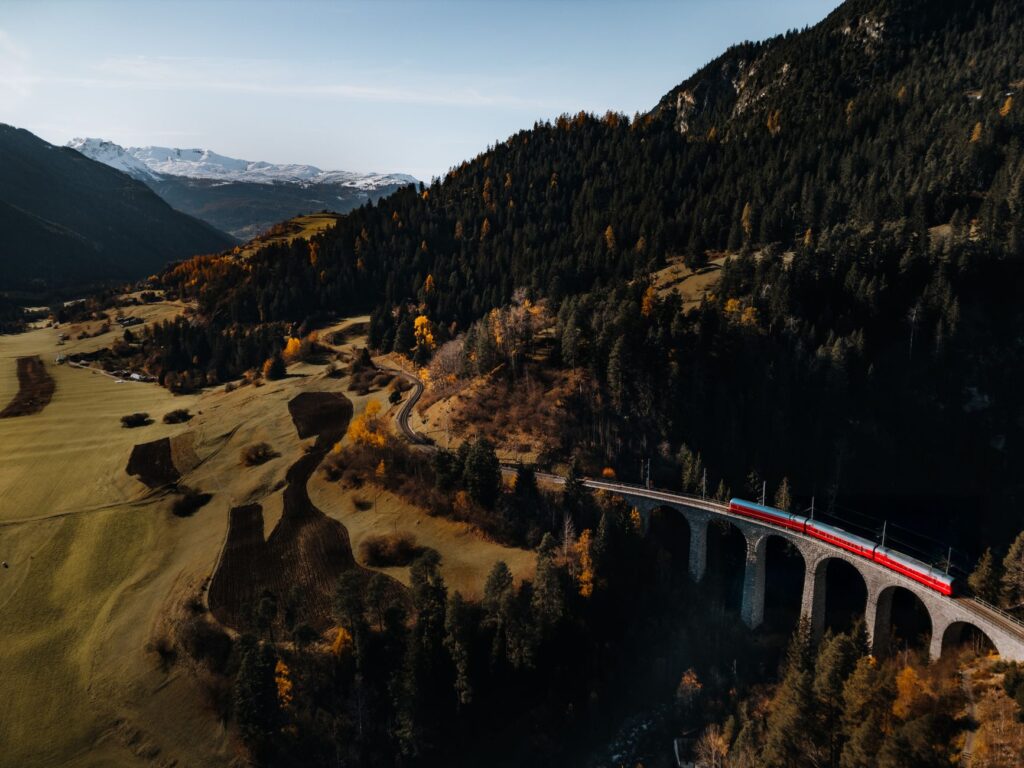
The primary challenge faced by construction engineers was the extreme fragmentation of the terrain. The Melezza River and the Isorno stream have carved gorges hundreds of meters deep over millennia, separated by nearly vertical rocky buttresses. To span these abysses without resorting to excessive gradients that would have made traction impossible at the time, a system of ashlar masonry viaducts made of granite and lattice metal bridges was designed, which are today considered authentic masterpieces of European industrial heritage.
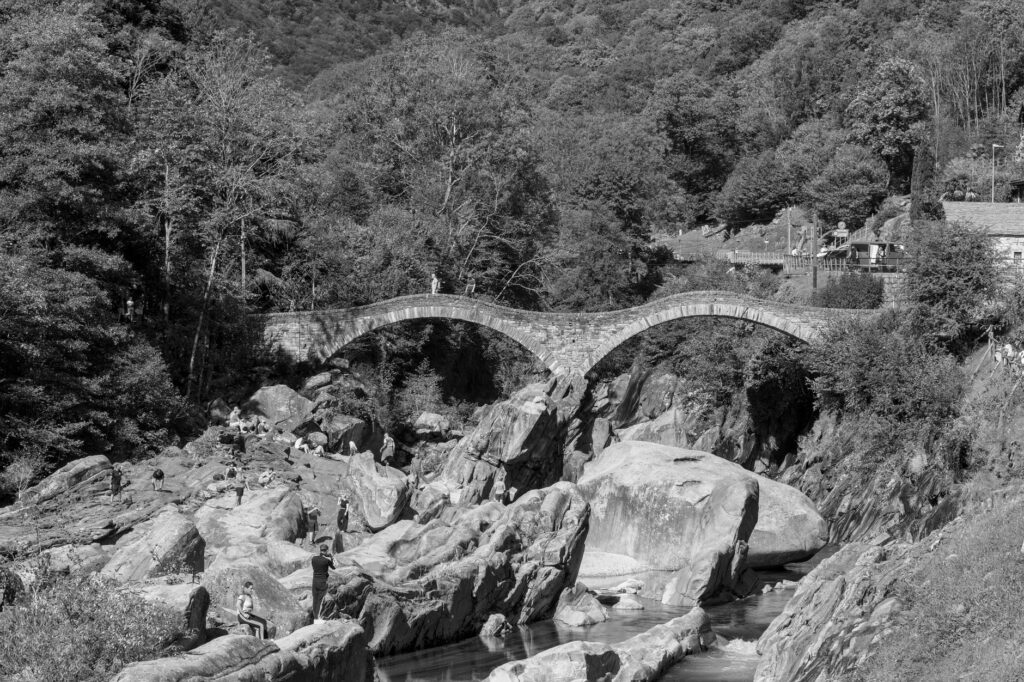
Structures such as the Intragna viaduct or the multiple bridges crossing the Melezza canyon demonstrate mathematical precision in load calculation and adaptation to local geology. Each stone block was quarried from the same region and placed by master stonemasons working under precarious conditions on scaffolds suspended over the void. Furthermore, the route includes dozens of tunnels and snowsheds designed to protect the track from frequent rockfalls and winter avalanches typical of the alpine winter.
Pioneering Electrification and Rolling Stock Evolution
From its inception, the Centovalli Railway decisively embraced electric traction, a technological milestone at a time when most secondary European lines still depended on steam locomotives. The adoption of a 1200-volt direct current system not only allowed for more efficient handling of gradients of up to 60 per mil, but also drastically reduced polluting emissions inside the route’s numerous tunnels.
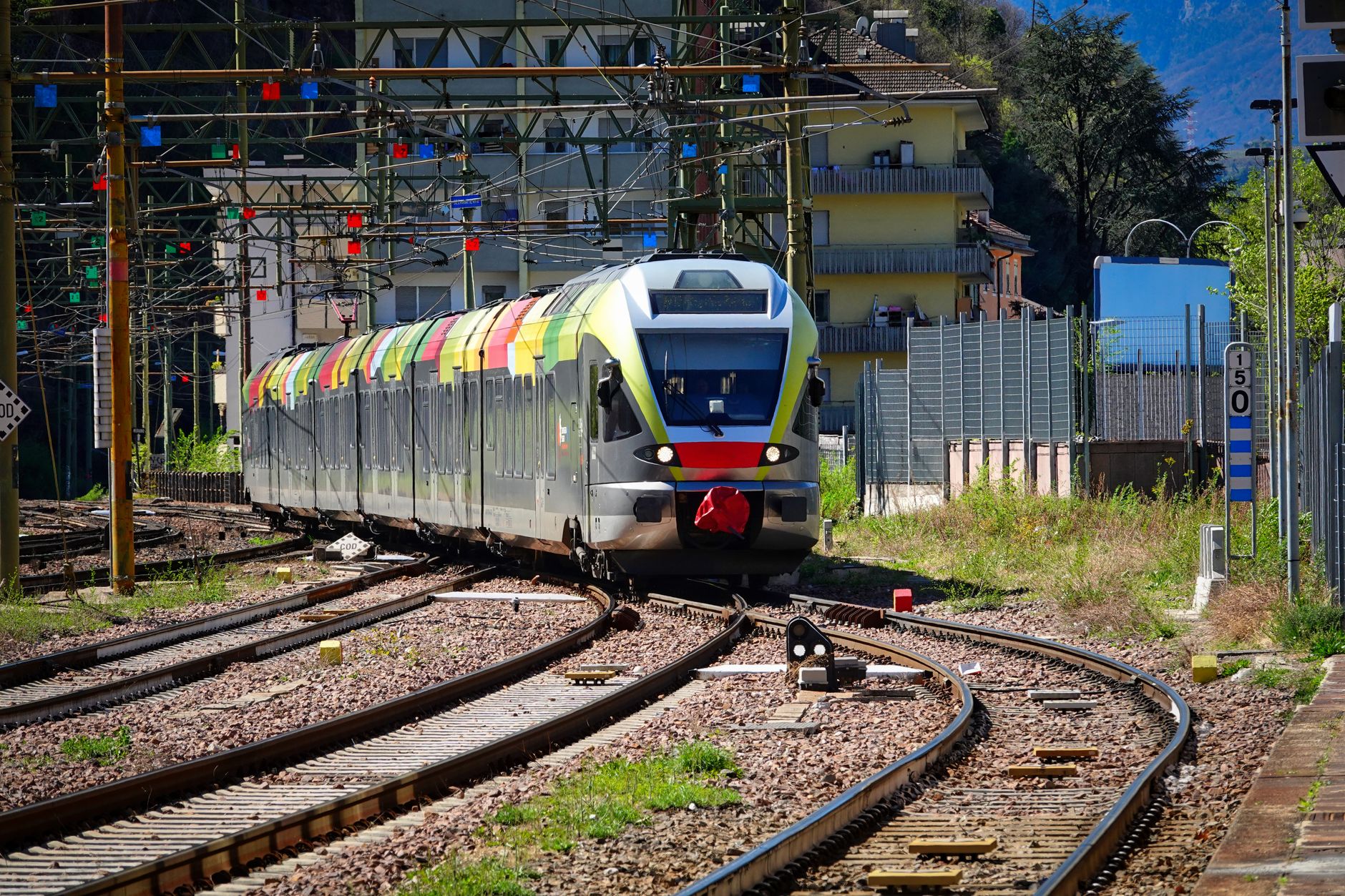
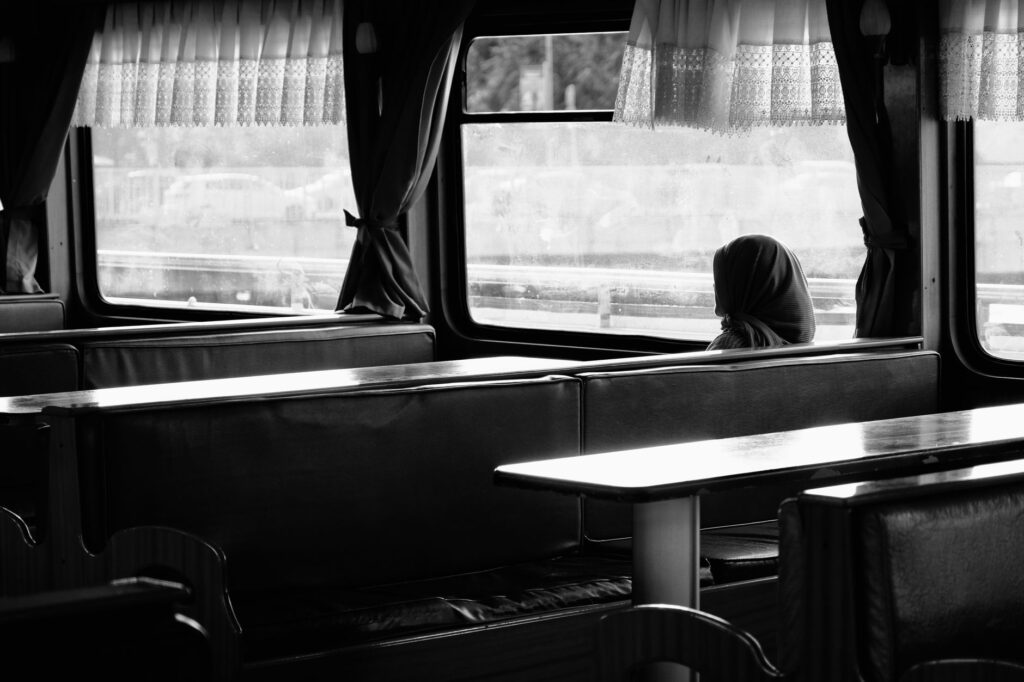
Throughout its centennial history, the vehicle fleet has evolved from classic wooden carriages with open platforms to the modern articulated panoramic units operating today. These contemporary trains combine maximum regenerative braking safety—essential for prolonged descents toward Locarno or Domodossola—with large glazed surfaces that guarantee travelers an uninterrupted overhead and panoramic view of the gorges, keeping the line’s scenic vocation alive without compromising Swiss railway standards.
Alpine Logistics and Local Socioeconomic Cohesion
Beyond its obvious appeal for the travel and nature tourism sector, the Centovalli has traditionally fulfilled an irreplaceable logistical function for the inhabitants of the villages perched along the slopes. Hamlets like Verdasio, Borgnone, or Camedo depend entirely on this transport axis for basic supplies, school connections, and the commuting of workers traveling to urban centers around Lake Maggiore.
The coordinated timetable system between the Swiss company FART and the Italian SSIF guarantees a model integration of services on both sides of the border. Despite budgetary challenges inherent to maintaining linear infrastructure in high mountain areas—where the maintenance cost per kilometer far exceeds that of lowland networks—regional administrations have prioritized injecting public funds to ensure signaling modernization and the stabilization of unstable slopes.
Vernacular Architecture and Cultural Heritage Along the Track
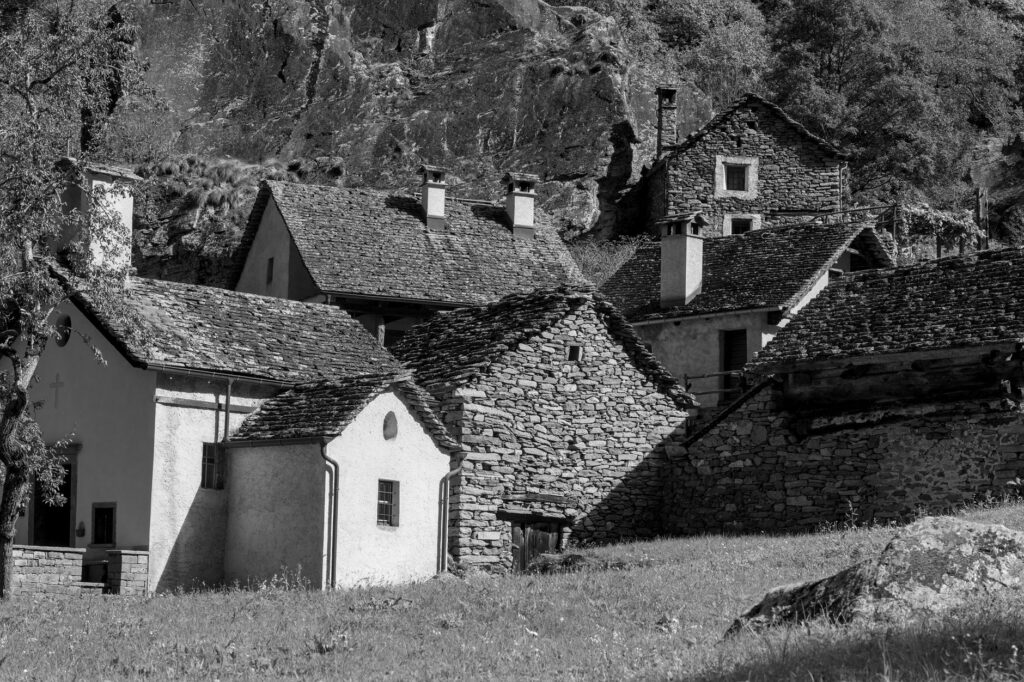
The journey aboard the Centovalli also constitutes an anthropological immersion into the vernacular architecture of the Insubric valleys. The stations along the route, built with local stone masonry and slate slab roofs, reflect the shared identity of communities that, despite belonging to two different states, share construction traditions, dialects, and an agricultural past deeply tied to chestnut cultivation and high-mountain grazing.
In towns like Santa Maria Maggiore, situated at the Italian end of the Vigezzo Valley, the railway’s influence stimulated the development of a cultural and commercial hub that attracted painters, writers, and artisans. The proximity of the track to historical urban centers has prevented the absolute rural exodus that has punished other European mountain regions, allowing the local population to keep a unique intangible heritage alive, visible in its festivities, mountain gastronomy, and the preservation of ancient artisanal crafts.
Contemporary Challenges of Cross-Border Mobility and Sustainability
In the context of the twenty-first century, the Centovalli Railway faces the challenge of consolidating itself as a pillar of sustainable mobility against road transport. Authorities in Locarno and Domodossola are promoting joint strategies to increase convoy frequency during peak hours, reducing reliance on private automobiles on the cantonal road running parallel to the valley, which is frequently congested during summer weekends.
Additionally, tariff integration between the public transport systems of Ticino and Piedmont represents a pioneering model of cross-border cooperation within the European Union and the non-EU Swiss space. Travelers can use combined transport tickets that facilitate seamless transfers with the Lake Maggiore navigation network and high-speed rail services toward Milan and Bern, demonstrating that historical infrastructures can be successfully reinvented as ecological axes of regional connectivity.
Practical guide
- How to get there: The main access is via the nodal stations of Locarno (Switzerland) and Domodossola (Italy). Locarno has direct connections via SBB trains from Bellinzona and Lugano, while Domodossola is integrated into the international SBB and Trenitalia network through the Simplon Tunnel.
- Tickets and reservations: It is recommended to purchase the integrated cross-border ticket (valid for one day for round-trip or single journeys). Although standard regional trains do not require prior reservation, seats on special panoramic trains require a surcharge and advance booking, especially during the autumn and spring months.
- Best time to travel: October and November offer an exceptional chromatic spectacle thanks to falling leaves in the Centovalli chestnut forests. Spring (May to June) stands out for peak waterfall flow and alpine blooming.
- Journey duration: The complete trip between terminals takes approximately one hour and fifty minutes, depending on commercial stops and operational connections.
- Travel tips: It is advisable to sit on the right side of the train in the Locarno-Domodossola direction to enjoy the best views over the main ravines and viaducts. Comfortable footwear is essential if planning to disembark at intermediate stations for hiking segments.
When the last convoy of the day slowly crosses the stone viaducts defying the abyss of the Melezza, under the amber light of antique lanterns illuminating the mountain platforms, the traveler understands the real dimension of this engineering work. It is not merely an efficient means of transport between two sovereign valleys, but a lasting pact between human ingenuity and the immensity of the alpine territory, a guiding thread that has successfully preserved the pulse of border communities through a century of global transformations.