
The Igneous Origin of Nordic Wellness
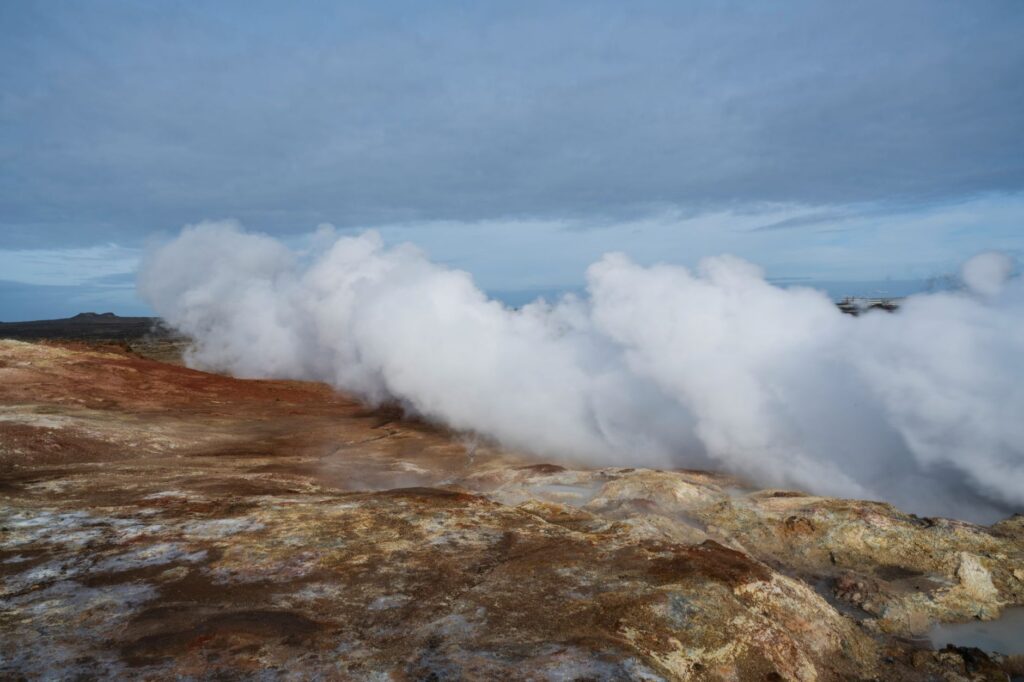
The Earth’s crust in southwestern Iceland breathes through ancient fissures that have fundamentally transformed humanity’s relationship with subterranean heat. Just a few kilometers from the capital, the volcanic landscape unfolds like a dark canvas of rugged lava concealing a vast network of thermal currents beneath its surface. This geological phenomenon is not merely a scenic attraction; it forms the core of a healing culture rooted in survival and profound respect for natural elements.
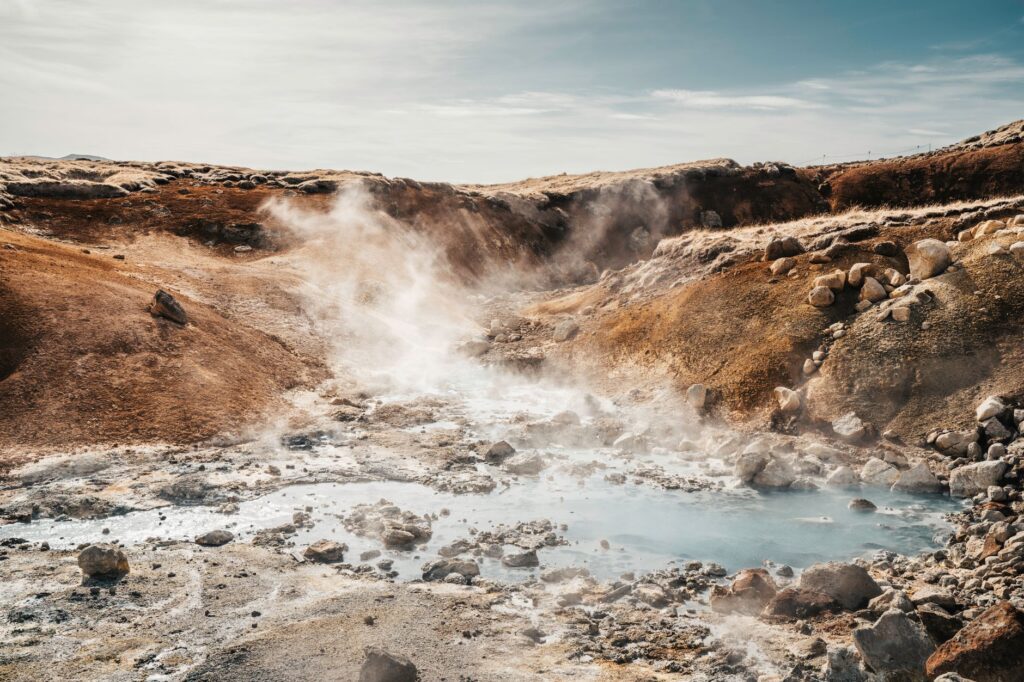
Far from the commotion of conventional tourist circuits, the valleys of Reykjanes operate under an unforgiving geodynamic logic. Rainwater percolates for decades through basalt strata, where deep-seated magma chambers heat it into pressurized steam before filtering back toward the surface, laden with essential minerals such as silica and sulfur. This natural alchemy has given rise to a form of hydrotherapy where minimalist Icelandic architecture engages in a direct dialogue with the aesthetic desolation of the surroundings.
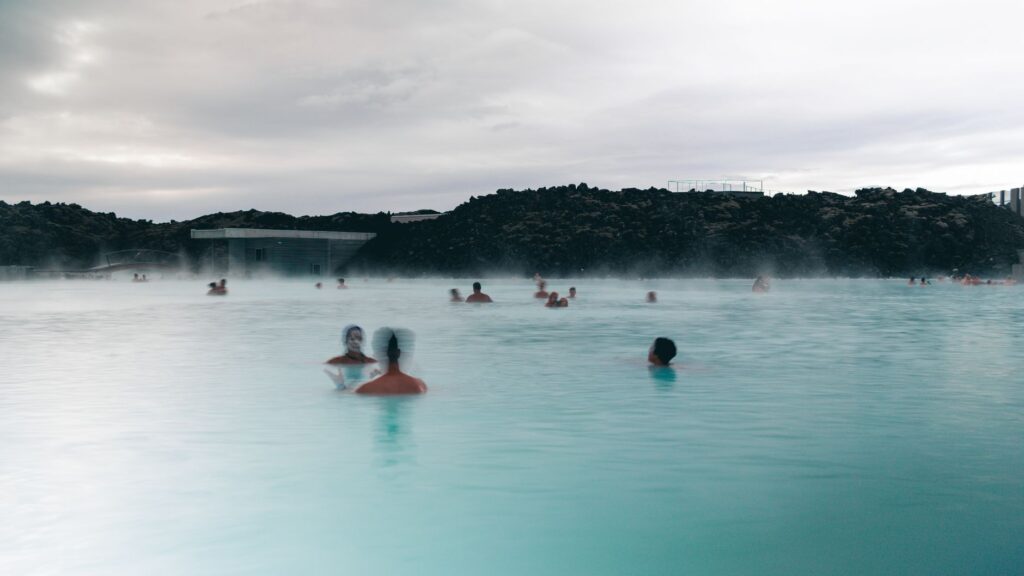
The design of these contemporary thermal complexes responds to a strict premise of minimal landscape intervention. Local architectural firms utilize indigenous materials, prioritizing exposed concrete and unpolished volcanic stone to seamlessly blend the facilities with the surrounding lava fields. Structures adapt to the undulating topography, allowing the traveler to experience a fluid transition between the freezing outdoors and immersion in waters that consistently hover between thirty-eight and forty degrees Celsius.
The Invisible Mineralogy of Deep Waters
To fully grasp the scope of wellness in these latitudes, one must analyze the chemical composition of their springs. Unlike other European thermal basins of sedimentary origin, Icelandic geothermal water stands out for its high concentration of microelements derived from submarine and terrestrial volcanic activity. Suspended amorphous silica, for example, acts as a physical exfoliating agent and skin protector, leaving a characteristic white layer on the skin that visitors ritually apply during their soak.
The region’s hydrotherapy centers have evolved from primitive stone pools built by early Norse settlers into sophisticated biocompatible wellness laboratories. In these spaces, water temperature is regulated via natural flow systems that harness the energy of nearby geothermal power plants without disrupting the ecological balance of the aquifer. This sustainable utilization ensures that the resource constantly renews itself, preserving the pristine purity that characterizes the area’s springs.
The sensory experience is completed by the thermal contrast experienced when breathing the crisp Arctic air while the body remains submerged. This contrast stimulates the circulatory system, promoting peripheral vasodilation and relieving tension accumulated in deep muscle tissue. Local therapists emphasize that the true value of these baths lies in the mental detachment induced by the absolute silence of the volcanic plains, broken only by the distant murmur of the wind and the rising steam.
The heat emanating from the depths of the Earth is not merely thermal energy; it is the primordial pulse of a land shaped by fire and ice.
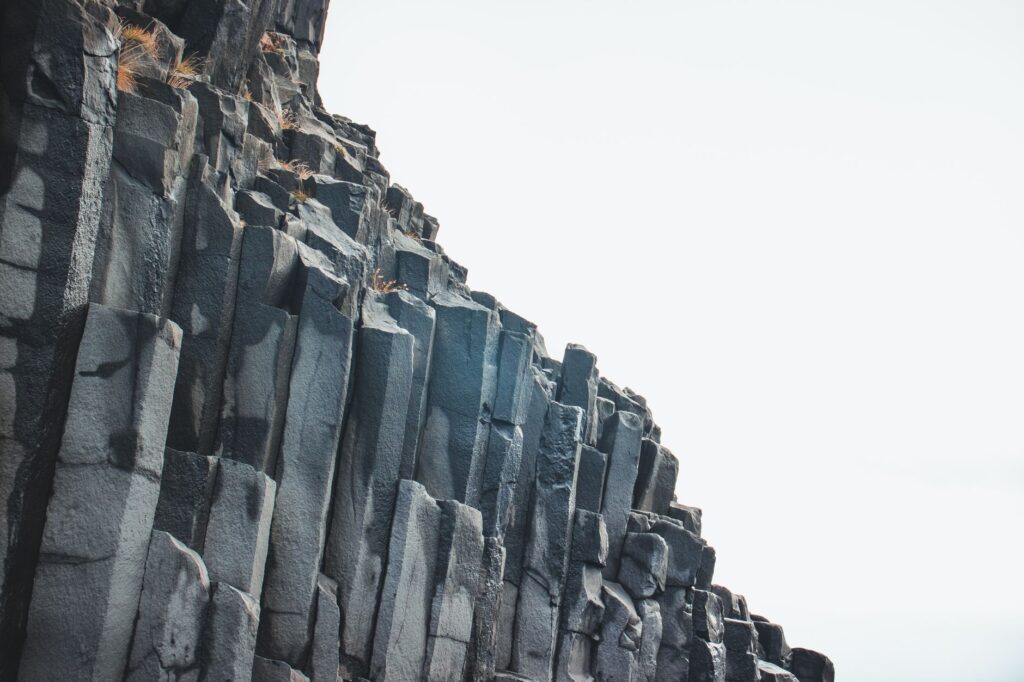
Vernacular Architecture and Basalt Geometry
The visual integration of wellness centers into the Reykjanes landscape represents one of the most remarkable achievements of contemporary Scandinavian design. Architects deliberately avoid superfluous ornamentation, favoring clean lines, large tempered glass windows, and green roofs that merge seamlessly with the surrounding tundra during both summer and winter months. The use of treated larch wood and weathering steel completes a restrained color palette that mirrors the island’s natural tones.
Each building is conceived to maximize visual connection with the horizon. From the main pools, visitors gaze upon endless fields of brilliant green moss coating fossilized lava—a chromatic contrast that defines Iceland’s visual identity. Interior spaces prioritize calculated dimness and absorbent acoustics, creating calm sanctuaries where time seems to stand still in the face of the outer elements’ fury.
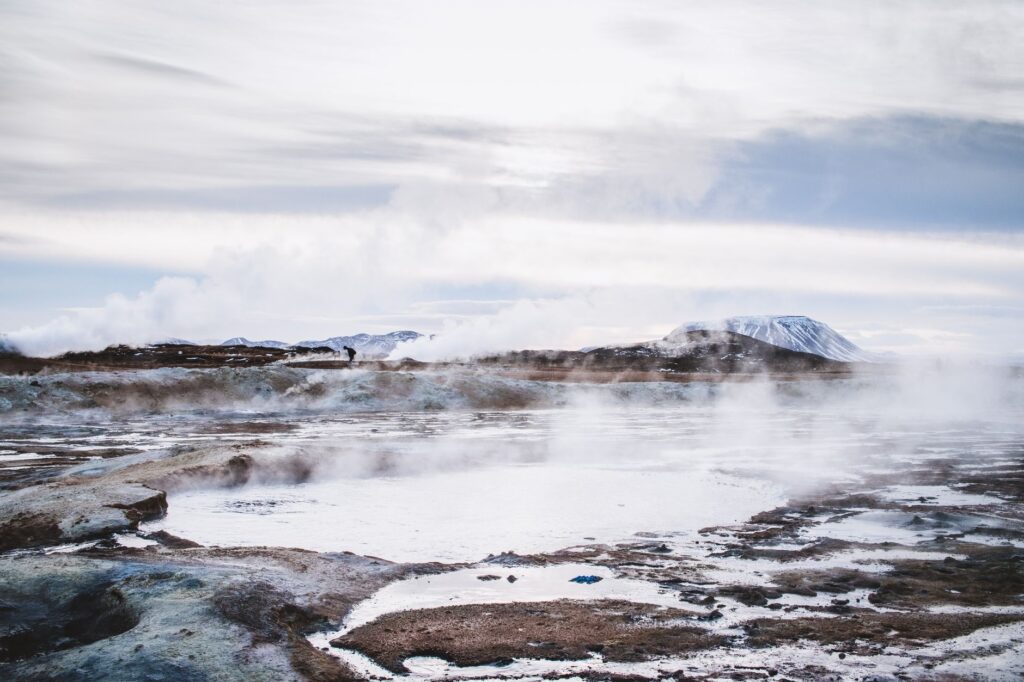
This architectural approach is intentional, rooted in a philosophy where modern comfort does not compete with nature but subordinates itself to it. Wooden walkways meander among volcanic rock mounds along a path that meticulously respects original geological formations, avoiding disruption to the fragile endemic moss ecosystems that take decades to recover from any human alteration.
The Circadian Rhythm Under Boreal Light
Wellness in these latitudes is intrinsically conditioned by the extreme lighting cycles of the annual calendar. During the summer solstice, the midnight sun bathes the thermal pools in a golden, oblique light that extends relaxation hours late into the night, positively altering travelers’ sleep patterns. Conversely, the prolonged darkness of the Arctic winter transforms nocturnal immersion into a privileged observatory for witnessing the aurora borealis.
Chronobiology specialists point out that controlled exposure to geothermal heat during dark months stimulates melatonin and serotonin production, effectively countering symptoms of seasonal affective disorder. The exterior gloom, pierced only by green flashes in the firmament, fosters a deep meditative state nearly impossible to achieve in hyperconnected urban environments.
This seasonal cycle demands constant adaptation from thermal centers, which adjust protocols and operating hours to accompany visitors’ natural biological rhythms. The experience is thus conceived as an exercise in synchronization with the planet, where the traveler learns to surrender to the hegemony of Icelandic light and climate.
Energy Sustainability and Water Management
Behind the apparent simplicity of these relaxation oases lies a complex green engineering infrastructure. Iceland is a global benchmark in clean energy utilization, and its wellness facilities operate under strict net-zero carbon emission standards. Water used in the baths flows through closed circuits that, after fulfilling their therapeutic function, are redirected toward district heating systems or safely returned underground in a controlled manner.
Waste management and water consumption are subjected to rigorous environmental audits supervised by governmental agencies. Biodegradable and strictly local personal care products, formulated with marine algae and sustainably extracted minerals, are employed throughout. This ecological consciousness permeates the entire wellness tourism value chain in the region, ensuring that sector growth does not compromise the territory’s geological fragility.
Commitment to sustainability also extends to local communities, which actively participate in managing tourism resources to prevent overcrowding and preserve the exclusive, contemplative character of thermal experiences. The goal is to maintain a lasting balance between economic activity and the conservation of natural heritage for future generations.
Geothermal Gastronomy and Mindful Nutrition
The wellness experience in the Reykjanes valleys extends beyond water through a culinary proposal that utilizes Earth’s own heat as a traditional cooking method. In several regional enclaves, local chefs leverage high volcanic soil temperatures to bury airtight containers filled with dark rye bread—known as *rúgbrauð*—which slowly bakes for twenty-four hours using natural geothermal heat.
This zero-kilometer cuisine prioritizes wild and marine ingredients of exceptional freshness: free-range lamb from mountain pastures, fish caught in the icy waters of the North Atlantic, and wild berries harvested from the tundra. The nutritional philosophy complements the detoxifying effects of hydrotherapy, offering light yet nutrient-dense dishes that replenish minerals lost during prolonged bathing.
The dining rooms of these wellness sanctuaries feature large glass windows oriented toward the landscape, allowing the act of eating to become an extension of visual contemplation. The simplicity of the dishes reflects the honesty of a cuisine that rejects artifice to elevate the genuine flavor of Icelandic raw materials.
Practical guide
How to get there: The primary international entry point is Keflavík International Airport (KEF), located about a forty-five-minute drive from the main thermal centers of the Reykjanes peninsula. Renting a four-wheel-drive (4×4) vehicle is strongly recommended if traveling during winter months due to weather instability.
When to go: The summer season (June to August) offers milder temperatures and continuous daylight, ideal for combining hiking with bathing. Winter months (November to February) guarantee snowy landscapes and the chance to spot northern lights, though they require heightened caution on the road.
Reservations: Due to strict capacity policies designed to preserve water quality and environmental tranquility, booking tickets to thermal complexes weeks or even months in advance is mandatory.
Recommended packing: Essential items include thermal layered clothing, an impermeable windbreaker, trekking boots with high-traction soles, and a quick-drying swimsuit. Removing silver jewelry before entering the water is strongly advised, as sulfur and minerals can permanently oxidize them.
The Ultimate Silence of Lava
At dusk, when artificial lights dim and gloom blankets the basalt fields, the Reykjanes valleys recover their primordial stillness. Immersion in these springs ceases to be a mere body-care practice and transforms into an exercise of deep introspection. The steam rising into a clear sky dissipates slowly in the Atlantic breeze, carrying away the tensions of the outside world.
In this northern outpost, wellness is not understood as an ephemeral luxury, but as a necessary reconnection with the elemental forces sustaining the planet. The traveler departs these sanctuaries with the certainty of having participated in an ancient ritual where water, stone, and fire merge to restore the body’s purest balance.