
Geological Origins in the Mount Aso Caldera
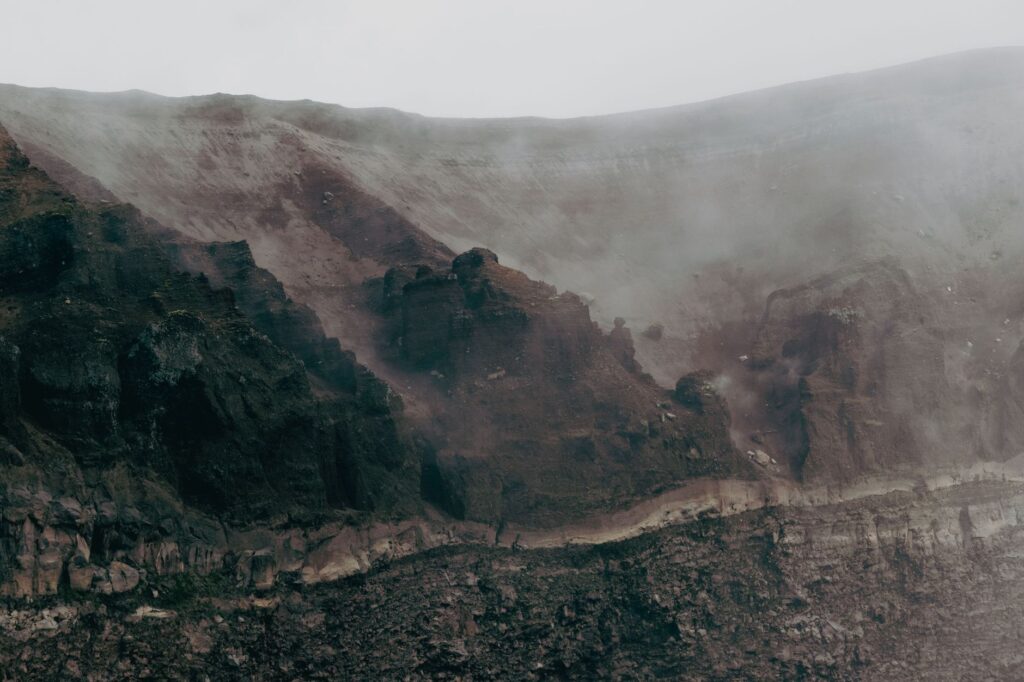
Southern Japan harbors one of the most dynamic and capricious geographies in the Asian archipelago. In the mountainous heart of Kumamoto Prefecture, the immense caldera of Mount Aso defines a territory where the earth itself breathes through invisible fissures. Just a few kilometers from the active craters, rainwater and snowmelt slowly filter through ancient volcanic strata, gradually warming thanks to subterranean magma before emerging onto the surface in the form of pure mineral springs. For centuries, this geological phenomenon has sustained a water civilization that understands hydrotherapy not as a modern luxury, but as a restorative necessity deeply rooted in local philosophy.
Unlike the massive urban hotel complexes that proliferated in post-war Japan, the remote valley of Kurokawa has resisted with admirable firmness the temptation of mass development. Here, geography has not been flattened to please the tourist; on the contrary, the rugged, forested topography of the river valleys has dictated every meter of construction. The waters welling up in the springs possess remarkably diverse chemical compositions—rich in sulfides, bicarbonates, and carbonic acids—turning each thermal establishment into a therapeutic microcosm with specific properties for circulation, skin, and muscular relief.
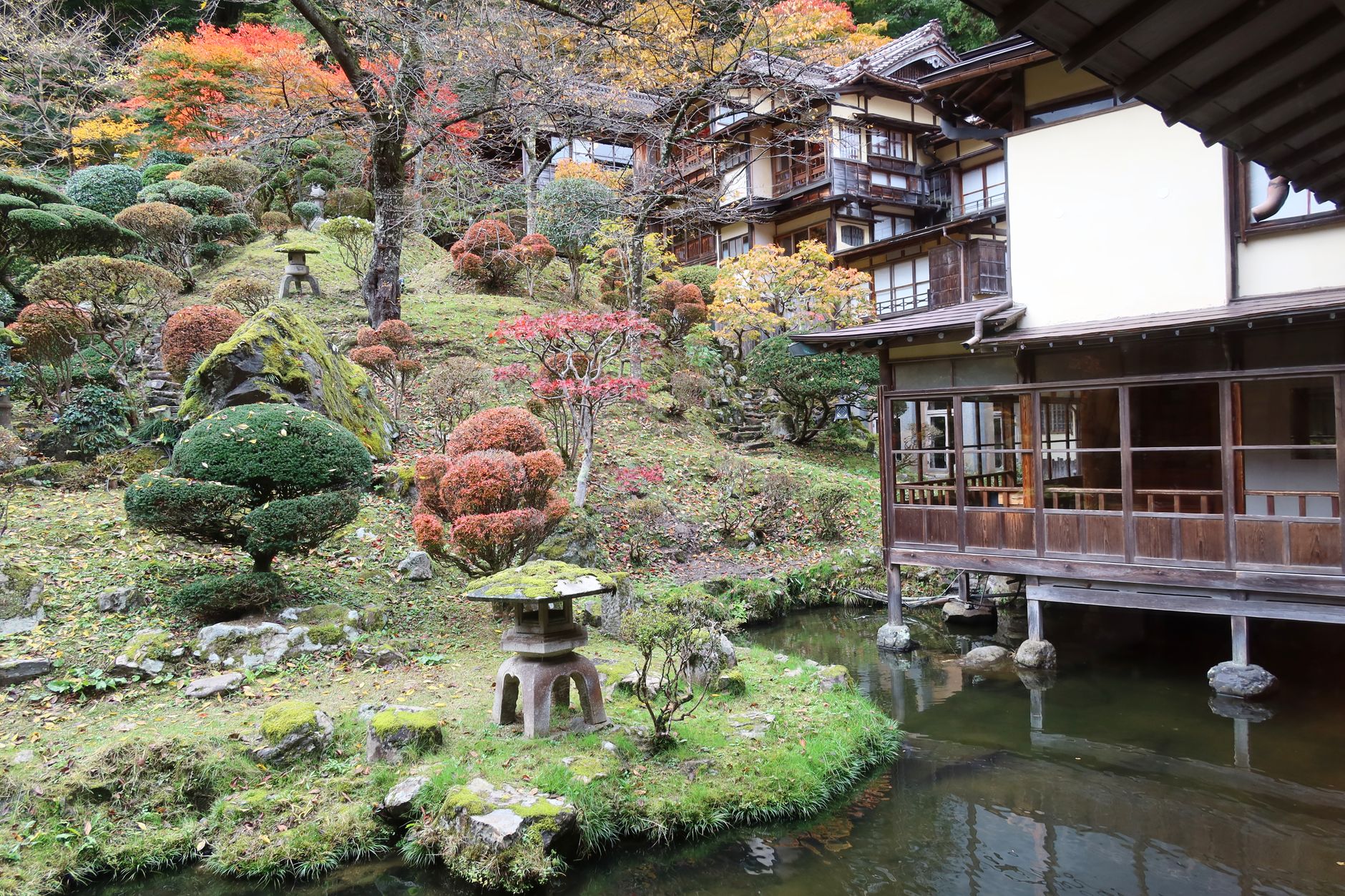
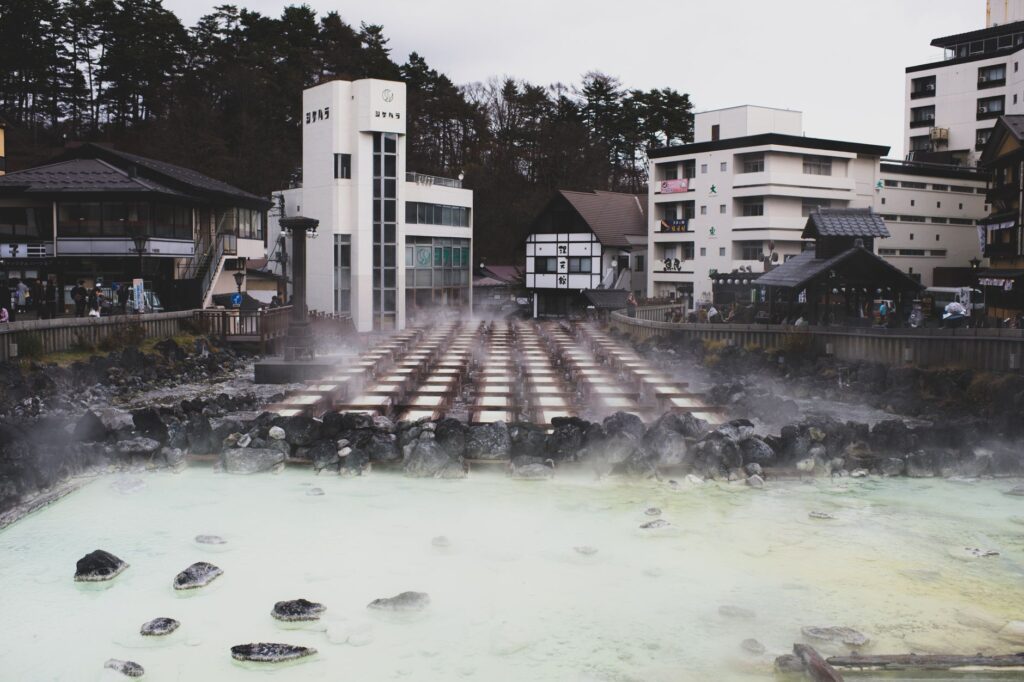
The preservation of this landscape is not a matter of chance, but of a fierce community agreement adopted by local ryokan owners in the late twentieth century. They decided to turn off neon lights, remove large billboard advertisements, and unify the aesthetic of their facades using exclusively aged cedar, volcanic stone, and mud-plaster walls. The result is a visually cohesive landscape where human intervention appears in harmonious dialogue with the dense forest of maples and cedars carpeting the slopes. Walking along its cobblestone paths in the early morning hours, when morning mist mingles with the white vapor rising from the pools, is equivalent to stepping back in time into an unaltered rural Japan.
Timber Architecture and the Ryokan Concept
The onsen experience in Kurokawa is inseparable from the traditional Japanese architecture that shelters it. The main buildings and outdoor bathing structures, known as rotenburo, are constructed using traditional carpentry techniques free of metal nails, a mastery inherited from ancient temple builders. Local cedar and hinoki cypress not only provide remarkable structural stability against constant humidity and the region’s seismic activity, but they also release essential oils upon contact with hot steam, subtly scenting the environment and enhancing visitor relaxation.
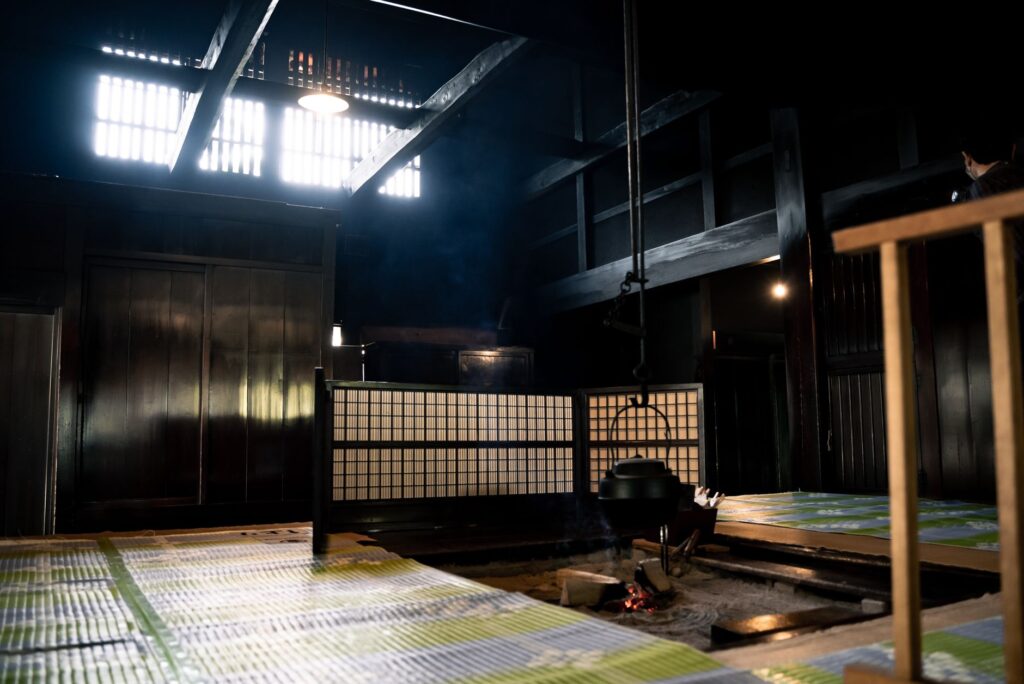
The interiors of the ryokan operate under a rigorous spatial and aesthetic economy. Floors are covered with woven natural rush tatami mats, upon which low solid-wood tables and rice-paper folding screens modulate natural light according to the time of day. The rooms lack superfluous furniture; everything is designed to clear the mind and focus attention outward, where mossy gardens and mountain streams act as a visual extension of the room. This architectural minimalism constitutes a master class on how to inhabit the territory without altering it irreversibly.
True sophistication in high-end Japanese hospitality lies not in the accumulation of ancillary services, but in the absolute refinement of elements until a silent harmony with the natural environment is achieved.
Maintaining these structures demands continuous artisanal effort. Timbers must be periodically treated with natural oils to withstand harsh winters and permanent condensation. Local artisans, guardians of knowledge that is dying out in major cities, oversee every joint and assembly with infinite patience. This dedication to detail also permeates hospitality, where the concept of omotenashi—selfless devotion to the guest’s well-being—manifests in gestures as discreet as the exact temperature of the water or the impeccable arrangement of futons before nightfall.
Volcanic Hydrotherapy and the Bathing Ritual
Immersing oneself in a rotenburo in Kurokawa requires following an ancient protocol that transcends simple body hygiene to become an exercise in introspection. Before entering the hot water, the ritual demands meticulous washing while seated on wooden stools in indoor areas, using wooden buckets and traditional soaps. This preparatory act symbolizes the symbolic separation between the outside world—noisy and fast-paced—and the sacred space of mineral water. Once the body is purified, immersion in the outdoor pool proceeds slowly, allowing the skin to adapt to temperatures that typically range between forty-two and forty-four degrees Celsius.
The physiological benefits of these sulfurous waters have been documented by thermal medicine specialists. Transcutaneous absorption of essential minerals stimulates the circulatory system, reduces joint inflammation, and promotes the release of endorphins, inducing a profound state of mental calm. However, the true therapeutic value of the experience lies in the mandatory silence prevailing in most bathing areas. Electronic devices are forbidden, and conversations are reduced to inaudible whispers, allowing the sole ambient sound to be the constant murmur of water spilling over volcanic stones and the distant rustle of wind in the forest.
To maximize this regenerative experience, travelers often acquire the tegata, a circular cedar-wood plaque granting access to the baths of up to three different ryokan during their stay. This system encourages leisurely exploration of the valley and demonstrates the generosity of a community that prefers to share its resources rather than compete individualistically. Each spring offers a distinct texture and color—ranging from milky sulfur-infused waters to lighter crystalline hues—inviting visitors to understand that Kyūshū’s volcanic nature is a living, complex, and eternally changing organism.
Kaiseki Gastronomy: Seasonality on the Plate
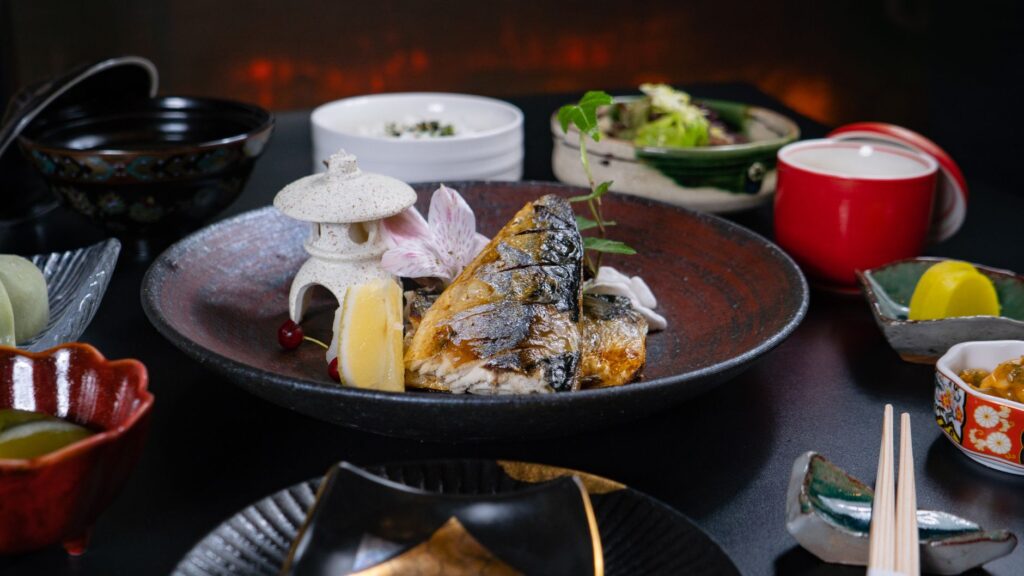
Well-being in Kurokawa extends beyond thermal springs to manifest with equal force at the table through high kaiseki cuisine. Rooted in Zen Buddhist philosophy and absolute respect for seasonal cycles, this culinary proposal pays homage to the wild and agricultural products of the Aso Valley and its surroundings. Each menu consists of a precise sequence of small dishes combining textures, temperatures, and colors designed to reflect the exact time of year they are consumed, using mountain vegetables harvested at dawn and fresh river fish.
Among the area’s most emblematic ingredients is Kuroge Wagyu beef from the volcanic pastures of Mount Aso, characterized by fine marbling and exceptional tenderness that melts on the palate. Likewise, local chefs prepare delicate dishes based on wild roots, tender bamboo shoots in spring, and shiitake mushrooms cultivated on logs beneath the shade of centenarian oaks. Everything is presented in artisanal local ceramic tableware that enhances the imperfect beauty of each preparation, reminding diners that true culinary elegance shuns artificial symmetry.
Dining in a regional traditional ryokan is an exercise in mindfulness; every bite directly connects the diner to the agricultural and forestry cycles sustaining life in the volcanic valley.
Dinner service takes place in the privacy of one’s room or in private dining rooms overlooking interior gardens, always accompanied by local sake brewed with pure water from local springs. This pairing of gastronomy and hydrotherapy closes the circle of integral rest, preparing the body for deep, restorative sleep. Far from the rush of modern international cuisine, the leisurely pace of kaiseki service invites slow chewing, unhurried conversation, and appreciation for the invisible effort behind every ingredient cultivated on difficult mountain slopes.
Practical guide
Planning a trip to Kurokawa requires understanding the logistical particularities of an isolated mountainous destination that prioritizes environmental preservation over mass convenience. Primary access is typically achieved from Kumamoto city or Fukuoka via long-distance express buses winding through mountain roads, as the area lacks a direct railway connection. Booking accommodation several months in advance is strongly advised, given that traditional ryokan capacity is highly limited and international demand has grown steadily among travelers seeking authentic wellness experiences.
- Best time to visit: Autumn months—from October to November—offer an exceptional chromatic spectacle with changing maple leaves, while spring brings cherry blossoms and mild outdoor bathing temperatures.
- Onsen etiquette rules: Complete nudity in the water is mandatory after thorough washing and soaping in preceding shower stations; visitors with tattoos should check individual ryokan policies or use discrete adhesive patches to cover them if necessary.
- Acquiring the tegata: This wooden plaque can be purchased at the local tourist office or any participating lodging, remaining valid for two full days across three distinct bath visits.
- Currency and payments: Although tourism has brought credit card acceptance to main ryokan, carrying cash in Japanese yen is essential for small shops, temples, and local valley restaurants.
Return to Origin in Forest Stillness
The epilogue of a stay in Kurokawa is usually written in the silent morning hours, when the entire valley seems to hold its breath before the first rays of sunlight illuminate cedar crowns. In that moment of absolute stillness, seated on the edge of a wooden veranda overlooking a moss-covered garden, one realizes that true contemporary luxury no longer consists of accumulating goods or traveling at high speed, but in the capacity to reclaim one’s own time. The ancient hydrotherapy of this corner of Kyūshū acts as an implacable mirror returning travelers to their most essential condition, stripped of digital urgencies and reconnected with the patient pulse of the earth.
Thermal waters welling from Mount Aso’s depths have flowed for millennia before any modern traveler decided to cross its borders, and they will continue to do so long after we have departed. This realization of our own transience against the permanence of volcanic geography brings a singular peace, an enduring tranquility that lingers long after leaving the valley. Closing the cedar door of the final ryokan and descending the winding road through fir trees, travelers take away no material souvenirs, but something far more valuable: the indelible certainty that silence, pure water, and well-crafted timber remain the ultimate remedies for healing contemporary spiritual restlessness.