
The Steel Artery Beneath the Equatorial Canopy
In the green heart of Central Africa, where the dense humidity of the equatorial jungle seems to devour any trace of human presence, winds one of the most fascinating and least celebrated engineering feats on the continent. The Trans-Gabon Railway is not merely a rail line; it is the backbone sustaining the economy, logistics, and territorial cohesion of Gabon. Stretching over six hundred kilometers, this railway connects the Atlantic port of Owendo, near Libreville, with the mining town of Franceville in the country’s far east. Its construction, initiated in the late 1970s and fully completed in the 1980s, represented a colossal challenge against an unforgiving geography of deep valleys, roaring rivers, and clay soils prone to landslides.
The genesis of this railway responded to an urgent necessity: the diversification and harnessing of Gabon’s immense interior natural resources, which until then remained virtually inaccessible due to the impenetrability of the forest terrain. Before the arrival of the train, transporting precious woods like okoume and strategic minerals relied on complicated river routes and dirt roads rendered impassable during the rainy season. The decision to build the Trans-Gabon Railway radically transformed the region’s logistical paradigm, turning the railway into the indispensable link between extraction zones and international maritime export.
Today, the daily operation of this line is a complex exercise in maintenance engineering and fleet management. The extreme climatic conditions of the tropical rainforest demand constant vigilance over the infrastructure. Heavy precipitation erodes slopes, washes away ballast, and tests the stability of bridges and tunnels. Nevertheless, the network continues to operate twenty-four hours a day, bearing the colossal weight of trains laden with manganese ore and flatbeds packed with timber logs destined for global export.
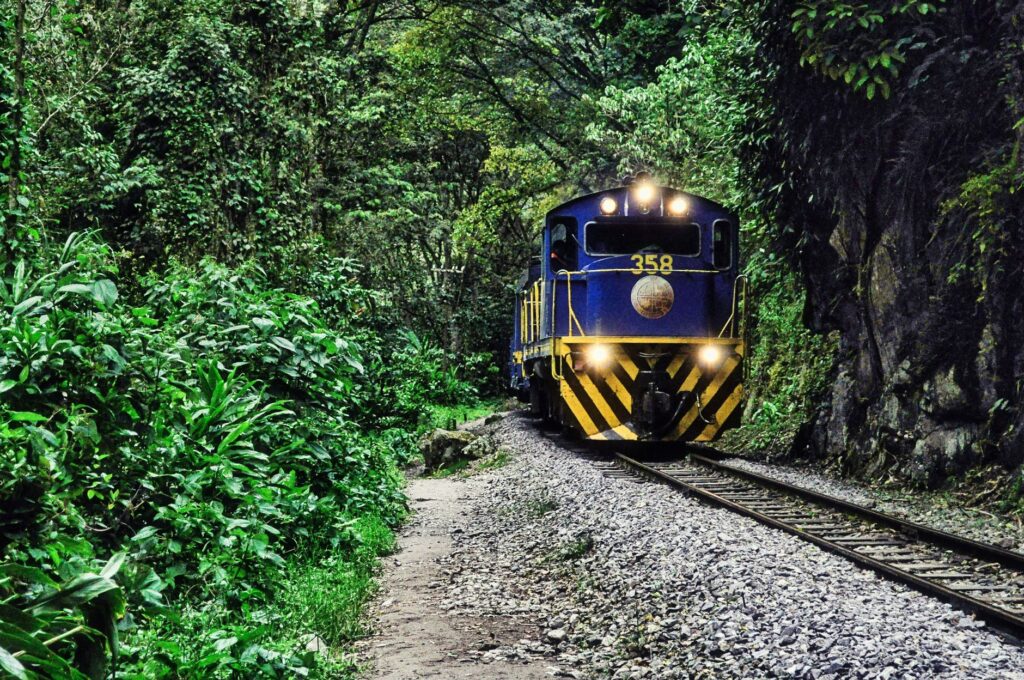
The Logistics of Manganese and Timber
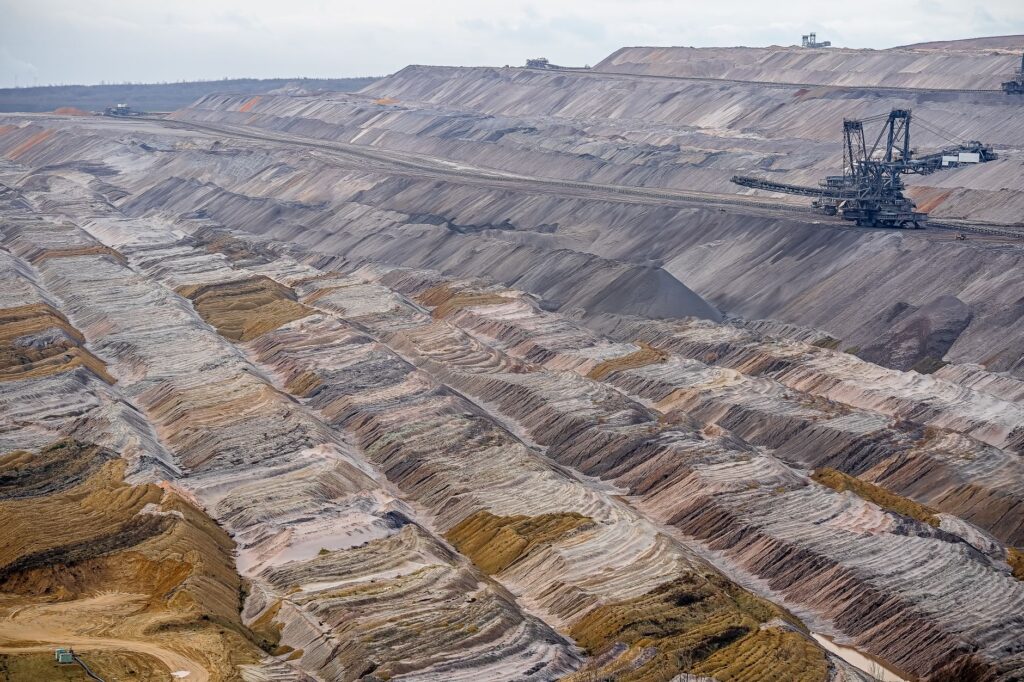
To comprehend the operational magnitude of the Trans-Gabon Railway, one must analyze the two fundamental pillars justifying its existence and economic sustainability: the timber industry and manganese exploitation. In the country’s southeast, specifically in the Moanda region, lie some of the richest and purest manganese deposits on the planet. This mineral is a critical component for the global steel industry, particularly in the manufacturing of high-strength steels. Without the railway, the efficient evacuation of this massive volume of ore from open-pit mines to the mineral port of Owendo would be economically unfeasible.
Manganese convoys run with millimetric frequency, formed by long lines of hopper cars defying the rolling topography of the plateau and the jungle. This logistical operation requires precise coordination between mining companies and the national railway operator, as any interruption on the track creates an immediate bottleneck at port terminals. Technical precision in track maintenance, axle load control, and constant monitoring of rail wear are top priorities to prevent derailments in hard-to-reach areas.
Alongside mineral ore, timber remains the historical symbol of Gabon’s economy. The Trans-Gabon Railway acts as a dynamic collector along its route, stopping at forest sidings where felled logs are loaded under strict sustainable forestry management criteria. The transition from the exclusive transport of raw logs toward local value addition for wood has also modified the dynamics of freight trains, incorporating specialized wagons for semi-processed products. This demonstrates that the infrastructure does not merely extract wealth, but evolves in step with twenty-first-century environmental and economic regulations.
The Human Pulse at Intermediate Stations
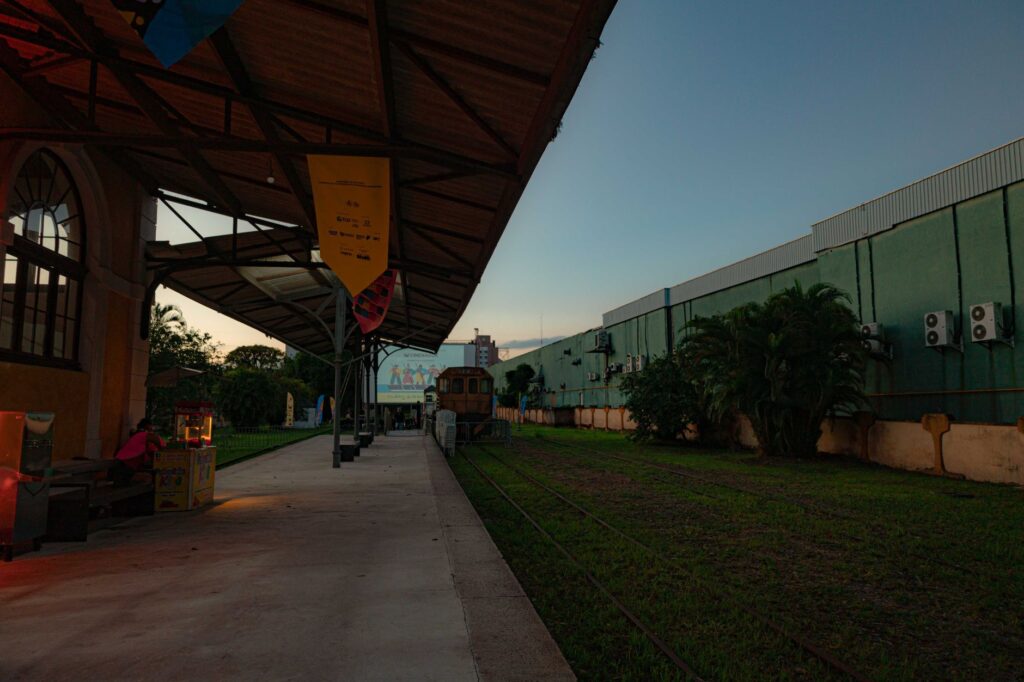
Beyond its industrial and freight functions, the Trans-Gabon Railway fulfills an irreplaceable social role: it is the only mass and reliable transport medium connecting dozens of isolated communities in the interior territory. For the inhabitants of towns like Ndjolé, Lastourville, or Booué, the passenger train represents the umbilical cord linking them to coastal urban centers. At these stops, the arrival of the convoy radically transforms daily routine. Platforms turn into bustling improvised markets where local travelers exchange agricultural produce, river fish, and handicrafts.
The experience of riding the Trans-Gabon passenger train offers a unique anthropological perspective of life in Central Africa. The carriages, frequently crowded with families, merchants, and students, serve as social spaces where Fang, Myènè, Téké languages, and official French intermingle. Hours of travel unfold amidst relaxed conversations, the contemplation of the jungle through windows, and stops at stations where time seems to slow down. This direct contact with rural everyday life contrasts sharply with the accelerated pace of global metropolises.
The railway is not merely a line drawn across Gabon’s geographical map; it is the connecting thread uniting the deep jungle with the sea, tradition with industry, and isolation with the hope of human connectivity.
Despite its social importance, managing the passenger service faces considerable operational challenges. The logistical priority granted to heavy mineral freight trains frequently causes significant delays in passenger itineraries. However, national authorities and railway operators have implemented modernization programs aimed at improving carriage comfort, optimizing travel times, and guaranteeing greater schedule regularity. The integration of communication technologies and renewed signaling systems seeks to balance commercial mining demands with the public service obligation toward local populations.
Geological Challenges and Rainforest Maintenance
Maintaining railway infrastructure in the middle of the equatorial jungle constitutes a permanent technical feat. Nature in this tropical region is not static; it is an aggressive agent exerting constant pressure on any civil engineering work. The combination of high temperatures, seasonal torrential rainfall, and hyperactive plant cover generates a scenario where soil yields easily. Landslides and embankment undermining are constant risks mobilizing emergency brigades and heavy machinery crews twenty-four hours a day.
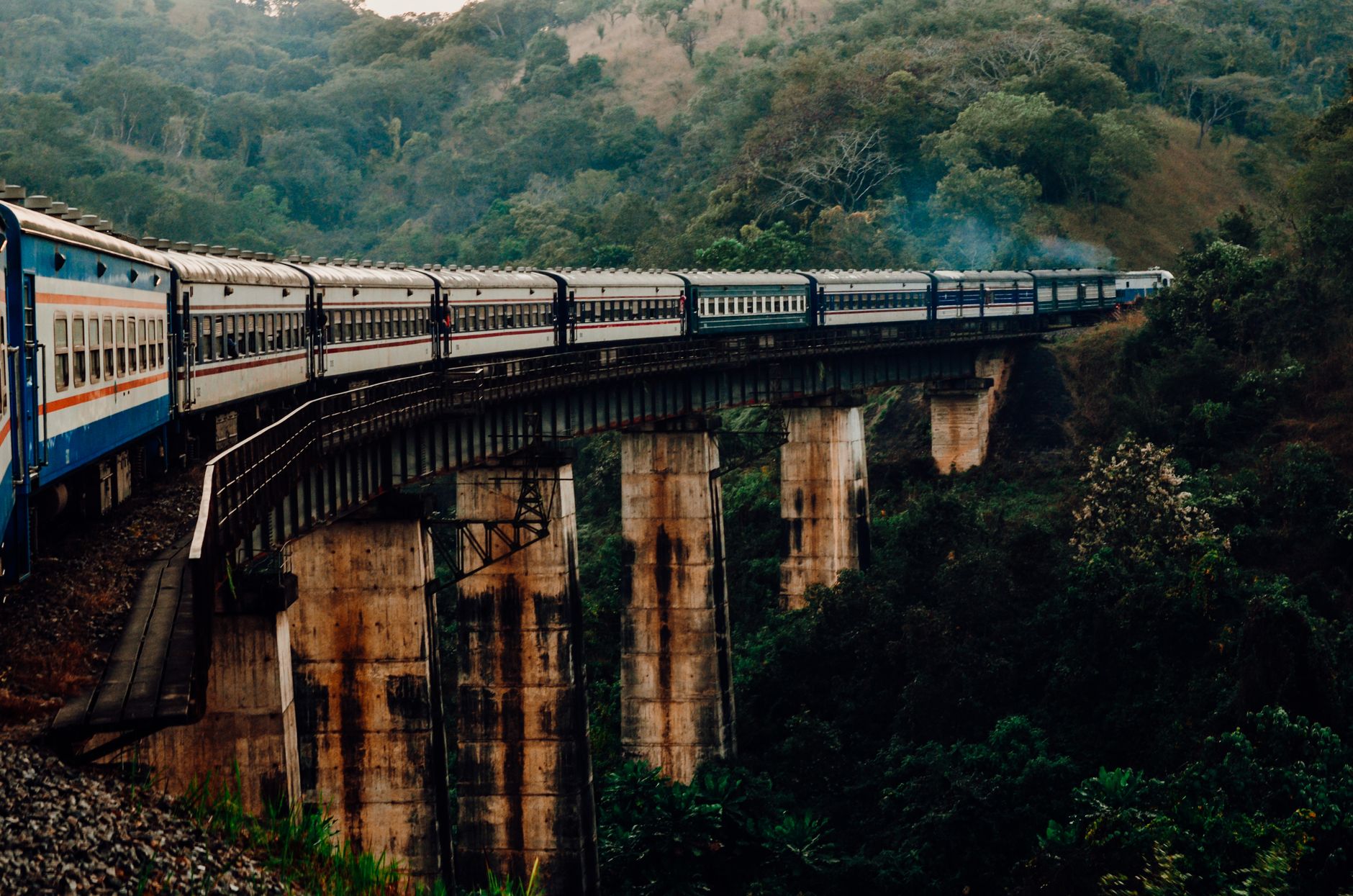
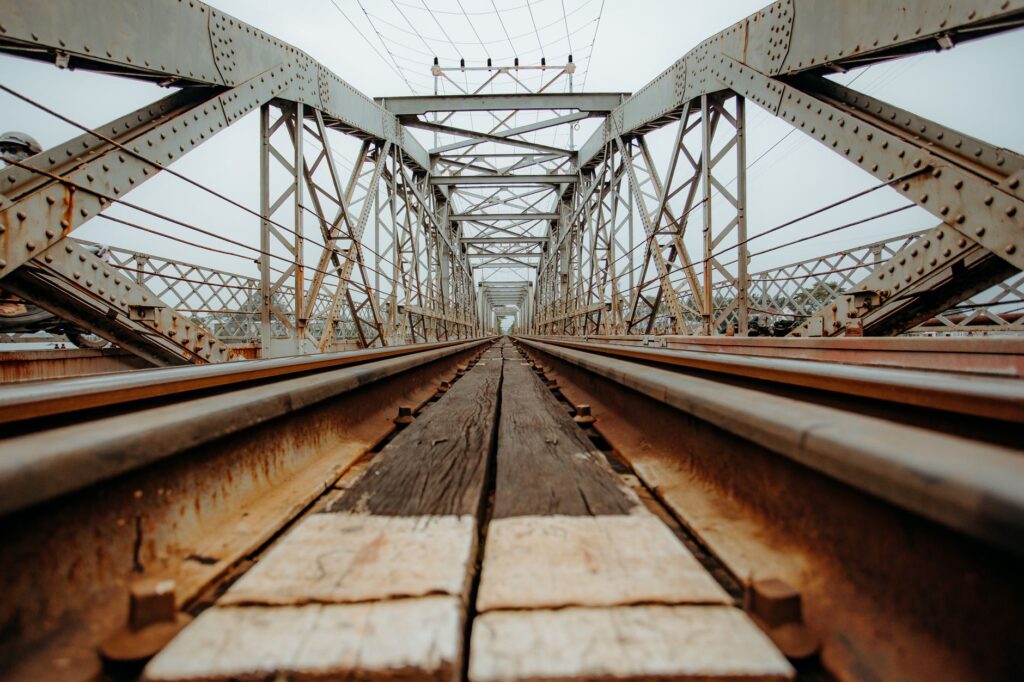
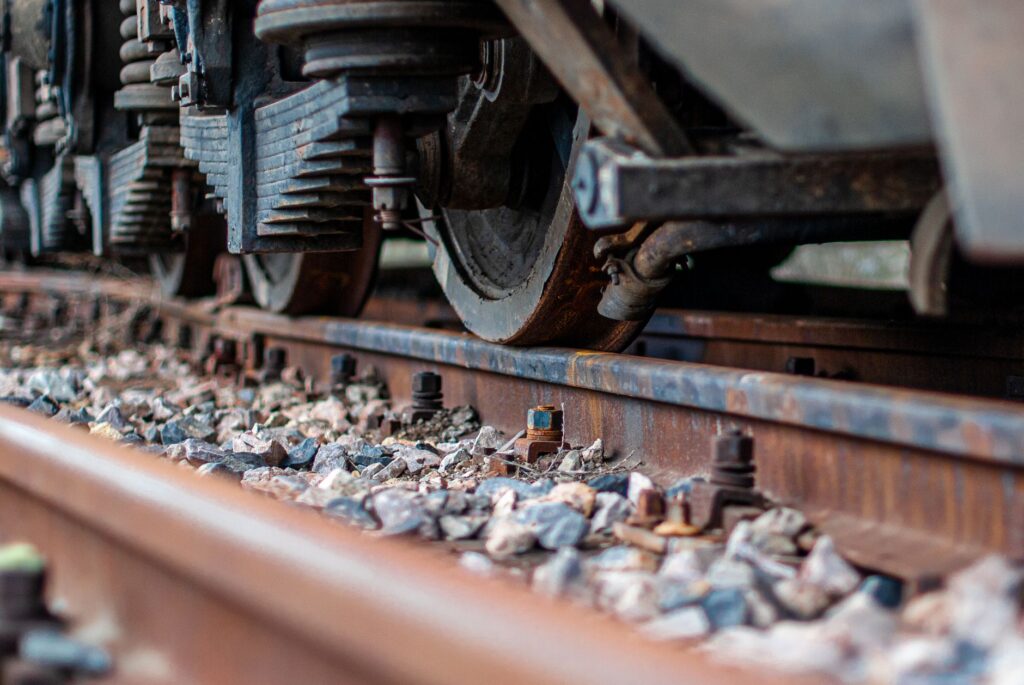
Engineers tasked with railway track maintenance must deal with a complex drainage network requiring periodic ditch cleaning, slope consolidation using geogrids, and structural reinforcement of metal bridges crossing roaring rivers like the Ogooué. Furthermore, corrosion caused by environmental humidity and water seepage demands a continuous program of sleeper replacement and anti-corrosion treatment on the metallic elements of the track superstructure.
Facing the effects of climate change, which increase the frequency and intensity of extreme weather events, the resilience of the Trans-Gabon Railway has become a matter of national security. Recent investments focus on adopting early warning systems based on motion sensors on critical slopes and using drones for rapid inspection of remote sections following tropical storms. This symbiosis between advanced technology and traditional civil engineering techniques ensures that the country’s main artery maintains its operability against nature’s onslaughts.
Practical guide
How to get there: The main starting point to connect with the railway network is Libreville, the capital of Gabon. Libreville International Airport (LBV) receives regular flights from major European and African capitals. From the city, travelers must transfer to Owendo station, located on the outskirts, via authorized taxis or arranged transport services.
Planning the train journey: The Trans-Gabon passenger service is operated by the concessionaire company in collaboration with the State. It is strongly recommended to purchase tickets well in advance directly at the ticket offices in Owendo or Franceville stations, as seats in first-class carriages and couchette compartments are limited and in high demand.
Climate and best time to visit: Gabon features a humid equatorial climate with two dry seasons (from June to September and from December to January) and two rainy seasons. The dry seasons are the most advisable periods to plan a rail journey, minimizing risks of track interruptions caused by intense storms or landslides.
Health requirements and documentation: A valid passport, an entry visa arranged in advance, and an international yellow fever vaccination certificate are mandatory. Malaria prophylaxis is strongly recommended, and travelers should consult a tropical medicine service before venturing into the interior forest territory.
The Final Echo on the Jungle Rails
When the last carriage of the night convoy plunges into the gloom of the equatorial jungle, leaving behind the intermittent flash of railway signals, the Trans-Gabon Railway reveals its true poetic and existential dimension. It is not merely a cold accounting of transported tons of manganese or cubic meters of timber extracted with industrial precision; it is the tangible proof of human willpower capable of carving a stable path amidst the green, leafy chaos of untouched nature.
In every wooden sleeper and every steel rail vibrating beneath the relentless passage of the locomotive beats the living history of a country entrusting its future to the steady rhythm of metal. Passengers alighting at remote stations, engineers ensuring slope stability during tropical storms, and conductors mastering impossible gradients share a single common destiny. At the end of the journey, when the silhouette of the Atlantic Ocean outlines the horizon in Owendo, the traveler understands that the true value of this infrastructure lies in its capacity to weave community, defy distance, and keep the indomitable pulse of Africa’s heart beating.