
The Steam Artery That Sculpted the German Massif
The history of transportation engineering in central Europe finds one of its most challenging exponents in southwestern Germany. The Black Forest Railway, known in its original layout as the Schwarzwaldbahn, does not merely represent a means of railway communication between rugged valleys, but an authentic feat of topographic design executed during the second half of the nineteenth century. Connecting the Rhine valley at Offenburg with the shores of Lake Constance required overcoming colossal altitude differences through a spiral layout that continues to astonish international logistics specialists today.
From its initial conception, the project faced the dilemma of crossing the central plateau without fracturing the delicate ecological and economic balance of local forestry communities. The solution adopted by the engineers of the era prioritized integration with the terrain through the systematic construction of curved tunnels and stone viaducts that reduced extreme gradients. This technical deployment radically transformed the economy of a traditionally isolated region, enabling the rapid outflow of hardwood, precision manufactures, and agricultural products to the continent’s major industrial markets.
Today, the survival of this railway line responds as much to its heritage value as to its efficiency within the regional mobility network. Unlike high-speed lines that pierce great mountains through rectilinear base tunnels, the historic layout maintains an explicit territorial vocation: connecting small towns, facilitating access to remote valleys, and offering a low-carbon transportation alternative that competes directly with automobile traffic on county roads.
Extreme Topography and Spiral Design: The Mastery of Robert Gerwig
The principal architect of this monumental work, engineer Robert Gerwig, had to face an altitude difference exceeding six hundred meters over a relatively short section between Hornberg and Triberg. The technical response to this colossal challenge was the invention of a system of loops and helical tunnels that allowed locomotives to gain height gradually without exceeding the adhesion limits of nineteenth-century tracks. Each tunnel not only fulfilled a structural function, but operated as a mechanical effort-regulating valve for steam convoys.
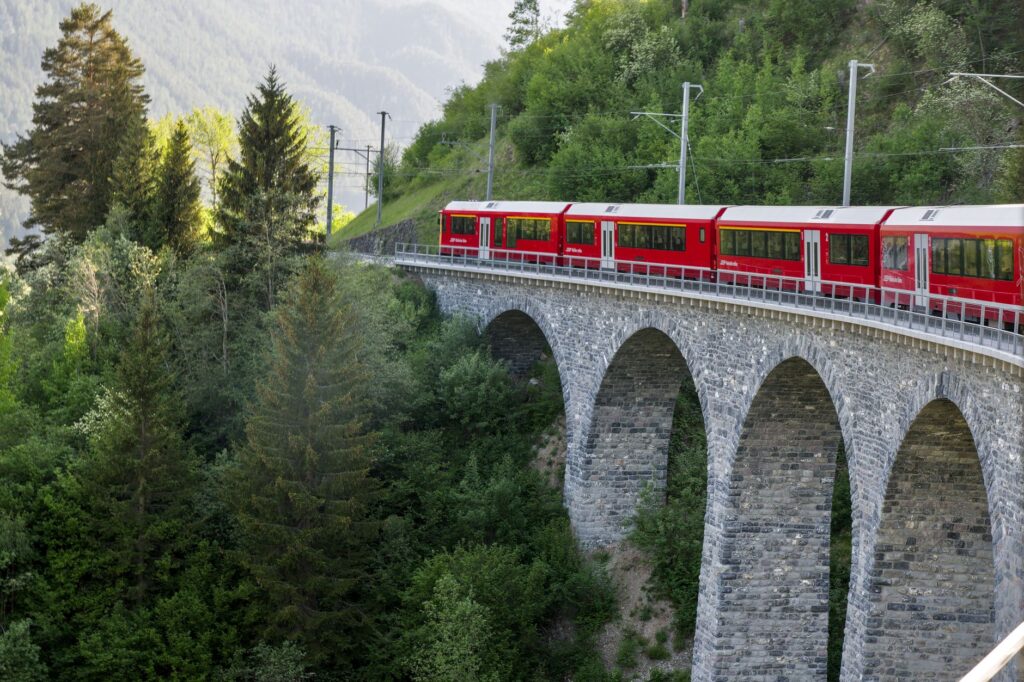
Construction complexity multiplied due to the geological nature of the terrain, composed of unstable granitic rocks and active water tables that constantly threatened the stability of the trenches. Chronicles of the era detail the titanic effort of thousands of workers, mostly seasonal laborers from various regions of central Europe, who excavated the rock using gunpowder and manual tools under rigorous climatic conditions. The result of this collective effort was a network of thirty-nine tunnels operating like a perfectly synchronized mechanical clock.
For contemporary railway operators, maintaining this historical layout implies a continuous technical challenge. Replacing sleepers, maintaining dry-stone retaining walls, and updating digital signaling systems without altering the heritage aesthetics of stations require constant investment. Baden-Württemberg transportation authorities have demonstrated that conserving historical infrastructure is not incompatible with incorporating modern low-floor electric units, guaranteeing universal accessibility and Swiss-level punctuality in a complex geographical environment.
Mountain railway engineering does not seek to conquer nature through brute force, but to converse with the relief through geometry and construction patience.
This balance between conservation and functionality makes the corridor a case study frequented by civil engineers and urban planners worldwide. The ability to transport both daily commuters and specialized rail tourism passengers demonstrates that industrial heritage can generate economic vitality in rural areas without compromising landscape identity.
Forest Logistics and the Economic Pulse of the Valleys
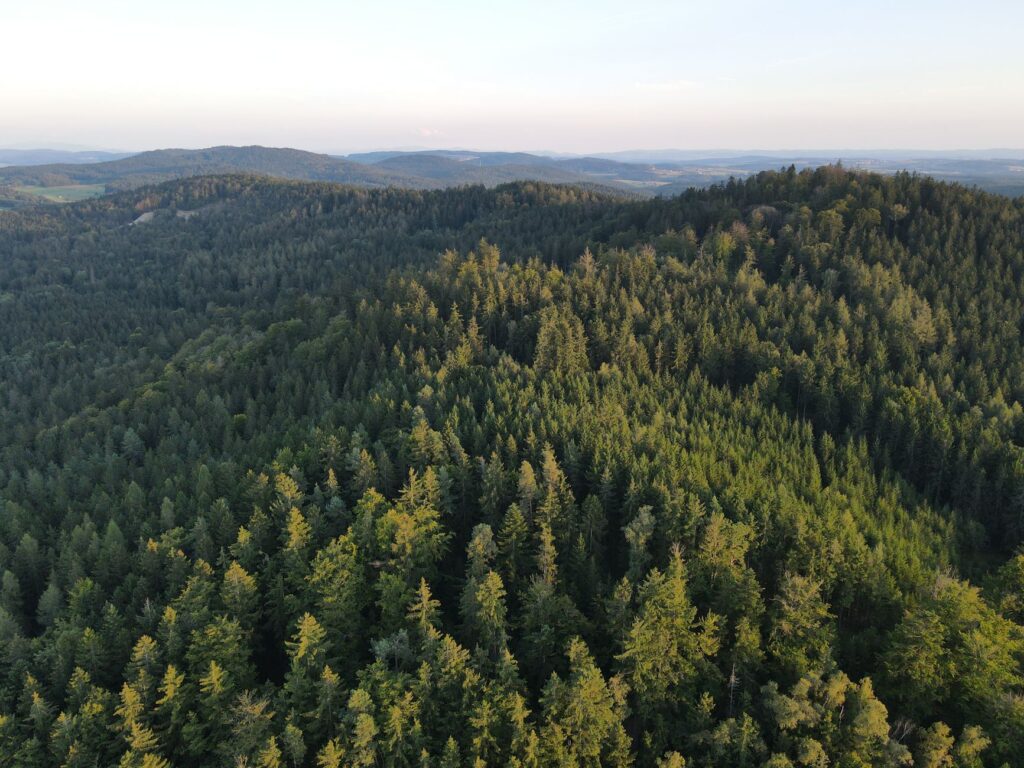
Historically, the economic raison d’être of the railway was not tourism, but the urgent need to transport the vast timber wealth of the Black Forest. Before the arrival of the train, timber transport depended exclusively on river rafting, a slow, dangerous process heavily conditioned by seasonal water flows. The railway revolutionized the supply chain by guaranteeing a constant flow of raw materials to the industrial sawmills of the Rhine and beyond.
Along the route, secondary stations such as Hausach or St. Georgen quickly became nerve centers for collection and distribution. Around these terminals emerged wood-processing industries, mechanical workshops, and clockmaking factories that leveraged transport infrastructure to integrate into global markets. The train thus acted as a catalyst for economic diversification, allowing the local population to transition from a subsistence economy to a highly specialized industrial structure.
In current logistics planning, although heavy freight transport has declined in favor of road transport for certain last-mile journeys, the corridor continues to play a strategic role in decarbonizing regional supply chains. Various initiatives promoted by local forestry cooperatives explore the reactivation of freight trains dedicated to biomass and certified wood products, seeking to reduce congestion on German highways and optimize the ecological footprint of the timber industry.
Seasonal Architecture and Heritage in Historic Stations
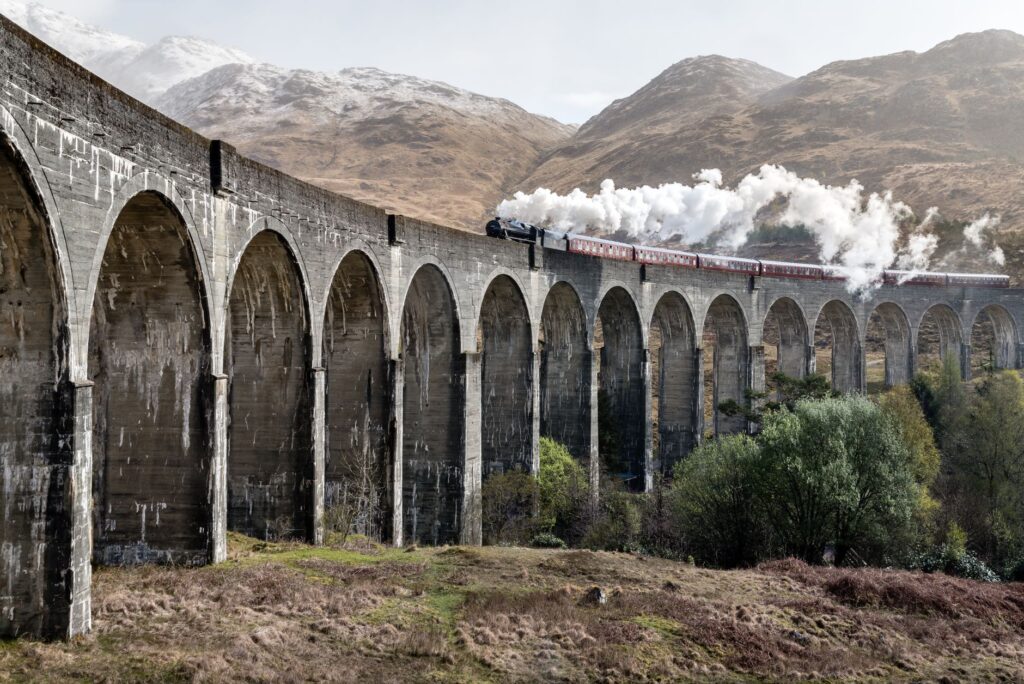
The journey along this railway corridor also offers a masterclass in the evolution of railway architecture and its integration into the rural landscape. The main stations, built predominantly from local red sandstone and treated wood, reflect the aesthetic canons of the Grand Duchy of Baden combined with the functional sobriety demanded by operational engineers. Buildings such as those in Triberg or Villingen preserve original elements like wrought-iron awnings, period freight warehouses, and former station master offices.
The conservation of these properties has required coordinated effort between public administrations and civic associations dedicated to preserving industrial heritage. Many of these stations have been partially or totally converted into cultural centers, local museums, or tourist information points, guaranteeing public use and avoiding the abandonment suffered by other secondary lines in western Europe. This adaptive reuse demonstrates that railway infrastructure possesses incalculable civic value as an anchor of community identity.
Likewise, the landscaping around the stations, characterized by well-kept gardens and traditional orchards, harmoniously contrasts with the technical rawness of viaducts and rocky trenches. This duality between colossal engineering work and the human scale of surrounding settlements constitutes one of the greatest attractions for contemporary travelers seeking to understand the historical depth of the territory they traverse.
Sustainable Mobility and Regional Connectivity in the 21st Century
Facing contemporary debates over the saturation of major European transport axes, the Black Forest Railway exemplifies the virtues of integrated, proximity-based mobility. The line is part of a unified ticketing system allowing residents and visitors to combine regional trains, valley buses, and urban tram networks with a single transit pass, facilitating effective intermodality and reducing private vehicle dependency for daily commutes.
Service frequencies have increased notably in recent decades, moving from sparse schedules to hourly connections on high-demand segments. This improvement in service offerings has encouraged a significant modal shift, particularly among students, commuter workers, and visitors choosing the train to access long-distance trails and winter sports resorts in the region. The environmental impact of this transport policy translates into a quantifiable reduction of CO2 emissions within a protected natural area.
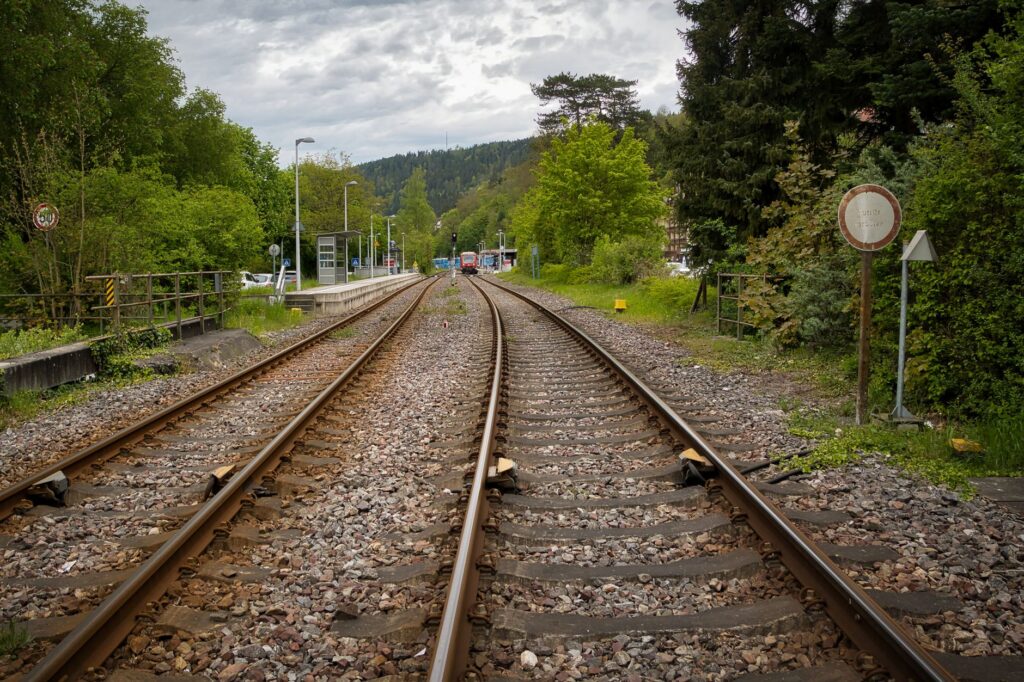
However, managing a century-old mountain line in the 21st century is not without financial and operational difficulties. The need to adapt platforms to strict universal accessibility regulations, renew catenaries, and install advanced safety systems demands stable public budgets. Regional governments continue negotiating with private and public operators for long-term financing to ensure infrastructure maintains reliability and comfort standards against projected growth in tourism demand.
Rail Tourism as a Driver of Local Development
The rail tourism phenomenon has undergone profound transformation in recent years, moving away from purely contemplative nostalgia to integrate into sustainable rural destination development strategies. Passing across monumental viaducts and helical tunnels is actively promoted as a travel experience where transit forms an essential part of the vacation, slowing visitor pace before arriving at final destinations.
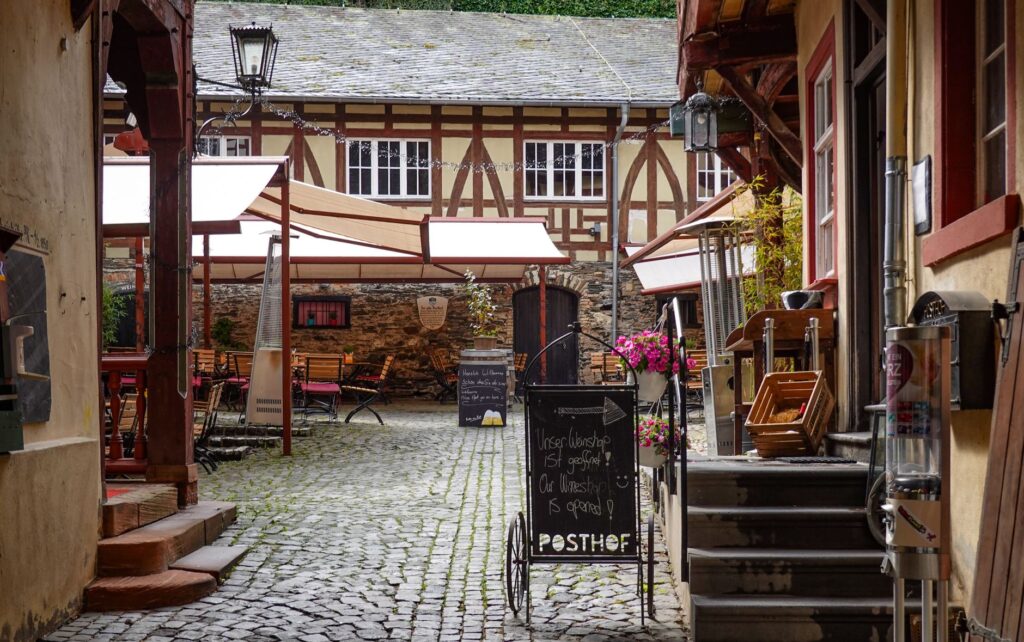
Local economies in towns like Hornberg, famous for its historic festival and castle, or Bad Dürrheim, known for thermal spas, depend heavily on the steady flow of excursionists arriving via the rail network. Traditional hotels, regional cuisine restaurants, and mountain guides have articulated offerings adapted to car-free travelers, promoting bundled packages including train tickets, museum entries, and marked hiking trails starting directly from station doors.
This model contrasts sharply with the mass tourism plaguing other European regions, betting on quality tourism respecting natural resources and territorially decentralized. Collaboration between railway operators, local tour operators, and tourism offices ensures economic benefits are distributed equitably among communities sustaining the territory.
The true luxury in contemporary mobility does not lie in extreme speed, but in the opportunity to contemplate the landscape with the certainty that our transit leaves a minimal footprint on the environment.
Practical guide
Planning an efficient and enriching journey through the Black Forest corridor requires understanding the operational particularities of its regional rail network and available connections from major European transport hubs.
- How to get there: The western starting point is Offenburg station, perfectly connected to the German high-speed rail network (ICE) from Frankfurt, Basel, and Strasbourg. The eastern terminus connects to Constance via Singen, facilitating transit from Switzerland.
- Tickets and fares: The use of the Baden-Württemberg-Ticket is recommended, a regional pass allowing unlimited travel for one business day or holiday across all regional trains and buses in the zone for a group up to five or individual travelers.
- Highlight sections: The most spectacular segment from an engineering standpoint concentrates between Hausach, Triberg, and St. Georgen, overcoming major altitude drops through famous spiral loops.
- Best time to visit: Although service operates year-round with high reliability, May to June (with forests in full bloom) and September to October (during golden autumn) offer the best lighting and climatic conditions for landscape contemplation.
- Accessibility: The vast majority of modern regional trains operating on the line feature low floors, automatic ramps, and designated spaces for wheelchairs and bicycles, though technical specifications should be verified on station information boards.
- Luggage and bicycles: Units feature ample dedicated spaces for bicycle transport, a very useful resource for combining rail journeys with marked cycling routes such as the South Black Forest Cycle Path.
Epilogue: Recovered Slowness in the Heights of Baden
When the last convoy of the day winds silently through dark forests crowning the plateau, fleetingly illuminating century-old stone walls with headlight beams, the Black Forest recovers its ancestral mystery. Far from the deafening noise of major European highways and the impersonal haste of international airports, this railway corridor proves past major infrastructures can transcend purely utilitarian functions to become landscape guardians.
Traveling along this meticulously plotted route over forested abysses and river valleys reminds us that technology, when designed with respect for human scale and geography, has the capacity to unite communities without destroying them. Gazing out the window to watch the valley contract and expand in each helical curve, travelers understand the true purpose of a journey is not shortening distances, but broadening our capacity for wonder before the joint work of human ingenuity and nature.