
Introduction to the High Peaks of Ordesa and Monte Perdido
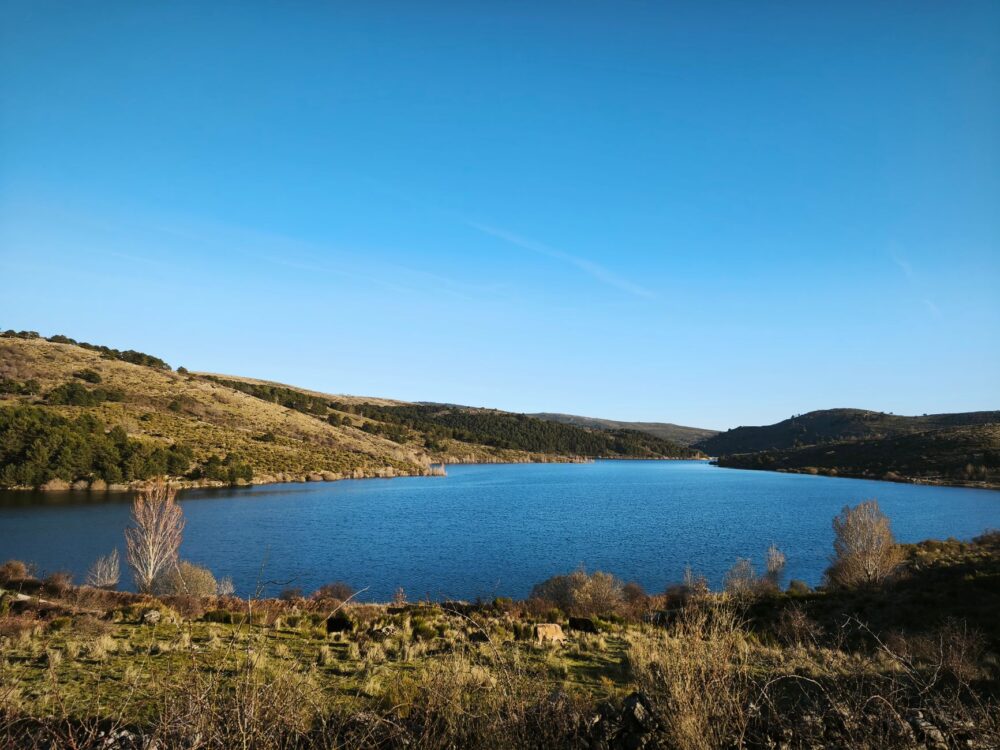
Ordesa y Monte Perdido National Park, nestled in the central sector of the Aragonese Pyrenees, represents one of the most significant alpine biodiversity sanctuaries in southern Europe. This landscape, sculpted by glacial erosion and karst topography, harbors an ecosystem where verticality dictates the rules of survival. In this extreme territory, the Spanish ibex (Capra pyrenaica) finds an optimal natural habitat characterized by dizzying rock cliffs, inaccessible ledges, and high-mountain pastures that defy seasonal thermal limits.
Far from being a mere scenic element, this wild ungulate acts as a key indicator of the environmental health of the massif. Studying its demographics and seasonal movements allows biologists and conservationists to assess the impact of climate change and anthropogenic pressure on fragile Pyrenean ecosystems. This investigation journeys through the valleys of Ordesa, Añisclo, Escuaín, and Pineta to unravel the biological mechanisms that enable this species to thrive in a geologically complex and dynamic environment.
Geological Origins and Karst Modeling of the Massif
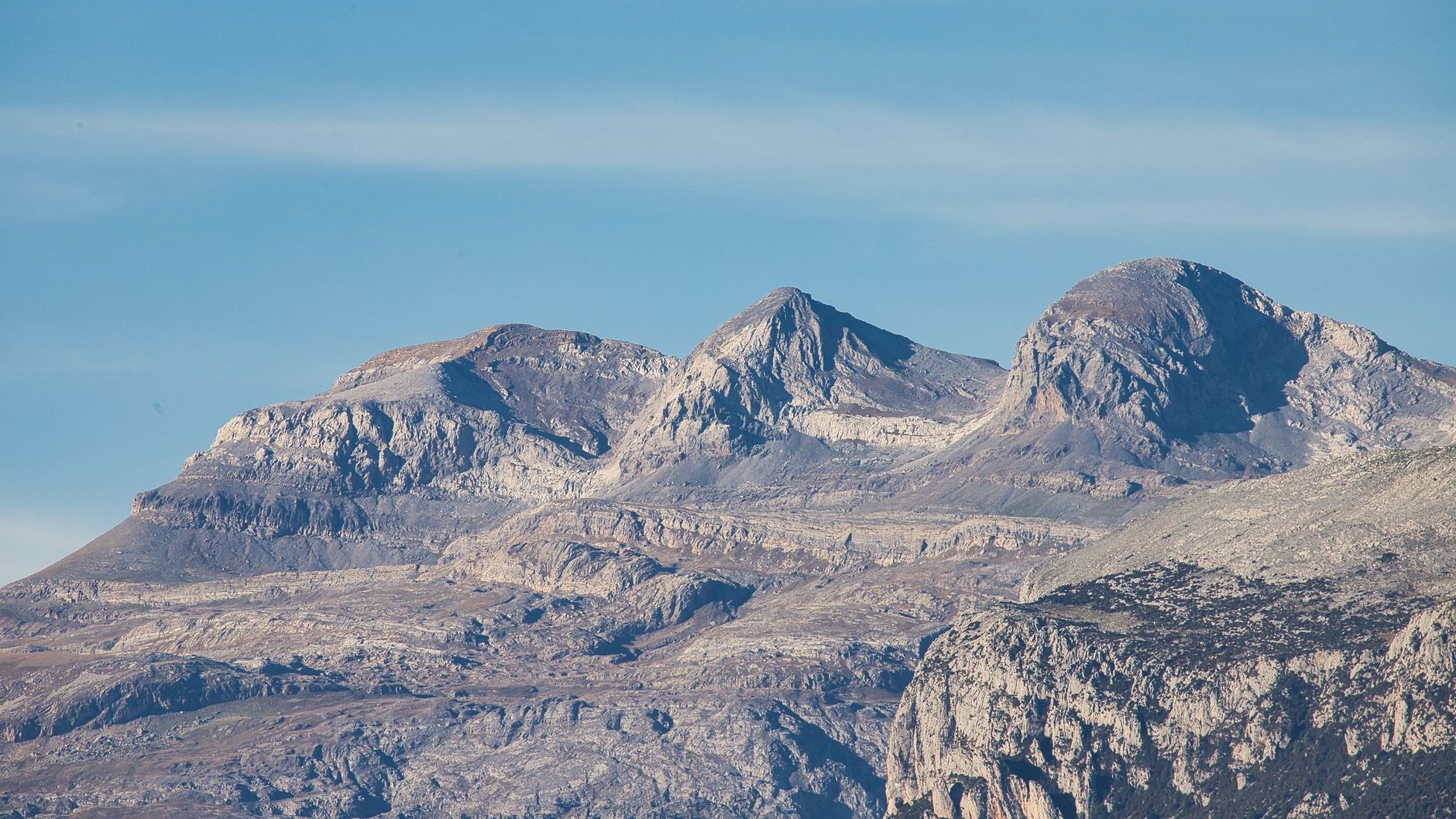
The architecture of the National Park is the result of millions of years of tectonic activity and subsequent glacial excavation. The massive limestone formations that configure the Monte Perdido massif—with its iconic summit exceeding three thousand three hundred meters in altitude—are composed of marine sediments accumulated during the Cretaceous and Tertiary periods. This limestone substrate has given rise to an impressive karst complex riddled with shafts, dolines, underground galleries, and vertical walls that drop abruptly toward the valleys.
For the Spanish ibex, this rugged relief is not an insurmountable obstacle, but rather a fundamental evolutionary advantage. The morphology of their hooves, equipped with hard edges and soft pads that act like suction cups, grants them exceptional traction on bare rock and ice. This rupicolous capacity allows them to agilely escape their few natural predators and access mineral-rich pastures inaccessible to larger herbivores inhabiting the base levels of the park.

Biology and Ecology of Capra pyrenaica in the Pyrenees
The Pyrenean subspecies of the Spanish ibex underwent a highly complex reintroduction and recovery process following the extinction of its original native relative in the early twentieth century. Current specimens descend from allochthonous populations introduced from other regions of the Iberian Peninsula, which have demonstrated a remarkable capacity to adapt to the rigorous climatic conditions of the Pyrenees. Their diet is prominently browsing and herbivorous, spanning from woody shoots and lichens to high-mountain grasses that emerge fleetingly during the summer thaw.
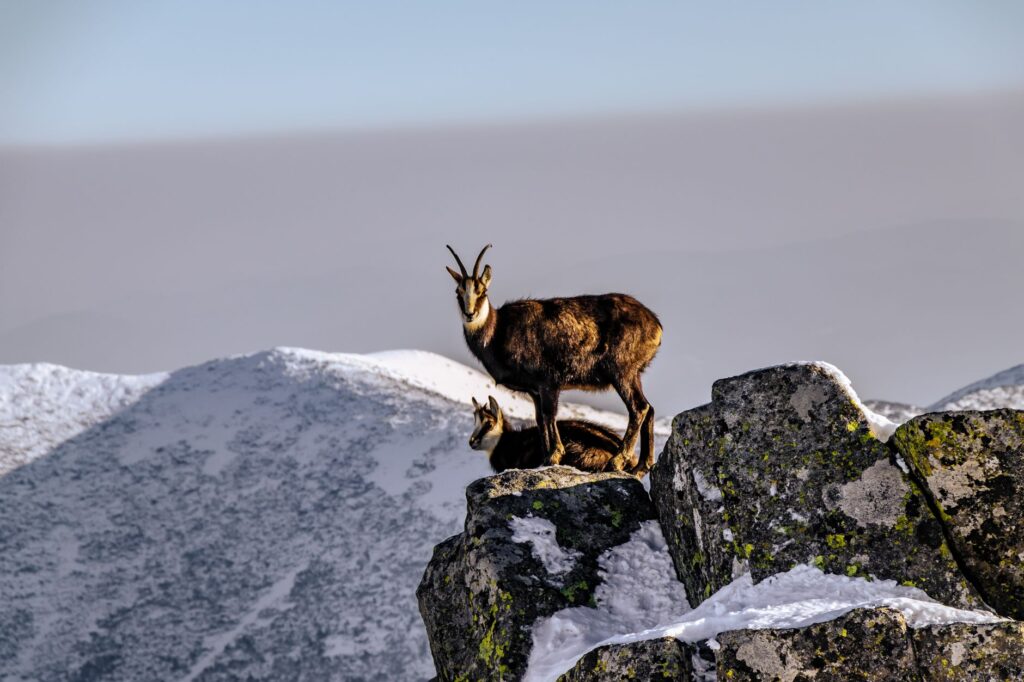
During the winter months, when persistent snowfalls bury the upper pastures, these animals deploy very specific ranging strategies. They descend toward south-facing slopes with lower snow accumulation or seek wind-sheltered ledges where solar radiation facilitates the exposure of accessible vegetation patches. This thermoregulatory and trophic behavior demonstrates a profound assimilation of the park’s seasonal rhythms, minimizing energy expenditure during periods of greatest food scarcity.
Population Dynamics and Scientific Monitoring
The demographic control of Capra pyrenaica populations in Ordesa y Monte Perdido is governed by rigorous terrestrial and aerial census protocols coordinated by protected area technical staff. Autumn censuses, traditionally conducted during the mating season, allow researchers to estimate fawn recruitment rates, sex ratios, and age structure within the herds. These data are vital for early detection of potential epizootic outbreaks, such as sarcoptic mange, one of the greatest sanitary threats to wild ungulates.

The long-term conservation of large mammals in European protected areas demands constant epidemiological surveillance and cross-border management that considers genetic connectivity among neighboring populations.
Recent genetic analyses reveal that while genetic variability has improved markedly since the initial releases, a latent risk of inbreeding persists due to the relative geographic isolation imposed by towering peaks and deep river canyons. For this reason, management agencies promote ecological corridors that facilitate the exchange of specimens with populations in the French and western Pyrenees, thereby guaranteeing the evolutionary resilience of the species against future environmental perturbations.
Impact of Climate Change on High-Altitude Habitats
Global warming is drastically altering thermal and hydrological patterns across the entire Pyrenees. The continuous retreat of the last permanent snowfields and the reduction of the snow cover period directly affect water resource availability and the phenology of alpine vegetation. The plants consumed by the ibex now sprout earlier, occasionally desynchronizing peak energy demand periods with the optimal availability of nutrients in high-altitude meadows.
Likewise, the increase in summer temperatures drives the altitudinal ascent of plant species and parasites that previously could not withstand the extreme cold of the summits. This exposes alpine fauna to new pathogenic pressures and direct competition for vital space with other domestic and wild ungulates. Continuous monitoring of these processes has become the primary tool for anticipating decline scenarios and designing adaptive mitigation strategies.
Territorial Management and Coexistence with Human Activities
The National Park is not an isolated environment, but a territory intensely transited by hikers, mountaineers, and local shepherds practicing traditional extensive livestock farming in high-altitude pastures. Human presence, especially concentrated during the summer months, generates acoustic and visual disturbance episodes that can disrupt the ranging and feeding routines of ibex herds. The guidelines of the Use and Management Master Plan establish severe restrictions in strict reserve zones to safeguard reproduction and breeding areas during the most sensitive spring months.
On the other hand, collaboration with local farmers is essential to maintain a balance in land use. Controlled grazing helps prevent the excessive accumulation of combustible biomass, reducing the risk of catastrophic wildfires on valley slopes while generating a mosaic of habitats that indirectly benefits wildlife by maintaining open foraging spaces.
Environmental Education and Scientific Outreach in the Territory
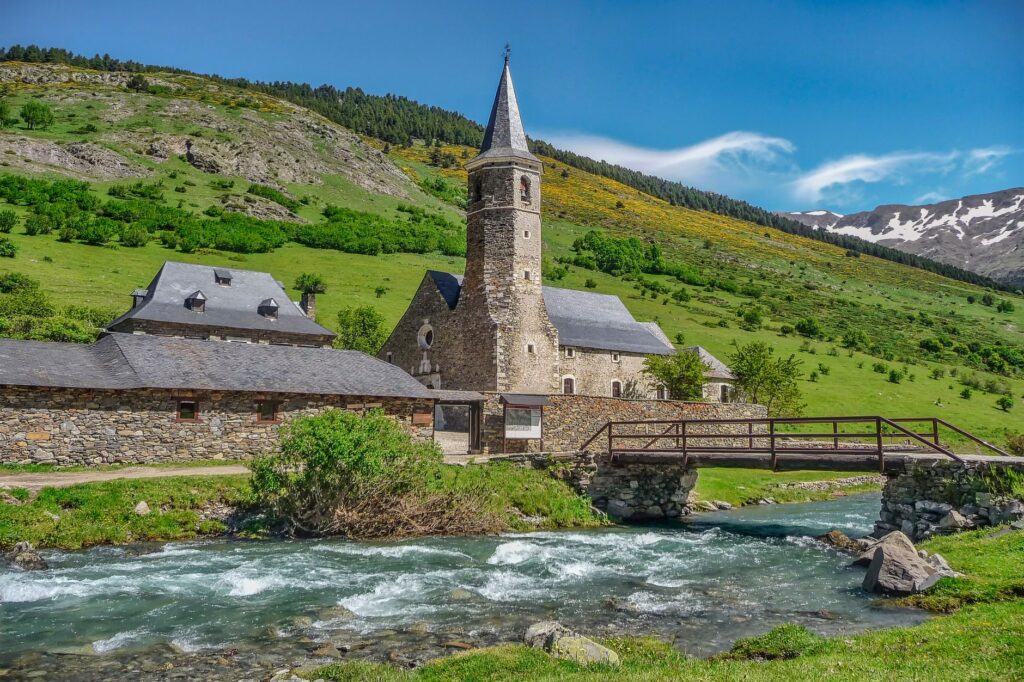
Understanding the complex ecology of the Spanish ibex in Ordesa y Monte Perdido requires bringing scientific knowledge closer to society as a whole. Visitor centers located in surrounding towns act as outreach platforms where the value of Pyrenean geodiversity and biodiversity is explained. Through interpretive panels, educational workshops, and environmental volunteer programs, a respectful attitude is fostered among visitors who come to enjoy the park’s hiking trails.

Raising awareness about the fragility of high-mountain ecosystems is the first step in preventing uncivic behaviors, such as approaching animals too closely for photographs or straying from marked trails, actions that generate unnecessary stress on wildlife at critical moments in their life cycle.
Practical guide
How to get there: The main access to Ordesa y Monte Perdido National Park is through the town of Torla-Ordesa for the Ordesa sector, and via Escalona or Aínsa for the Añisclo and Escuaín canyons. The nearest international airports are Zaragoza and Toulouse.
Best time to visit: Late spring (May and June) and autumn (September and October) offer optimal conditions for wildlife viewing and hiking, avoiding summer crowding and extreme winter temperatures.
Access requirements and regulations: Access to the park is free on marked trails, but during peak season (July, August, and Easter), a mandatory shuttle bus service operates from Torla to regulate vehicular traffic toward the Ordesa meadow.
Recommended equipment: Mountain footwear with high-traction soles, layered technical clothing to cope with sudden weather changes, high-SPF sun protection, binoculars for wildlife observation, and sufficient water are essential, as natural high-altitude springs can be scarce or seasonal.
Accommodations and services: Hotel and rural tourism offerings are concentrated in municipalities such as Torla, Broto, Nerín, Fanlo, and Aínsa, in addition to staffed mountain refuges like Góriz, ideal for higher-altitude ascents.
Final Reflections on the Future of High Mountains
The future of the Spanish ibex in Ordesa y Monte Perdido National Park embodies the universal challenge of preserving alpine ecosystems in the face of accelerating global changes. Every winter survived on wind-whipped ledges and every spring that renews high-altitude pastures confirms the extraordinary biological resilience of a species that has successfully reclaimed its historical place in the Pyrenean summits. The continuity of this fragile balance depends inexorably on collective responsibility, rigorous scientific research, and firm public management that prioritizes nature conservation over any temptation of short-term use of this incomparable mountain heritage.