The Memory of Iron and Produce
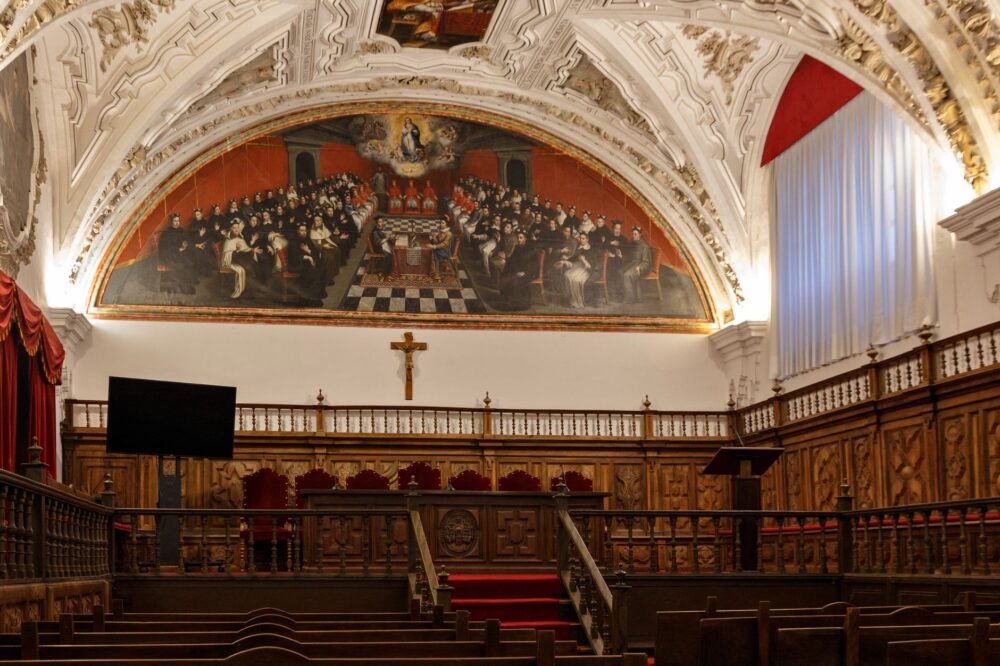
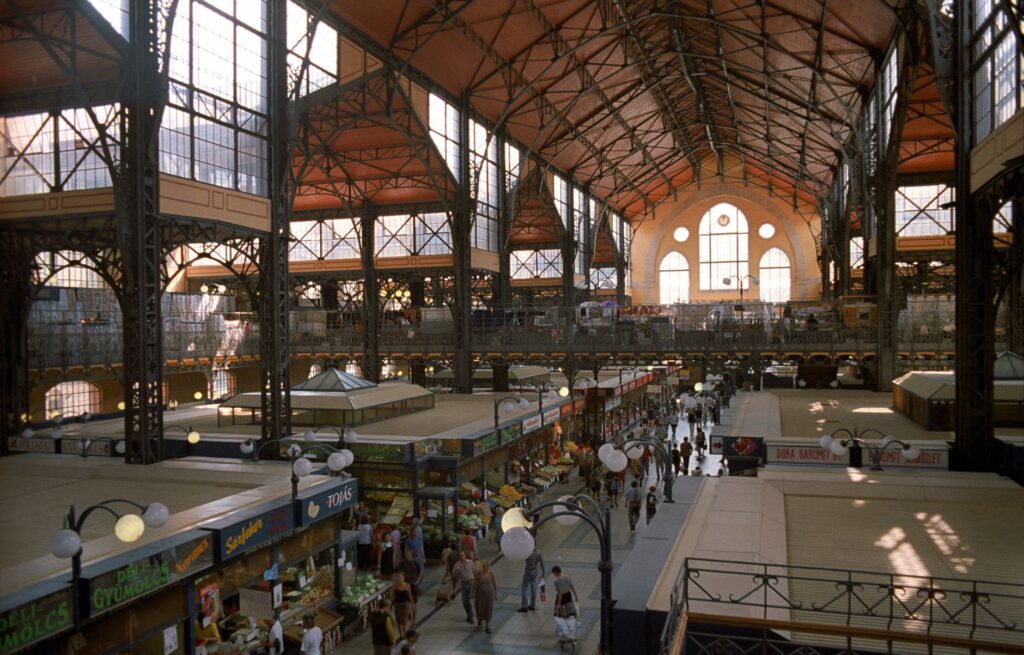
The traveler crossing the Bilbao estuary with the intention of understanding its culinary pulse does not seek the artifice of gastronomic modernity, but rather the persistence of a territory shaped by rugged Biscayan topography. At the heart of the city, along the banks of the river that once roared with the clatter of blast furnaces and shipyards, stands the Ribera Market. Considered one of the largest covered markets in Europe, this colossus of reinforced concrete, metallic framework, and modernist stained glass is not merely a supply point; it functions as a living archive where the industrial memory of the Basque Country reincarnates every morning in the form of freshly caught hake, Guernica peppers, and shepherd’s cheeses.
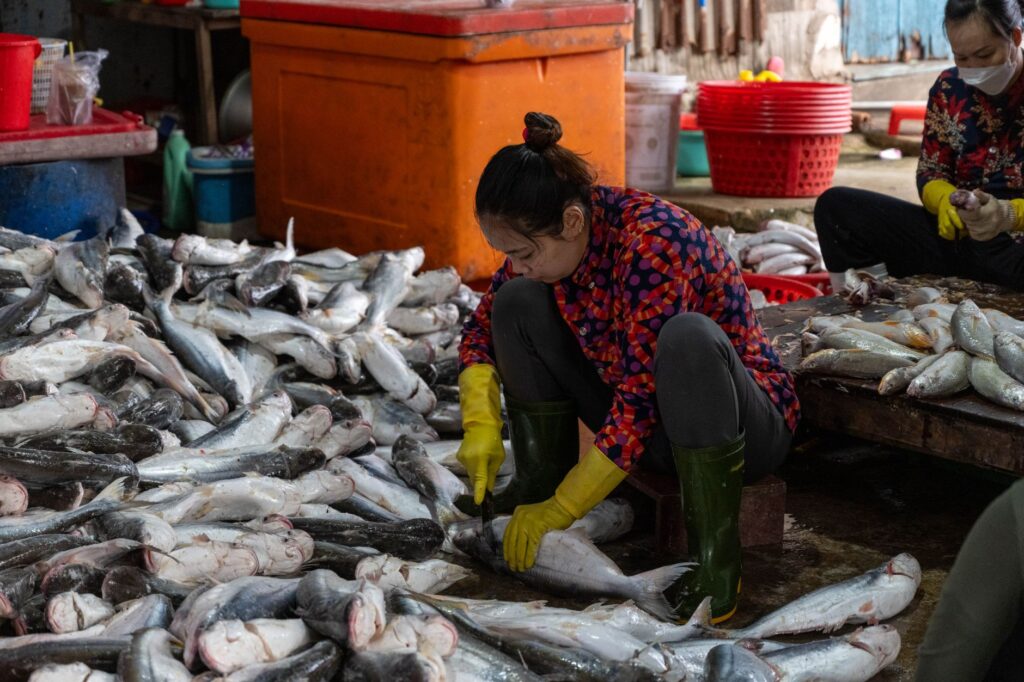
The architecture of the market, conceived in the 1920s by architect Pedro Ispizua, engages in a symbiotic dialogue with water and light. Its geometric windows filter the grayish clarity of the Cantabrian Sea over the fish stalls, where vendors clean the catch landed just hours earlier with millimeter precision. Here, shopping is not a mechanical act of fast consumption, but a social liturgy where recipes passed down through generations, advice on the exact cooking time of a green parsley sauce, and a reverential respect for produce born from a fierce sea and steep valleys intersect.
From the Cantabrian to the Peaks: The Geography of Flavor
Understanding Biscayan cuisine requires leaving the coast and venturing into inland valleys, where sentinel farmhouses watch over green pastures and sloping vineyards. The pantry of this territory rests on two seemingly antagonistic yet deeply complementary pillars: inshore fishing and low-mountain livestock. In the stalls of the Bilbao market, this duality manifests in the symmetrical arrangement of coastal fishmongers alongside racks of milk-fed lamb and vegetables cultivated in the gardens along the Ibaizabal riverbank.
Seasonal vegetables set the temporal pace with an almost liturgical precision. When winter frosts yield to early spring breezes, the displays overflow with tender teardrop peas, deep mahogany Tolosa beans, and slender leeks that star in traditional soups and purees. Far from global standardization, the local consumer demands traceability and origin. Inquiring about the specific farmhouse of an Idiazabal cheese or the exact port where a mackerel was unloaded is not a gourmet whim, but an unnegotiable cultural demand.
The Art of Slow Fire and Patience
If there is one trait defining popular Biscayan cuisine, it is the renunciation of haste. In the kitchens of traditional restaurants and the homes of Bilbao’s hilltop neighborhoods, stews are built on slow-cooked onion soffits melted over low heat, fumets made from fish bones, and emulsions achieved through the constant swirling of clay casseroles. The famous Vizcaína-style hake—with its characteristic base of sun-dried choricero peppers—perfectly illustrates this philosophy where time acts as an invisible yet decisive ingredient.
This fondness for culinary patience contrasts with the dizzying evolution of Basque haute cuisine, although in reality, both realities draw from the same sap. Contemporary chefs who have placed Bilbao on the international map do not reinvent the wheel; they simply distill the essence of grandmotherly recipes, lightening fats and elevating textures without ever betraying the primordial flavor. The result is a constant dialogue between memory and vanguard, where a simple spider crab croquette or a chunk of salt cod pil-pil condenses decades of artisanal know-how.
The Morning Pulse of Century-Old Stalls
Walking through the aisles of Ribera at dawn reveals the invisible effort sustaining Basque gastronomy. Wholesalers unpack wooden crates of live lobsters that still retain the strength of the rocky seabed, while the baserritarras—local farmers—carefully arrange their bunches of collard greens, chard, and misshapen yet intensely flavorful tomatoes. In this commercial ecosystem, a given word is worth more than any written contract, and trust between vendor and client is cultivated over decades of daily transactions.

blockquote>The market is not merely the place where food is acquired; it is the mirror in which the community recognizes itself, a space of cultural resistance against the uniformity of hypermarket aisles.blockquote>
In recent years, the ground floor and mezzanine of the market have transformed to host tasting bars where visitors can sample everything from mushroom croquettes to classic gilda skewers paired with a glass of crisp txakoli. This coexistence between traditional commerce and modern hospitality has revitalized the building without corrupting its popular soul, turning it into an intergenerational meeting point where students, established chefs, and retired neighbors share bar stools and conversation.
The Secret of Txakoli and Sloping Vineyards
Biscayan dining cannot be understood without the wine that historically accompanies its celebrations and daily menus: Txakoli de Bizkaia. Cultivated in small terraced plots overlooking the sea or sheltered in humid inland valleys, this white wine from the Hondarrabi Zuri grape defies winemaking clichés with its vibrant acidity, light natural effervescence, and pronounced aromas of fresh grass and citrus.
Visiting a family-owned winery in the Uribe Kosta region or on the slopes of Mount Gorbeia reveals the heroism involved in this viticulture. The vines, trained on high trellises to protect them from soil moisture, demand meticulous manual labor passed down from parents to children. This short-sip wine, designed to cleanse the richness of blue fish or accompany corn talos with chorizo, encapsulates the indomitable character of a territory that has made climatic adversity its greatest hallmark.
The Secret Cookbook of the Farmhouses
Beyond commercial routes and restaurant menus, the true archive of Biscayan cuisine resides in handwritten notebooks kept in farmhouse drawers. In these domestic texts, measurements are expressed in cups, handfuls, and cauldrons, and instructions rely on the cook’s intuition and sense of smell. Dishes like marmitako—the seafarer’s stew of bonito tuna, potato, onion, and choricero pepper traditionally eaten by fishermen at sea—demonstrate how simple ingredients are elevated through the harmony of cooking times.
Another hidden treasure of this recipe book is purrusalda, a humble broth of leeks and potatoes that in its most austere origin dispensed even with fish, comforting bodies during harsh mountain winters. These everyday dishes, now reclaimed by young gastronomic researchers, prove that Basque haute cuisine was not born in palatial drawing rooms, but in the warmth of the peasant and seafarer’s home, where scarcity forced the utmost extraction of every seasonal ingredient’s properties.

The Sacred Ritual of the Pintxo and the Bar
Sociability in Bilbao is anchored around the bar counter, a miniature showcase where haute cuisine is democratized through bite-sized portions. The ritual of poteo—the custom of visiting several establishments to enjoy a glass of wine or txakoli accompanied by a savory morsel—constitutes one of the city’s most deeply rooted cultural expressions. From the Old Town to Gran Via, each venue discreetly competes to offer the best pintxo of the day.
Here, classic creations like Russian salad with salted anchovy or stuffed eggs coexist with avant-garde preparations where foams, reductions, and vacuum techniques are concentrated into a couple of bites. Far from being a mere tourist diversion, the pintxo functions as a dynamic laboratory of ideas where chefs experiment with flavor combinations before translating them into formal plated formats in the dining room.
Practical guide
How to get there: Bilbao Airport (Loiu), designed by Santiago Calatrava, connects with major European capitals. The tram and metro bring travelers to the urban center in less than twenty minutes. Abando Station receives medium and long-distance trains.
When to go: Spring and autumn offer a mild climate ideal for touring both the market and inland vineyards, while coinciding with the seasons for teardrop peas and the grape harvest.
Where to eat: Ribera Market houses fresh produce stalls and tasting bars ideal for aperitifs. For adapted traditional cuisine, Old Town restaurants keep the Biscayan recipe book alive without unnecessary artifice.
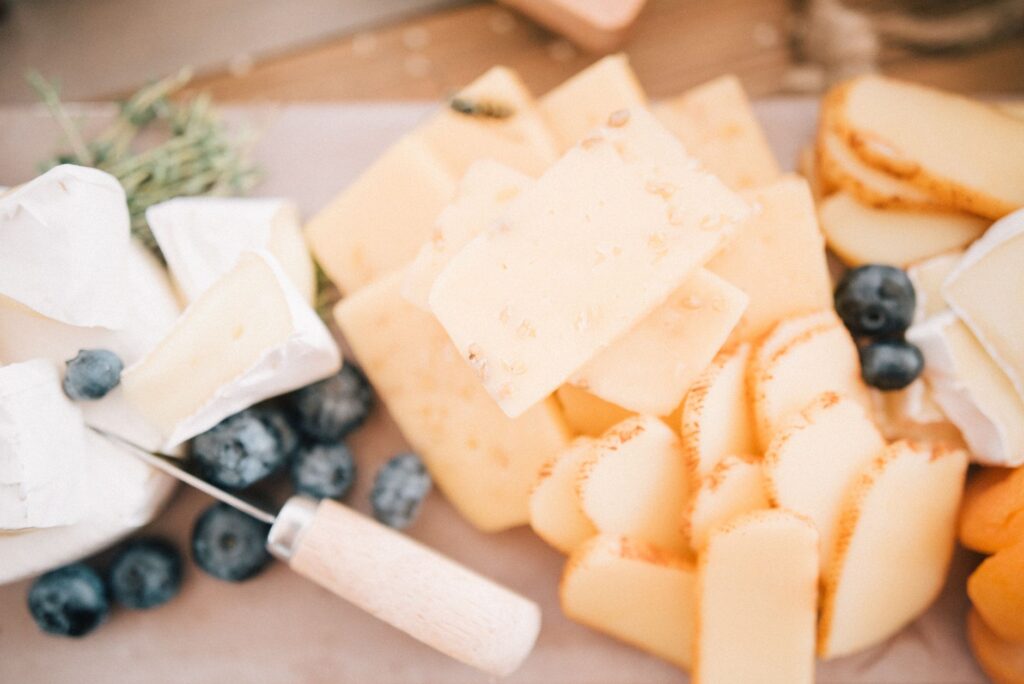
What to buy: Shepherd’s Idiazabal cheese with a protected designation of origin, bottles of Txakoli de Bizkaia with the Euskal Sagardoa or Bizkaiko Txakolina certificate, and dried choricero peppers.
Epilogue: The Echo of Embers and Memory
As evening begins to fall over the sandstone facades and iron bridges crossing the estuary, Bilbao recovers a luminous calm. In the corners of the Ribera Market, delivery van engines turn off and the final cutting boards are scrubbed clean, but the scent of salt, hearth bread, and young wine lingers in the air like an unbreakable promise. Biscayan gastronomy, woven with the patience of old artisans and the boldness of seafaring folk, is not a vestige frozen in time, but a living organism beating in unison with its land. Sitting at the table in this corner of the north means far more than satisfying an appetite; it is participating in a secular communion where every bite tells the story of a people who turned their untamed geography into an authentic feast for the senses.