


The Foundations of Iron and Memory in the Manchegan Plain
Dawn in Albacete does not announce itself with the roar of coastal metropolises, but rather with the subtle rustle of unfolding canvas awnings and the metallic chime of scales returning to life. At the heart of the city, the Central Market stands as a secular cathedral of fresh produce, a sanctuary where early twentieth-century iron architecture still shields the commercial pulse of a region defined by the harshness and generosity of its high plateau. Crossing its doors at daybreak is to witness an ancient performance where time seems to slow down, leaving the raw ingredients to take center stage.
This venue is far more than a mere supply point; it acts as the social thermometer of a province that has managed to preserve its identity despite the currents of accelerated modernization. The aisles, ordered with the geometric precision of ancient guilds, house stalls that have been passed down from parents to children for generations. Here, the customer does not seek the impersonal immediacy of large supermarkets, but rather the complicity of the vendor—the person who knows the exact ripening point of a cheese or the precise origin of the small game hanging discreetly from the butchers’ hooks.
The Dryland Larder: Between Scrubland and Limestone Soil
A few kilometers beyond the invisible walls of the city, the landscape shifts radically into a mosaic of limestone soils, scattered holm oaks, and cereal fields stretching as far as the eye can see. This is Upper La Mancha, a territory of austere appearance that conceals exceptional gastronomic wealth. Aromatic plants such as thyme and rosemary impregnate the air, imparting an unmistakable character to the pastures traversed by Manchegan sheep, the undisputed queen of these regions.

In the market stalls, this biodiversity translates into rows of cheeses cured in lard, extra virgin olive oil from centuries-old olive trees, and a varied selection of seasonal wild mushrooms harvested in the foothills of the mountain range. Vendors proudly display the fruits of a resistance-based agriculture, where water scarcity has historically forced inhabitants to squeeze the maximum properties out of every crop, generating a cuisine of resourcefulness that is as intelligent as it is deeply flavorful.
The market is not merely the place where food is purchased, but the living archive where the geography of a territory is transformed into flavor and shared memory.
The Liturgy of the Counter: The Art of Direct Dealing
Wandering among the stalls of Albacete’s Central Market requires adopting a leisurely pace, utterly incompatible with contemporary haste. Every commercial transaction is, in reality, an exchange of knowledge. The stallholder pauses their knife for a moment to explain why the local bean variety features a thinner skin this season or to recommend the exact soaking time required. This continuous dialogue keeps alive a gastronomic culture that might otherwise risk dissolving into global standardization.
The fruit and vegetable stands are a chromatic explosion that changes rigorously according to the agricultural calendar. In autumn and winter, roots, winter pumpkins, and wild chard predominate, while spring floods the counters with the first tender garlic shoots and tear peas. Local merchants act as unwitting guardians of agricultural biodiversity, resisting the temptation to offer foreign produce outside its natural cycle—a stance that guarantees the authenticity of every dish subsequently prepared in the households of the region.

Extensive Livestock Farming and the Miracle of Artisanal Cheese
If there is one product that embodies the essence of Albacete on international tables, it is artisanal Manchego cheese, made exclusively from raw milk of the Manchegan sheep breed. In the market, the wedges rest beneath glass display cases that emit an intense, slightly spicy, and buttery aroma. Cheesemakers patiently explain the differences between a four-month semi-cured cheese and an aged wheel that has spent over a year maturing in subterranean cellars, where humidity and temperature regulate themselves naturally.
This dairy product cannot be understood without the context of extensive grazing. The sheep traverse stubble fields and scrublands, feeding on a diverse wild flora that transfers directly to the organoleptic profile of the milk. Transhumance and flock management configure a cultural landscape that forms an inseparable part of the rural economy. Tasting this cheese accompanied by a piece of rustic country bread and a drizzle of local oil connects one directly with the oldest cycles of human survival on the plateau.
The Pulse of Game and Earthy Stews
The traditional recipe book of the province finds one of its most solid pillars in small game. Partridges, hares, and rabbits inhabiting the hunting estates of Upper La Mancha and Manchuela arrive at the market stalls following rigorous selection. During the colder months, game meats take center stage in family Sunday gatherings through emblematic preparations such as *gazpachos manchegos*, a pastoral dish where chopped unleavened flatbreads slowly absorb the concentrated juices of the stew.

The market butchers master the art of butchering tailored to these secular recipes. They know precisely which cut requires prolonged cooking and which benefits from a light marinade with local white wine and juniper berries. This technical knowledge, passed down through generations of market professionals, ensures that home cooking maintains its highest standards of authenticity and respect for wild ingredients.
The River Valleys of the Júcar and Segura
Although the dominant image of the province is that of a dry plain, the river courses of the Júcar and Segura cross the territory, carving out strips of exuberant fertility. The orchards near these riverbeds supply the market with vegetables and greens of exceptional quality. Seasonal tomatoes, with their perfect balance of acidity and sweetness, and flat green beans dominate the summer months, while thards and borage take center stage during winter weeks.
This duality between arid drylands and leafy river valleys explains the complexity of Albacete’s larder. The farmers who come to sell their surplus at the market represent the vanguard of human-scale agriculture, rooted in the territory and respectful of hydrological cycles. Buying directly from these producers is an exercise in food sovereignty and a direct way to support the circular economy of surrounding municipalities.
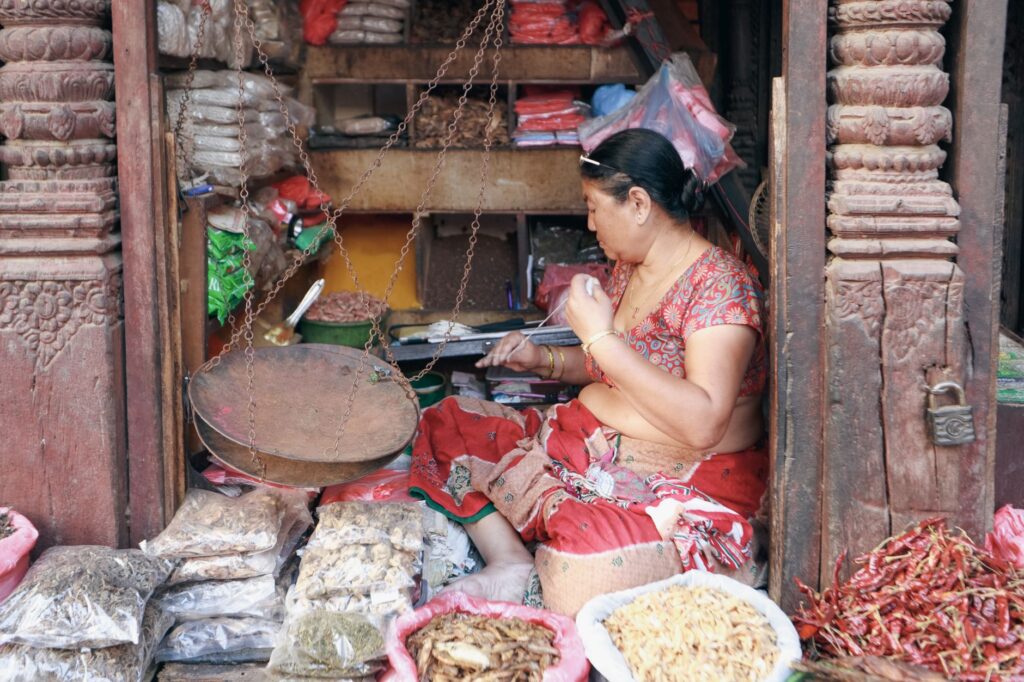
True culinary sophistication does not lie in the accumulation of complex techniques, but in the capacity to extract the maximum expression from produce cultivated and harvested with discernment.
Practical guide
Planning a visit to Albacete’s Central Market and its rural surroundings requires understanding local rhythms and the seasonal particularities of traditional commerce.
How to get there
The market is located in the historic center of Albacete, in Plaza del Altozano and adjacent streets, perfectly accessible on foot from any central point. High-speed rail connections link the city with Madrid and Alicante in just over an hour and a half, facilitating weekend getaways.
Recommended hours
The facilities open Monday through Saturday from 7:30 AM to 2:00 PM. The optimal time to experience the authentic bustle and find the greatest variety of fresh produce is between 9:00 AM and 11:30 AM.

Essential products
- Artisanal Manchego cheese with protected designation of origin.
- Extra virgin olive oil from local varieties such as Picual or Cornicabra.
- Unleavened flatbreads specifically made for traditional Manchego stews.
- Rosemary and thyme honey sourced from the province’s mountain ranges.
Recommended regional excursions
- A route through the terraced orchards of the Júcar river valley to meet small-scale horticultural producers.
- A visit to traditional wineries in the Manchuela region to understand the pairing between wine and local gastronomy.
- A tour of the natural viewpoints of the Sierra de Alcaraz to understand the ecosystem of extensive livestock farming.
The Echo of the Tablecloth and Shared Memory
At dusk, when the market stalls pull down their metal shutters and silence reclaims the historic naves, a sense of permanence lingers in the air. The cuisine of this land seeks neither sensationalism nor ephemeral surprise; it relies on patience, rigorous respect for nature’s timelines, and the conviction that eating is, above all, an act of communion with the landscape. Every crumb of rustic bread, every wedge of matured cheese, and every slow-simmered broth made with produce from the square remind us that the true wealth of a journey lies in the capacity to pause, look into the eyes of those who work the land, and understand that flavor is, in its deepest sense, a form of collective memory.


