Introduction to the Aegean Sanctuary
The Cyclades, a ring of white-washed islands sculpted by wind and salt in the heart of the Aegean Sea, guard an ancient secret beneath their marble and schist cliffs. Far away from the summer bustle of tourist terraces, marine cavities inaccessible by land harbor one of the most endangered marine mammals on the planet: the Mediterranean monk seal (Monachus monachus). This corner of southeastern Europe combines one of the highest densities of recreational navigation in the world with the biological resilience of a species that came to the brink of total extinction in the late 20th century.
Understanding the current survival of this population requires looking beyond the classic postcards of blue domes and turquoise waters. The oceanography of the central Aegean is characterized by strong seasonal winds, known as the meltemi, which mix the water column and enrich coastal zones with nutrients from deep currents. This physical dynamism supports a complex trophic web, essential for sustaining large coastal predators. Throughout this report, we will examine how marine science, artisanal fisheries management, and protected area legislation coexist in a fragile balance against anthropogenic pressure.
Oceanography and Coastal Morphology in the Cyclades
The underwater relief of the Cyclades is the result of complex tectonic processes that have fractured the Earth’s crust over millions of years. The deep channels separating the islands channel marine currents that act as authentic biological highways. These cold-water currents, rich in phytoplankton, stimulate the proliferation of small pelagic fish such as sardines and anchovies, which are fundamental pillars in the monk seal’s diet.
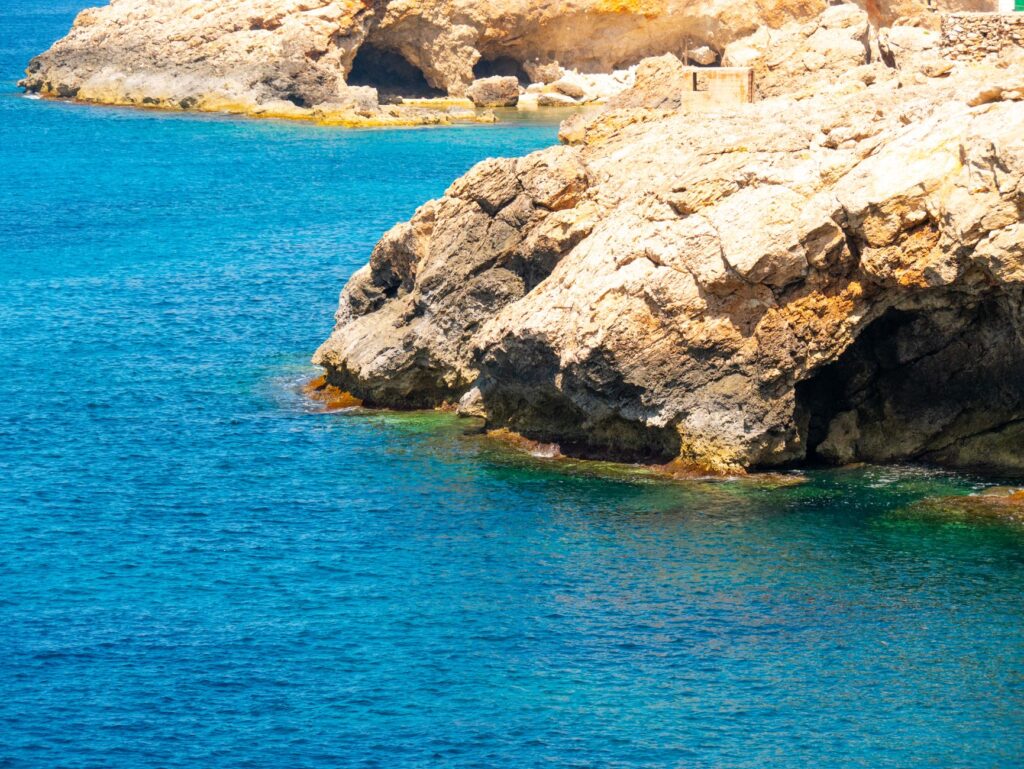
Unlike other seals that inhabit polar latitudes and depend on sea ice for reproduction, the Aegean monk seal has evolved to use semi-submerged marine caves. These cavities, carved by the mechanical action of waves on limestone and metamorphic rocks, present a distinctive feature: dry interior beaches or gravel platforms where females can give birth to their pups safe from the onslaught of the open sea. The stability of these caves is vital; any alteration in sea level or structural collapse caused by accelerated erosion can compromise the reproductive success of entire seasons.
Biology and Rupicolous Behavior of the Monk Seal
The behavior of Monachus monachus is intimately linked to its rupicolous condition. Unlike gregarious pinnipeds that form large colonies on open beaches, the monk seal displays remarkable discretion and marked territoriality. Adult specimens spend much of the day patrolling rocky bottoms in search of cephalopods, crustaceans, and benthic fish, using their long sensory whiskers (vibrisas) to detect prey in murky waters or in the darkness of caves.
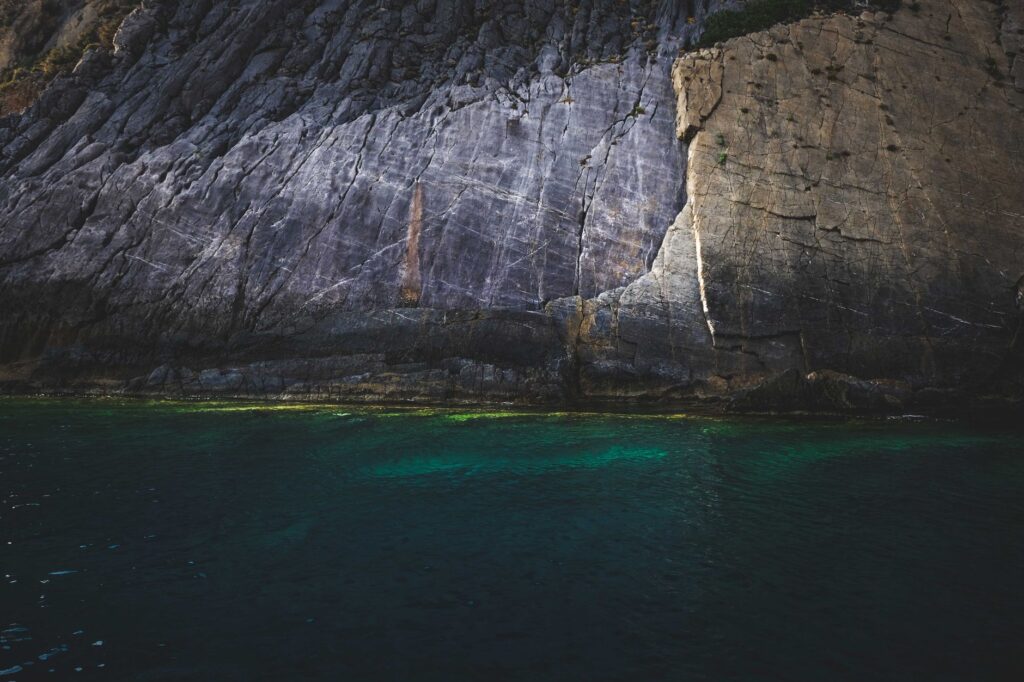
During the breeding season, which extends mainly between the autumn and winter months, females meticulously select caves with a narrow underwater entrance but a sheltered interior space safe from spring tides. Pups are born with a dark-black woolly coat that is molted after a few weeks into a grayish or brownish tone. During lactation, which lasts approximately four months, the mother demonstrates extreme sensitivity to human presence. The intrusion of recreational boats or divers into these caves can cause panic, premature separation from the pup, or even the definitive abandonment of the natal refuge.
Anthropization and Conflict with Artisanal Fisheries
One of the greatest challenges for the conservation of the monk seal in the Aegean lies in the historical interaction with local fishing communities. For decades, traditional fishermen perceived the species as a direct competitor for resources or as a threat that damaged gillnets in search of easy catches. This conflict generated episodes of direct persecution that drastically decimated populations in the past.

Today, the landscape has evolved thanks to awareness programs and financial compensation promoted by conservation organizations and the Greek government. However, industrial commercial overfishing, the use of illegal fishing gear, and the degradation of coastal habitats continue to exert an invisible yet constant pressure. The decline in coastal fish biomass forces young specimens to risk swimming in areas of intense maritime traffic, increasing the risk of collisions with high-speed vessels.
Conservation Strategies and Marine Protected Areas
The institutional response to the monk seal’s vulnerability has translated into the creation of networks of marine protected areas (MPAs) across the archipelago. Specific zones within the Cyclades now feature strict regulations prohibiting unauthorized recreational navigation, yacht anchoring in the vicinity of sensitive cliffs, and intensive fishing within a safety radius around breeding caves.
Technology plays an increasingly relevant role in these surveillance tasks. The use of coastal radar systems, infrared camera traps inside cavities, and acoustic monitoring via hydrophones allow marine biologists to monitor animal presence without causing stress. These scientific data are fundamental for evaluating the management plans’ efficacy and adapting protection regulations to the changing reality of summer nautical tourism.
Nautical Tourism and the Ethics of Observation in the Aegean
The dominant tourism model in the Aegean Sea, based on the massive rental of catamarans, yachts, and sailboats, represents a double-edged sword for littoral ecosystems. While tourism provides vital economic income for island economies, the lack of environmental education among private sailors generates recurring episodes of disturbance in protected habitats.
Exploring the Cyclades from the sea demands a fundamental transformation in the traveler’s ethics. Approaching within one hundred meters of remote cliffs with running engines or anchoring over Posidonia oceanica meadows destroys natural fish nurseries and frightens away sensitive species like the monk seal. Truly sustainable tourism in this region implies prioritizing silent sailing, exclusively hiring certified local operators, and scrupulously respecting the exclusion perimeters established on official nautical charts.

Protecting the marine biodiversity of the Aegean does not mean closing the sea to human beings, but rather redesigning our presence under criteria of radical respect for the rhythms and refuges of wildlife.
Practical guide
Planning a responsible, low-impact observation trip to the Cycladic archipelago requires logistical rigor, regulatory knowledge, and a deep commitment to the conservation of marine ecosystems.
- When to go: The spring months (May and June) and early autumn (September and October) offer stable weather conditions, lower nautical traffic density, and the cessation of the monk seal’s most delicate breeding season.
- How to get there: The main access is via regular ferry lines from the ports of Piraeus or Rafina to the major islands of the archipelago. For travel between smaller islands, using conventional public maritime transport rather than private speedboat charters is strongly recommended.
- Sustainable accommodation: Opt for small family-run hotels or rural complexes certified with European eco-labels that guarantee efficient water and energy management on islands facing chronic water scarcity.
- Responsible navigation: If chartering a vessel, consulting marine protected zone zoning charts, avoiding anchoring over algae beds, and maintaining a minimum distance of one kilometer from secluded northwestern cliffs are mandatory.
- Official information sources: Always consult the guidelines of the Greek Ministry of Environment and Energy and the publications of local scientific organizations such as the Hellenic Society for the Study and Protection of the Monk Seal (MOm).
Final reflection facing the blue horizon
As the sun begins to descend over the Aegean horizon, tinting the white facades of Cycladic villages with golden and mauve reflections, the sea recovers an ancestral calm. In the gloom of an inaccessible cave, a monk seal surfaces to breathe pure air, oblivious to the economic and political debates shaking the continent’s surface. Its silent survival in these hyper-frequented waters is clear proof that nature still retains a formidable capacity for resilience, provided that humanity chooses to set aside ambition and grant it the living space that rightfully belongs to it by evolutionary right.