A Silent Transformation at Park Dining Tables
The United States national park system is not merely a geographical archive of snow-capped peaks, deep canyons, and ancient forests; it is also a vast archive of the borderlands’ food culture and the spirit of public hospitality. From the historic stone and timber dining rooms in Yosemite to the modest supply outposts deep within the Appalachians, the experience of exploring the wilderness has always been inextricably linked to the shared table. Yet, in recent years, the shadow of federal budgetary decisions has profoundly altered this ecosystem. Administrative priorities favoring large, centralized projects in Washington have left regional parks with severely depleted budgets, directly impacting the invisible infrastructure that sustains the daily lives of millions of visitors.
To understand the magnitude of this disruption, one must look beyond postcard landscapes and delve into the kitchens, warehouses, and concession contracts that regulate food service in protected territories. Financial constraints not only delay road repairs or sanitation upgrades; they also strangle the ability of local operators to maintain quality standards, source regional ingredients, and preserve the culinary heritage that defines each ecoregion. This report examines how federal resource allocation policies directly affect the plate, transforming park gastronomy into a battleground of economic and cultural resistance.
The Weight of Centralization on Regional Cuisine
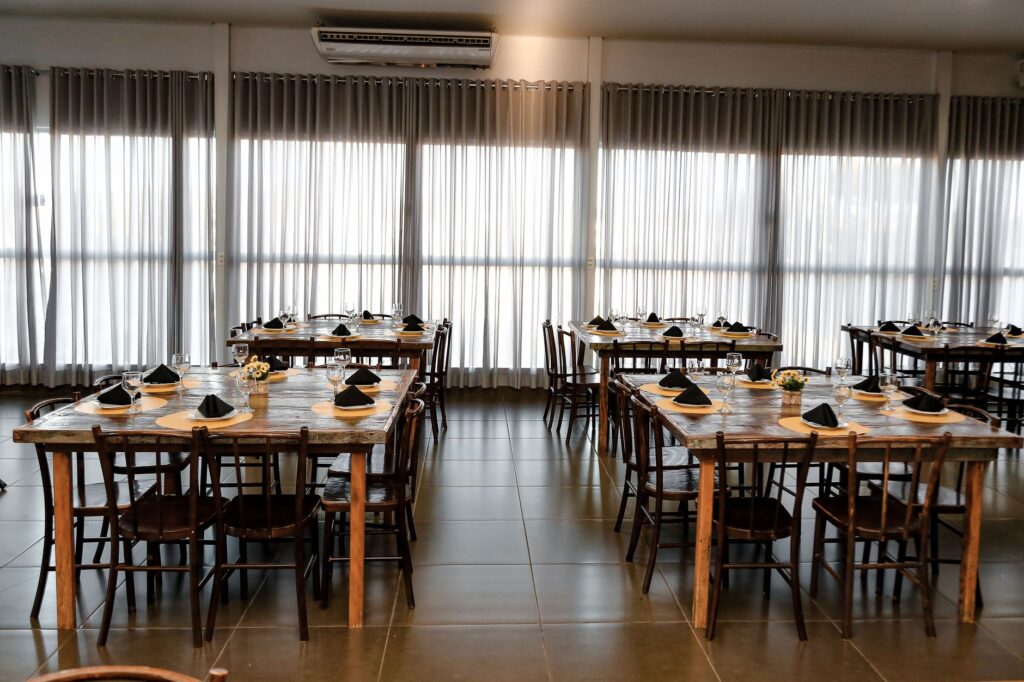
For decades, restaurant operations within national parks operated under a principle of relative autonomy, where concessionaires worked closely with local producers to offer everything from fresh river trout to bread baked using traditional local methods. This connection to the territory has been threatened by fund centralization and the reallocation of budget line items toward high-visibility urban projects in the federal capital. With a cash-strapped operating budget, park administrators are forced to cut essential operational expenses, directly impacting food supply chains and the hiring of specialized personnel.
The consequences of this resource reorientation are tangible in the daily operations of iconic dining rooms. Menus have been drastically simplified, prioritizing low-cost, long-shelf-life ultra-processed products over freshness and local identity. The loss of hyper-local ingredients not only impoverishes the traveler’s sensory experience but weakens the rural economy that has historically nourished these protected areas. Small farmers and fishers who once found stable, dignified markets in institutional park contracts now face insurmountable bureaucratic barriers and drastic cuts in institutional demand.
The kitchen of a national park is the edible translation of its landscape; when infrastructure is defunded, the first flavor lost is that of the earth itself.
Obsolete Infrastructure and Its Impact on Food Safety
Managing a kitchen in remote environments requires flawless infrastructure: advanced refrigeration systems, efficient water treatment plants, and a robust electrical network capable of withstanding extreme weather conditions. However, with critical maintenance projects postponed nationwide to concentrate federal funds on specific presidential initiatives, park culinary facilities have been left out of necessary investments. Today, many shelters and lodges operate with obsolete machinery dating back to the mid-twentieth century, increasing the risk of technical failures and health code issues.

This operational obsolescence places unsustainable pressure on sector workers. Cooks, managers, and service staff must deal daily with broken equipment and a lack of spare parts, leading to temporary closures of historic dining rooms and a noticeable reduction in public service hours. During peak season, when visitor influx reaches its maximum, the inability of the infrastructure to meet demand creates long lines, frustration, and a generalized degradation of the hospitality service that has distinguished the National Park Service for generations.
- Chronic delays in repairing industrial refrigeration systems in remote areas.
- Increase in corrective maintenance costs due to a lack of preventive investments.
- Reduction in the variety and freshness of menus offered to visitors.
- Increased workload and burnout among hospitality staff.
Privatization and the Pricing Dilemma in Public Dining Rooms
Faced with a scarcity of public funds and growing pressure to self-fund basic service operations, parks have increasingly relied on large corporate concession companies. These businesses, subject to strict profit margins and exclusivity contracts, often apply high pricing policies that drive middle-class families away from the experience of dining in historic lodges. What was once a democratic space for community gathering and rest after a long hike has transformed, in many cases, into an inaccessible luxury product.

The inflationary phenomenon within park boundaries does not solely respond to tourism market logic, but rather to a transfer of financial responsibilities from the federal government to the end user. Lacking adequate maintenance subsidies for their facilities, operators pass the cost of obsolescence directly onto the menu. This commercial management model erodes the civic sense of natural spaces, turning the right to rest and a decent meal into a privilege subject to the visitor’s purchasing power.
The Loss of Historical Narrative at the Table
National park gastronomy holds the memory of indigenous communities, pioneers, civilian conservation corps, and diverse cultures that shaped the American West and eastern forests. Every dish served in these establishments used to be a living lesson in environmental history. However, the standardization imposed by budget cuts and administrative centralization is erasing these nuances. Theme menus and heritage recipes are replaced by generic corporate fast-food options that could be consumed on any interstate highway in the country.
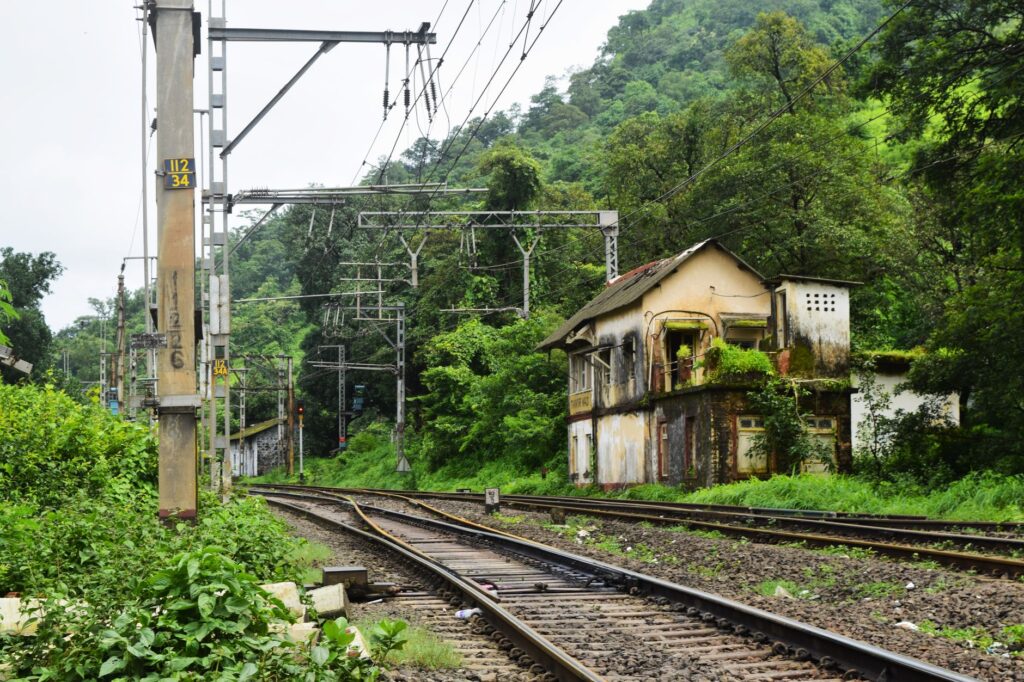
This cultural homogenization process impoverishes the educational purpose of parks. The interpretation of nature and human history does not occur solely in visitor centers through informative panels or guided talks; it is experienced profoundly through the senses, sharing the traditional flavors of the environment. When federal policy neglects this aspect, the guiding thread connecting today’s traveler with past generations who defended and inhabited these natural sanctuaries is broken.
Challenges for Staff and the Local Community
The budgetary crisis also directly impacts the working conditions of those who sustain the hospitality industry in the parks. A lack of affordable housing within protected boundaries, combined with tight operating budgets, makes it difficult to retain chefs, servers, and maintenance personnel. Many seasonal workers choose to abandon the parks due to the impossibility of covering their basic needs, generating constant turnover that prevents the consolidation of professional kitchen teams committed to the historic standard of the place.
Practical guide
For travelers planning to visit national parks who wish to support local economies while navigating current infrastructure and service limitations:
- Advance provision planning: Due to budget cuts and temporary closures in historic dining rooms, it is advisable to bring fresh food and sufficient water for long excursion days.
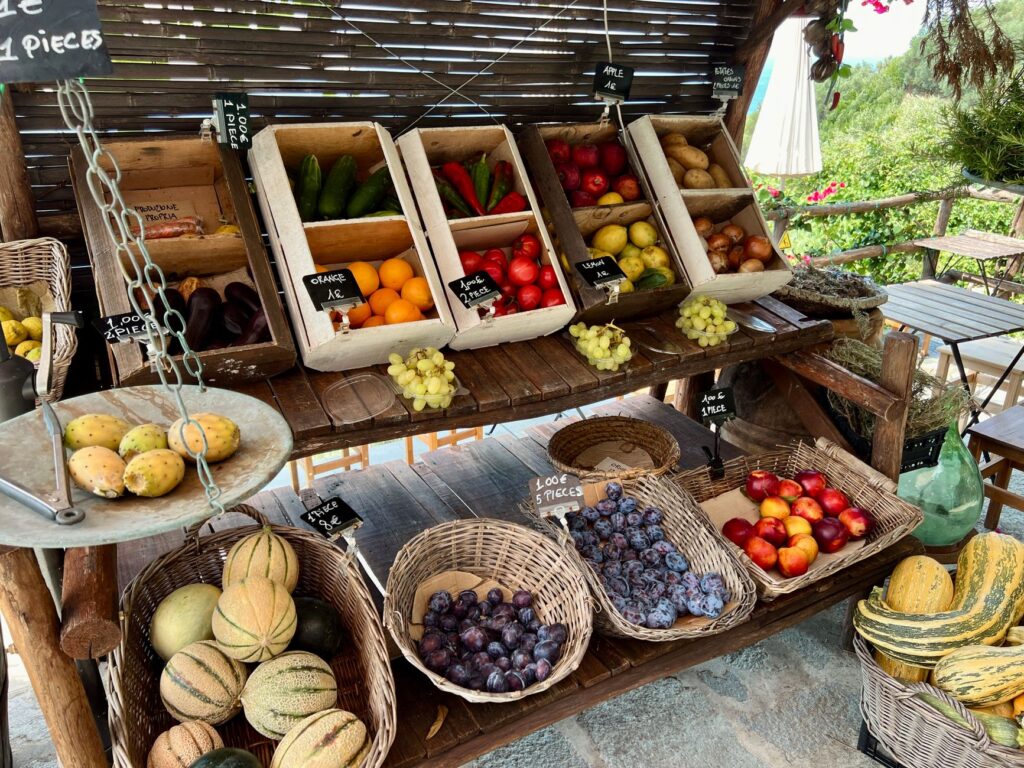
- Support for small regional producers: Look for local markets and community farms in towns bordering the parks before entering, ensuring consumption of truly native products.
- Schedule verification: Consult official websites and social media channels of local concessionaires prior to arrival to confirm the actual availability of restaurant and lodging services.
- Respect for heritage infrastructure: Use public spaces with an awareness of current operational limitations, avoiding the generation of additional waste that overburdens local sanitation systems.
- Consultation of verified sources: Stay informed about budgetary modifications and their operational impact through independent journalism reports and National Park Service press releases.
In the twilight of an autumn afternoon, when mountain shadows lengthen across protected valleys, the murmur of historic dining rooms continues to evoke a promise of refuge and community. Despite budgetary diversions and the cold bureaucracy of the capital, the cultural resistance of those who cook, serve, and defend these spaces demonstrates that the true wealth of parks does not lie in financial lines allocated from above, but in the deep, everyday affection of those who inhabit and care for them. The future of the table in the wild nature will ultimately depend on our collective ability to demand that public management honor the living heritage bequeathed by past generations.
True conservation of a national park includes defending its hospitality and traditional flavors against the indifference of centralized politics.
Source in English: The New York Times, How Trump Has Disrupted National Parks (https://www.nytimes.com/2026/09/19/climate/trump-national-park-service-budget-cuts.html)