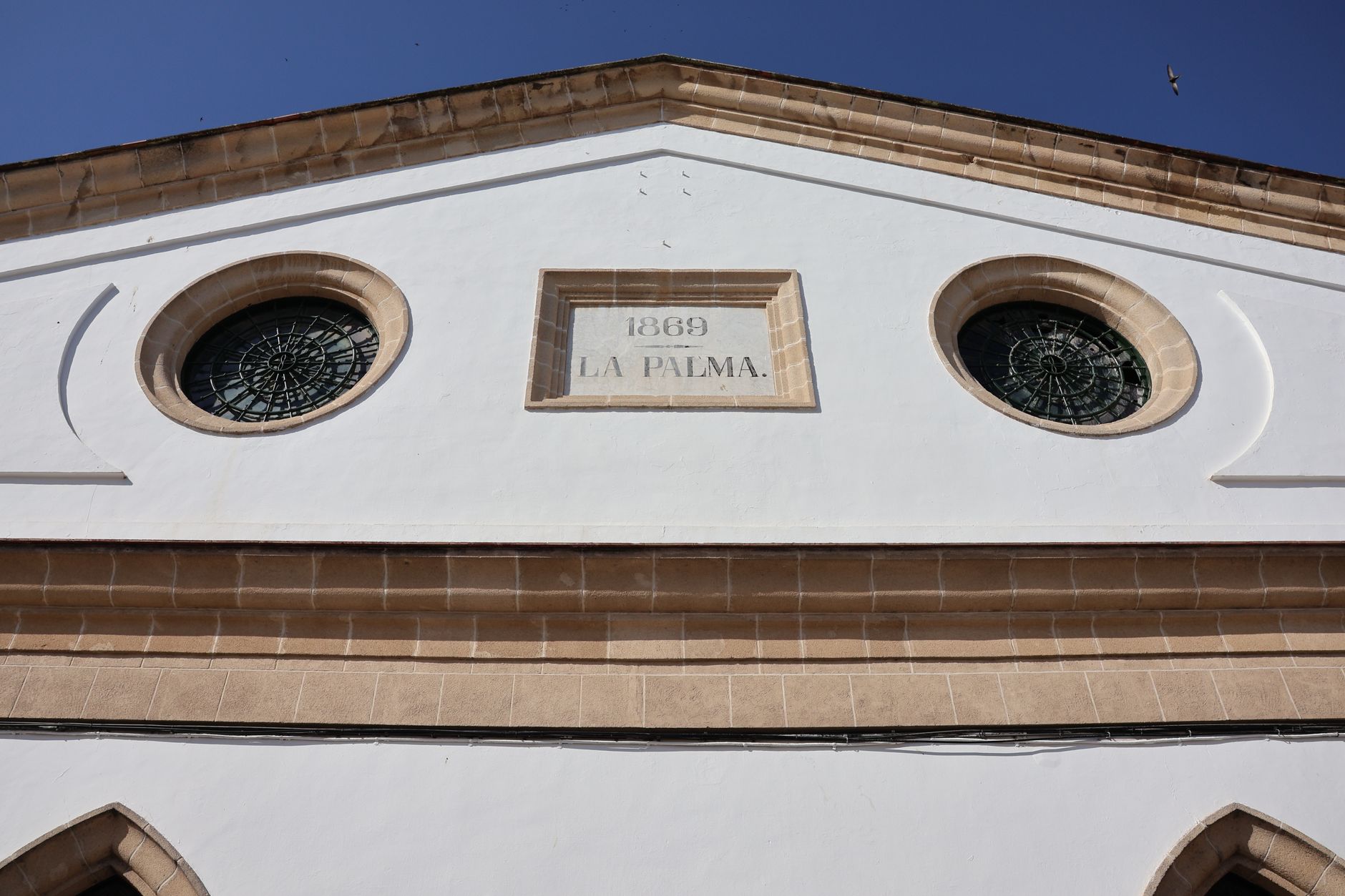

There are places where time is not measured by clock hands, but by the rhythm with which farmers arrange fruits upon wooden tables. In the heart of Granada, beneath the constant murmur of irrigation channels descending from the Sierra Nevada, the Central Market of San Agustín pulses with the same vital urgency that has animated this city for centuries. It is not merely a provisioning point, but a living archive of shared memories, where each product tells a story of earth, water, and patience. Here, geography is not an accident, but an architecture of flavor connecting snow-capped peaks with the fertile clay plain.
The Vega of Granada, that immense green basin spreading out at the foot of the Alhambra, acts as the true invisible engine of this market. From the earliest hours of dawn, farmers transport vegetables that still retain the night’s dew. Stalls overflow with firm-stemmed artichokes, Granada pear tomatoes—whose balance of acidity and sweetness is unmistakable—and Almagra eggplants, cultivated using irrigation techniques inherited from ancient Andalusian systems. This cultural continuity turns the act of shopping into a form of communion with the landscape.
The Architecture of Provision and the Memory of Walls
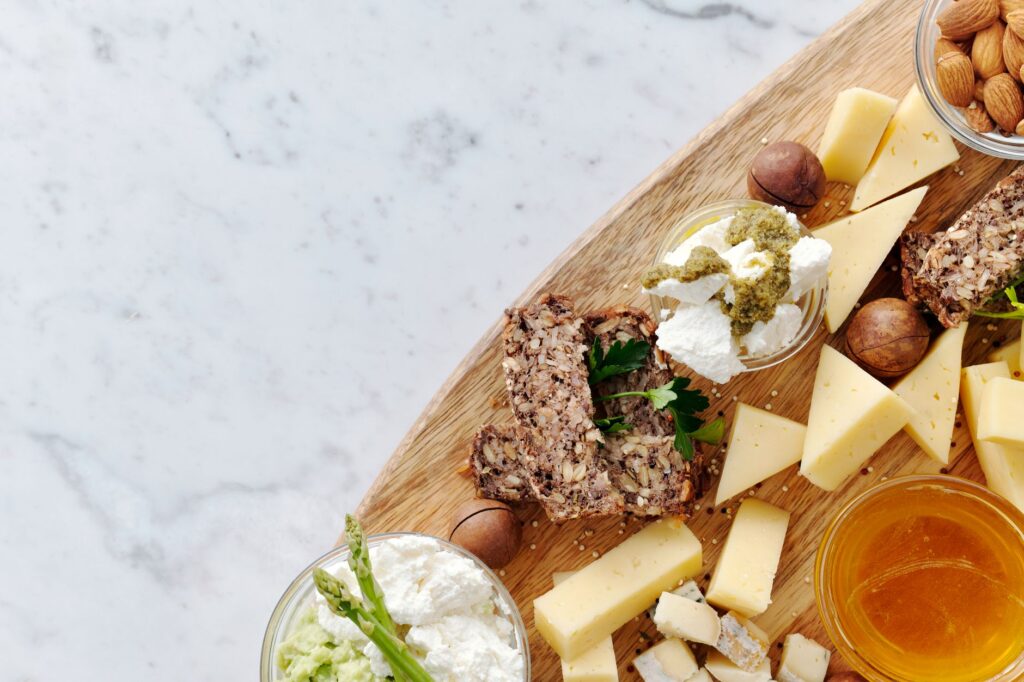
The market’s current building, although modernized in its interior structure, rests upon the foundations of a former Augustinian convent. That vocation of monastic refuge and gathering seems to have transferred to today’s aisles, where vendors greet regular customers by name, maintaining a code of mutual trust that supermarkets have never managed to replicate. The white marble counters, polished by the friction of generations of hands, support cuts of local meat and raw Alpine goat cheeses produced in small farmsteads where human labor still dictates the rhythm of maturation.
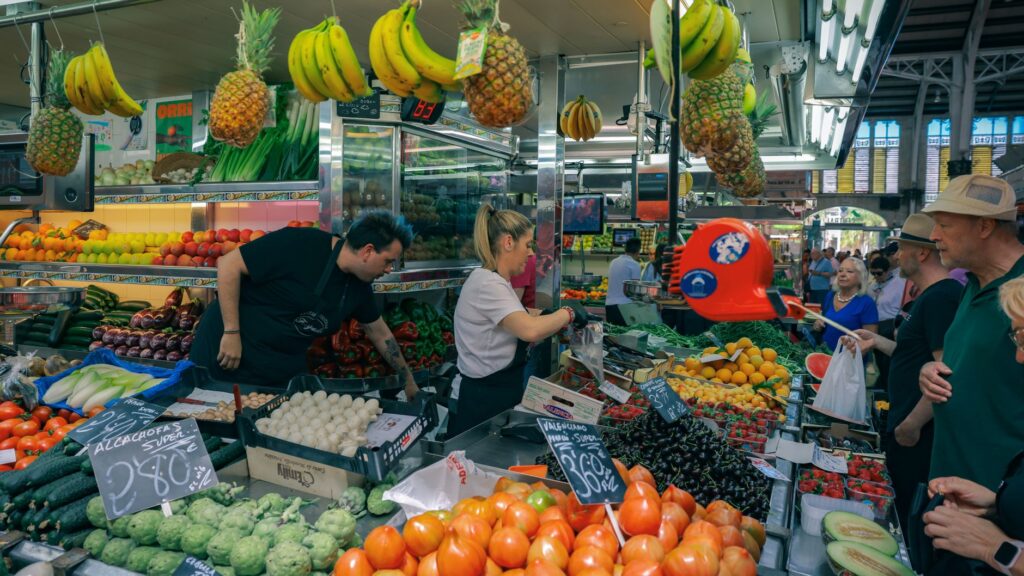
Walking through these halls is also an exercise in sensory archaeology. The aroma of saffron threads blends with the persistent trace of cumin and paprika, spices that preserve the commercial pulse of the Nasrid legacy. Vendors proudly explain the exact origin of their goods, pointing toward specific valleys where they were harvested just hours earlier. This radical transparency is the best guarantee of authenticity in a world saturated with standardized, faceless products.
Water as a Score: The Irrigation System of the Vega
To understand the excellence of the produce arriving at Granada’s market, it is essential to look toward the traditional irrigation system. The channels, originally designed during the Islamic period, distribute meltwater with millimeter precision. This constant, cold flow nourishes nutrient-rich soils that endow vegetables with exceptional texture and flavor. Fine zucchini, Granada broad beans—consumed tender and accompanied by Trevélez ham—and white asparagus from the Genil groves are the direct result of this ancestral hydraulic engineering.
Water in the Vega is not a passive resource; it is the guiding thread that weaves the pantry and defines the personality of every harvest.
Local elders recall how managing the sluice gates was a communal affair requiring unbreakable neighborhood agreements. Today, although urban pressure has clipped part of this historical territory, the farmers who persist continue applying the same irrigation shifts. That fidelity to the past translates directly to the plate, where diners perceive a density of flavor that intensive, accelerated cultivation never manages to develop.

The Liturgy of the Butcher Shop and Mid-Mountain Treasures
Temporarily leaving the vegetable realm, the interior halls of the market reveal the livestock wealth of the surrounding regions. Butcher shops display meticulous cuts of southern lamb, an animal raised on the seasonal pastures of the mid-mountain. The meat, characterized by its pink color and balanced fat infiltration, is destined both for traditional stew preparations and simpler grilled dishes. Alongside them, cold cuts from the Montes de Granada, cured in the dry, cold air of the high valleys, offer notes of garlic, oregano, and Holm oak smoke.
Artisanal cheesemakers occupy a privileged corner where raw milk is valued above all else. Goat cheeses with floured rinds or washed in local wine demonstrate that extensive livestock farming remains alive despite the economic difficulties of the rural sector. Each piece is distinct, marked by the type of brushwood the flock grazed on during the previous weeks. Seasonality thus becomes a supreme value: industrial uniformity is rejected in favor of the honest expression of a changing natural environment.
The Invisible Territory: Terraces and Country Estates
Beyond urban boundaries, the Vega is organized around small plots traditionally known as pagos and historical orchards. In these spaces, polyculture remains the norm. Rows of fruit trees interspersed with leafy vegetables and legumes are common, a natural rotation system that prevents pests and enriches the substrate without synthetic fertilizers. Local farmers tend these plots with near-artisanal dedication, passing the trade from parents to children in an uninterrupted cycle.
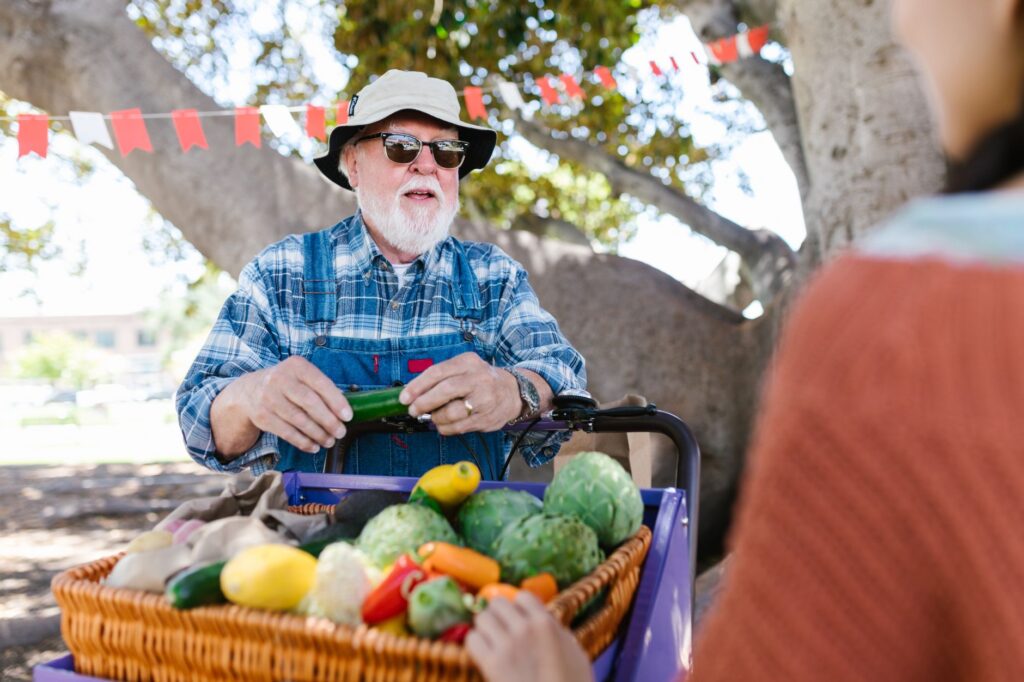
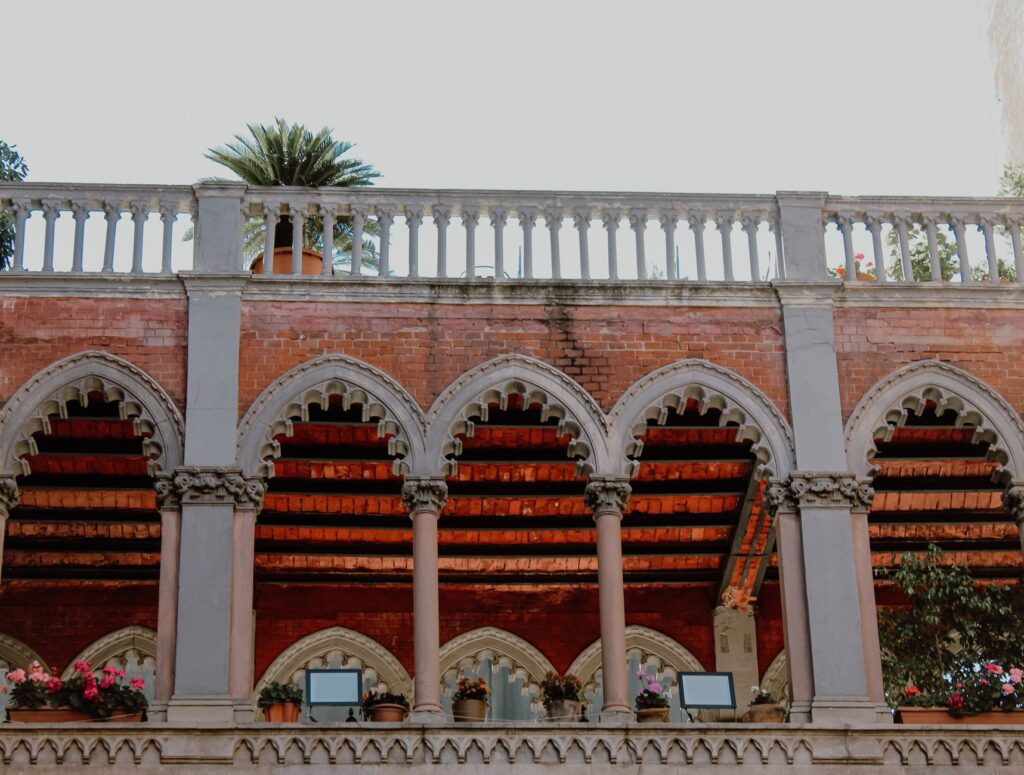
This agrarian landscape, permanently threatened by modern infrastructure expansion, still preserves corners of extraordinary beauty where time seems to have stood still. Country estates and former agricultural retreats from the Islamic era dot the horizon, reminding visitors that Granada’s gastronomy was born as an intimate alliance between aesthetic pleasure and the sustainable use of the land.
The Shared Table: The Recipe Book of Resistance
The cuisine derived from this raw material stands out for its apparent simplicity and deep caloric and seasonal foundation. Dishes such as San Antón stew, frugal potato dishes, or meat-stuffed peppers reflect a philosophy of absolute utilization. At the market, pickle and nut stalls offer the essential complements to round out these flavors: Alpujarra almonds, olives seasoned with wild fennel, and Almagro eggplants arriving from neighboring provinces to integrate into the local recipe book.
Eating in Granada is participating in an uninterrupted dialogue between cultures that have left their mark in every spoonful of broth.
Local chefs arrive at the market each morning seeking the day’s inspiration. There are no closed, inflexible menus; the culinary offerings of the city’s best restaurants fluctuate according to what vendors received at dawn. This direct reliance on the market guarantees unsurpassable freshness and restores the emotion of gastronomic surprise to the diner.
Practical guide
How to get there: The Central Market of San Agustín is located in the historic center of Granada, just steps from the cathedral. It is accessible on foot from any central point. To reach Granada, the rail network connects the city with Madrid and Barcelona via high-speed services, and the Federico García Lorca Airport operates regular domestic and international flights.
When to go: Spring and autumn offer the best weather conditions and the greatest diversity of seasonal produce in the market, ranging from tender broad beans to wild mushrooms from nearby mountains.
Opening hours: The market is open Monday through Saturday, from 7:00 AM to 3:00 PM. Visiting during the early morning hours is recommended to witness peak commercial activity and secure perishable goods.
Shopping tips: Carrying cash for smaller local farmer stalls is advisable, and asking about the exact origin of seasonal vegetables ensures a fully genuine experience.
Emotional Epilogue: The Last Beat of the Vega
As evening begins to fall over Granada and the market’s final stalls roll up their canvas awnings, the city experiences a solemn stillness. On the margins of the Vega, irrigation canals continue their incessant murmur, nourishing the soil that will once again offer its fruits at dawn. That endless cycle, sustained by the anonymous effort of farmers and vendors, constitutes the true intangible heritage of this land. Sitting down to dine in Granada is not simply eating, but paying tribute to a millenary alliance between humanity and its landscape—a fragile, beautiful pact that survives thanks to the daily dedication of those who still know how to listen to the voice of the earth.