


The lower course of the Tormes River, before its final confluence with the Douro, conceals an ecological fabric of incalculable value that defies the stereotyped image of the vast Castilian cereal plains. In this transitional territory, where the humidity of the agricultural floodplains collides with steppic drylands, nature has carved out a path of biological resistance. The recovery of river corridors is not merely an administrative triumph, but the result of decades of scientific work focused on restoring connectivity to an ecosystem fragmented by human action, infrastructure, and the agricultural intensification of the past fifty years.
For too long, the riverbanks of the Tormes suffered systematic disconnection from the Central System mountain ranges and Portuguese protected areas. Today, however, the gradual return of key species such as the Iberian lynx—in its southern variant expanding northward—and the stabilization of stable waterbird populations sketch a map of hope. This report examines the scientific keys of this transformation, unravelling how orography, water management, and local community involvement have redefined the future of one of the most dynamic ecological corridors in the Iberian Peninsula.
The Invisible Geography of the Lower Tormes: Between Meanders and Floodplains
To understand the ecological magnitude of this environment, one must abandon the surface and observe the geomorphological dynamics of the river. The Lower Tormes is not a linear and static channel; it is a complex system of oxbow lakes, braided channels, ash groves, and willow thickets that act as natural sponges. Seasonal floods, although artificially regulated by upstream reservoirs, continue to set the biological rhythm of riparian vegetation and associated fauna.
Nutrient-rich alluvial soils sustain a mosaic of habitats where species of clear Eurosiberian profile coexist with typically Mediterranean elements. This strip of humid soil functions as a climatic refuge against increasingly hot and dry summers plaguing the peninsular interior. Preserving these gallery forests is the foundation upon which the entire trophic chain of the studied area rests.
The Dynamics of Riparian Forests and Vegetation
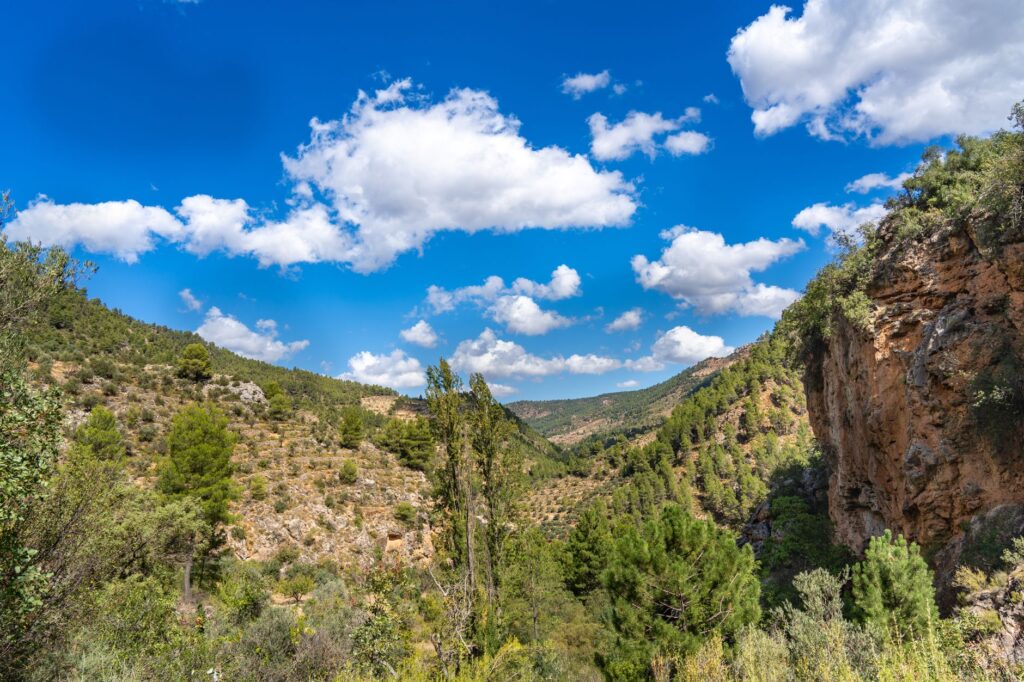
The arboreal stratum is dominated by native poplars, white willows, and centuries-old ash trees that offer shelter and nesting sites to dozens of forest bird species. The understory, densely populated by brambles, hawthorns, and dog roses, constitutes the ideal habitat for small mammals and insects that serve as the dietary base for larger predators.
Scientists from CSIC and local universities point out that the health of these woodlands is measured by their capacity for self-regeneration after drought periods. When roots successfully reach the shallow water table, the forest better tolerates the hydrological fluctuations driven by global climate change.
The Return of the Iberian Lynx: Demography and Colonization of Northern Extremadura and Salamanca
One of the most celebrated biological milestones of the past decade in the region has been the continuous presence and establishment of dispersing Iberian lynx individuals. Although historically the main core was located in Sierra Morena and Doñana, reintroduction programs in the Tiétar Valley and Extremadura have fostered a natural flow toward bordering Salamanca counties.
The availability of wild rabbits, a fundamental prey base for the feline’s survival, has experienced moderate recovery thanks to the creation of artificial warrens and selective pasture management. However, technicians warn that mortality from vehicle collisions on local roads continues to pose the primary threat to these young explorers searching for new territories.

Dispersal Corridors and Habitat Fragmentation
The lynx does not recognize administrative boundaries; it requires a continuous network of Mediterranean scrubland and forest patches to move undetected. In the Lower Tormes, wildlife crossings installed on major communication routes have begun yielding positive results, allowing safe animal crossings between dehesa farmlands and protected riverbanks.
The most recent censuses confirm the presence of at least three stable territories occupied by solitary individuals, anticipating the potential formation of breeding pairs in the medium term if current protection and anti-poaching vigilance are maintained.
Waterbird Fauna and Seasonal Wetlands: The Pulse of the Lagoons
Alongside the main river channel, endorheic lagoons and temporary wetlands dotting the Salamanca countryside represent authentic oases for migratory avifauna. During pre-breeding and post-breeding passages, thousands of ducks, waders, and waders utilize these water mirrors as resting and feeding areas along their route between northern Europe and the African continent.
Species cataloged as vulnerable, such as the white-headed duck and the western marsh harrier, find in these reed beds and cattails the ideal place to complete their reproductive cycles. The management of water levels in these lagoons, often disputed between irrigated agricultural interests and environmental conservation, requires a delicate technical balance.

Scientific Ringing and Demographic Monitoring
Seasonal scientific bird-ringing campaigns, coordinated by local ornithological groups, allow for monitoring the health of passerine and waterbird populations. Data collected over the past fifteen years show concerning trends in certain species linked to agricultural environments, partially offset by the positive performance of strictly aquatic birds.
blockquote class=»editorial-quote»>Fluvial biodiversity does not survive through landscape inertia, but through the constant effort of those who guard every square meter of riverbank and wetland.
Agricultural Pressure and the Hydrological Challenge in the Basin
The socio-economic development of the county has historically been tied to extensive livestock farming and intensive maize and sugar beet irrigation. While traditional dehesa grazing has proven to be a model compatible with wildlife conservation, the intensification of certain crops on the Tormes floodplains raises complex questions regarding water resource sustainability.
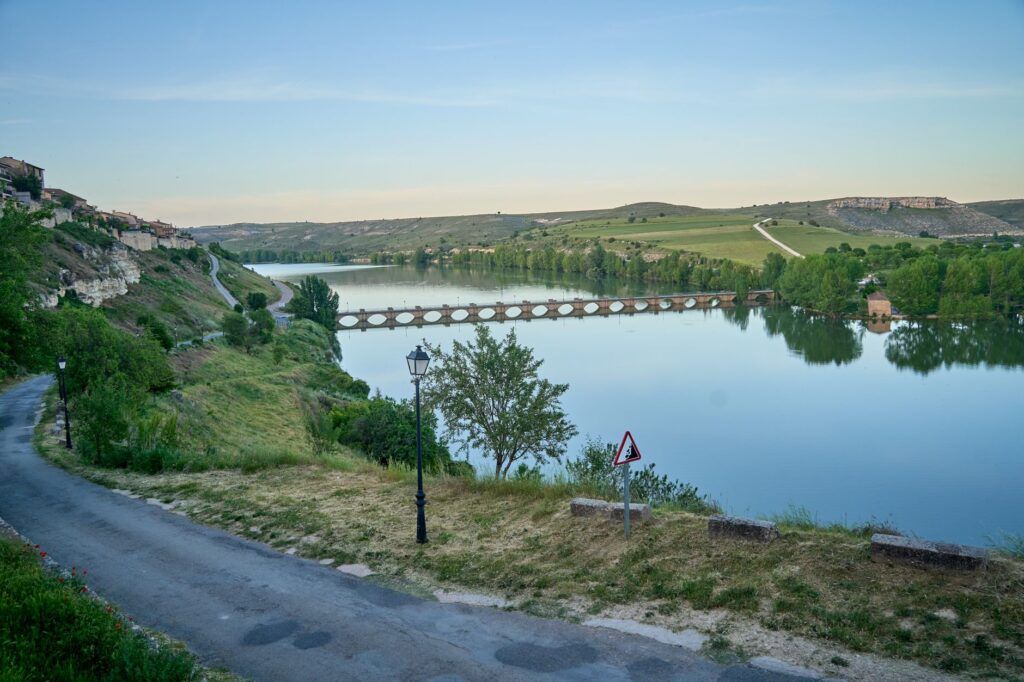
Fertilizer and pesticide inputs, if not controlled through good agricultural practices, generate eutrophication episodes in slower river stretches, reducing dissolved oxygen levels and directly affecting native fish populations such as the Duero nase and the Iberian barbel.
Regenerative Agriculture Initiatives
In response to this challenge, a growing number of local agricultural holdings have begun adopting regenerative farming techniques and vegetative buffer strips alongside watercourses. These green barriers act as natural biological filters that trap sediments and significantly reduce nitrate runoff into river waters.
Environmental Education and Rural Roots: The Value of Citizen Science
No long-term conservation strategy can consolidate without the active backing of local populations. In the riverside municipalities of the Lower Tormes, rural schools and naturalist collectives have promoted citizen science programs where residents and visitors collaborate in fauna sightings and river cleanup initiatives.
The traditional knowledge of elders, who remember a river with higher summer flow and greater fish diversity in their youth, intersects today with satellite data and predictive models of modern biologists, generating an intergenerational dialogue of immense pedagogical value.
Scientific Ecotourism as a Sustainable Economic Driver
Facing mass tourism, the region opts for a specialized, low-impact nature-observation model respectful of sensitive wildlife reproduction periods. Ornithological observatories and marked interpretive trails allow visitors to enjoy the landscape without altering the natural dynamics of the animals.
blockquote class=»editorial-quote»>Educating in respectful observation transforms the casual visitor into a permanent ally of territorial conservation.
Practical guide
Essential information to plan a responsible and rigorous visit to the natural environment of the Lower Tormes and its associated protected areas.
- How to get there: The main access is from Salamanca city via secondary roads running parallel to the Tormes River course toward the northwest (toward Ledesma and the Almendra reservoir). Private vehicle use is recommended to access various bird observatories and river trails.
- Best time to visit: Spring (March to May) offers peak scenic splendor, maximum breeding bird activity, and optimal conditions for observing flowering vegetation. Autumn (October to November) stands out for migratory passage and the golden tones of riparian woodlands.
- Rules of conduct and observation: Leaving marked trails in strict reserve areas, lighting fires at any time of year, and operating drones near raptor and waterbird nesting zones are strictly prohibited. Maintain a safe distance from wildlife and always use binoculars or spotting scopes.
- Accommodation and services: Numerous sustainable tourism rural houses integrated into former mills and traditional estates exist in municipalities such as Fresno al Torija and Villagonzalo. Hiring specialized local guides is recommended to access certain protected wildlife observatories.
Final Reflection on the Pulse of Castilian Riverbanks
Observing twilight over the calm waters of the Lower Tormes, enveloped by silence barely broken by the skimming flight of a grey heron, encapsulates the essence of contemporary conservation in humanized European spaces. It is not about creating untouchable natural museums, but about learning to coexist with the biological cycles that sustain life on Earth. The survival of the lynx and the health of the wetlands demonstrate that nature possesses a formidable capacity for resilience, provided human societies decide to offer it the space, respect, and institutional protection it deserves to keep beating strongly at the heart of the peninsula.


