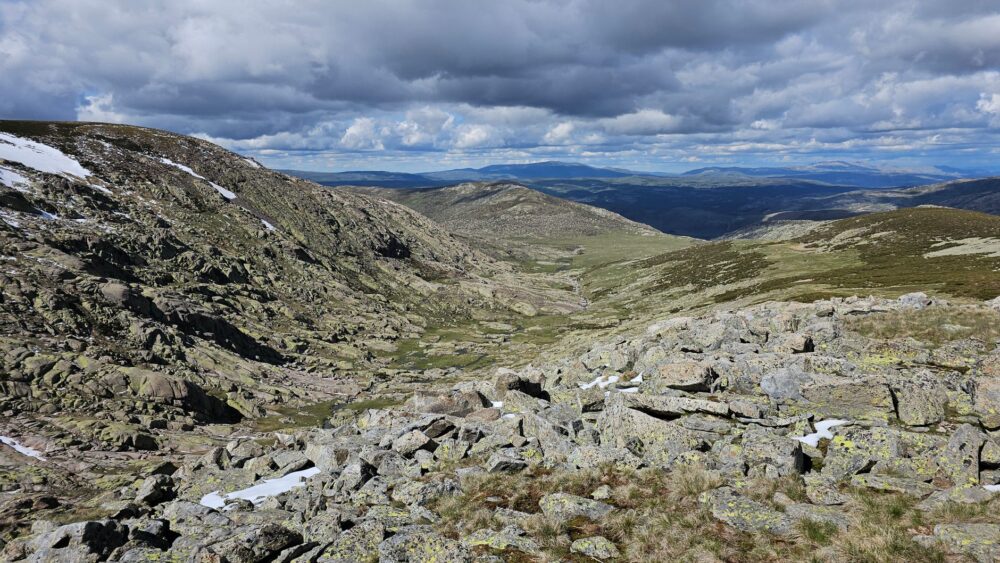
Introduction to the Atlantic Labyrinth of the Faroe Islands
The Faroese archipelago rises in the middle of the North Atlantic like a fortress of basalt and foam, where the sea is not a mere geographical accident, but the backbone of daily existence. Between the southern slopes of Iceland and the Norwegian coast, these eighteen volcanic islands challenge the traveler with vertical geography and a climate as volatile as it is fascinating. Understanding their maritime transport structure is indispensable for any expedition seeking to transcend conventional tourism and delve into the true essence of this insular territory.
Far from depending exclusively on roads or light aviation, the backbone of Faroese mobility rests on a complex network of scheduled ferries and local vessels. This nautical infrastructure, operated primarily by the public shipping company Strandfaraskip Landsins, connects communities isolated by deep fjords and channels where tidal currents reach formidable speeds. Planning a traverse through these waters requires understanding not only seasonal schedules but also the constant interaction between marine meteorology and naval engineering.
The Backbone of Navigation: Fleet and Trunk Routes
The ferry system in the Faroe Islands operates with Swiss-clock precision, yet remains inflexibly conditioned by the fury of the ocean. Trunk routes link the major islands—such as Streymoy, Eysturoy, Vágar, and Borðoy—via multi-purpose vessels capable of carrying both passengers and wheeled vehicles. These ships, designed with reinforced hulls and advanced stabilizers, plow through channels where gusty winds test the skill of local crews during every docking maneuver.
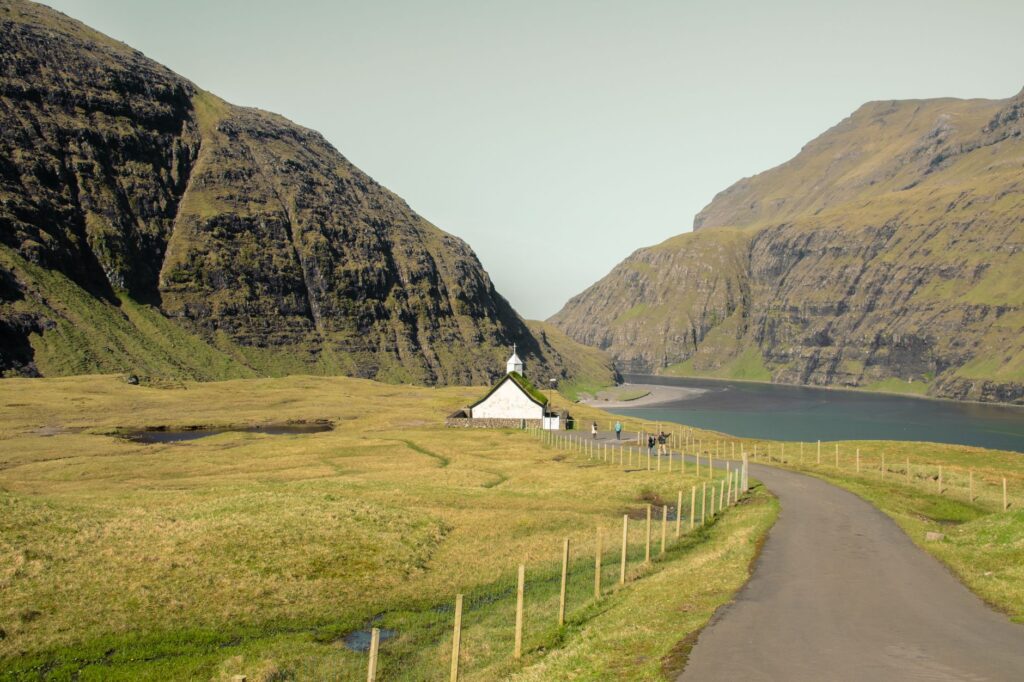
Among the most prominent routes is the line connecting Tórshavn with the island of Nólsoy, a brief yet exposed journey where the harbor shelter contrasts with the bravery of the strait. Similarly, the connection to the northern islands of Svínoy and Fugloy represents a major logistical challenge. In these remote enclaves, smaller boats act as true lifelines, transporting everything from essential groceries and construction materials to travelers willing to venture into the most solitary confines of the archipelago.
Engineering Beneath the Sea: The Coexistence of Subsea Tunnels and Ferries
In recent decades, the landscape of Faroese mobility has undergone a radical transformation thanks to the construction of imposing subsea tunnels. Infrastructure such as the Vágatunnilin, the Norðoyatunnilin, and more recently the Eysturoyartunnilin—famous for housing the world’s first subsea roundabout—have drastically shortened land distances between key islands, reducing the exclusive dependence on traditional maritime transport for frequent journeys.
However, this subterranean modernization has not eclipsed the strategic value of ferries; rather, it has redefined their purpose. While heavy and commuter traffic migrates toward arteries beneath the seabed, surface routes are consolidating as pure exploration experiences. Navigating aboard a ferry allows travelers to contemplate the scale of vertical cliffs from a perspective no tunnel can offer, turning the journey from point to point into a visual event of the highest order.
The sea in the Faroes does not isolate communities; it unites them through a silent choreography of gangplanks, diesel engines, and tides that dictate the pulse of insular life.
This duality between high tunnel engineering and maritime ferry tradition requires the contemporary traveler to adopt a hybrid strategy. Optimal planning combines the use of rental vehicles for interconnected major islands with advance booking of spaces on peripheral ferries, where limited deck space can drastically alter any itinerary if not managed well in advance.
Meteorological Unpredictability and the Management of Ocean Time
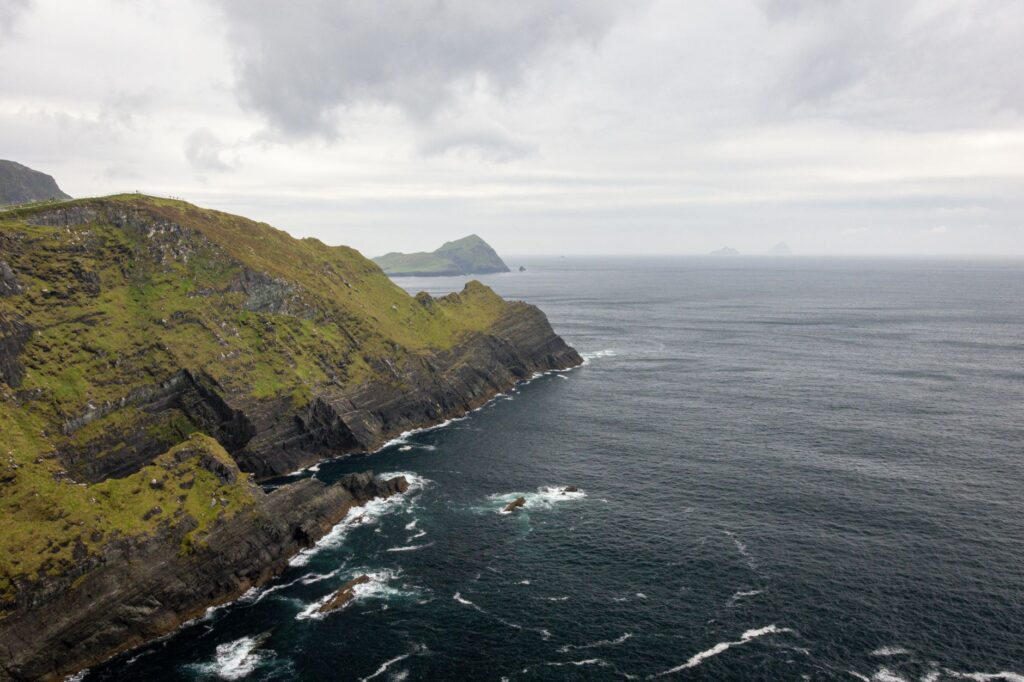
The climatic factor constitutes the most critical variable in any journey across the North Atlantic. Storms follow one another rapidly, generating considerable wave heights and hurricane-force winds known locally as nykur or violent downdrafts rushing down from basaltic summits into narrow fjords. In these circumstances, harbor masters and ferry captains exercise absolute authority based on navigational safety.
For the traveler, this translates into the imperative need to maintain calendar flexibility. An unexpected storm can suspend departures to peripheral islands such as Mykines—the western puffin paradise—for several consecutive days. It is essential to continuously consult the official bulletins of Strandfaraskip Landsins and maintain a margin of leeway in accommodation reservations, avoiding overly rigid itineraries that collapse at the first sign of an Atlantic gale.
Port Infrastructure and Connectivity in Peripheral Communities
Every port in the Faroe Islands tells a story of human adaptation to a hostile environment. From docks wedged into narrow gorges on Kunoy island to basins open to ocean swell in Sandoy, port infrastructure combines constructive simplicity with commendable efficiency. Hydraulic gangplanks and automated docking systems allow ships to operate swiftly even when low tide exposes the rocky contours of the seabed.

The arrival of the ferry in these isolated communities generates an unmistakable social dynamic. Local residents gather at the pier to receive cargo, exchange news, or simply observe the mooring maneuver. For the visitor, this everyday interaction offers a privileged window into Faroese culture, characterized by sober hospitality and deep community awareness forged over centuries of maritime isolation.
The Visual Experience of Navigation: Fjords, Birds, and Cetaceans
Beyond its utilitarian function as transport, cruising Faroese waters constitutes one of the most awe-inspiring naturalist experiences on the European continent. From the outer deck of the ferry, spotting colonies of seabirds such as gannets, fulmars, and cormorants fluttering in the ship’s wake in search of food is common. On calmer days, the sea surface acts as a dark mirror reflecting rock walls over six hundred meters high.
Likewise, the deep waters bathing the archipelago harbor a rich cetacean fauna. Catching sight of pilot whale pods—known locally as grindahvalur—or white-sided dolphins cruising channels between islands is not uncommon. This biological richness turns every maritime crossing into a wildlife-watching expedition, where patience and constant attention from the rail richly reward the observant traveler.
Practical guide
How to get there: The national airline Atlantic Airways operates regular year-round flights to Vágar Airport (FAE) from key destinations in Denmark, Iceland, the UK, and Norway. Alternatively, the shipping company Smyril Line connects the Danish port of Hirtshals with Seyðisfjörður in Iceland, making a weekly stop in Tórshavn aboard the Norröna ferry.
When to travel: The months between June and August offer the most stable weather conditions, mild temperatures, and extended daylight hours due to high latitudes. Spring (May) stands out for the massive arrival of seabirds for nesting, while autumn and winter introduce an extreme adventure component with frequent storms and snowy landscapes.
Booking system and tickets: Tickets for local Strandfaraskip Landsins ferries can be purchased online via their official website or directly at port ticket offices. For routes to smaller islands with high seasonal demand, such as Mykines, booking weeks in advance is essential.
Fares and transport passes: Multi-trip cards of varying duration (Travel Card) allow unlimited access to both the urban and interurban bus network (Bygdaleiðir) and conventional transvectors, significantly optimizing travel budgeting.

Onboard safety regulations: Strictly following crew instructions during vehicle loading and unloading maneuvers is mandatory. In case of storm conditions, access to outer decks may be entirely restricted for safety reasons.
Recommended equipment: Dressing in technical waterproof and windproof layers, footwear with non-slip soles for deck use, and secure straps for cameras and binoculars against strong sea winds is strongly advised.
Emotional Epilogue at the Tórshavn Pier
When the ferry engine reduces its revolutions and mooring lines securely fasten the vessel to the Tórshavn pier, the traveler understands they have completed much more than a simple geographical shift. The aroma of sea salt mixed with the characteristic scent of burning peat rising from urban chimneys sums up the duality of an archipelago that permanently faces the marine horizon. In that instant of stillness, as the fjord water calms against the metallic hull, the Faroe Islands reveal their best-kept secret: a vital rhythm where patience, respect for the elements, and maritime solidarity continue to dictate the rules of true travel.