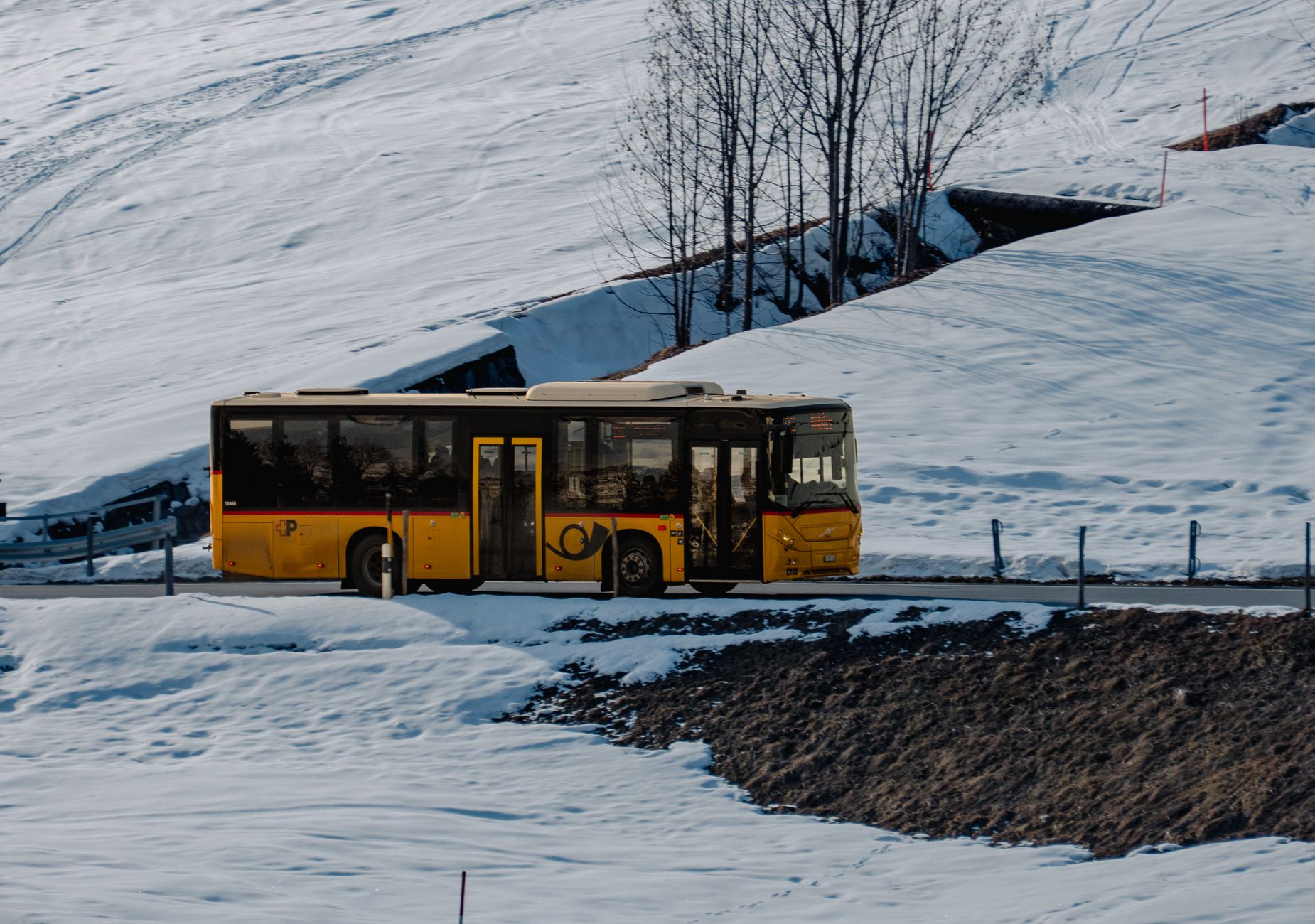

In the most remote reaches of the Alps, where the asphalt twists at impossible angles and the oxygen thins with every meter of altitude, a melodic sound breaks the silence of the valley. It is not the echo of a shepherd nor the whistle of the wind, but the three-tone sequence —C-sharp, E, A— of a horn that resonates with the authority of a century of history. It is the signal that the PostBus, Switzerland’s iconic yellow coach, is rounding a mountain pass, fulfilling a promise of punctuality that neither heavy snow nor the steepest gradients have ever managed to break.
This report explores the anatomy of a national symbol that transcends logistics to become a masterpiece of transport engineering and service design. From its origins as horse-drawn postal carriages to its current transition toward electric mobility, the PostBus (known as PostAuto in German or CarPostal in French) has defined the visual identity of Swiss roads, integrating cutting-edge technology with a human sensitivity that ensures no citizen, no matter how high they live, remains disconnected from the world.
The Genesis of a Network: From Hoofbeats to Internal Combustion
The history of postal transport in Switzerland is, essentially, the story of conquering verticality. In 1849, with the creation of the Swiss Federal Post, the need to unite linguistically diverse and geographically isolated cantons became a state priority. The first routes were covered by wooden stagecoaches and sturdy horses capable of enduring the harsh conditions of Alpine passes like the St. Gotthard or the Simplon. However, the true turning point occurred in 1906, when the first motorized postal bus ran between Bern and Detligen, marking the end of an era and the beginning of the mechanization of mail.
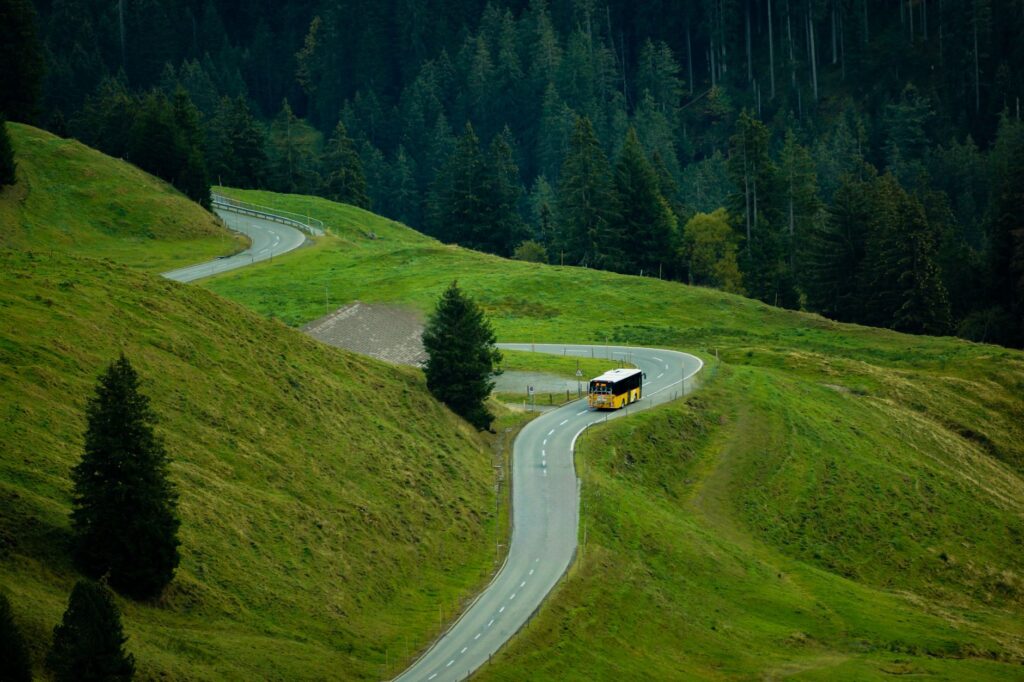
That first vehicle was a rudimentary structure, yet it contained the seed of what is now a fleet of over 2,000 buses. During the 1920s and 1930s, the service expanded into the deepest valleys of Valais and Graubünden, facing technical challenges that forced engineers to design specific braking systems and engines for high-altitude environments. The yellow color, officially adopted to distinguish postal vehicles from civilian traffic, soon became synonymous with safety and reliability in an environment where the margin for error is non-existent.
In the Swiss Alps, the yellow bus is not a vehicle; it is a promise of arrival against all odds.
As Alpine tourism began to flourish, the PostBus evolved from a mere carrier of mailbags into a vehicle for curiosity. The buses were redesigned with wide panoramic windows and glass roofs that allowed travelers to observe glaciers while ascending slopes of up to 12%. This duality between an essential public service and an aesthetic experience is what has kept the PostBus at the heart of Swiss culture for over a hundred years.
The Acoustics of the Mountain: The Secret of the Three-Tone Horn
No element of PostBus design is as recognizable as its three-tone horn. Based on a motif from Rossini’s William Tell Overture, this sound is not an ornamental whim but a vital safety tool. On single-lane mountain roads where visibility is zero before a sharp bend, the driver activates this horn to warn descending vehicles of their presence. Swiss law is clear: the postal bus has absolute priority on these mountain routes, and its melodic call is the signal for others to find a passing place.
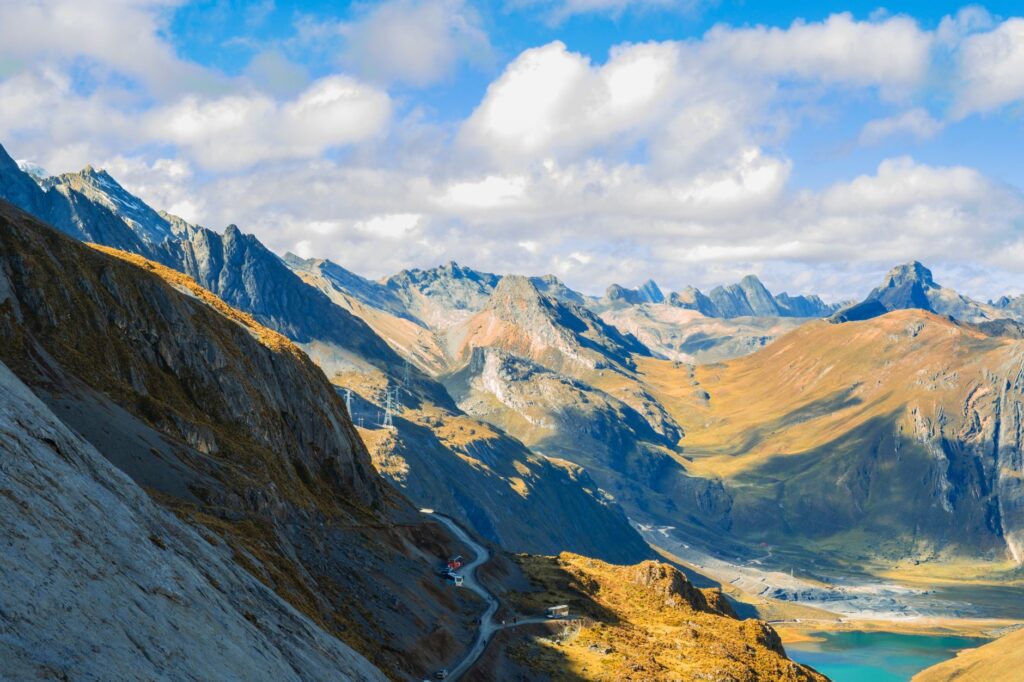
The maintenance of this acoustic system is almost artisanal. The horns are precisely tuned to ensure the notes are audible even through snowstorms, maintaining a frequency that is not disruptive to local wildlife but remains unmistakable to the human ear. It is a perfect example of how industrial design can incorporate cultural elements to solve traffic engineering problems, creating a sonic signature that is part of the country’s intangible heritage.
Precision Engineering for Absolute Verticality
Driving a twelve-meter bus over the Susten Pass or the Furka Pass requires more than skill; it requires a machine designed for the limit. The vehicles in the current fleet, developed in collaboration with manufacturers such as Mercedes-Benz, MAN, and Scania, feature unique specifications for the Swiss market. Cooling systems are oversized to prevent overheating during continuous two-thousand-meter climbs, and brake retarders are capable of managing prolonged descents without the pads suffering thermal fatigue.
Furthermore, maneuverability is critical. Many buses used on rural routes feature rear-axle steering systems or shortened chassis that allow them to turn in hairpins where a conventional bus would be blocked. The interior design also follows this logic: ergonomic seats with lateral support for sharp curves and real-time information systems that sync to the second with the federal railway network (SBB), ensuring that the traveler never misses a connection.
The Driver as a Territorial Ambassador
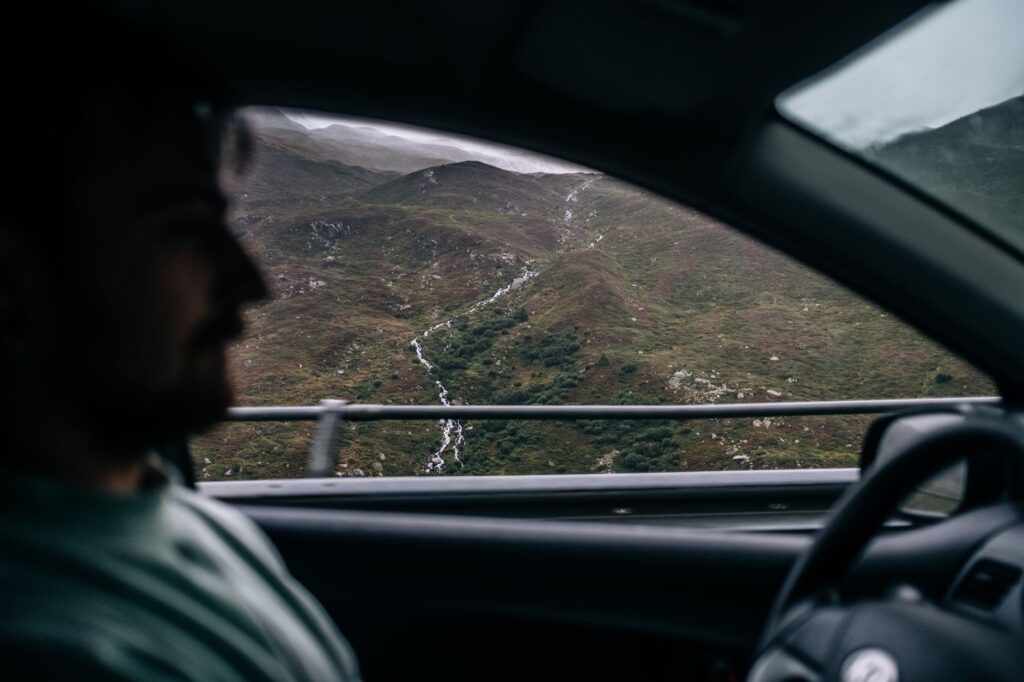
Behind the wheel of a PostBus sits not just an employee, but a steward of the territory. In many mountain communities, the postal bus driver is the visible face of the State and often the only daily contact for residents of remote villages. Their work goes beyond driving: they know passengers by name, help with groceries, and are the first to notice if something is amiss at an isolated farm after a night of blizzard.
The training for these professionals is rigorous. In addition to technical skills, they receive instruction in local geography, first aid, and crisis management in extreme environments. This human dimension is what turns the PostBus into a physical social network. While in cities transport is an anonymous act, on the yellow routes of the Alps, it is an exercise in community. The service design places the human at the center, understanding that efficiency should not come at the expense of empathy.
Sustainability and the Future of Electric Design
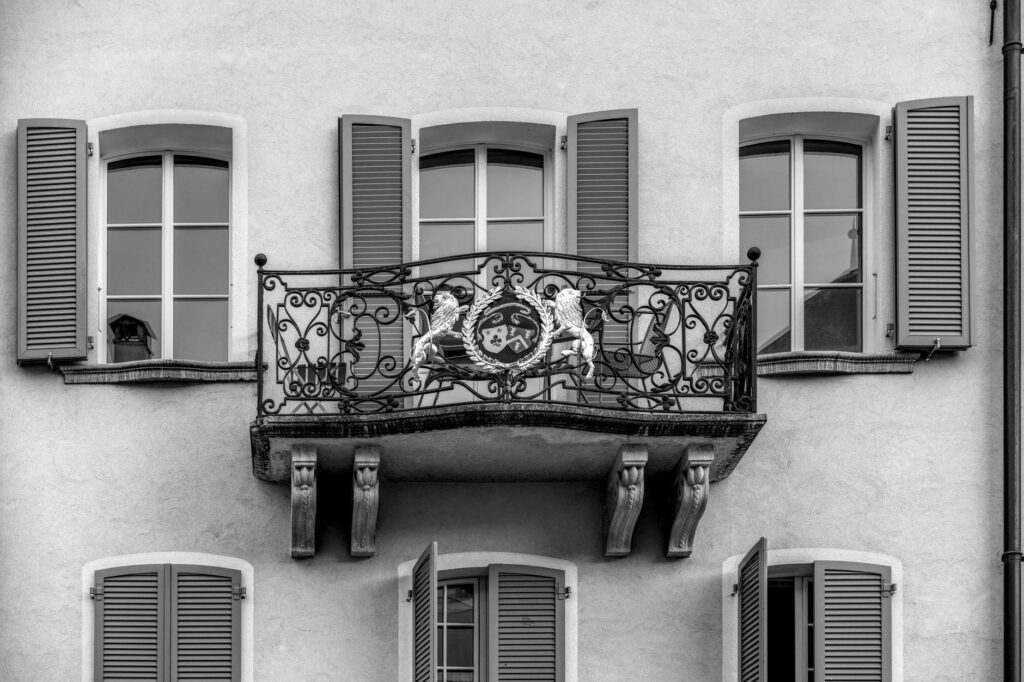
Switzerland has set a goal for its public transport fleet to be carbon neutral by 2040, and the PostBus is leading this transition. The challenge is monumental: conventional electric bus batteries lose efficiency in extreme cold and drain rapidly on steep slopes. However, Swiss innovation has found solutions in regenerative braking. During descents from mountain passes, electric motors act as generators, recharging the batteries and allowing the vehicle to recover up to 30% of the energy consumed during the ascent.
Routes operated entirely by hydrogen and electric buses already exist in regions like Graubünden and Valais. The design of these new vehicles maintains the iconic yellow livery but introduces lighter materials and intelligent climate control systems that optimize energy consumption. It is the logical evolution of a system that has always sought harmony with the natural environment it traverses.
The Architecture of the Stop: Aesthetics in the Landscape
The impact of the PostBus on design is also reflected in its fixed infrastructure. Bus stops in rural Switzerland are often small architectural gems that blend traditional wood with exposed concrete or steel. They are not merely waiting areas; they are shelters designed to withstand meters of snow and offer thermal comfort. In cities like Chur, the central PostBus station is a glass and steel structure under a spectacular dome that has become an urban landmark, proving that public transport can and should elevate the aesthetic quality of common space.
The iconic three-tone horn serves as a sonic bridge between the isolation of the peaks and the rhythm of the valley.
The signage system, with its clear typography and universal symbology, is a benchmark of Swiss graphic design. Absolute legibility, the absence of visual noise, and the integration of schedules into low-consumption digital panels are part of a communication strategy that aims to reduce traveler stress, making navigation through hostile terrain intuitive and pleasant.
Practical guide
To experience the essence of PostBus design and engineering, it is essential to plan your trip using the official tools that integrate the entire Swiss transport network. Below are the key aspects for the contemporary traveler:
- Planning: The SBB Mobile app is the definitive tool. It includes all PostBus schedules and allows for the purchase of integrated tickets combining train, bus, boat, and cable car.
- Iconic Routes: The Grimsel Pass and Susten Pass routes are mandatory for engineering enthusiasts. Departing from Meiringen, they offer the most spectacular views of the central glaciers.
- The Swiss Travel Pass: This pass is the most efficient option for foreign visitors, as it covers the entire PostBus network at no additional cost, including the most famous panoramic routes.
- Reservations: On some highly frequented high-mountain routes during the summer, it is advisable to reserve a seat in advance, especially if traveling in a group or with bicycles.
- Accessibility: Almost the entire modern fleet is low-floor or equipped with ramps, facilitating access for people with reduced mobility, a standard of inclusive design across the network.
- Luggage and Bicycles: Many buses feature rear bike racks (Velo-Träger). It is necessary to check availability in the schedule, as in winter these racks are removed to make way for ski carriers.
A journey on a PostBus is, ultimately, a lesson in humility before nature and pride in human ingenuity. Upon reaching the end of the route, when the driver cuts the engine in a village square surrounded by snow-capped peaks, one understands that true luxury is not speed, but the possibility of reaching any place with dignity and beauty. The yellow color, silhouetted against the blue of the Alpine sky, remains a reminder that in Switzerland, design is not an ornament, but the glue that holds the country together.