A Strategic Pivot Toward the Global Horizon
For decades, the economic profile of the Middle East was inextricably linked to the fluctuations of the oil market. However, over the last five years, we have witnessed a metamorphosis unparalleled in the modern history of tourism. The region is not merely seeking to attract visitors; it is looking to redefine the very concept of hospitality and destination. From the dunes of Saudi Arabia to the skyscrapers of Dubai, the projected growth is not a statistical accident but the result of meticulous state planning that places the international traveler at the heart of its vision for the future.
This transition is not limited to the construction of pharaonic infrastructures. It is a paradigm shift where opening borders, streamlining visa processes, and highlighting a historical heritage—often overlooked by the West—are shaping a tourist offering of astonishing diversity. Today’s traveler is not just looking for seven-star luxury; they seek the authenticity of ancient Nabataean kingdoms and the cutting edge of smart cities that seem plucked from science fiction. The growth of tourism in the region is, in essence, the construction of a new cultural bridge between East and West.
“The transformation taking place in the region is unprecedented; we are witnessing the birth of a new pole of influence that balances deep-rooted tradition with the boldest innovation.”
Saudi Arabia: The Awakening Giant
The Kingdom of Saudi Arabia is undoubtedly the primary engine of this exponential growth. Under the umbrella of Vision 2030, the country has shifted from being an almost exclusively religious destination to becoming a canvas for ambitious projects like NEOM and Al-Ula. Investment in the Saudi tourism sector is counted in trillions of dollars, with the goal of tourism contributing 10% of the national GDP by the end of the decade. The opening of Al-Ula, a living museum housing the remains of the Lihyanite and Nabataean civilizations, is the perfect example of how the Kingdom is using its archaeological heritage to attract a cultured and sophisticated traveler profile.
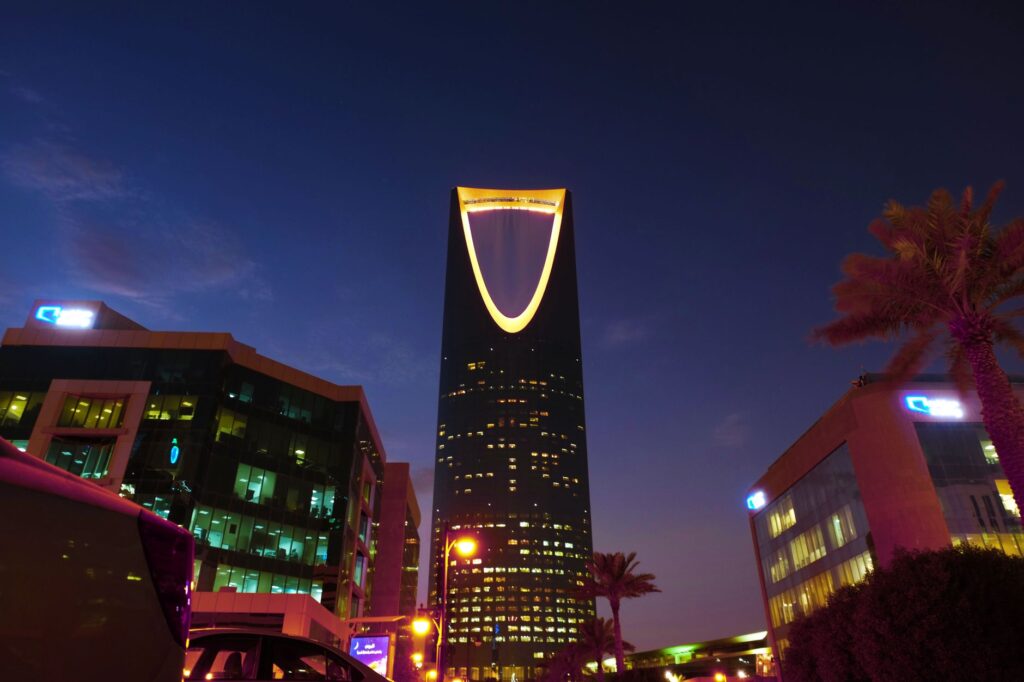
But the Saudi bet goes beyond history. Projects like The Red Sea Global aim to set new standards in regenerative tourism. It is not just about not harming the environment, but about actively improving marine and terrestrial ecosystems while offering an ultra-luxury experience. This combination of massive scale and ecological sensitivity is what is capturing the attention of international analysts, who see the Kingdom as the next great destination that could rival the traditional tourism powerhouses of Europe and Asia.
The United Arab Emirates: Consolidating a Global Hub
If Saudi Arabia is the awakening giant, the United Arab Emirates, with Dubai and Abu Dhabi at the lead, are the veterans who continue to innovate to maintain their leadership. Dubai has achieved what seemed impossible: turning a city in the middle of the desert into the most visited destination in the world across multiple categories. The key to its sustained success has been the ability to constantly reinvent itself. Following the success of Expo 2020, the city has continued to expand its offering with world-class museums, such as the Museum of the Future, and a gastronomic scene that now boasts its own Michelin Guide.
Abu Dhabi, for its part, has opted for an approach more focused on high-level culture and quality entertainment. The Saadiyat Cultural District, which houses the Louvre Abu Dhabi and soon the Guggenheim, positions the emirate as the intellectual capital of the region. This diversification ensures that the Emirates do not depend solely on shopping or business tourism but attract families, art lovers, and technology enthusiasts. Air connectivity, led by Emirates and Etihad, remains the backbone facilitating this incessant flow of visitors from every corner of the globe.

Qatar and the Legacy of Global Visibility
The impact of the 2022 FIFA World Cup in Qatar continues to resonate in the country’s tourism figures. Beyond the sporting event, the infrastructure developed—from the Doha Metro to the expansion of Hamad International Airport—has left an ecosystem ready for long-term growth. Qatar has decided to focus on tourism on a human scale, promoting its cultural identity through institutions like the Museum of Islamic Art and the National Museum of Qatar, designed by Jean Nouvel.
The Qatari strategy focuses on quality over quantity. The country is positioning itself as a leading destination for international sporting events, medical congresses, and wellness tourism. Qatari hospitality, which blends modernity with Bedouin traditions, offers a slower and more reflective alternative compared to the frenetic pace of its neighbors. This approach has allowed the country to maintain sustained visitor growth even after the World Cup spotlight faded, proving that investment in nation branding has lasting benefits.
Oman and Jordan: The Value of Authenticity
In an environment of skyscrapers and cutting-edge technology, Oman and Jordan represent the traditional soul of the region. Oman has deliberately resisted the temptation of mass construction, opting for a sustainable tourism model that highlights its dramatic geography, from the Al Hajar Mountains to the beaches of Salalah. The Sultanate markets itself as Arabia’s best-kept secret, a place where luxury is found in the silence of the desert and architecture respects the classic lines of ancient forts.
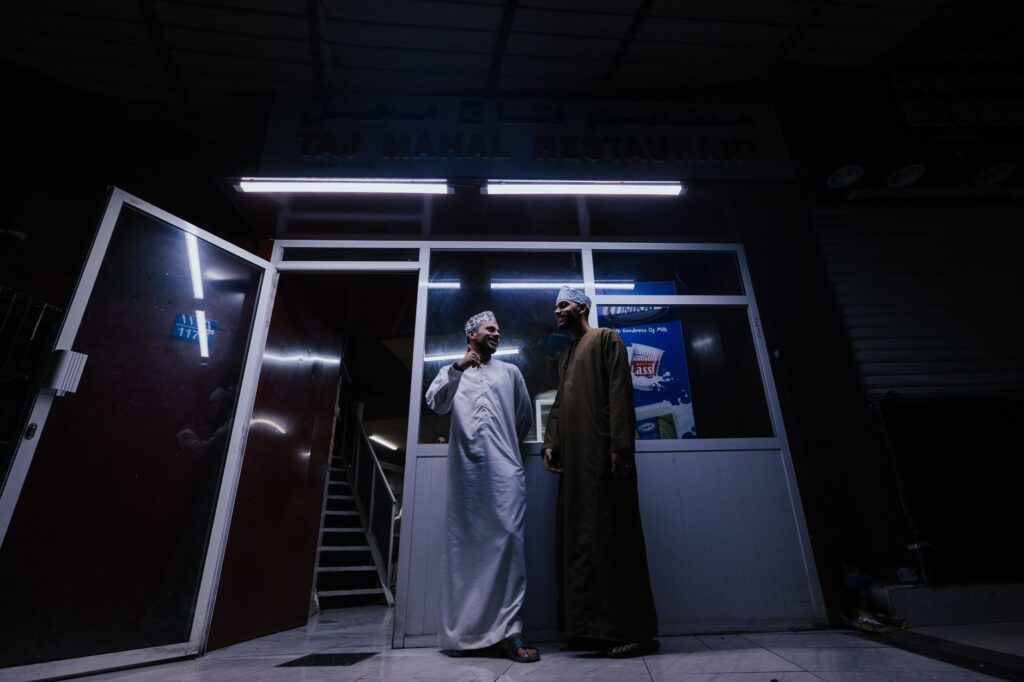
Jordan, on the other hand, remains the pillar of stability and cultural tourism in the Levant. Petra continues to be an irresistible magnet, but the country is diversifying its offering with the Jordan Trail, a hiking route that crosses the country from north to south, and the development of community tourism experiences in the Jordan Valley. Both countries demonstrate that growth in the Middle East is not monolithic; there is room for technological vanguardism and for the meticulous preservation of history and nature.
Geopolitical Challenges and Sector Resilience
Despite the optimism and growth figures, tourism in the Middle East is not immune to geopolitical volatility. The perception of safety is a critical factor for the international traveler. However, the region has shown remarkable resilience. Governments have invested not only in hotels but in advanced security systems and cultural diplomacy to mitigate risks. The stability of the Gulf Cooperation Council (GCC) countries acts as an anchor for the entire region, providing a secure environment that encourages foreign investment and tourist confidence.

The current challenge lies in how to manage regional crises without affecting the global image of specific destinations. Transparent communication and the creation of safe tourism corridors have been key strategies. Furthermore, the growing cooperation between countries in the region—such as the proposal for a ‘Schengen-style’ single visa for the Gulf—indicates a willingness to work as a united economic and tourism block, which would significantly strengthen its competitive position against other world regions.
Sustainability in the Heart of the Desert
One of the most recurring themes in international tourism forums is the environmental viability of these developments in extreme climates. The Middle East is responding with innovation. From cities that ban combustion cars to tourist resorts that run 100% on solar energy, the region is attempting to lead the conversation on sustainability in luxury tourism. Water management, the most precious resource, is being addressed through state-of-the-art desalination plants powered by renewable energy.
Sustainability is not just an ethical issue for these destinations, but an existential necessity. If they wish to attract the new generations of travelers—Millennials and Gen Z—they must demonstrate a real commitment to protecting the planet. Projects like mangrove reforestation in the Emirates or coral reef protection in the Red Sea are proof that economic growth and conservation can, and must, go hand in hand in the region’s new tourism model.

“The future of tourism is not measured only in the number of beds, but in the ability to preserve the environment that makes a destination unique.”
Practical guide
For those planning to explore this booming region, it is essential to consider certain logistical and cultural aspects. The best time to visit most of these destinations is between October and April, when temperatures are pleasant for outdoor activities. During the summer months, the heat can be extreme, although it is the ideal season to enjoy the luxury resorts and the climate-controlled infrastructure of the cities.
- Visas: Many countries in the region, such as the UAE and Saudi Arabia, have greatly simplified their electronic visa processes for citizens of the EU and the Americas.
- Dress Code: While cities like Dubai are very cosmopolitan, it is recommended to dress modestly in public and religious places, especially in Saudi Arabia and Oman.
- Connectivity: Local airlines offer some of the best connections in the world. Consider a long stopover to see two destinations in one trip.
- Currency and Payments: Credit card use is widespread, but it is useful to carry some local cash for traditional souks.
- Cultural Respect: During the month of Ramadan, hours and rules about eating in public can change substantially. It is a fascinating time to visit, but requires additional planning.
A Closing Under the Stars of Wadi Rum
The growth of tourism in the Middle East feels most real when one steps away from the skyscrapers and sits in the absolute silence of the desert. There, under a blanket of stars that seems endless, one understands that this region is not just building hotels; it is reclaiming its place as the crossroads of the world. The future of the sector here is not just a matter of growth statistics, but of the emotion of discovering a world that, for a long time, remained shrouded in mystery. The invitation is open: the desert is no longer a barrier, but the gateway to a new era of human exploration.