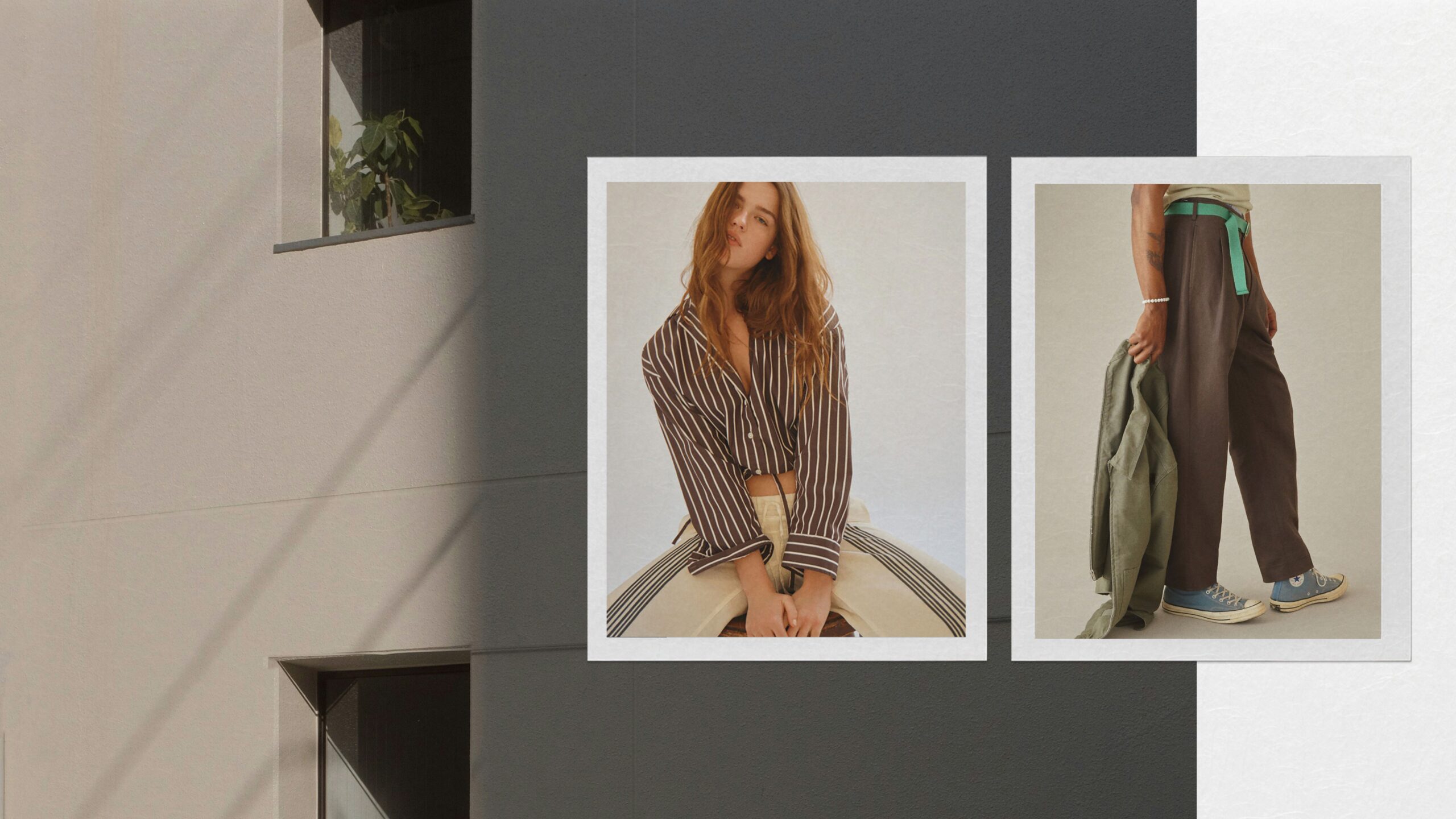

In today’s global fashion landscape, the concepts of luxury and savings have converged at an unexpected point: durability. It is no longer simply about acquiring garments at reduced prices, but about understanding the life cycle of what we wear. September 2026 marks a milestone for Madewell, a brand that has successfully transitioned from its roots as a workwear label to becoming a benchmark for contemporary sustainability. In this report, we analyze how savings tools—from the loyalty program to social discounts—are actually gateways to more ethical and lasting consumption.
The transition into fall is not just a change in temperature; it is a reevaluation of the wardrobe. For the conscious traveler and the enthusiast of timeless style, finding the balance between financial investment and environmental responsibility is the top priority. Madewell has structured its sales ecosystem not as a fast-fashion blitz, but as a reward system for those who value traceability and fabric quality, making premium materials a tangible reality for a diverse audience.
The Philosophy of Lasting Denim: Beyond the Trend
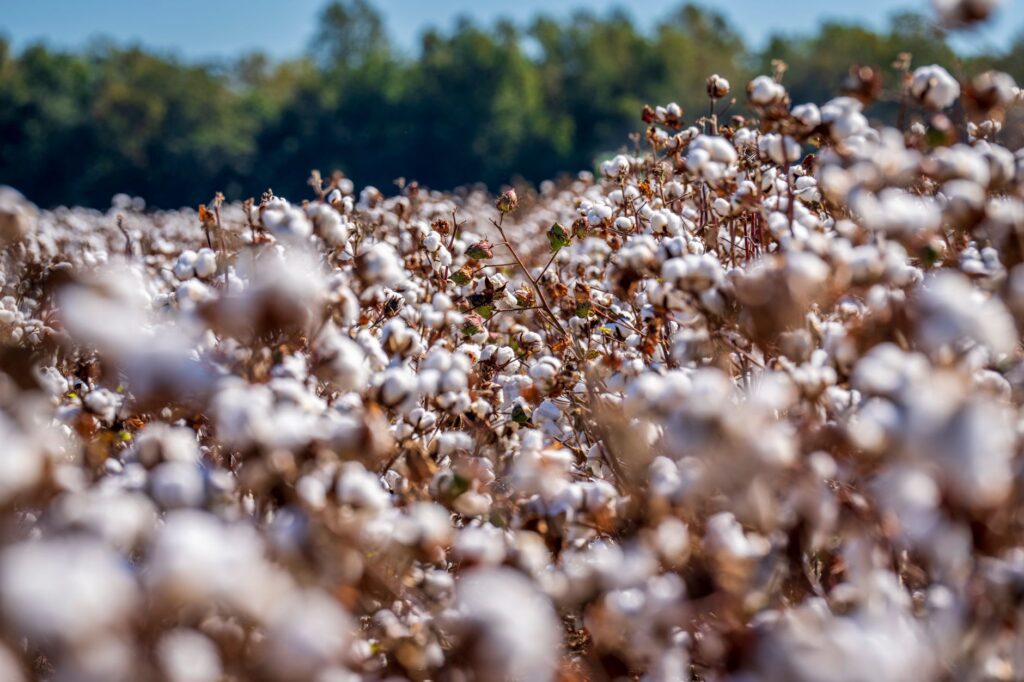
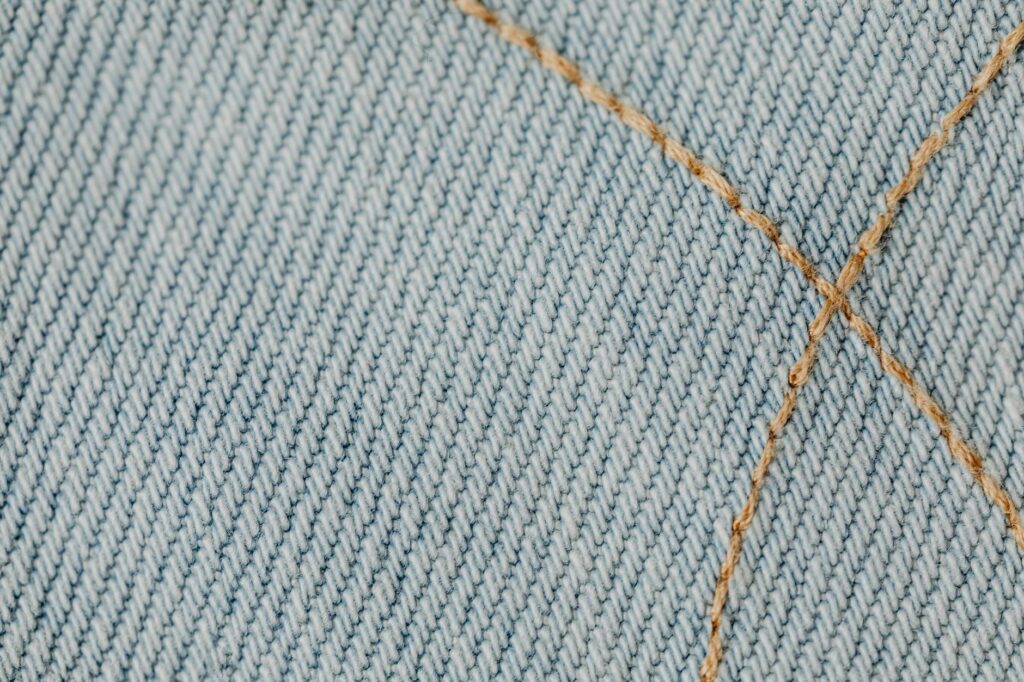
Denim is, by definition, one of the most resilient fabrics created by man, but also one of the most costly for the environment in terms of water consumption. Madewell has addressed this dilemma by transforming its production through the Do Well initiative. As we enter September, the brand reinforces its commitment to using organic cotton and washing processes that drastically reduce chemical impact. This vision not only benefits the planet but ensures that every pair of jeans purchased today remains functional and aesthetically relevant a decade from now.

The brand’s strategy for this month focuses on longevity. By offering promotional codes and significant discounts, Madewell allows consumers to opt for heavier, better-constructed garments that might otherwise be cost-prohibitive. It is a democratization of quality that challenges the disposable cycle. Investing in good denim today, supported by seasonal sales, is a smart financial decision that resonates with the conservation values defining our era.
«True sustainability begins with creating objects that do not need to be replaced. Savings are the tool that allows the consumer to choose quality over quantity.»
When analyzing the fall collection, we observe a return to classic silhouettes: the straight cut, the high rise, and authentic finishes. These elements are not accidental; they are the result of a deep study into which garments withstand the test of time. Madewell uses this month to clear past-season inventories with discounts of up to 78%, allowing iconic pieces to find a permanent home rather than ending up in landfills, thus closing a responsible consumption cycle.
Madewell Insider: The Architecture of Purposeful Loyalty
The Madewell Insider program has established itself as the core of the brand’s shopping experience. It is not a conventional discount club; it is a community that rewards long-term commitment. Upon signing up, users gain immediate benefits such as free shipping and garment personalization—a service that fosters an emotional attachment to clothing. In September 2026, Insiders enjoy early access to promotions, ensuring that common sizes and the most sustainable styles do not sell out before the general sales begin.
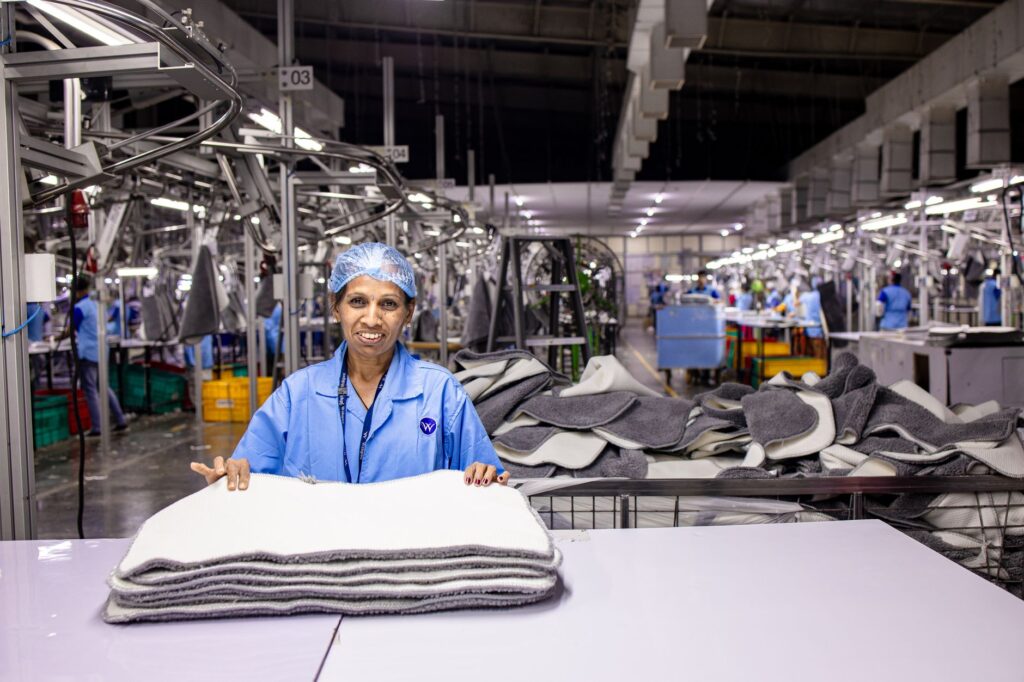
The tiered system (Insider, Star, and Icon) incentivizes thoughtful spending. Higher-level members receive birthday rewards and point bonuses that translate into discount dollars. This business model allows Madewell to maintain a direct relationship with its customer base, reducing the need for massive and expensive marketing campaigns and reinvesting those savings into material quality and improving labor conditions in their Fair Trade certified factories.
- Free Shipping and Returns: A standard benefit for all members that reduces friction in conscious purchasing.
- Points per Dollar: A cumulative system that rewards recurrence over impulsive buying.
- Exclusive Access: Capsule collections designed with recycled materials available first to the community.
This focus on loyalty also allows the brand to collect valuable data on product durability. Insider feedback is instrumental in adjusting designs and ensuring the fit is perfect, thereby minimizing returns, which represent one of the largest carbon footprints in e-commerce today. It is a symbiosis where customer savings translate into greater operational and environmental efficiency for the company.
The Real Impact of Recycling: From Old Jeans to Housing Insulation
One of Madewell’s most lauded initiatives is its partnership with Blue Jeans Go Green. The concept is simple yet powerful: drop off any pair of old jeans (from any brand) at a Madewell store and receive a $20 credit toward your next purchase of full-price denim. This campaign not only encourages foot traffic to physical stores but ensures that textile fibers do not end up polluting ecosystems.
The collected jeans are transformed into housing insulation, a practical solution that closes the loop of the circular economy. In September, as many perform a closet clean-out for the new season, this promotion takes on special relevance. It is the perfect time to responsibly dispose of the unnecessary and gain a direct financial benefit. This $20 credit can be stacked with other Insider program perks, significantly boosting savings.

«Recycling a pair of jeans is not just an ecological gesture; it is an act of respect toward the natural resources invested in its original creation.»
Transparency is key in this process. Madewell regularly communicates how many tons of denim have been diverted from landfills thanks to its customers. This traceability reinforces the trust of the consumer, who feels that their savings are not just a personal gain, but a contribution to a collective conservation effort. It is proof that commerce can be a driver of positive change when aligned with the right incentives.
Social Discounts: Supporting Educators and Students
Madewell recognizes the value of those building the future of society. Therefore, it offers a permanent 15% discount for students and teachers. In the context of September, the back-to-school month in much of the Northern Hemisphere, this benefit becomes essential. It is not merely a commercial tactic, but a recognition of educational work and the effort of those in training.
To access this discount, the brand utilizes robust verification systems that ensure the benefit reaches those who truly need it. This policy helps education professionals, often on tight budgets, access high-quality professional attire that withstands the daily wear and tear of the classroom. By encouraging this group to wear durable clothing, Madewell is also promoting an image of responsible consumption among new generations.
The Importance of Ethical Verification
The use of platforms like SheerID to validate the identity of students and teachers ensures the system is fair. This rigor in applying discounts is what allows the brand to maintain such generous promotions over time. Furthermore, this discount is applicable both in-store and online, offering flexibility to those who live far from major urban centers but wish to participate in the brand’s ecosystem.
Strategies for Maximizing Savings in the Fall Transition
Navigating the September sales requires cunning and a long-term vision. Madewell’s Sale section is known for housing treasures from previous seasons with discounts exceeding 70%. However, the trick for the savvy shopper is to look for basics: high-quality cotton shirts, LWG (Leather Working Group) certified leather jackets, and, of course, their signature denim. These pieces do not go out of style, and their intrinsic value is far superior to the clearance price.
Another vital strategy is combining promotions. Often, Madewell allows the application of additional discount codes on items that are already marked down. Keeping an eye on the brand’s emails during September weekends can result in massive savings. However, from a sustainability perspective, the recommendation is clear: buy only what you need and what you know you will wear at least 30 times. Real savings are not found in the price paid, but in the cost per use over the years.
- Price Monitoring: Use tracking tools to buy when the discount reaches its peak.
- Material Quality: Prioritize natural fibers over synthetics, even if the discount is smaller.
- Tailoring: Use the savings obtained to tailor the garment, extending its useful life.
Practical guide
To make the most of Madewell’s opportunities this September 2026, follow these strategic steps that balance economic benefit with environmental responsibility:
- Join the Insider Program: It is free and the only way to get no-cost standard shipping and access to pre-sales for the most aggressive promo codes.
- Prepare Your Recycling: Locate your old jeans from any brand. Take them to a physical store to receive your $20 coupon. Remember they must be at least 90% cotton to be processed efficiently.
- Verify Your Academic Status: If you are a student or teacher, complete the verification on the website before filling your cart so the 15% discount applies automatically.
- Check the ‘Pre-Loved’ Section: Madewell has an official resale platform. Often, you can find iconic pieces at a fraction of the original price, directly supporting the circular economy.
- Watch for Temporary Codes: During the second half of September, codes like «FALLFAVE» or «LEAVES» often appear, offering an extra 20-30% off in the sale section.
The Future of Circular Fashion: A Visual Closing
Ultimately, the relationship we establish with our clothes is a reflection of our relationship with the environment. Madewell has shown that it is possible to be a successful global brand while fostering slower, more thoughtful consumption. This month’s promotions are not just numbers on a screen; they are incentives for us to choose better, to care for our garments, and to understand that every thread counts in the preservation of our planet.
Walking the streets in a pair of jeans manufactured with respect for human rights and the environment produces a satisfaction that no fleeting trend can match. Fashion, when managed with conscience, becomes a tool for conservation. September invites us to renew—not to accumulate, but to strengthen our commitment to a future where quality and ethics are the norm, not the exception.
Source: Condé Nast Traveler