
Origins and Geography of a Millennial Isolation
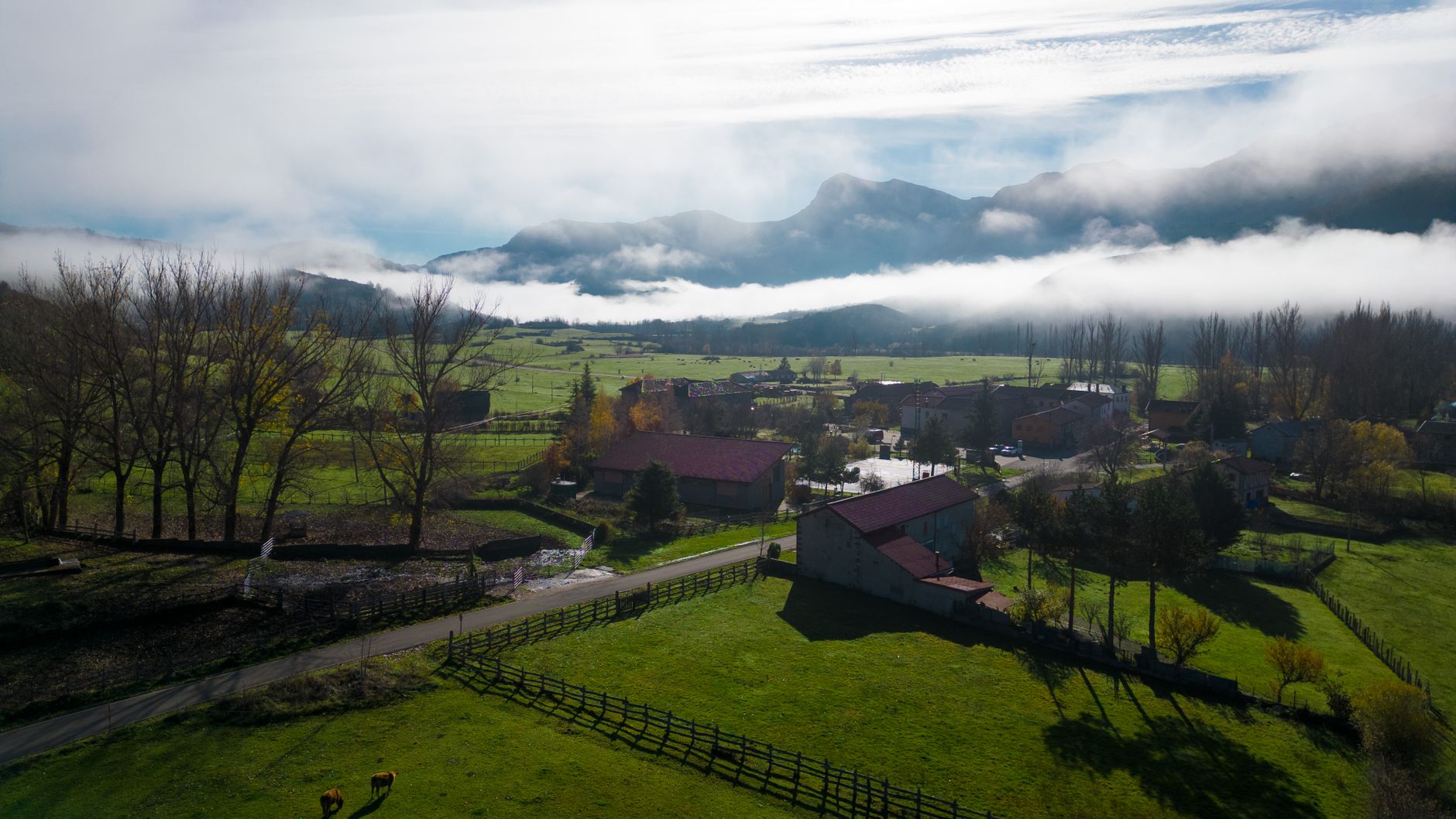
The Picos de Europa rise like an impassable limestone wall between Asturias, Cantabria, and León, a territory where vertical relief has historically dictated the rules of human survival. For centuries, connectivity between deep valleys and high mountain passes relied on bridle paths carved by hammer into living rock, winter routes blocked by snow, and an isolation that forged a culture of radical self-sufficiency. Today, this Atlantic massif faces a sweeping transformation in its internal mobility model, seeking to dispel the impact of private vehicles without losing the essence of its ancestral landscape.
The extreme topography defining the National Park has paradoxically been its best shield against overcrowding, but also the greatest obstacle for its traditional inhabitants. Local livestock farmers, artisans, and small tourism operators face the perennial challenge of supplying isolated settlements and facilitating regional transit without compromising the fragile ecological balances of the high mountains. In response, local administrations and grassroots collectives have driven a transport strategy based on integrating low-impact infrastructure and restoring ancient pedestrian and livestock trails.
This paradigm shift does not stem from bureaucratic imposition, but from an urgent necessity to adapt to climate change and peak summer tourism pressure. Narrow and winding regional roads, traditionally congested during the central months of the year, have begun yielding ground to alternative systems prioritizing energy efficiency and intermodality. The clear goal is to demonstrate that conserving an invaluable karst environment remains entirely compatible with a modern, clean transport network respectful of the territory’s rhythms.
The Funicular and Low-Emission Cable Transport Revolution
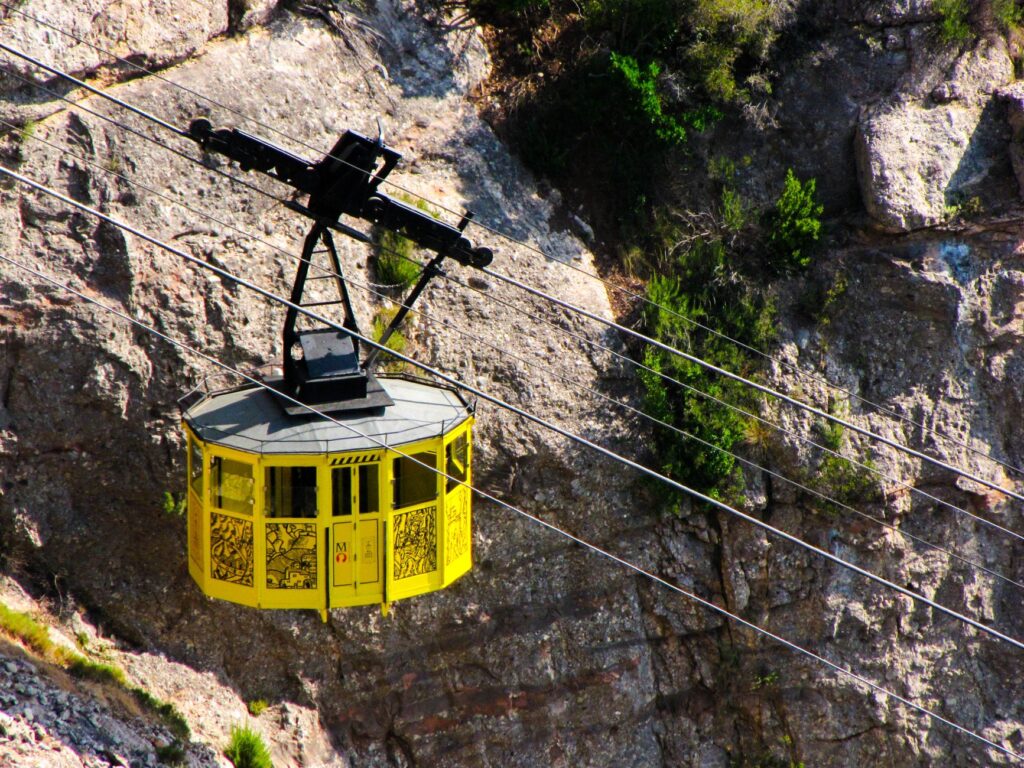
The core of this renewed network rests upon the modernization and expansion of cable transport systems. Subterranean funiculars and cable cars powered entirely by local solar and hydro energy sources now connect valley floors with upper pastoral plateaus, replacing thousands of daily trips in off-road vehicles and cars. These facilities not only transport visitors and residents, but operate as the logistical backbone for hauling heavy goods and essential livestock supplies.
Unlike the industrial monoliths of the past, the new transfer stations have been designed to blend seamlessly into the limestone rock, utilizing indigenous materials and dry-stone construction techniques that minimize soil disturbance. Next-generation motors enable energy recovery during descent runs, reducing overall electricity consumption to marginal figures. This technological deployment proves that civil engineering can serve deep ecology, integrating harmoniously into the vertical cliff faces of the central massif.
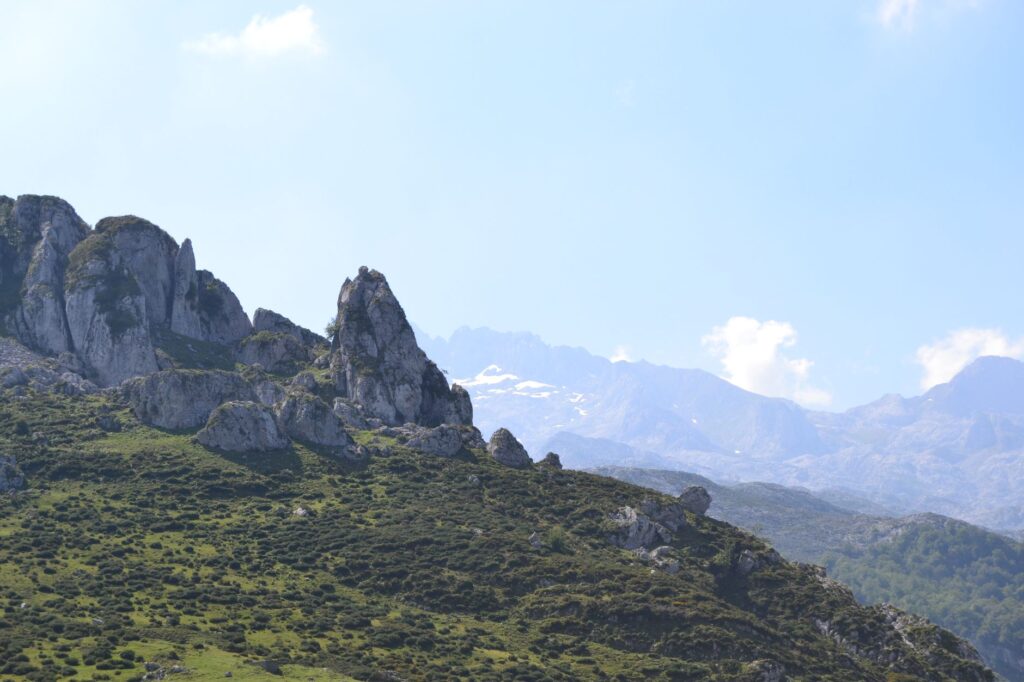
For local operators, the transition toward this system has brought deep operational and economic relief. Maintaining combustion engine fleets on steep forest tracks implied constant mechanical wear and a high risk of hydrocarbon spills in zones of high hydrological sensitivity. With the new vertical transport scheme, road traffic at high altitudes has dramatically dropped, restoring acoustic silence to the habitats of emblematic species like the Cantabrian capercaillie and the chamois.
Suspended Paths and the Restoration of the Bridle Network
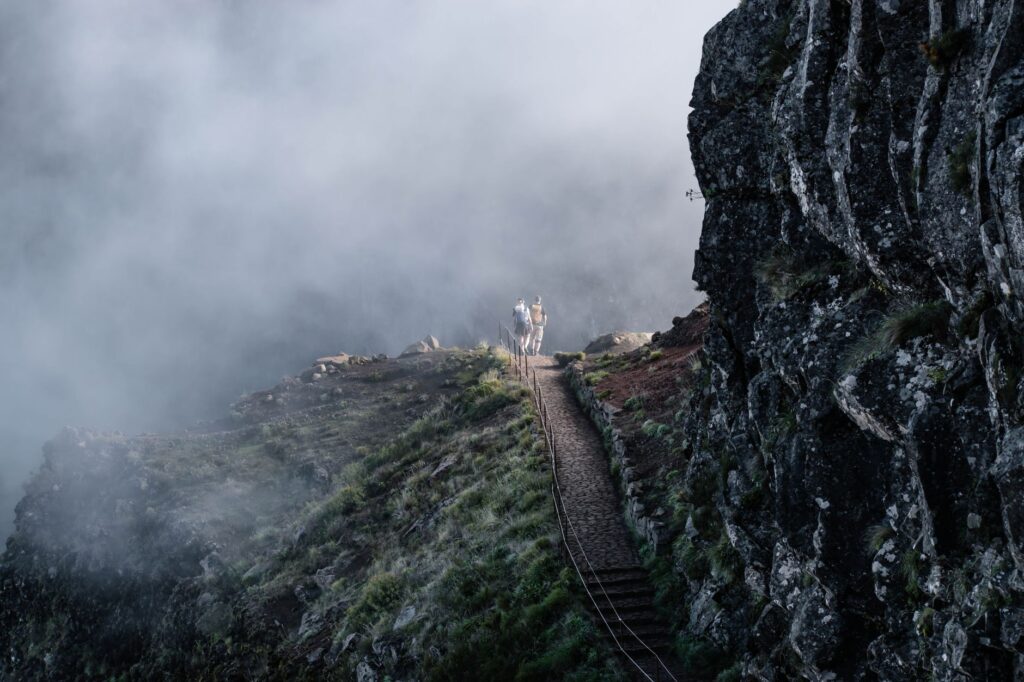
Alongside electromechanical development, a titanic effort has been undertaken to recover ancient bridle paths and traditional trails. Specialized dry-stone masonry crews have rehabilitated dozens of kilometers of cliff-carved passages, consolidating slopes and reopening natural drainage channels buried by rockfalls and decades of neglect. These routes function not merely as recreational resources for long-distance hiking, but as genuine pathways for regional communication and seasonal transhumance.
The use of these routes is regulated through an intelligent capacity-control system ensuring human pressure never exceeds the carrying capacity of the surrounding ecosystem. Walkers encounter digitized information points at valley access points, where respect for endemic flora is strongly encouraged and strict bans on straying from marked paths are enforced. This soft infrastructure fosters active, conscious tourism, where the traveler’s physical effort becomes the sole currency required to access the most spectacular natural viewpoints of the range.
blockquote>True mountain connectivity is not measured by the speed at which a territory is crossed, but by the respect with which every stratum of its geological memory is trodden.
The restoration of these suspended paths has also revived crafts nearly extinct in the region. Stonemasons, mountain boatwrights, and dry-stone wall experts work hand in hand with park technicians to ensure every intervention maintains the aesthetic and structural authenticity of the landscape. The result is a safe, permeable, and durable network of trails withstanding the meteorological rigors of the Pyrenean-Cantabrian winter without requiring aggressive maintenance or heavy machinery.
Regional Electric Fleets and Valley Intermodality
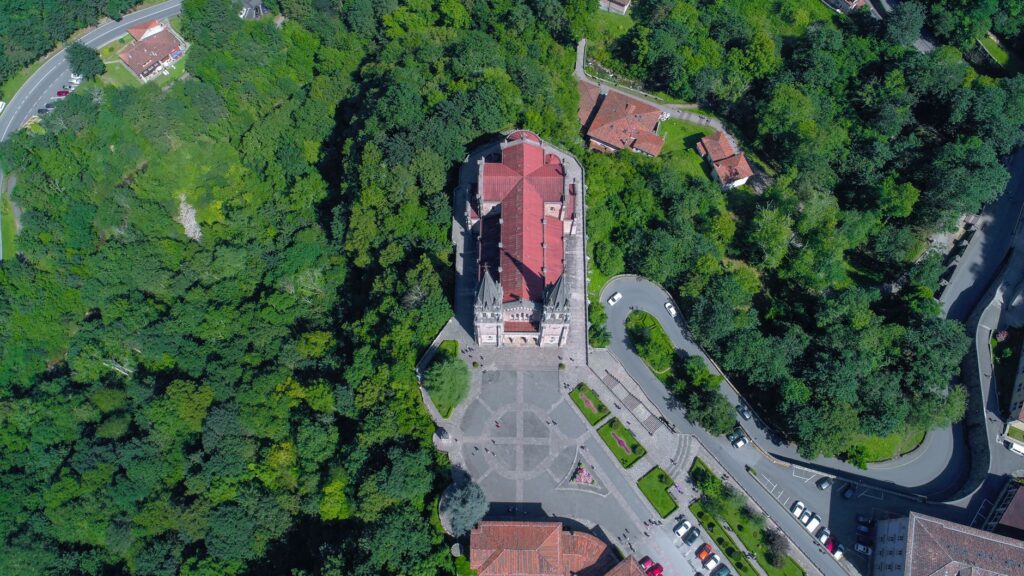
On the horizontal plane, roads skirting the perimeter of the Picos de Europa have undergone a deep transformation thanks to the introduction of regular zero-emission bus and microbus lines. These vehicles, specifically designed with reduced dimensions to navigate tight gorge turns, connect peripheral park-and-ride lots with the park’s key access points. Hourly synchronization between these electric buses and the narrow-gauge railway lines bordering the cordillera enables fluid, seamless transit from the coast straight to the heart of the valleys.
Tariff integration represents another cornerstone in the success of this regional mobility model. Through a single interoperable card, residents and visitors can combine trains, regional buses, and funicular access via a subsidized flat rate discouraging private car dependency. This mobility policy discourages private vehicle use not through outright bans, but by offering a cheaper, more comfortable, and predictable alternative preventing gridlock at the accesses of the most emblematic lakes and gorges.
Charging stations for these buses and the growing fleet of rental electric bikes draw power from small hydroelectric micro-grids situated along traditional river courses, harnessing historical water drops without altering the ecological flows of the Cares, Deva, and Sella rivers. Consequently, the energy driving regional transport is generated locally, transparently, and renewably, closing a virtuous circle of energy self-sufficiency dramatically reducing the carbon footprint of tourist and residential activity in the region.
The Pulse of Local Communities Facing the New Paradigm
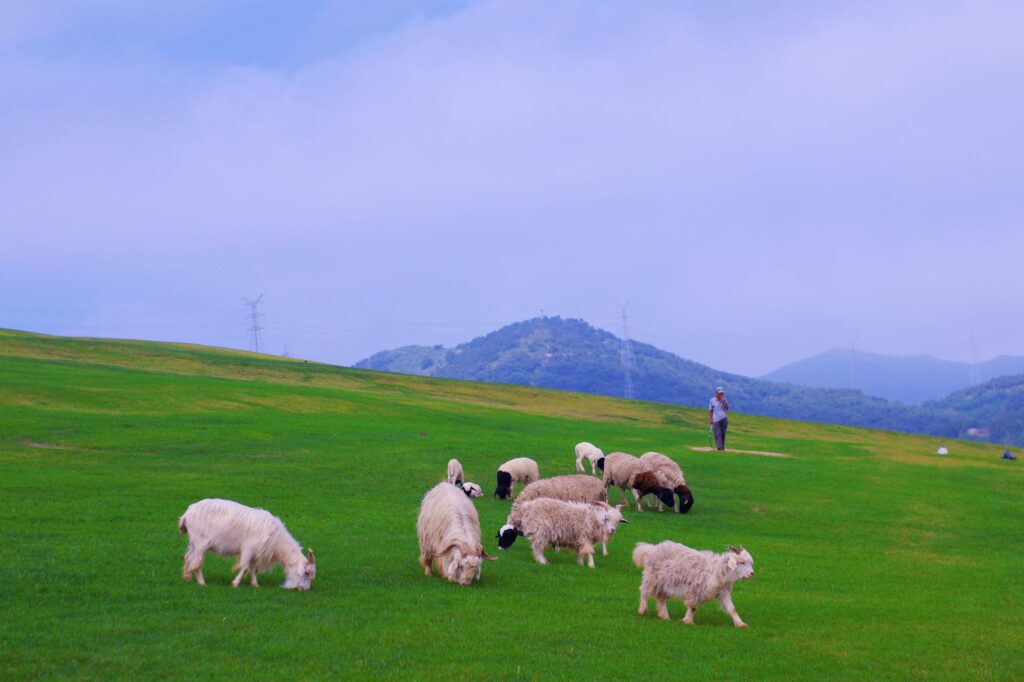
Social acceptance of this profound transport restructuring has involved complex debates and negotiations between local livestock farmers, hospitality entrepreneurs, and environmental park managers. While tourism sectors applaud reduced congestion and an improved sustainable destination image, traditional farmers have demanded absolute guarantees that the new transport system will not hinder daily cattle management or material transport for high-altitude cabins. Following years of dialogue tables, specific time slots and permits have been implemented for the primary sector.
This shared governance has reinforced the social fabric of the valleys, proving that ecological transition is viable only when local communities actively participate in designing the rules governing their territory. Village councils participate in managing peripheral parking lots, receiving a percentage of revenues generated from transport token sales to invest directly in municipal infrastructure and basic public services. Thus, visitors directly collaborate in maintaining the social fabric sustaining year-round mountain life.
Demographic balance, historically threatened by depopulation and a lack of stable job opportunities, finds a hopeful respite in this sustainable tourism and transport model. Young local professionals have found career paths rooted in the territory through mobility management, specialized guiding, and green infrastructure maintenance. Returning to the village ceases to be a romantic chimera and becomes a viable life choice, technologically connected and respectful of past generations’ legacy.
Technical Challenges Facing Extreme Weather and Conservation
Maintaining an operational high-mountain transport network in a meteorologically adverse environment like the Picos de Europa demands exceptional technical response capacity. Winter snowstorms, gale-force ridge winds, and frequent flash flood episodes constantly test the resilience of funiculars, catenaries, and suspended path sensors. To mitigate these risks, operators have deployed remote monitoring systems based on artificial intelligence and advanced telemetry detecting slope movements and electrical overloads in real time.
Biodiversity conservation remains the inexorable filter conditioning any maintenance or network expansion work. Path improvement and cable line projects are scrupulously planned outside the nesting seasons of protected species like the golden eagle, peregrine falcon, and capercaillie. Furthermore, cable alignments and pedestrian routes are designed to prevent the fragmentation of ecological corridors, allowing wildlife to cross freely from one sector of the massif to another without disruption from human presence or light pollution.
blockquote>High altitude admits no improvisation; every meter of installed infrastructure is a pact of respect with the elements and the immutable laws of geology.
This technical rigor has turned the National Park into a leading European laboratory for fleet management and mobility in protected high-mountain natural areas. Engineers, biologists, and urban planners from other countries regularly visit the region to study firsthand how efficient public transport demands have been successfully conjugated with the strict habitat protection priorities included in Natura 2000. Far from an untouchable museum, the Picos de Europa prove that inhabiting and traversing an extreme territory through advanced and deeply respectful technical solutions is entirely possible.
Practical guide
Planning a trip to the Picos de Europa under this new sustainable mobility model requires understanding access guidelines and regional transport rules to avoid setbacks and fully enjoy the surroundings.
How to get there: Railway access is primarily managed via the FEVE narrow-gauge line running along the Cantabrian coast and connecting with river valleys through strategic stops like Unquera or Arriondas. From the stations, electric shuttle buses connect directly with main visitor reception centers.
Internal mobility: Private vehicle access to sensitive high-mountain cores is prohibited during the summer peak season. Utilizing regional shuttle microbuses and access funiculars is mandatory, with bookings available in advance through the park’s unified digital platform.
Fares and passes: The regional transport intermodal card offers substantial discounts for stays exceeding three days, including unlimited use of valley buses and reduced rates on cable transport and interpretation center access.
Code of conduct: Walking restored paths requires appropriate mountain footwear, strict adherence to signage, and an absolute prohibition against generating loud noises or littering. Generated waste must be carried back down to valley containers.
Accommodation and gastronomy: Villages around the park perimeter feature a broad network of rural lodgings certified with ecological hallmarks and restaurants promoting local products, such as Cabrales cheese and protected geographical indication meats, boosting the comarca’s circular economy.
The Recovered Silence in the High Valleys
As evening falls, when the last electric microbuses complete their descent runs and the hum of funiculars merges with the wind whistling through limestone peaks, the Picos de Europa recover their original heartbeat. The blanket of silence descending upon the valleys is no longer tainted by the incessant drone of combustion engines or chaotic parking congestion along road shoulders. This new mobility order has not only eased environmental pressure, but has returned to residents and travelers the capacity to listen to nature in its purest state.
Lebanieg and Asturian communities now look to the future with renewed optimism, knowing they have successfully shielded their natural heritage against the threats of unchecked mass tourism. The alliance between zero-emission transport technology, patient stone-path restoration, and active local participation has proven the winning formula for a territory refusing to die of success. Every visitor ascending silently via new funiculars or walking respectfully along suspended paths participates in this tacit pact with the mountain.
Ultimately, this report demonstrates that sustainability is not a restriction on travel, but a superior form of freedom. By organizing and cleaning access routes to one of Europe’s most beautiful massifs, we ensure future generations will continue finding an undisturbed sanctuary of peace, biodiversity, and beauty within these abysses of stone. The Picos de Europa stand today as a luminous beacon guiding the path toward truly responsible tourism, where travel and conservation finally walk hand in hand.