
For years, long-distance air travel seemed to demand an unspoken compromise with personal aesthetics. Heavy fleece sweatpants, form-fitting compression leggings, and utilitarian tracksuits dominated airline cabins under the unassailable banner of physical comfort. However, cruising at thirty-five thousand feet does not have to mean surrendering style. In major design capitals and pioneering textile mills across Europe and Asia, a quiet sartorial revolution has emerged, dedicated exclusively to solving this historical dilemma.
The contemporary solution is neither squeezing into rigid garments nor succumbing to the slouchiness of loungewear. Instead, it relies on a new category of fluid tailoring constructed with intelligent textiles, anatomical seamless patterning, and precision finishing. These innovations allow travelers to cross three time zones and step directly into a board meeting or a boutique hotel terrace without needing a wardrobe change. This is a comprehensive look at the trousers reshaping elegance in transit.
The Flight Cabin Style Crisis
The modern traveler’s uniform underwent a long period of standardization based on the absolute comfort of activewear. The flaw in this choice is not its immediate wearability, but its lack of operational versatility upon arrival. Heavy cotton jersey absorbs ambient humidity, loses structural integrity after four hours of continuous seat pressure, and projects an exclusively casual image that resists seamless integration into sophisticated urban environments.
In contemporary commercial aviation, where layover times and fluid mobility are critical, lightweight packing requires every item to serve multiple roles. Exceptional travel trousers must perform with equal ease in the confined space of an airplane seat, the marble lobby of a Tokyo hotel, or a casual business lunch in Milan. It is precisely where traditional sportswear fails that modern technical tailoring finds its core purpose.
Smart Fibers and Technical Textile Innovation
The backbone of this transformation lies in textile science. Long gone are the days of crude synthetic blends that trapped body heat and generated static electricity. Today’s discerning designers turn to hybrid fabrics that marry the organic luxury of natural fibers with the performance engineering of modern polymers.
Chief among these materials is high-twist extrafine Merino wool. This remarkable natural fiber acts as a personal climate manager: insulating against chilly cabin air conditioning while remaining breathable when moving through warm terminals. When spun with a minimal percentage of elastane or high-tenacity polyamide microfiber, Merino wool recovers its drape almost instantly, shedding sitting-induced creases effortlessly.
- High-twist Merino wool: Naturally thermoregulating and odor-resistant for long flights exceeding twelve hours.
- Multi-stretch technical polyamide blends: Ultra-lightweight fabrics offering abrasion resistance, rapid drying, and a refined twill-like texture.
- Washable technical silk: A featherweight option tailored for warm climates, delivering a liquid drape without fragile maintenance.
- Mercerized cotton with hidden stretch fibers: Preserves the soft, matte hand-feel of classic trousers while granting complete freedom of movement.
The Waistband Paradox: Seamless Adaptability
The most critical element of any pair of trousers worn for extended periods of sitting is the waistband. Traditional stiff waistbands with rigid buckram and metal buttons apply undue pressure on the abdomen, particularly as cabin pressure fluctuates. Conversely, bulky external drawstrings and heavily gathered elastic bands immediately reveal athletic origins.
True sophistication in travel attire does not rest on rigid formality, but on the invisible engineering that maintains a crisp silhouette while the body remains entirely relaxed.
The architectural solution devised by technical tailors is the hybrid waistband. These tailored constructions feature a smooth, flat front identical to bespoke dress trousers, while discretely incorporating elasticized side gussets or rear panels. Other variations feature flat internal drawstrings that can be completely hidden inside the waistband, allowing for the optional use of a flexible belt when formal settings demand it.

From Cabin Crew Aisle to Boutique Hotel Lobby
The ultimate litmus test for superior travel trousers lies in their effortless transition between two vastly different environments: the functional minimalism of an intercontinental aircraft and the refined atmosphere of a destination hotel. The garment must demand no special treatment or emergency ironing upon being unpacked.
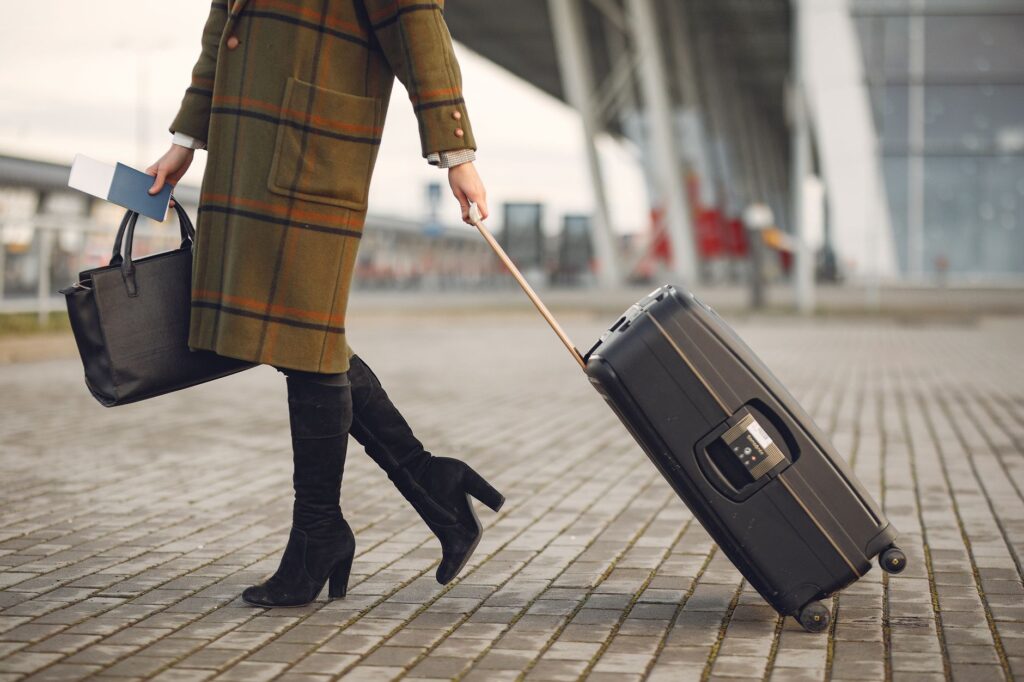
To achieve this balance, designers pay meticulous attention to volume and hem architecture. Slightly tapered leg cuts or fluid straight-leg profiles prevent fabric from trailing on airport floors, maintaining a clean visual line. Furthermore, discreet zip-secured utility pockets seamlessly integrated into side seams provide secure storage for passports, boarding passes, and mobile devices without disrupting the pant’s clean profile.
Cut, Drape, and Packing Ergonomics
Modern travel favors those who master the art of hand-luggage space optimization. Classic tailored trousers often require garment bags or tedious folding techniques that consume valuable luggage volume. In contrast, high-density technical weaves roll tightly without damaging their internal fiber structures.
Elastic memory is the physical property that allows these garments to rebound to their intended shape minutes after unrolling. This resilience stems from tightly twisted yarns and three-dimensional weave patterns that resist mechanical compression. As a result, travelers can comfortably pack for a week-long trip with two well-chosen pairs of trousers, bypassing hotel laundry services entirely.

Five Essential Silhouettes for the Modern Traveler
No single cut suits every body type or itinerary. Understanding the key structural differences between silhouettes helps travelers select the ideal trousers for their climate and schedule.
1. The Straight-Leg Technical Chino
A contemporary update on classic military chinos. Constructed from stretch polyamide twill, it retains a classic casual aesthetic while adding water resistance, stain repellency, and unrestricted mobility.
2. The Fluid Single-Pleat Trouser
Drawing inspiration from 1930s tailoring, this design utilizes tropical wool or heavy viscose blends. Front pleats grant comfortable ease through the thigh during long flights, while a strong vertical drop maintains an elevated presence.
3. The Sartorial Tapered Hybrid
Merging the clean lines of tailored dress trousers with the ergonomic ease of luxury joggers. Featuring a clean, untrimmed hem that rests neatly on shoe insteps, it pairs naturally with leather loafers or minimal leather sneakers.
4. The Permanent-Pleat Microfiber Trouser
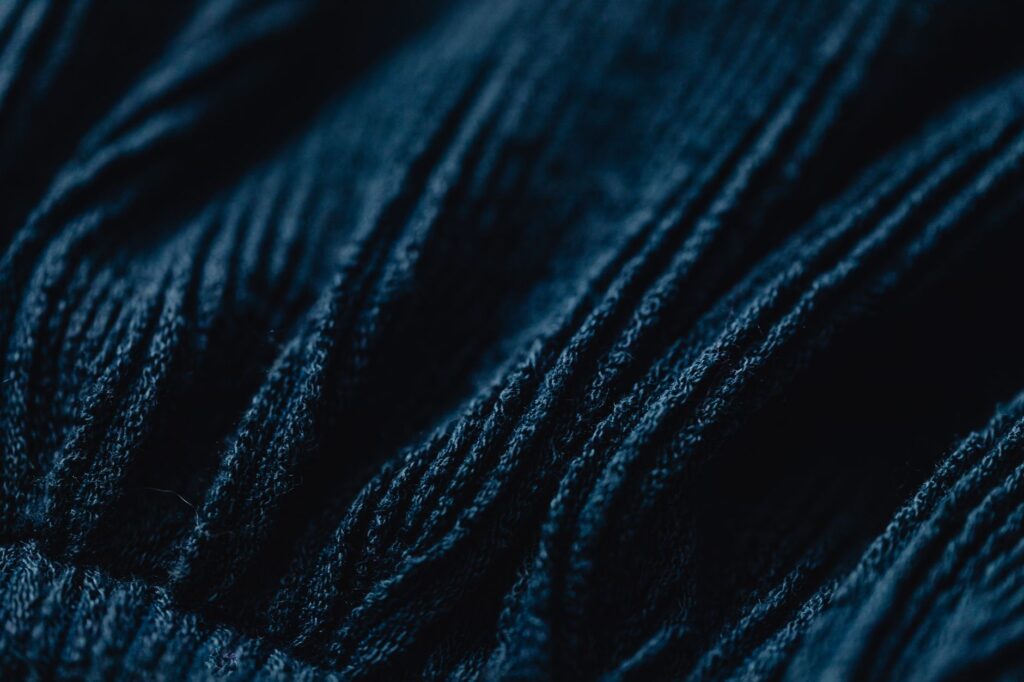
Utilizing heat-set micro-pleating techniques, this trouser creates a structural 3D texture immune to wrinkles. Exceptionally lightweight and compressible, it adds an architectural, avant-garde flair to any travel wardrobe.
5. The Technical Linen-Silk Blend
Engineered specifically for warm-weather journeys. Blending performance yarns with raw linen reduces the chaotic wrinkling typical of pure linen while preserving its cooling ventilation and adding a subtle luster.
The Transoceanic Endurance Test
Putting travel trousers through a twelve-hour long-haul flight is the definitive assessment of their design integrity. Over the course of a single journey, garments endure sharp cabin temperature fluctuations, low humidity, and extended static pressure on knee and hip joints.
Rigorous editorial testing reveals that high-density technical weaves and Merino wool preserve their structural tension around the knees, avoiding the baggy distortion typical of pure cotton sweatpants. Upon standing, body heat and natural gravity work in tandem to smooth out mild surface folds within minutes.
The ultimate luxury of modern travel is moving through the world without your clothes revealing the fatigue of the journey or restricting your movement.
Practical guide
To ensure optimal performance and long-term durability from technical travel trousers, follow these specialized care, fit, and styling recommendations.
Maintenance and On-the-Road Care
- In-transit washing: Most technical synthetic fabrics can be hand-washed in a hotel sink with mild soap and will air-dry completely in under five hours.
- Bathroom steam refresh: Hanging trousers in the bathroom while taking a hot shower releases minor packing creases using natural water vapor.
- Avoid fabric softeners: Commercial liquid softeners coat technical fibers, clogging breathability matrixes and impairing moisture-wicking coatings.
Arrival Styling Combinations
- Business Casual Transition: Pair tapered technical chinos with a stretch-cotton button-down shirt and an unconstructed blazer in tropical wool.
- Elevated City Walking: Match fluid pleated trousers with a fine-gauge Merino wool turtleneck and minimal leather sneakers.
- Warm-Weather Arrival: Combine technical linen trousers with a silk-knit polo shirt and flexible suede loafers.
Elegance in Motion: The Reward of the Journey
Travel has reclaimed its status as an art form where every detail shapes the experience. Stepping away from total reliance on casual activewear when flying is an intentional choice that honors both the journey and the destinations that await.
Investing in intelligently engineered travel trousers is ultimately an investment in enduring personal comfort. When textile innovation works hand-in-hand with classic tailoring, travel changes completely: long terminal waits, high-speed rail journeys, and spontaneous walks through unfamiliar cities are met with renewed lightness, dignity, and freedom.
Source: Condé Nast Traveler