
Introduction to the Melanesian Outpost and Its Airborne Routes
The Vanuatu archipelago stretches for over thirteen hundred kilometers across the southwest Pacific Ocean, tracing a double chain of volcanic islands and coral atolls that rise sharply from the oceanic abyss. In this territory fragmented by deep ocean trenches and inconstant trade winds, paved roads are a luxury limited to the urban fringes of Port Vila and Luganville. Beyond these enclaves, the backbone holding the nation together relies not on asphalt, but on the invisible highways of the air. Small turboprop aircraft operate as true flying buses, connecting grass and coral airstrips that defy the region’s rugged topography.
Understanding mobility in Vanuatu requires shedding the logistical parameters of the Western world. Here, an unexpected tropical rain shower or a minor volcanic eruption on Tanna Island can instantly alter the travel plans of entire communities. The national airline and private charter operators perform a labor that transcends simple commercial connectivity: they act as the sole sanitary, administrative, and social lifeline for populations residing in remote valleys or isolated atolls. This report examines the architecture of an air transport system where pilot expertise and minimal infrastructure sustain the cohesion of an island state.
Insular Geography and the Topographical Challenge of Airstrips
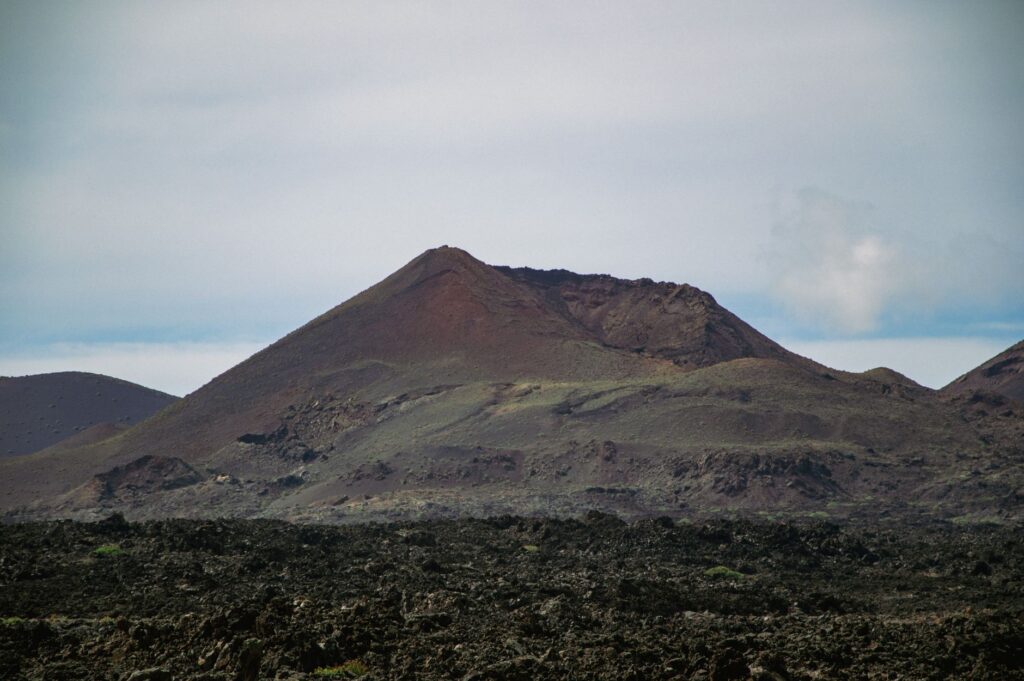
The topography of Vanuatu is the product of intense tectonic activity along the Pacific Ring of Fire. Islands such as Ambrym, with its active twin calderas, or Pentecost, famed for its steep jungle slopes, present reliefs where terrestrial infrastructure development is prohibitively expensive. Airstrips are rarely the result of grand modern engineering projects; rather, they are leveled natural plateaus, compacted volcanic ash, or reclaimed coral strips along the coastline. These surfaces demand millimeter precision from flight crews.
Unlike major international airports equipped with complex instrumental landing systems, most airstrips on the outer islands operate under visual flight rules. Commanders of these aircraft depend on terrestrial landmarks and empirical knowledge of local microclimates to map their approach maneuvers. A sudden wind shift bouncing off a coastal cliff can turn a routine maneuver into an exercise of maximum concentration. Infrastructure is deliberately austere: small wooden sheds serving as terminal buildings and wind socks worn thin by the sea breeze.
The Link Fleet: Aircraft Adapted to Short Runways
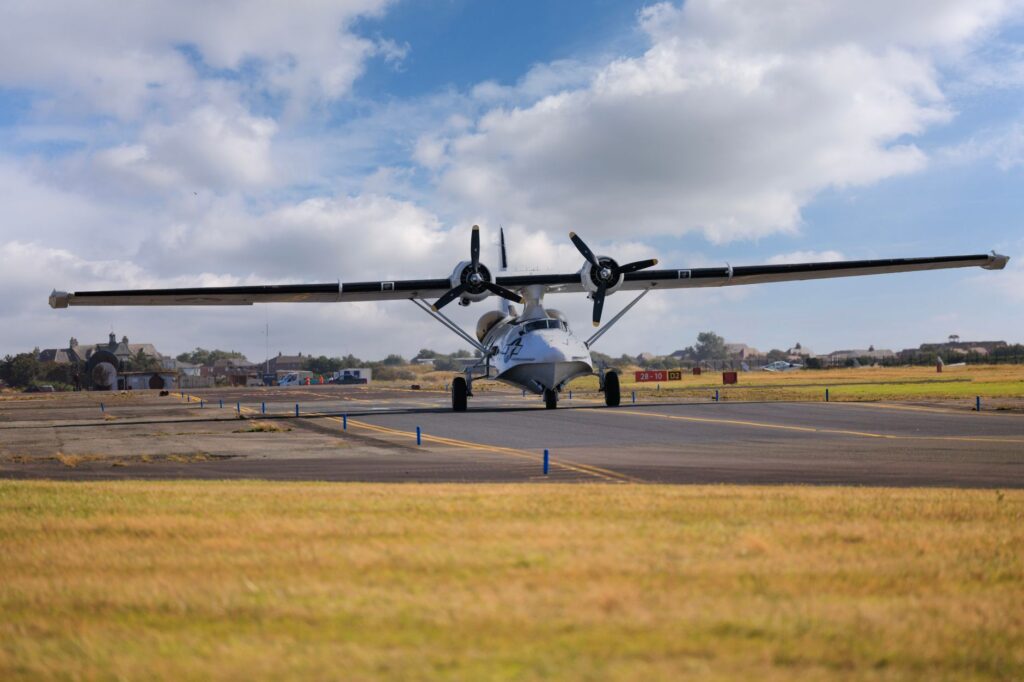
The type of aircraft deployed in Vanuatu responds directly to the physical limitations of its airport network. Commercial jets are entirely unfeasible on runways whose length rarely exceeds eight hundred meters and whose surface combines gravel, grass, and crushed coral. Instead, operational responsibility falls on twin-engine high-wing turboprops, such as the veteran DHC-6 Twin Otter and regional counterparts, prized in subregional aviation for their structural robustness and short takeoff and landing capabilities.
These aircraft are engineered to endure severe operating conditions. Their fixed, reinforced landing gears absorb the impacts of irregular runways, while powerful engines deliver the thrust necessary to operate with full payloads in hot, humid climates where air density reduces aerodynamic performance. Beyond passengers, these machines transport urgent medical supplies, spare parts for generators, and mail, serving as the economic umbilical cord for residents of peripheral islands.
The skies of Vanuatu are not an impersonal transit space, but the dynamic corridor where the true continuity of island life beats.
Maintaining this fleet represents a logistical challenge of monumental proportions. Spare parts must be imported from distant aeronautical hubs, and any major overhaul requires transferring the aircraft to specialized workshops on the main island or neighboring countries like Fiji or Australia. This technical dependency introduces vulnerability into the system, where the grounding of a single unit can temporarily isolate entire communities for weeks.
Extreme Weather and Seasonality in Aerial Corridors
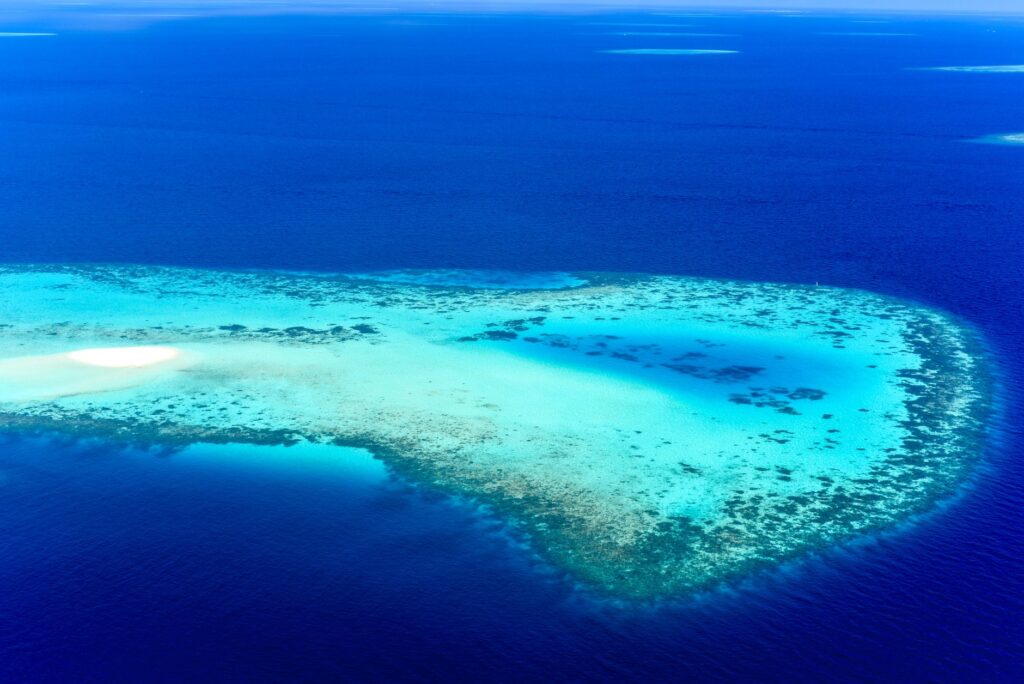
The climate of the South Pacific imposes severe discipline on regional aviation. Between November and April, the region enters the tropical cyclone season, characterized by torrential rains, gale-force winds, and a drastic reduction in horizontal visibility. During these episodes, connecting flights are preventively suspended, interrupting supply chains and stranding islands that rely entirely on regular deliveries of fresh food and fuel.
Outside the cyclone season, local weather phenomena continue to dictate the punctuality and safety of operations. Diurnal convective storms, generated by solar heating over tropical jungles, build towering cumulonimbus clouds that force pilots to alter flight paths mid-journey. The absence of total-coverage ground weather radars on many peripheral islands shifts all detection and evasion responsibilities to onboard radar and the crew’s visual acuity.
This climatic variability forces air operators into constant operational flexibility. Local airlines manage schedules dynamically, adapting to weather windows opening between storm fronts. For passengers, this reality translates into a travel culture where patience and adaptability are not optional virtues, but essential requirements for navigating the archipelago.
The Socioeconomic Impact of Fragile Air Connectivity
Vanuatu’s economy relies heavily on subsistence agriculture, fishing, and increasingly on niche tourism centered on pristine nature and historic shipwreck diving. Yet, balanced development of these activities is constrained by air transport limitations. A tourist wishing to visit the waterfalls of Ambae Island or the reefs of the Banks Islands faces steep fares and severely restricted seat availability, a direct consequence of high operating costs and small aircraft sizes.
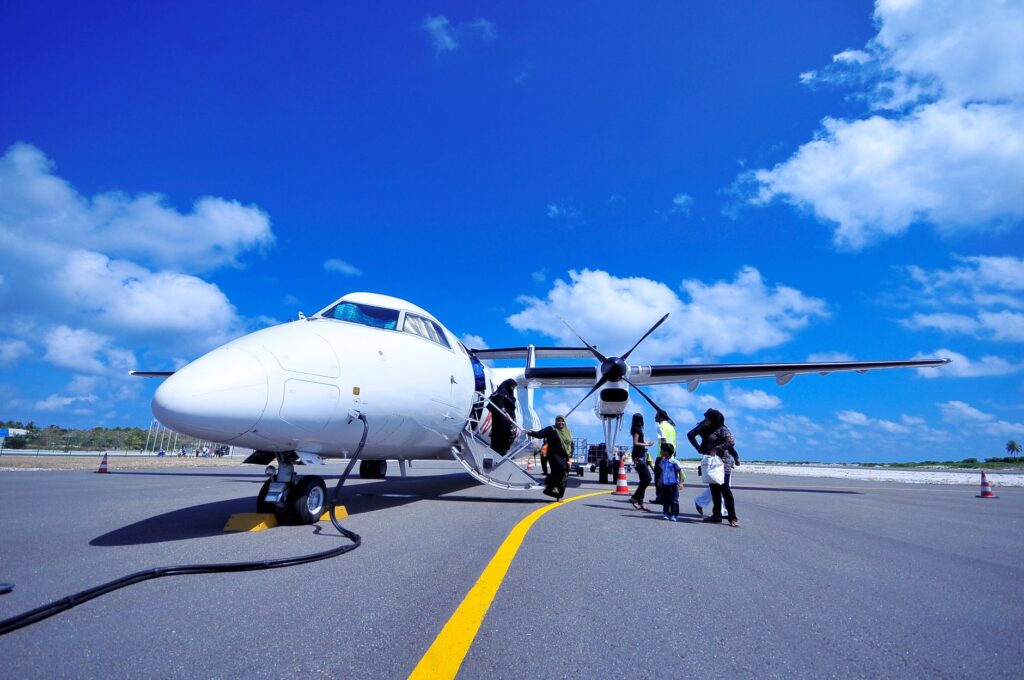
From a healthcare perspective, air connectivity is an essential public service. In medical emergencies—ranging from obstetric complications to sea snake bites or severe workplace accidents—evacuation by air ambulance or a regular emergency flight is the sole alternative to save lives. Delays caused by impractical runways or bad weather have historically carried a high human cost, underscoring the urgency of modernizing basic navigation infrastructure on the most remote islands.
Similarly, the centralized public administration in Port Vila utilizes the air network to distribute educational materials, supervise agricultural development programs, and guarantee civic participation in electoral processes. When the air system experiences prolonged disruptions, the institutional cohesion of the archipelago suffers, revealing the structural fragility of a state built upon fragments of land isolated by the ocean.
Sustainability and Future Prospects Amid Climate Change
The future of air transport in Vanuatu is deeply intertwined with global climate change challenges. Sea-level rise and the intensification of extreme weather events threaten the physical integrity of several coastal airstrips. Some of these facilities suffer recurrent flooding during spring tides, demanding continuous investment in seawalls and drainage systems for saltwater-saturated terrain.
Simultaneously, regional aviation faces pressure to transition toward cleaner energy models in an environment where fossil fuels are extremely costly due to import expenses. While electrification of long-haul commercial fleets remains a technological chimera, local operators explore route efficiency improvements and load optimization to reduce their carbon footprint in a highly fragile ecological marine and terrestrial ecosystem.
National authorities, in collaboration with international funding bodies, are advancing projects to pave and equip strategic airfields with basic solar lighting. These interventions aim to extend operational hours and minimize cancellations due to low twilight visibility, improving the predictability of a system that has traditionally operated at the edge of its technical limits.
Practical guide
Route Planning: Booking domestic flights several months in advance is essential, particularly during the dry season (May to October), given the severely limited aircraft capacity.
Luggage Restrictions: Due to the weight limitations of twin-engine planes, airlines enforce strict baggage limits (typically 10 to 15 kg per passenger), prohibiting bulky rigid suitcases.

Schedule Flexibility: Weather-related delays and cancellations are frequent. Including a margin of at least 48 hours in Port Vila before catching connecting international flights is strongly advised.
Medical Assistance and Insurance: Ensure your travel insurance policy specifically covers emergency medical evacuation from remote islands to advanced medical facilities.
Local Infrastructure: Outer airstrips lack ATMs, shops, or dining services. Carrying local currency in cash and basic provisions is mandatory.
Visual Epilogue on Airstrips at the Edge of the Abyss
At dusk, when golden Pacific light bathes the volcanic ridges of Vanuatu and the outline of atolls merges with the dark blue ocean, regional aviation reveals its most human and poetic dimension. On the dirt runway of an island forgotten by commercial maps, a small twin-engine plane shuts down its engines after completing the day’s final leg. Locals gather with packages, letters, and tired yet relieved faces, knowing the invisible cord of the air has once again fulfilled its silent mission of uniting what the sea insists on dividing.