
The Persistence of Millimetric Gesture in Contemporary Florence
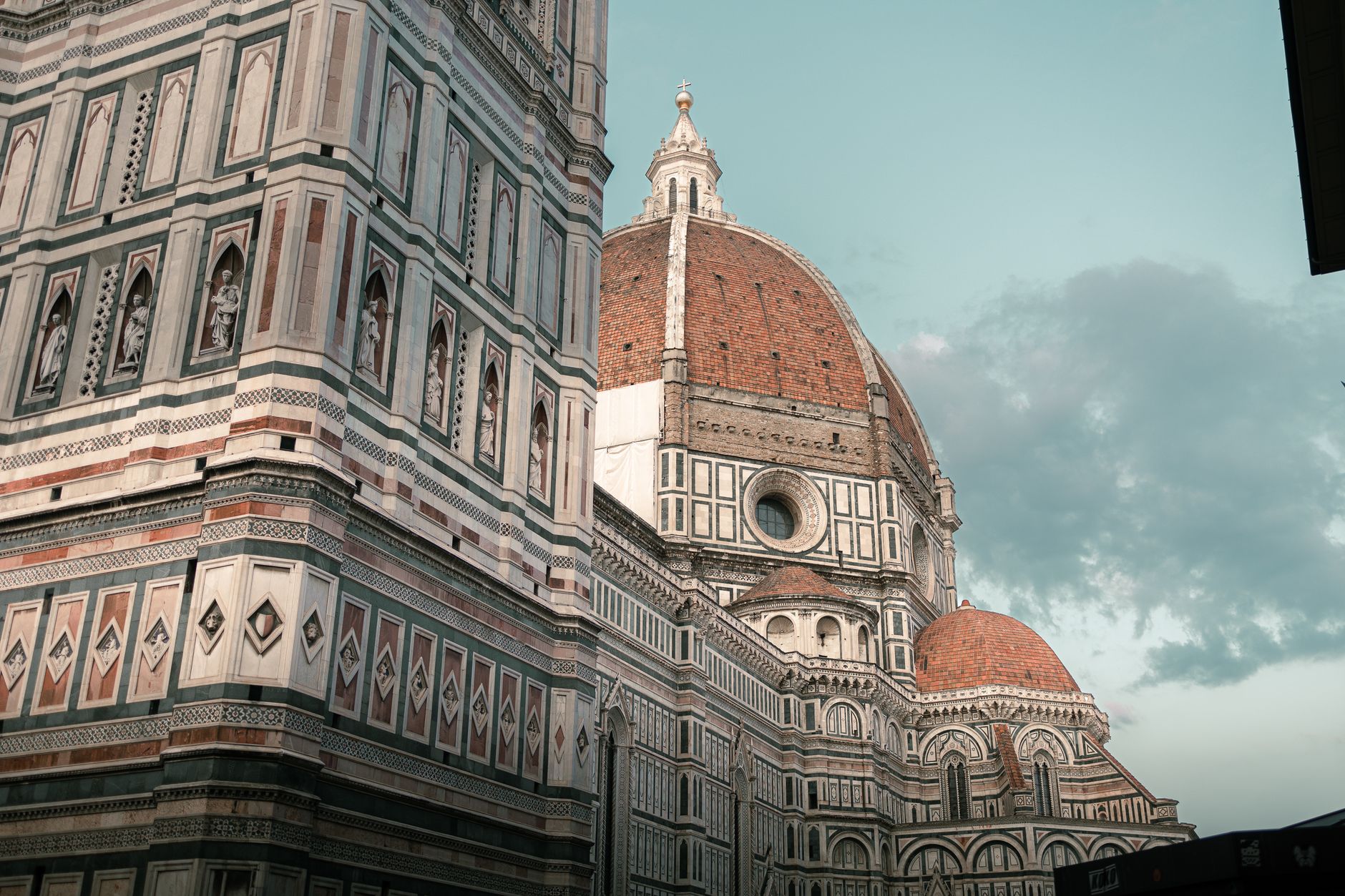
Tucked away among the cobblestone alleys of the Oltrarno district, far from the tourist crowds swarming Brunelleschi’s dome, lies a hidden world of steam, iron, and felt. Florence does not live by Renaissance stone and goldsmiths’ gold alone; in its more discreet workshops, time is measured by the resistance of a wooden block and the precision with which an artisan glides their fingertips over rabbit or beaver fur. Here, hat making is not an ephemeral accessory dictated by seasonal runways, but an architectural discipline applied to the human head, where geometry and textile chemistry converge in silence.
The traveler crossing the Arno River to understand the true anatomy of Florentine design discovers that modernity coexists with tradition through a tacit pact. Today’s workshops combine hand-carved linden blocks dating back to the 19th century with state-of-the-art humidity control systems, proving that high craftsmanship does not reject science, but domesticates it. In these spaces, the fundamental question is no longer how to produce faster, but how to ensure that an object retains its formal memory after withstanding rain, wind, and the relentless passage of years.
The Raw Material: Geographic and Botanical Origin of Fine Fur
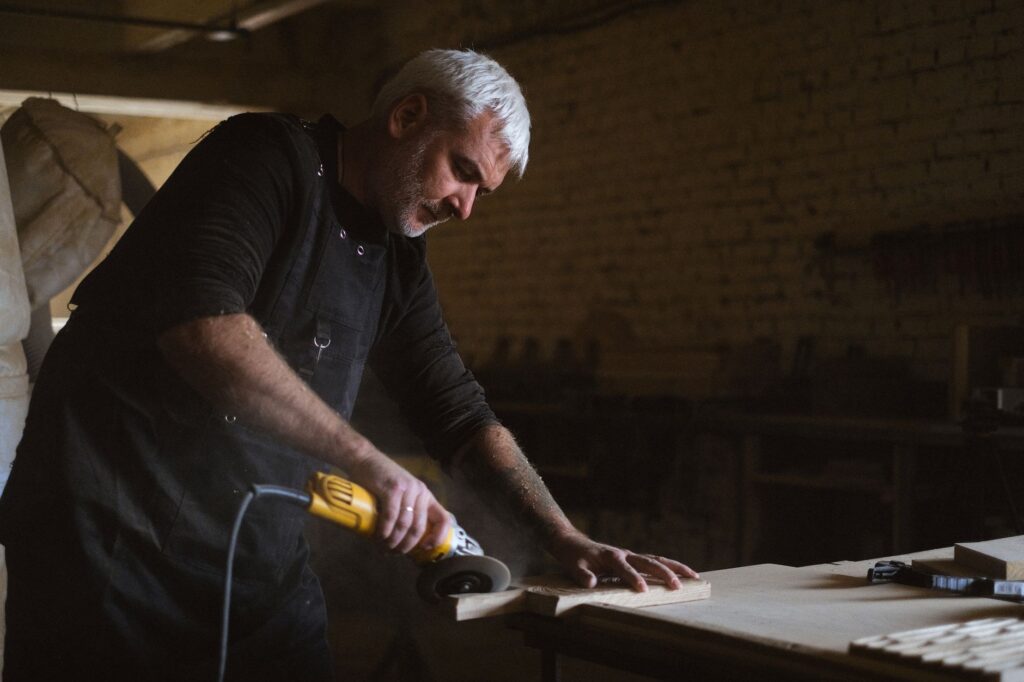
Every high-end hat begins long before it touches the workbench; it is born in the rigorous selection of raw fibers. Unlike industrial coarse wool fieltings, benchmark Florentine workshops work almost exclusively with hare, rabbit, and beaver fur, imported under strict traceability standards from regulated European breeders. Each species contributes a unique structural quality: lightweight flexibility in the case of rabbit, and the natural water resistance and compact density that only beaver can guarantee in brims and crowns.
The felting process is a physical dance of friction, temperature, and alkaline agents. Loose fibers, observed under a microscope, reveal microscopic scales that, when brought into contact with hot water and natural soap through manual milling, intertwine irreversibly. This initial felt cone, known in guild jargon as a cloché, undergoes successive baths of boiling steam to shrink the fiber until it reaches the exact density demanded by the final design. Master hatters insist that the quality of the water used in this initial wash—preferably soft and free of heavy minerals—entirely determines the tactile softness of the finished piece.
The Wooden Block: Three-Dimensional Sculpture at Human Scale
Once the compact felt cone is achieved, the soul of the hat comes to life over the block. These hardwood pieces, usually made of poplar or linden, are authentic three-dimensional sculptures carved with millimetric precision to replicate the cranial curvatures and aesthetic proportions of each era. Florentine workshops preserve block archives dating back to Italian unification, collector’s pieces still used today to block classic shapes such as the wide-brimmed fedora or the structured bowler.

Blocking requires measured physical force and a profound understanding of textile elasticity. The artisan dampens the felt to its optimal saturation point, positions it over the block, and using linen cords and forged iron pincers, stretches the material from the center of the crown outward to the edges. Every pull is calculated to prevent irregular tensions that would deform the hat once dry. This process is repeated several times, alternating dry heat and manual pressure, until the felt adopts the definitive memory of the wood.
The Chemical Laboratory: Natural Dyes and Ecological Fixatives
Color in Florentine artisanal hat making shuns flat, glaring synthetic pigments. Contemporary workshops have revived historical recipes based on plant extracts, walnut husks, madder roots, and cochineal, combined with metallic salts as traditional mordants to ensure tone fastness against solar radiation. This chromatic approach responds not only to environmental sensitivity, but to an aesthetic pursuit: natural dyes generate deep nuances that subtly shift according to daylight.
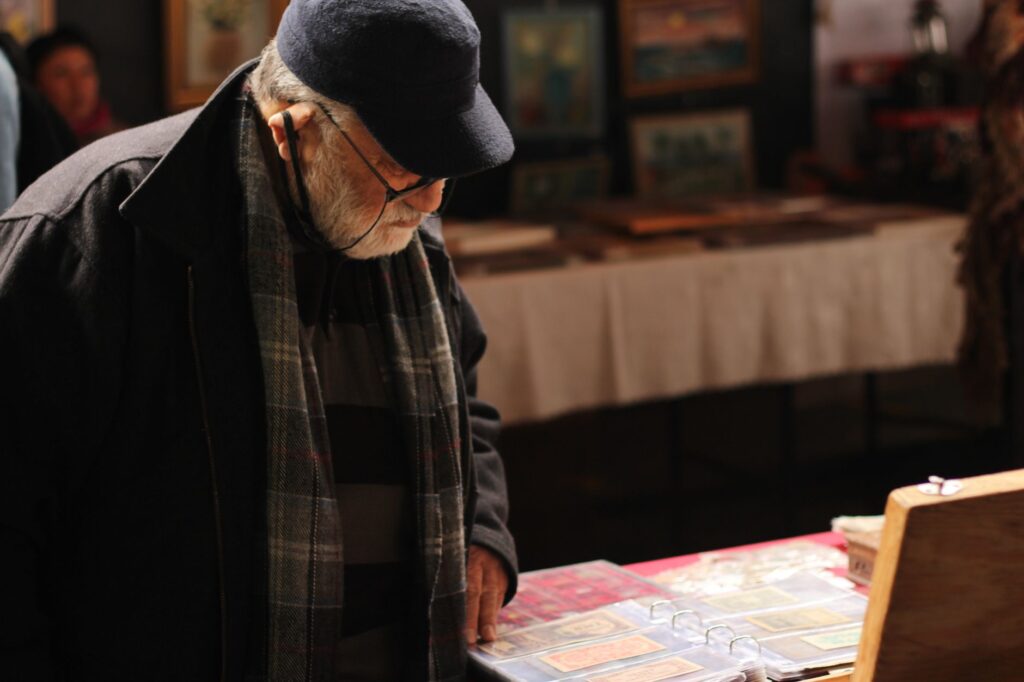
Dyeing is carried out through slow immersion in large copper vats where temperature is manually regulated via gas burners. Following the dyeing stage, the hat undergoes a stiffening process using solutions of natural shellac dissolved in pure alcohol. This secret varnish penetrates the pores of the felt, providing just enough rigidity for the brim to maintain its angled sweep without losing necessary tactile flexibility. The exact proportion of shellac is each master’s best-kept secret, passed down orally from generation to generation within the workshop.
Cutting, Binding, and Sweatband: Interior Architecture
When the exterior structure is dry and perfectly rigid, fine tailoring begins. The first step involves leveling the brim using a sharp blade guided by a carpenter’s compass, ensuring the distance from the crown base is perfectly symmetrical all around. The binding is then applied—a ribbon of pure silk grosgrain or velvet stitched by hand with invisible stitches that reinforces the edge against fraying and provides the ultimate chromatic contrast.
Inside, complexity increases with the placement of the sweatband—the flexible leather strip lining direct contact with the forehead—and the printed silk lining. The sweatband is hand-sewn using a furrier’s stitch that pierces the felt without showing on the outside, sandwiching a thin sheet of natural cork or natural latex foam to guarantee comfort during prolonged wear. The lining, frequently customized with the client’s initials and the workshop’s gold-stamped seal, is delicately gathered at the crown before being fixed with hidden stitches.
The Generational Dialogue: When Young Designers Reinvent the Craft
Facing the threat of extinction that loomed over these trades in the late 20th century, Florence today experiences an invigorating generational handover. Young people emerging from international fashion design schools choose the dark workshops of the Oltrarno to learn the trade from the ground up, stripping away stale nostalgia and connecting it with the new aesthetic demands of the 21st century. These new artisans experiment with recycled fieltings, asymmetrical organic forms, and direct collaborations with visual artists.
This renewal does not imply a break with the past, but its deepening. The veterans contribute the discipline of the flawless gesture and respect for the material’s mechanical rhythms; the youth introduce a contemporary vision of ergonomics and commercial sustainability. The result is a global market that values production slowness as the ultimate luxury of the 21st century, where each hat requires between ten and fifteen hours of exclusive manual labor before leaving the workshop.
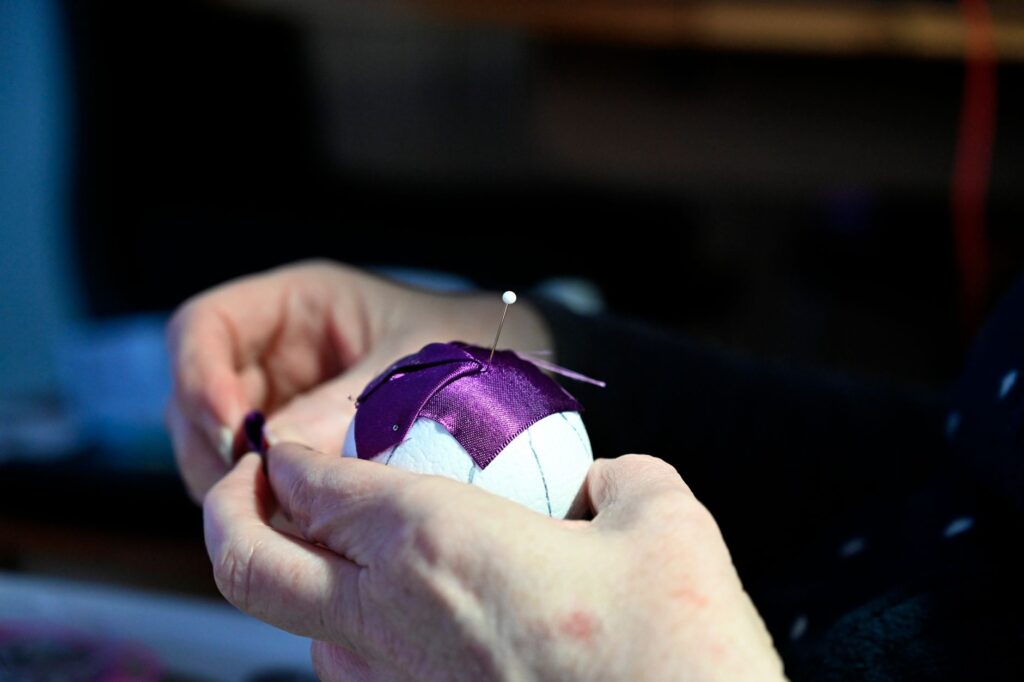
«The hat is not a decorative element added to the body; it is the architectural extension of human thought over the space it inhabits.»
Practical guide
- How to get there: Florence Airport, Peretola (FLR) is located 20 minutes by tram from the historic center. It is also accessible via Frecciarossa and Italo high-speed trains from Rome and Milan to Santa Maria Novella station.
- When to visit: Spring months (April to June) and autumn (September to November) offer optimal temperatures for walking through the Oltrarno workshops without summer crowds.
- Workshop route: Most traditional hatters are concentrated along Via de’ Serragli, Borgo San Frediano, and Via Santo Spirito. Booking in advance is essential, as many spaces function simultaneously as intensive production areas.
- Care and maintenance: To protect a fur felt hat from humidity, always store it in a rigid hat box over an appropriate block. Avoid hanging it by the brim, as this distorts the original symmetry over time.
- Ethical acquisition: Ensure that chosen workshops possess ethical sourcing certifications for animal fibers and use biodegradable dyes free from heavy metals prohibited by European Union regulations.
Epilogue: The Invisible Trace of the Eternal Object
At dusk, when golden Tuscan light bathes terracotta tile roofs and the Arno River reflects the Santa Trinita bridge, the Oltrarno workshops turn off their steam lights and close heavy wooden doors. Left behind on workbenches are felt shavings and silent blocks, mute witnesses to human endeavor that refuses to vanish in the whirlpool of the ephemeral. Wearing a hat crafted in Florence is not a statement of passing style, but an act of intimate resistance: the conscious decision to walk through the world bearing a work of art shaped by fire, water, and memory.