
The scorching desert heat of the United Arab Emirates contrasts sharply with the lush green highlands, aromatic cinnamon, and rolling mist of Sri Lanka. Yet, within the global showcase of the Arabian Travel Market (ATM) held in Dubai, the island nation in the Indian Ocean has successfully built an invisible yet sturdy bridge between its ancestral traditions and contemporary high-end tourism. Far from settling for conventional sun-and-sand marketing, the Sri Lankan delegation has embraced a multifaceted narrative where archaeology, Buddhist spirituality, spiced gastronomy, and a renewed commitment to sustainability converge. The core journalistic question hovering over this move is whether the country can successfully diversify its source markets and solidify an offering resilient to global economic shifts without losing its identity.
To understand the scale of this diplomatic and tourism offensive, one must examine the geopolitical and economic context in which it unfolds. Following years of internal turmoil and severe economic crises that crippled local infrastructure, Sri Lanka has found in tourism reactivation its most reliable economic lifeline. Participation in forums the scale of ATM Dubai is not merely an exercise in public relations; it is a meticulously designed strategy to capture the Middle Eastern traveler and attract foreign direct investment needed to modernize hotel infrastructure, transport connections, and historical preservation. Official data confirms a steady rebound in international visitor arrivals, compelling authorities to rethink their model to prevent overtourism and commit to high-value travel.
The Gulf Landing: Global Strategy and Vision
Sri Lanka’s presence in the exhibition halls of Dubai has been marked by a sober yet magnetic staging, designed to evoke the serenity of its landscapes. Local tour operators, in collaboration with the Sri Lanka Tourism Promotion Bureau, rolled out a campaign emphasizing safety, the diversity of experiences within a relatively compact territory, and the renowned hospitality of its people. This strategy directly addresses a clear demand from the Middle Eastern consumer: a traveler seeking exclusivity, privacy, accessible halal gastronomy, and memorable family experiences. Bilateral meetings held during the event paved the way for preliminary agreements with regional airlines to increase flight frequencies—a critical factor in stimulating high-net-worth visitor flows.
However, the success of this strategy relies less on signing commercial agreements and more on the destination’s capacity to meet high international standards in infrastructure and service. During panel discussions at the trade show, experts pointed out that the central challenge lies in balancing visitor volume growth with the conservation of fragile island ecosystems. Diversifying the tourism portfolio is the answer: shifting some traditional traffic toward the less-explored northern and eastern regions while boosting cultural and wellness tourism as alternatives to beach monoculture.
The Cultural Triangle: Custodian of Millennia of History
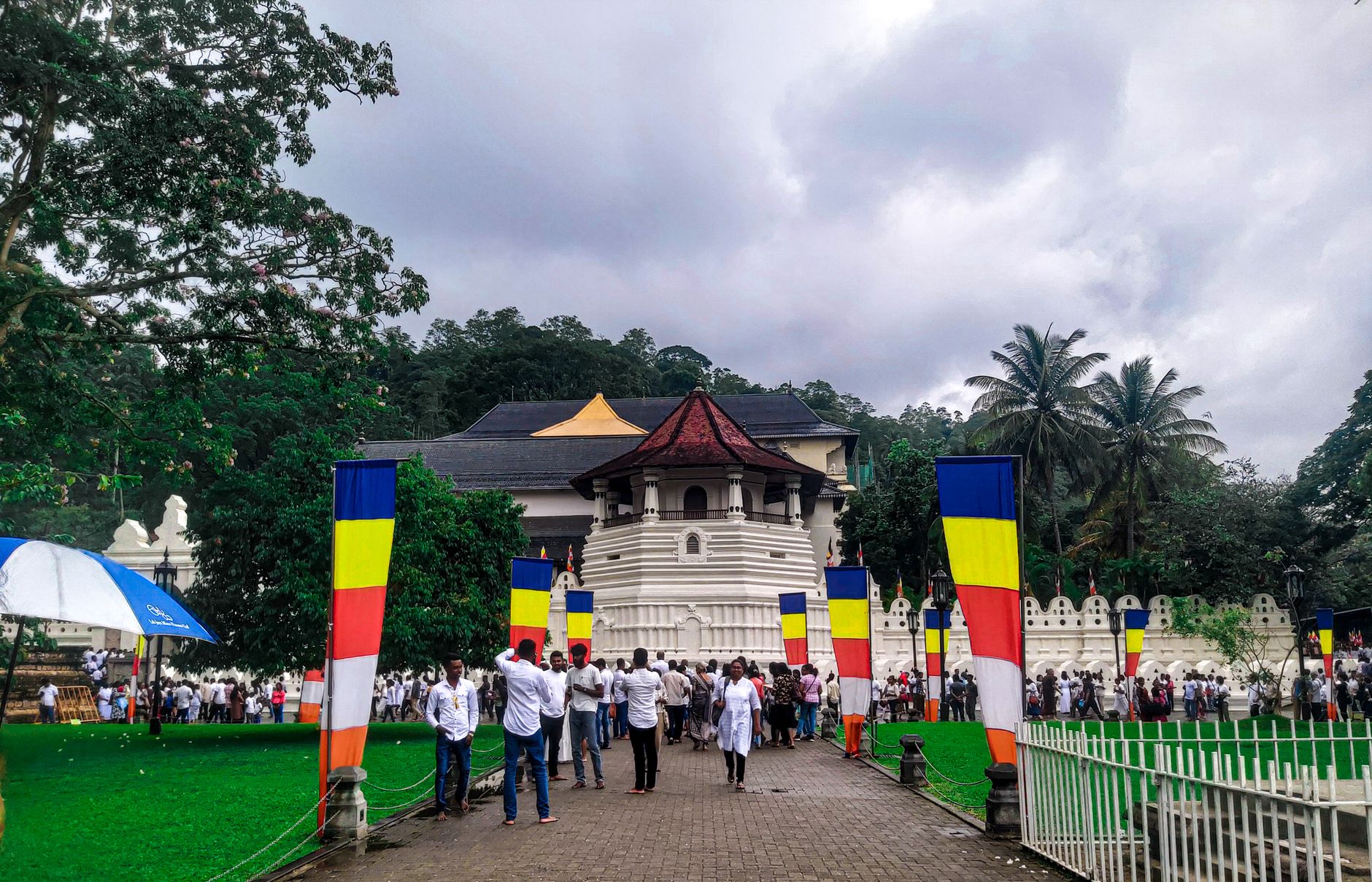
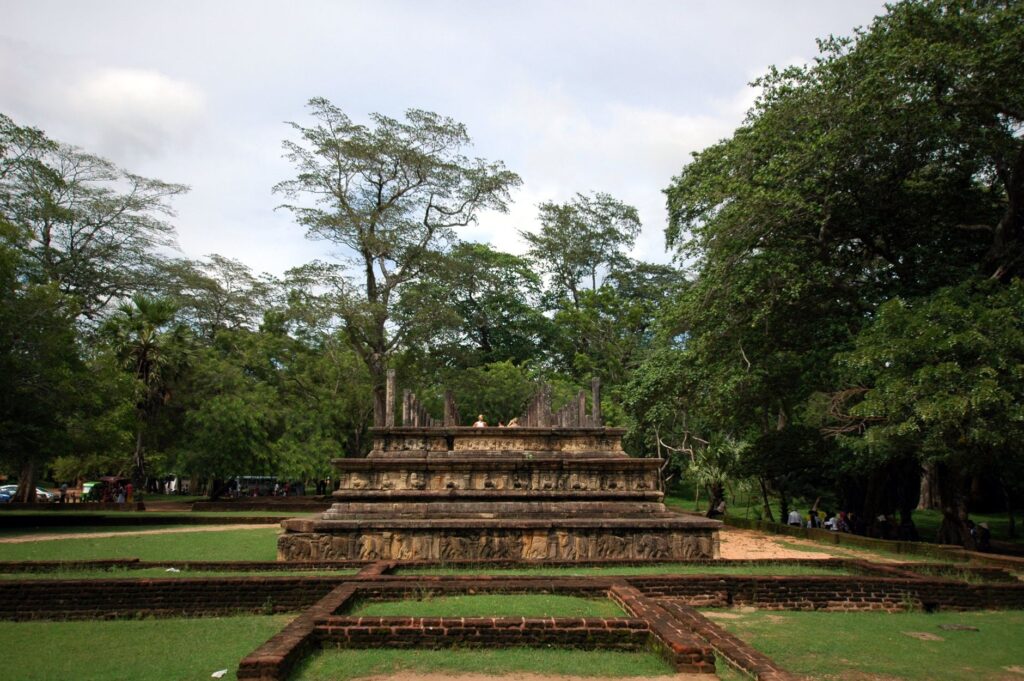
Few regions in the world concentrate as much heritage density as Sri Lanka’s Cultural Triangle, bounded by the ancient capitals of Anuradhapura, Polonnaruwa, and the rock fortress of Sigiriya. These sites, mostly recognized by UNESCO, represent the spiritual and historical heart of the nation. In Anuradhapura, vast monasteries and monumental stupas like Jetavanaramaya testify to the splendor of an advanced hydraulic civilization that flourished over two millennia ago. The meticulous restoration of these archaeological sites, supported by international organizations, aims to offer visitors a rigorous and respectful reading of the past.
Meanwhile, Sigiriya continues to command universal fascination. This palace-city perched atop a volcanic rock monolith defies ancient engineering laws and offers breathtaking views over the surrounding jungle. Promoting these spaces in non-traditional markets like Dubai demands a delicate balance: showcasing their majesty without compromising their physical conservation under the pressure of crowds. Local authorities have begun implementing ticketing quotas and staggered visiting hours—a measure praised by conservationists but requiring strict on-the-ground enforcement to ensure compliance.
Sri Lanka’s cultural heritage is not a tourist backdrop, but a living organism where religious devotion and historical memory coexist daily.
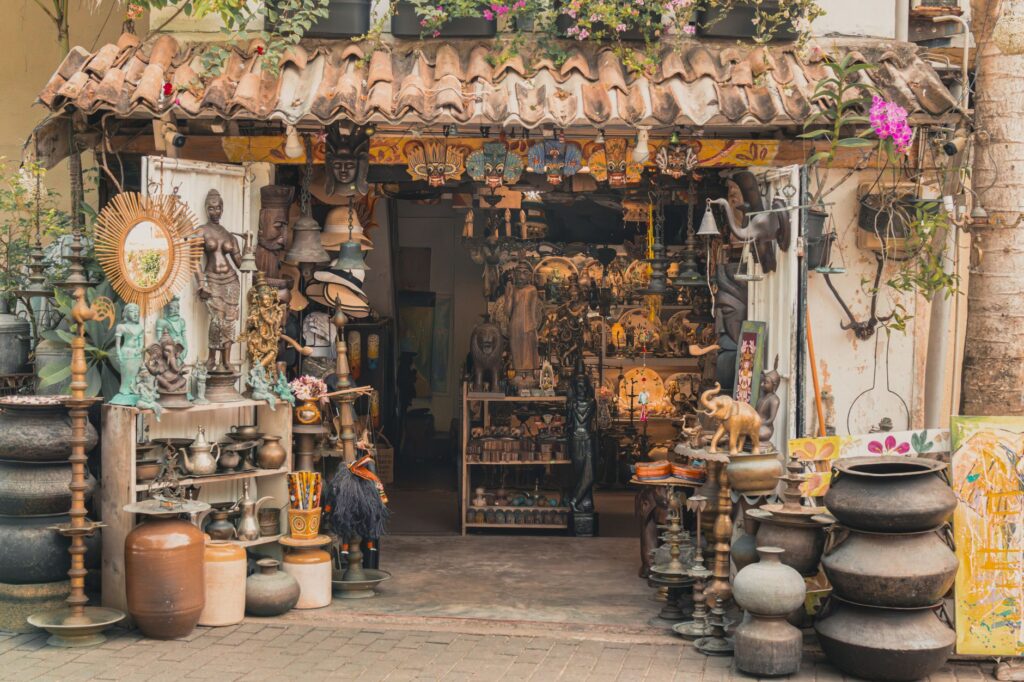
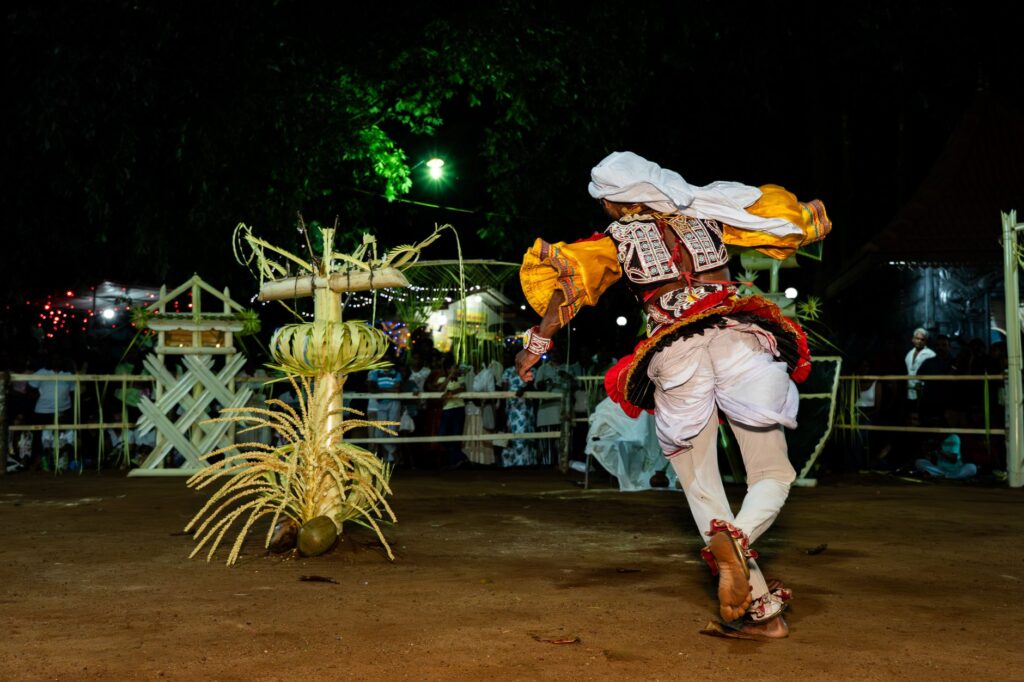
Beyond stone and monuments, Sri Lanka’s cultural pulse beats strongly in its living traditions. Performing arts, such as Kandyan dancing with its hypnotic drum rhythms and elaborate costumes, or the intricate craftsmanship of wooden masks used in healing rituals, form part of an intangible heritage captivating those seeking genuine anthropological immersion. Wood-carving workshops and textile interpretation centers in Kandy and Galle have become essential stops for travelers increasingly interested in authenticity and fair trade with local artisans.
Nature and Biodiversity: The Indian Ocean Sanctuary
Sri Lanka’s richness extends far beyond its historical past; its biodiversity ranks among the richest in South Asia due to its varied topography and climate. From lowland tropical rainforests like Sinharaja—a UNESCO World Heritage site—to the cloud forests of the Horton Plains, the island operates as a Noah’s Ark sheltering endemic species of flora and fauna found nowhere else on Earth. Conserving these ecological corridors has become an absolute priority to curb habitat loss driven by human development.
Ecotourism thus emerges as the engine for rigorous sustainable development. Yala and Wilpattu National Parks offer safaris where visitors can spot leopards, sloth bears, and herds of wild Asian elephants. Nonetheless, the uncontrolled growth of jeeps in certain areas has triggered warnings from local biologists, who demand stricter regulations on vehicle numbers and enhanced environmental education for visitors. Concurrently, the southern coastal strip, especially in Mirissa and Trincomalee, stands out as one of the world’s prime locations for responsible blue whale and sperm whale watching—an activity also requiring strict protocols for distance and marine fauna protection.
Aromas and Flavors: The Spice and Tea Route
Ceylonese cuisine faithfully reflects its geographic position and history as a crossroads along Indian Ocean trade routes. Influenced by South Indian traditions, the Portuguese, Dutch, and British colonial legacy, and Arab trade, island cooking stands out for its bold use of spices like true Ceylon cinnamon—distinct from cassia—cardamom, cloves, and fresh curry leaves. Spice gardens in Matale offer travelers a complete sensory experience, explaining the cultivation and medicinal properties of each plant within the framework of traditional Ayurvedic medicine.
It is impossible to discuss Sri Lanka’s agricultural identity without mentioning Ceylon tea. In the hills of Nuwara Eliya and Ella, terraced plantations paint a green, geometric landscape straight out of an impressionist canvas. Historic tea factories, many operating with steam-powered Victorian-era machinery, offer insight into the laborious process of leaf harvesting, withering, rolling, and fermentation. Experts note that tea tourism, known as high-altitude agritourism, represents one of the most stable avenues for generating rural employment and curbing youth migration to urban centers.
Infrastructure and Connectivity: The Logistical Challenge
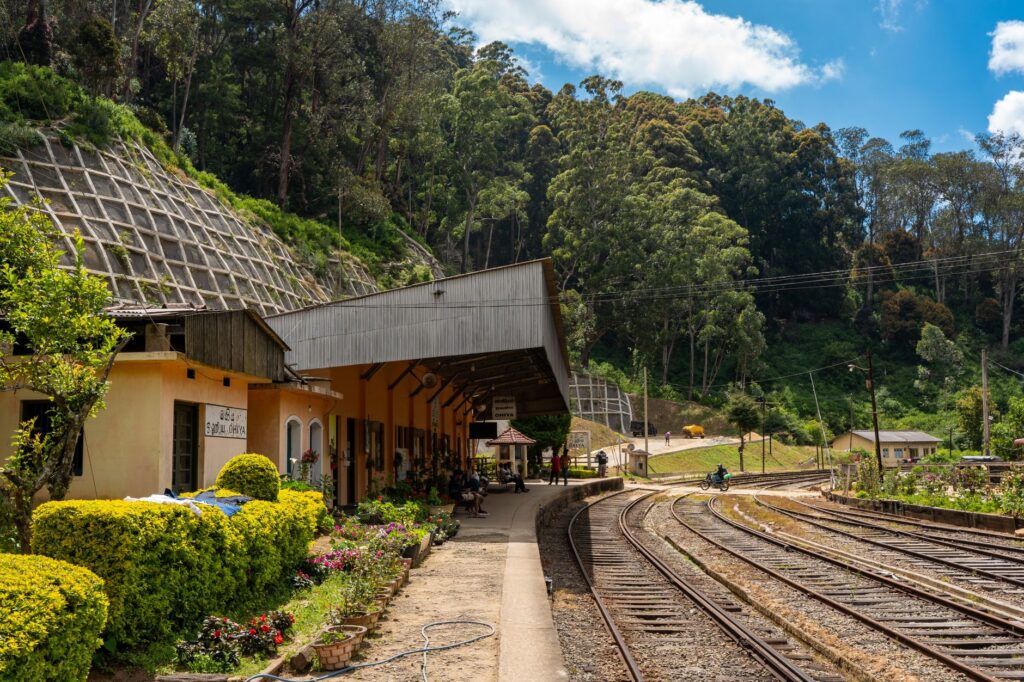
For Sri Lanka’s ambitious international outreach at forums like Dubai to translate into a smooth, steady influx of tourists, the country must resolve critical bottlenecks in its infrastructure network. Although Bandaranaike International Airport in Colombo has undergone expansions, peak-hour congestion remains a recurrent issue. Similarly, the railway network, globally famous for the scenic route between Kandy and Ella, suffers from technical limitations, outdated carriages, and frequent delays that impact the independent traveler’s experience.
Investments presented to Middle Eastern stakeholders include modernizing railway tracks and upgrading secondary roads connecting the mountainous interior to the eastern coast. However, economic analysts warn that any development plan must ensure transparency in contract awards and rigorous environmental and social impact assessments. Foreign capital participation is indispensable, yet it must remain subordinate to public interest and the protection of the natural resources underpinning the island nation’s economic asset base.

Practical guide
- Documentation and visas: Visitors of most nationalities must apply for an Electronic Travel Authorization (ETA) prior to departure through the official Sri Lanka government website.
- Best time to visit: The climate varies by coast. December to March is ideal for the west and south; May to September brings monsoons to those areas, making the east coast preferable.
- Official currency: Sri Lankan Rupee (LKR). Carrying cash for small transactions and international cards for urban hotels and restaurants is recommended.
- Health and vaccinations: No mandatory vaccinations are required for general entry, except for yellow fever if arriving from an endemic country. Caution with tap water and raw foods is advised.
- Internal transport: Trains are the most scenic and budget-friendly option for mountain journeys, while public buses cover medium and long-distance routes at low cost but high intensity.
- Code of conduct: Modest dress (covered shoulders and knees) is mandatory when visiting Buddhist and Hindu temples, and posing with your back to Buddha statues for photographs is strictly prohibited.
The sunset over the ruins of Polonnaruwa bathes the ancient stones in a golden hue that seems to suspend time. In that quiet moment, where the call of tropical birds blends with the whisper of wind through sacred trees, the true essence of Sri Lanka reveals itself. It is not a static postcard intended for rapid mass consumption, but a living testament to resilience, spirituality, and natural beauty. The efforts deployed in Dubai’s convention centers find meaning here on the ground, where every traveler becomes a witness and temporary custodian of a fragile heritage. The island’s grand cultural and tourism bet does not lie in imitating destinations of unbridled luxury, but in offering something increasingly scarce in the contemporary world: authenticity, depth, and genuine human connection with a land that, despite its scars, continues to smile at the traveler.
Source in English: Cultura travel tourism – Google News