
In northeastern Italy, where the Po Valley opens towards the Adriatic Sea, an art survives that defies time and the decay of empires. Ravenna, the former capital of the Western Roman Empire and the Byzantine Exarchate, preserves in its silent cloisters and artisan studios the secret of a pictorial technique that uses neither brushes nor oils, but fragments of glass fused with pure gold leaf and semi-precious stones. This feature article invites the curious traveler into contemporary workshops where the traditional mosaic craft —recognized as a UNESCO World Heritage site— continues to beat thanks to the tenacity of artisans combining historical philology with visual experimentation.
Far from the rush of mass tourism that overwhelms other Italian cities, Ravenna demands a deliberate gaze, willing to decode the geometric and theological codes that permeate its basilicas. Here, light is not merely illumination; it becomes raw material. Each tessera, hand-cut with the traditional hammer and hardie anvil, is placed upon a bed of fresh mortar according to a mathematically calculated angle designed to catch the sun rays and reflect them in an eternal flicker. The result is an uninterrupted dialogue between architectural gloom and golden radiance, a phenomenon that continues to fascinate conservators, art historians, and discerning travelers.
The Raw Material of Splendor: The Kiln and Glass Alchemy
The creation process of a Byzantine mosaic begins long before the artisan holds their first tools at the workbench. In artisanal kilns located on the outskirts of Ravenna, master glassmakers continue to produce the vitreous paste using formulas that have barely changed since the 6th century. Silica sand is melted at temperatures exceeding one thousand degrees Celsius, incorporating metallic oxides to achieve a characteristic chromatic palette ranging from deep blues to emerald greens.
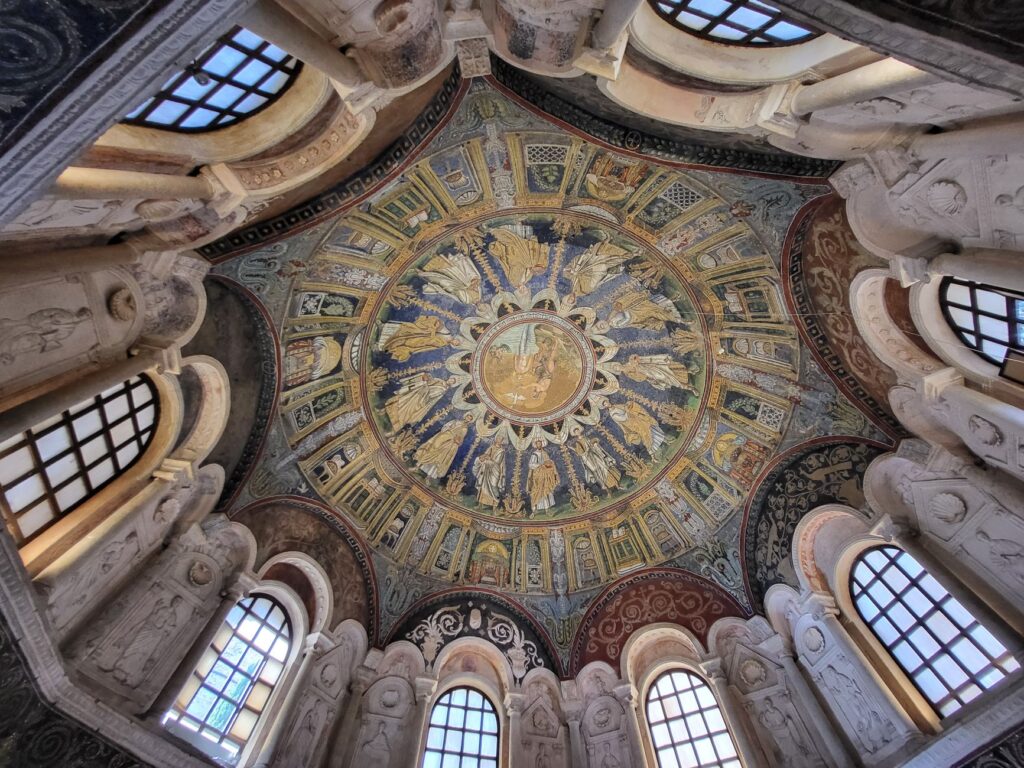
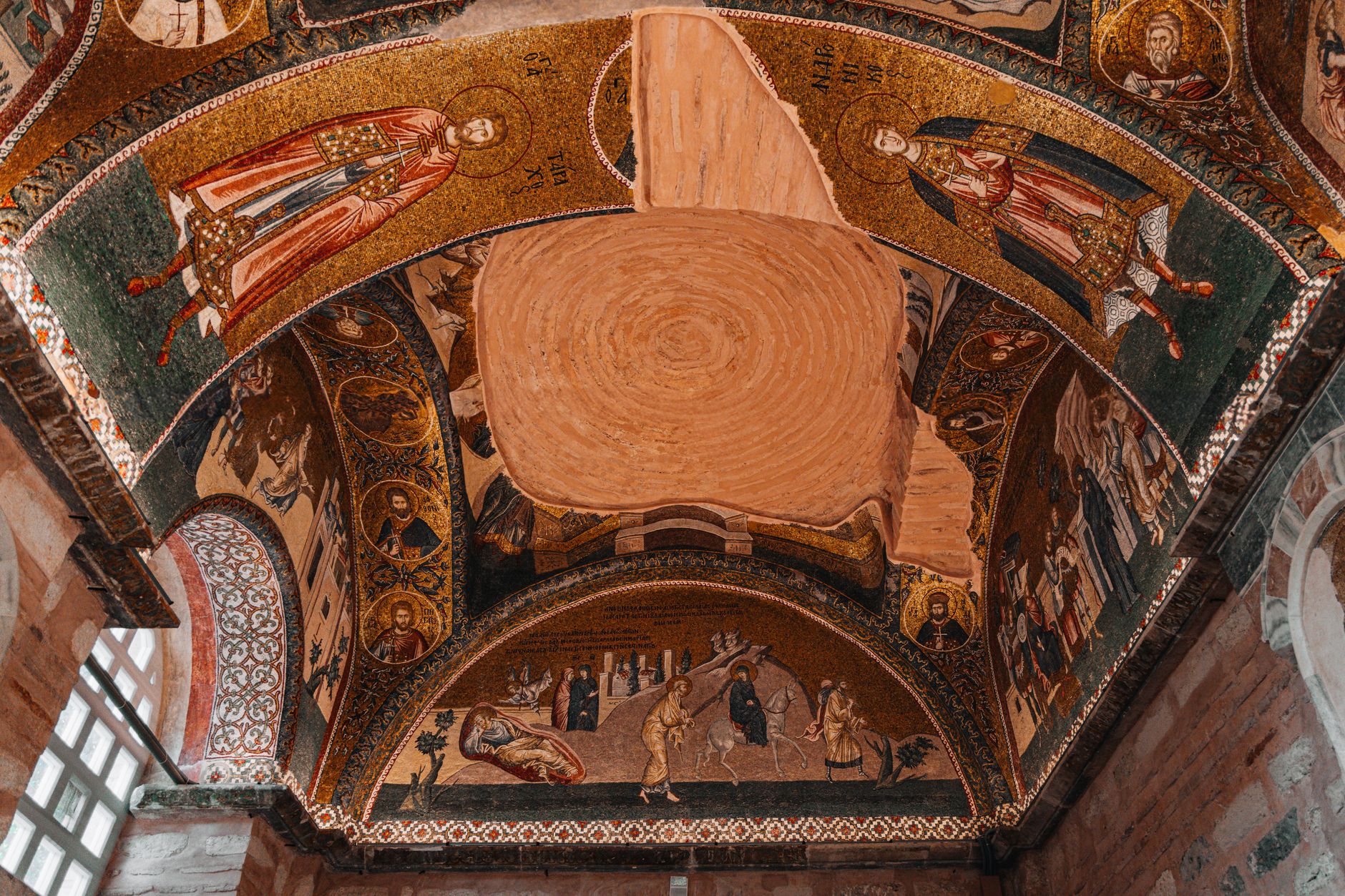
What truly distinguishes this school is the production of enamelled gold. Between two ultra-thin layers of transparent glass, a pure gold leaf is sealed, a procedure requiring extreme dexterity to prevent heat from destroying the precious metal. This material, technically known as *smalto*, is the cornerstone upon which the visual magnificence of monuments like San Vitale or Sant’Apollinare Nuovo rests. Modern workshops not only supply the conservation needs of local heritage but also export these vitreous blocks to restoration studios worldwide.
The mosaic is not a static painting; it is a living organism composed of thousands of tiny mirrors breathing to the rhythm of external light.
Precision cutting defines the authentic master mosaicist. Unlike Roman floor mosaics (*opus tessellatum*), focused on solidity and flat geometry, Byzantine wall mosaics seek emotional tridimensionality. By slightly tilting the golden tesselas downward, ancient builders and modern restorers ensure that sacred or allegorical figures appear to float above an immaterial background, dissolving the physical limits of brick walls.
The Millimetric Gesture: Between Hardie and Trowel
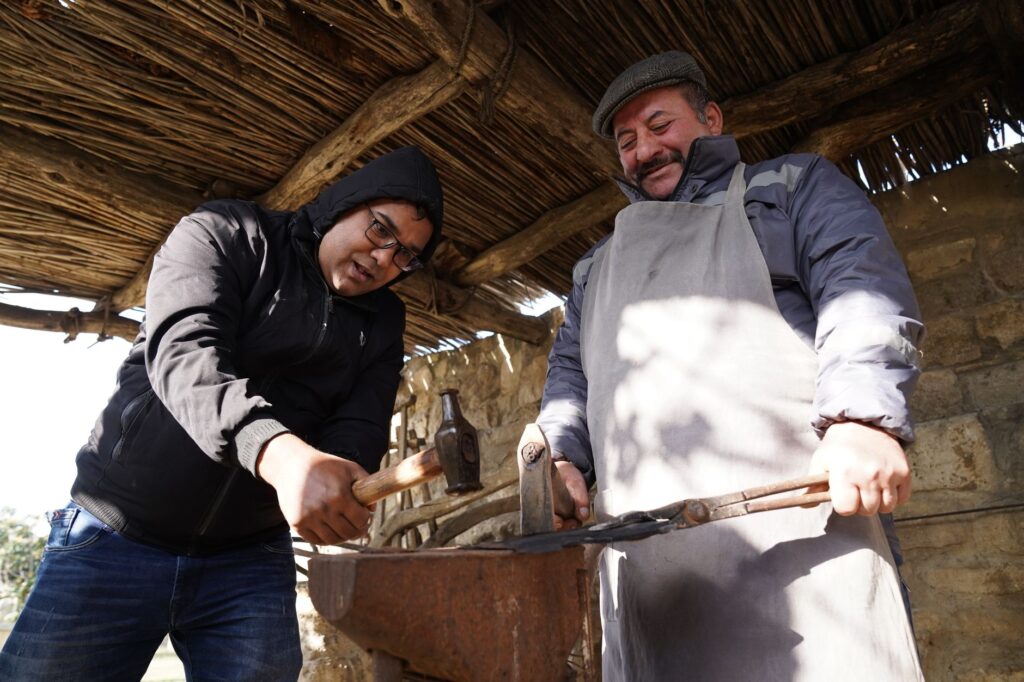
Within the historic center, small family studios and artistic cooperatives keep their doors open to visitors seeking to understand the assembly process. The rhythmic sound of the hammer striking the hardie —the small iron anvil embedded in a wooden block— sets the pace of the working day. Each tessera must be adjusted to a variable size, rarely exceeding one square centimeter, allowing faces, hands, and garments to be modeled with astonishing fluidity.
The backing support has evolved over time, though purists still advocate for the traditional method over lime and pozzolana beds. Today, workshops combine this ancestral system with fiberglass panels and special resins when commissions require portability for international exhibitions or private collections. However, the manual pictorial phase remains unaltered: the preparatory cartoon, drawn at full scale with the design lines, is transferred fragment by fragment onto the wall through intuition and decades of accumulated experience.
Restoring Eternity: The Guardians of Heritage
The conservation of Ravenna’s mosaics constitutes one of the most complex disciplines in international restoration. Humidity seepage, atmospheric pollution, and urban traffic vibrations constantly threaten the stability of these monumental complexes. Local institutions, in collaboration with the Superintendence of Archaeology, Fine Arts and Landscape, have developed non-intrusive intervention protocols that consolidate the original mortar without altering the visible surface.
Modern restorers act as art surgeons. Through micro-injections of hydraulic lime and reversible acrylic resins, they restore cohesion to detached internal strata. This invisible yet crucial work is carried out scaffold by scaffold, just centimeters away from the original tesselas, allowing specialists to converse directly with the hands of the artists who raised these temples more than fifteen centuries ago. It is an act of profound intellectual and technical humility.
The Mosaic Vanguard: Contemporary Art and Design
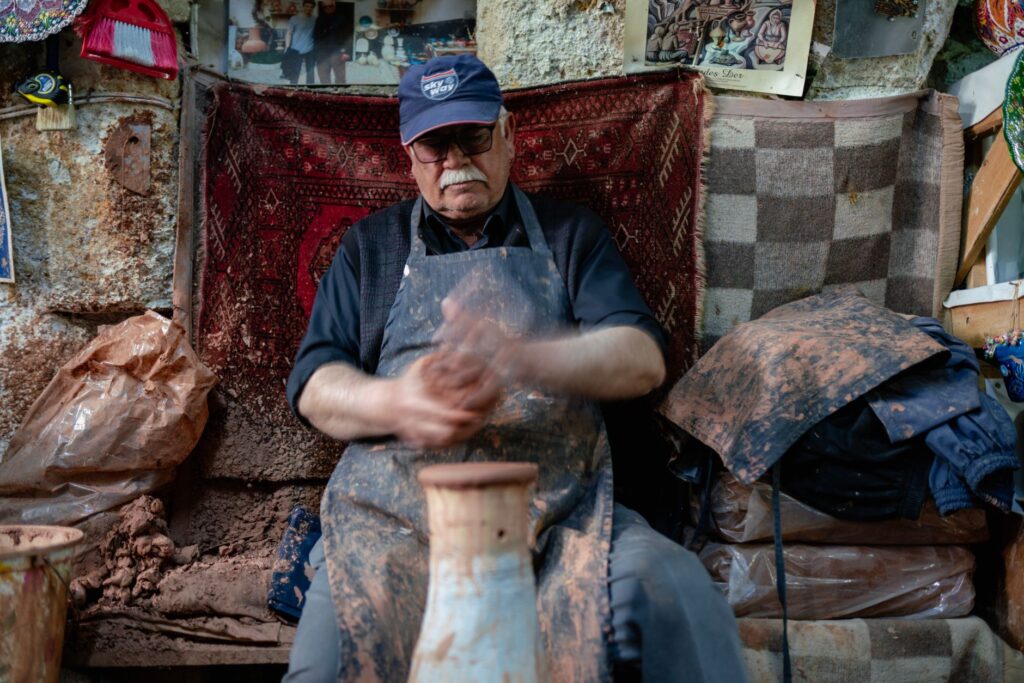
Far from being trapped in the circuit of sacred archaeology, Ravenna’s mosaic currently experiences a fascinating period of conceptual renewal. Industrial designers, interior architects, and contemporary visual artists visit local workshops to commission mural installations that reinterpret Byzantine codes through an abstract and minimalist lens.
This symbiosis between Greco-Latin tradition and modern aesthetics has given rise to high-profile international collaborations. Tesselas made of exotic marbles, high-temperature ceramics, and even recycled metals are employed, demonstrating that the visual grammar of mosaic possesses infinite flexibility. Temporary exhibitions hosted at the MAR Museum in Ravenna serve as showcases for these avant-garde pieces, evidencing that the craft enjoys enviable creative health.
The future of a millimetric craft does not lie in the museum-like repetition of past formulas, but in its capacity to engage with the aesthetic problems of the present.
The city’s educational workshops attract young creators every year from Japan, the United States, and various European countries, eager to master a technical domain requiring monastic patience. This generational transmission ensures that the chain of knowledge remains unbroken, making Ravenna an undisputed global benchmark for higher education in applied arts and monumental conservation.
Practical guide
How to get there: Ravenna is well-connected by rail with Bologna (about 80 minutes by regional train) and Ferrara. Bologna Guglielmo Marconi Airport (BLQ) is the primary air entry gate for international travelers.
When to visit: The spring months (April to June) and autumn (September to November) offer ideal temperatures to tour the monumental heritage on foot, avoiding summer crowding.
Where to stay: The historic center hosts small boutique hotels housed in rehabilitated Renaissance palazzos, as well as charming accommodations linked to former convents.
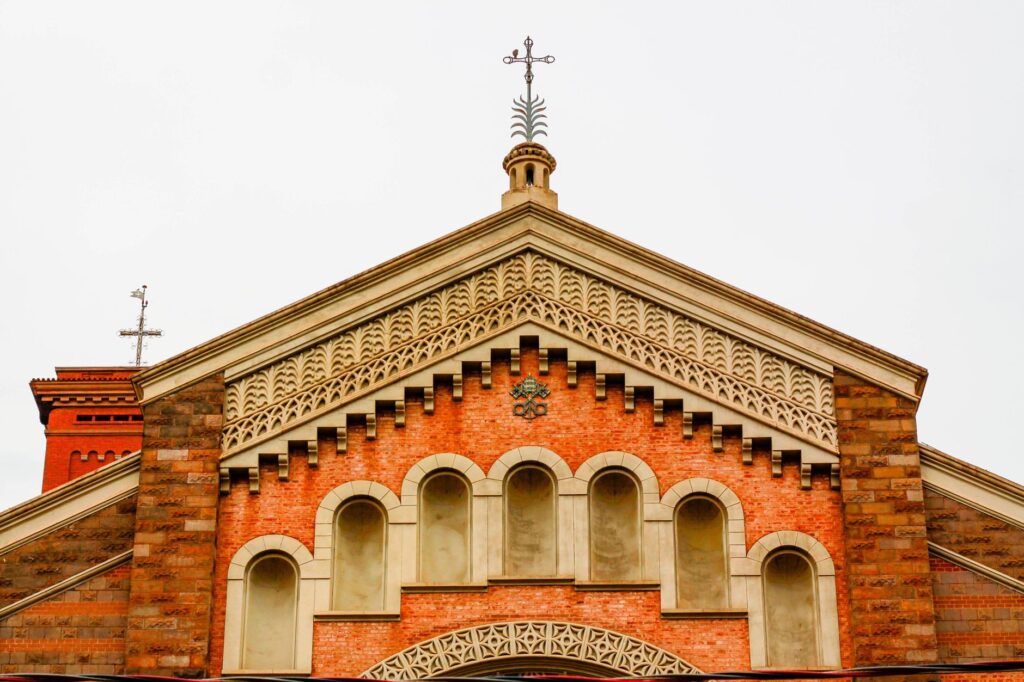
Recommended circuits: Purchasing the combined ticket that includes the Basilica of San Vitale, the Mausoleum of Galla Placidia, the Neonian Baptistery, and Sant’Apollinare Nuovo is essential. Allocating at least three full days is strongly advised.
Workshop visits: Several traditional workshops in the old quarter allow free access or visits by appointment to observe masters cutting tesselas and explaining the enamelled gold technique.
Local gastronomy: Romagna cuisine offers excellent options to regain energy after cultural walks, highlighting artisanal piadinas, cappelletti in broth, and local red wines such as Sangiovese di Romagna.
Background reading: To deepen understanding of the area’s artistic history, monographs published by the municipality of Ravenna and catalogs from the city’s Art Museum constitute indispensable reference tools before starting the journey.
As evening falls, when tour buses leave the San Vitale precinct and sunset light pierces the alabaster mullioned windows, Ravenna recovers its secret pulse. In that moment of cathedral silence, the traveler understands that the mosaic is not merely an archaeological vestige, but a way of understanding human permanence against the inexorable passage of time. The golden tesselas, ignited by the final solar flash, continue narrating the same story of beauty and resistance that captivated ancient emperors, proving that true culture never dims, but patiently awaits discovery by those who know how to look with an attentive soul.