
Introduction to the Carpathian Sanctuaries
In the heart of central Transylvania, where the peaks of the Carpathian Mountains merge with dense, ancient forests, the architecture of wellness has adopted a form as discreet as it is efficient. Far from the overcrowded thermal complexes of Western Europe, the valleys of Hargita and surrounding enclaves preserve a hydrotherapy tradition rooted in the use of natural mineral springs and the thermal insulation provided by local timber. This approach to rest does not respond to fleeting trends, but to a historical necessity of survival and adaptation to a rigorous climate. The combination of sulfureous vapors, mofette emissions, and red spruce structures configures a health ecosystem unique on the continent.
Analyzing this territory involves delving into a geography where human intervention has been carried out with utmost respect for the forest environment. The bath cabins, constructed using traditional joinery techniques without metal nails, harness the natural slope of the terrain to channel hot water directly from underground springs into basins carved into rock or sculpted from centenarian trunks. This balance between geology and carpentry defines an architectural typology that prioritizes introspection and silence, turning each vapor session into an exercise in sensory detachment and physical regeneration rigorously integrated into the mountainous landscape.
The Geology of Water: Springs and Mofettes
The subsoil of the Eastern Carpathians features intense extinct volcanic activity that constantly releases concentrations of carbon dioxide and essential minerals. Unlike conventional thermal baths where heat comes exclusively from deep aquifers, here water and gases ascend through tectonic faults rich in sulfur, bicarbonate, and magnesium. These mineral-medicinal properties have been studied scientifically for decades, proving their efficacy in relaxing the nervous system and improving peripheral circulation. Mofettes—dry emissions of carbon dioxide gas—complement the hydrothermal cycle, offering potent respiratory and vascular therapy within small wooden structures open at ground level.
Managing these resources requires empirical knowledge passed down through generations by local artisans. There are no grand modern hydraulic engineering works, but rather a system of stone and timber channels that diverts the exact volume needed to maintain optimal temperature in each basin without altering the natural flow of the springs. This millimetric interaction prevents aquifer depletion and ensures the water retains its organoleptic properties intact upon skin contact. The result is a sustainable wellness model that anticipates the principles of contemporary bioclimatic architecture.
Vernacular Architecture: The Art of Standing Timber
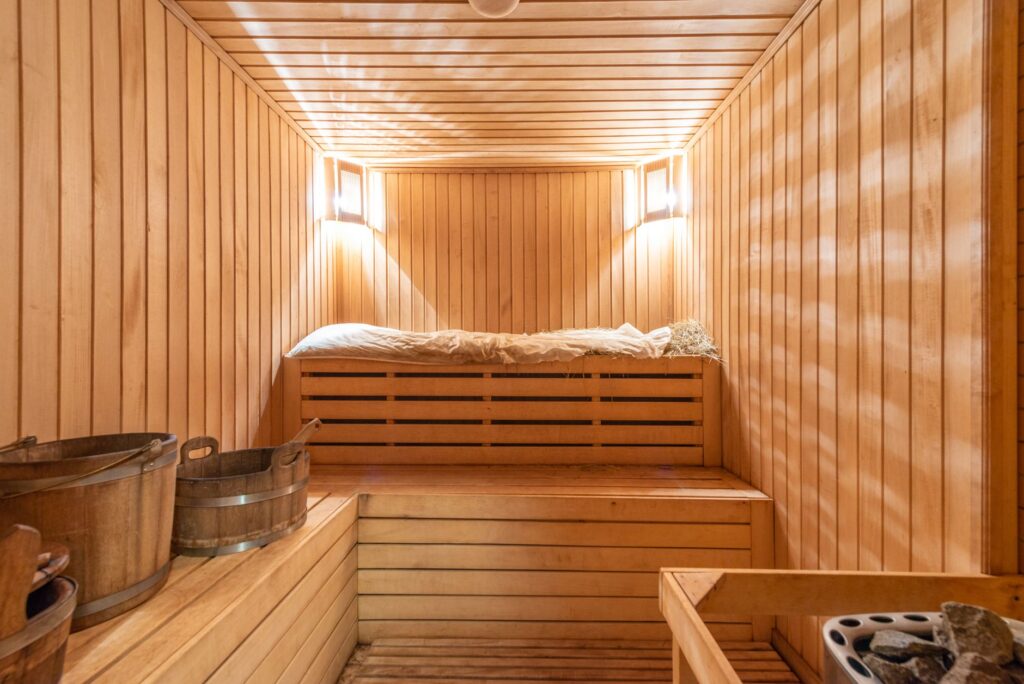
The materiality of these sanctuaries relies almost entirely on native red spruce and local oak. The region’s master carpenters employ dovetail joinery and cross-notched systems, allowing the wood to breathe and expand with the constant humidity of the thermal vapors. Interior walls, darkened by smoke from old stone stoves and prolonged contact with essential pine resins, emit a characteristic aroma that acts as an initial natural sedative before immersion in the water. Each building features steeply pitched gable roofs, originally designed to support heavy winter snow loads and channel condensation without dripping onto bathers.
This construction rigor extends to the spatial layout of the enclosures. Rest areas are strategically oriented toward river valleys to capture the final rays of the afternoon sun, while steam rooms are located on the flanks most sheltered from the wind. The absence of metallic elements prevents corrosion caused by sulfurous minerals, ensuring exceptional structural durability. Living wood acts as a natural thermal regulator, absorbing excess environmental heat and returning it gradually, generating an enveloping atmosphere devoid of the aggressiveness typical of tile and concrete facilities.
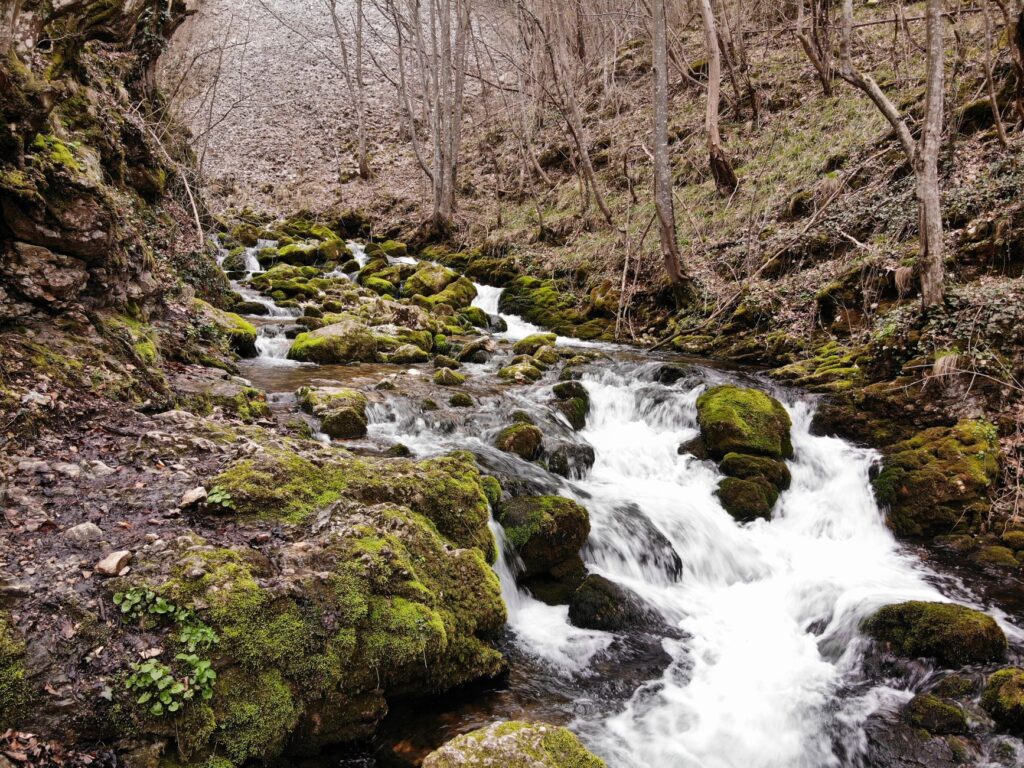
The true luxury in the Carpathians lies not in ostentatious finishes, but in the purity of the air, the absolute silence of the forest, and direct contact with water that has gushed from the bowels of the earth for millennia.
Heat Rituals: The Transylvanian Protocol
Access to these traditional steam baths follows a strict order that prioritizes the progressive acclimatization of the organism. Visitors begin with a brief stay in the wet steam rooms, where temperatures range between forty and forty-five degrees Celsius, enriched with infusions of wild herbs such as mountain mint and arnica flower. This first stage is followed by a controlled immersion in cold mineral water basins, captured directly from surrounding snowmelt streams. This thermal contrast, far from being a mere physical challenge, stimulates the immune system and induces a profound sense of bodily lightness.
Following the heat and cold cycle, the protocol requires a period of absolute rest in rooms lined with wool and felt, where visitors wrap themselves in hand-woven blankets made from local sheep’s wool. During this relaxation phase, heart rates decelerate noticeably while listening to the distant murmur of wind through the spruce trees. Digital disconnection is absolute within these enclosures, as the density of the wooden walls and remote geographical location block any mobile phone signal, forcing travelers to inhabit the present moment inextricably.
Wellness and Health: Clinical Evidence in the Carpathians
The prestige of these thermal centers transcends purely recreational realms, backed by the Romanian medical community, which has documented the therapeutic benefits of these waters since the 19th century. Rheumatology and physical medicine specialists regularly refer patients with chronic joint ailments and severe oxidative stress to these isolated valleys. The combination of moderate atmospheric pressure from the middle mountains with transcutaneously absorbed minerals measurably reduces inflammatory markers after stays as brief as four days.
Likewise, continuous inhalation of sulfur-rich vapors demonstrates notable efficacy in recovering from respiratory conditions derived from urban pollution. Centers combine these passive therapies with low-intensity Nordic walking programs along forest trails designed to activate the cardiovascular system without placing excessive impact on joints. The synergy between gentle aerobic exercise and mineral hydrotherapy constitutes the core of a preventative health model prioritizing active longevity over mere symptomatic cures.

Gastronomy and Nutrition in the Thermal Valleys
The restoration of physical equilibrium is completed through territorial cuisine deeply rooted in seasonal produce and alpine larder. In small gazebos attached to the baths, menus are structured around concentrated bone broths, wild mushrooms foraged in nearby beech forests, raw sheep’s milk cheeses aged in natural caves, and sourdough breads baked in wood-fired hearths. This diet, rich in high-bioavailability proteins and healthy fats, avoids refined sugars and ultra-processed ingredients, harmoniously accompanying the internal cleansing process initiated in the thermal waters.
Local chefs pay special attention to infusions and ferments, utilizing juniper berries, rose hips, and bitter roots that stimulate liver and digestive function. Each dish is served with the conviction that food is the direct extension of the surrounding nature. The absence of culinary artifice allows diners to appreciate the genuine flavor of raw ingredients grown in virgin volcanic soils, closing a circle of wellness that encompasses both external care and deep cellular nutrition.
Eating in the Carpathians transcends the biological act of feeding; it is an exercise in communion with a landscape that nourishes the body with the same honesty with which it offers its waters and forests.
Sustainability and Preservation of Thermal Heritage
The rise of global wellness tourism poses significant challenges for these enclaves, hitherto untouched by mass tourism. Local communities, organized into forestry and water management cooperatives, have promoted strict regulations to limit daily visitor numbers and ban the construction of large hotel infrastructures in spring recharge zones. The absolute priority is to maintain human scale and ecological integrity in the valley, preventing real estate speculation from distorting a heritage accumulated over centuries.
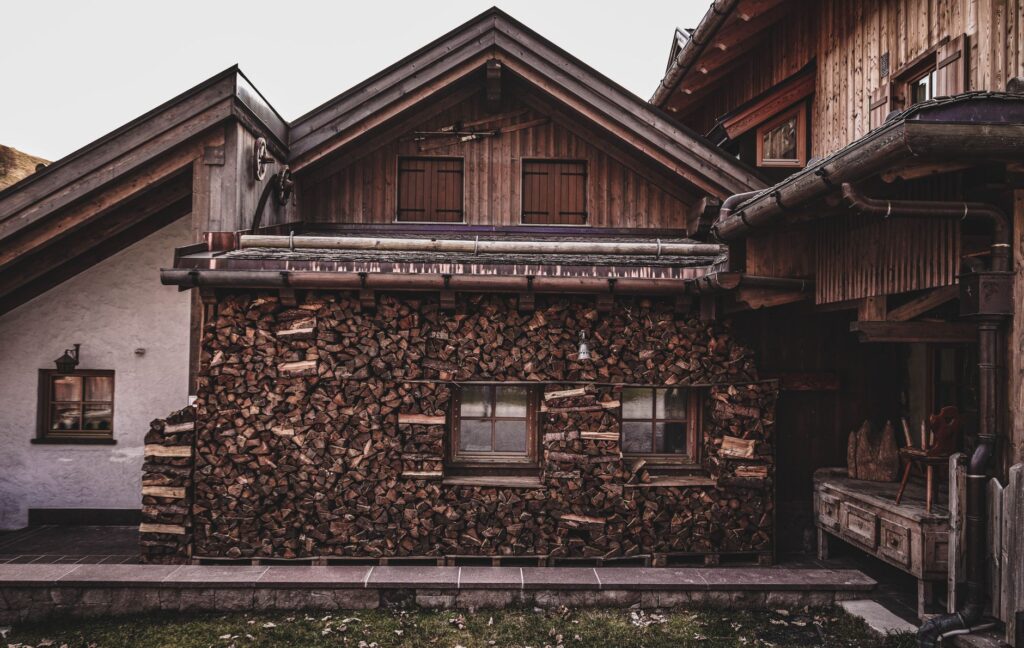
This commitment to sustainability is also reflected in the maintenance of existing infrastructures through bio-construction techniques and the use of solar thermal energy for auxiliary hot water supply during harsh winter months. Activity revenues are directly reinvested in preserving communal forests and training new artisans capable of repairing wooden structures without altering their original design. Thus, the Carpathians demonstrate that regenerative tourism is possible, where visitors leave no destructive footprint and actively contribute to ecosystem survival.
Practical guide
How to get there: The main access to the Eastern Carpathian thermal region is through Cluj-Napoca or Sibiu international airports, from where renting a four-wheel-drive vehicle is necessary to navigate the final stretches of secondary mountain roads.
Best time to visit: Autumn months (September to November) and deep winter (January to March) offer the most authentic experience, combining extreme thermal contrasts of outside air with the enveloping warmth of the springs.
Recommended luggage: Merino wool thermal clothing, waterproof footwear with high-traction soles for forest trails, quick-drying linen towels, and a light technical daypack for daytime hikes.
Etiquette rules: Strict silence is maintained in traditional wooden baths. Electronic devices are prohibited, and personal introspection is encouraged throughout the ritual.
The Echo of the Forest on the Skin
When the session concludes and the final amber glints filter through the crowns of centenarian spruce trees, the body experiences a subtle transformation extending far beyond mere muscular relaxation. The skin, purified by minerals and dense vapor, seems to breathe in unison with the living wood of the walls. In this secluded corner of the Carpathians, time is no longer measured in minutes and instead calculated by the leisurely rhythm of water dripping onto ancient stone. Travelers depart the sanctuary with the certainty of having recovered something essential: the capacity to hear their own heartbeat in absolute harmony with the earth.