
Beyond summer and winter: the reinvention of the calendar
For decades, tourism in Argentina has behaved like a strict pendulum. On one hand, the snowy peaks of the Andes and ski resorts attracted crowds eager for winter sports during the coldest months; on the other, Atlantic beaches and Patagonian lakes concentrated summer fervor. In between, the so-called shoulder months—the transitional periods between seasons—typically translated into closed shutters, half-empty hotels, and a marked contraction in the economic activity of numerous local communities. However, the national tourism sector has begun shifting toward a new paradigm to combat this endemic seasonality that heavily penalizes employment and regional infrastructure.
The answer to this structural challenge lies not in conventional advertising campaigns, but in the consolidation of sports tourism. Across the length and breadth of the Argentine territory, from the arid valleys of the northwest to the southernmost reaches of Tierra del Fuego, the agenda of athletic competitions, adventure races, international tournaments, and high-endurance events has multiplied exponentially. This transformation reflects a precise reading of the contemporary traveler’s habits, an increasingly active segment that seeks to combine vacation leisure with personal growth, direct contact with imposing geographies, and immersion in local culture.
The invisible engine of regional economies
When an international marathon, a round of the world rally circuit, or a mountain biking expedition settles in a medium-scale town, the economic impact operates immediately and cross-sectionally. Unlike the traditional leisure tourist, the sports visitor tends to travel accompanied, prolongs their stay to conduct prior terrain reconnaissance, and demands specialized services ranging from kinesiology to specific sports nutrition. This influx of visitors invigorates the value chain comprehensively, benefiting not only formal hospitality but also local gastronomy, transport, retail commerce, and technical service providers.
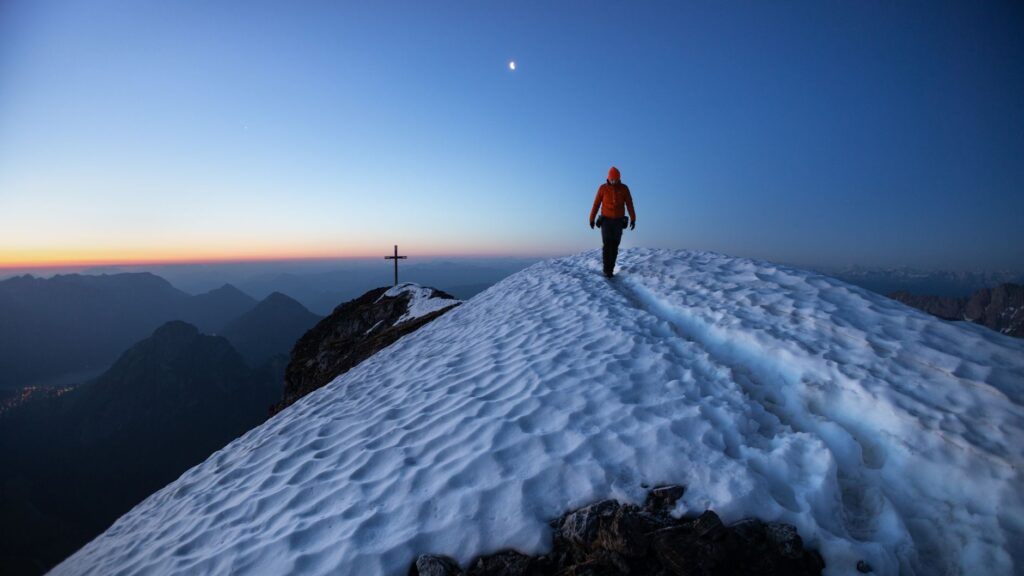
Sports tourism acts as an economic catalyst that redistributes wealth beyond traditional urban circuits and the months of greatest climatic bonanza.
Business chambers and provincial tourism secretaries have taken note of this phenomenon, articulating calendars that guarantee stable hotel occupancy during months traditionally considered low season. This strategy requires fine coordination between the public sector—responsible for urban infrastructure and road safety—and private organizers, who provide technical rigor and international drawing power. Thus, small towns that once depended exclusively on two summer months now manage to keep their doors open, retain their skilled workforces, and amortize infrastructure investments twelve months a year.
Extreme territories as stages for self-improvement
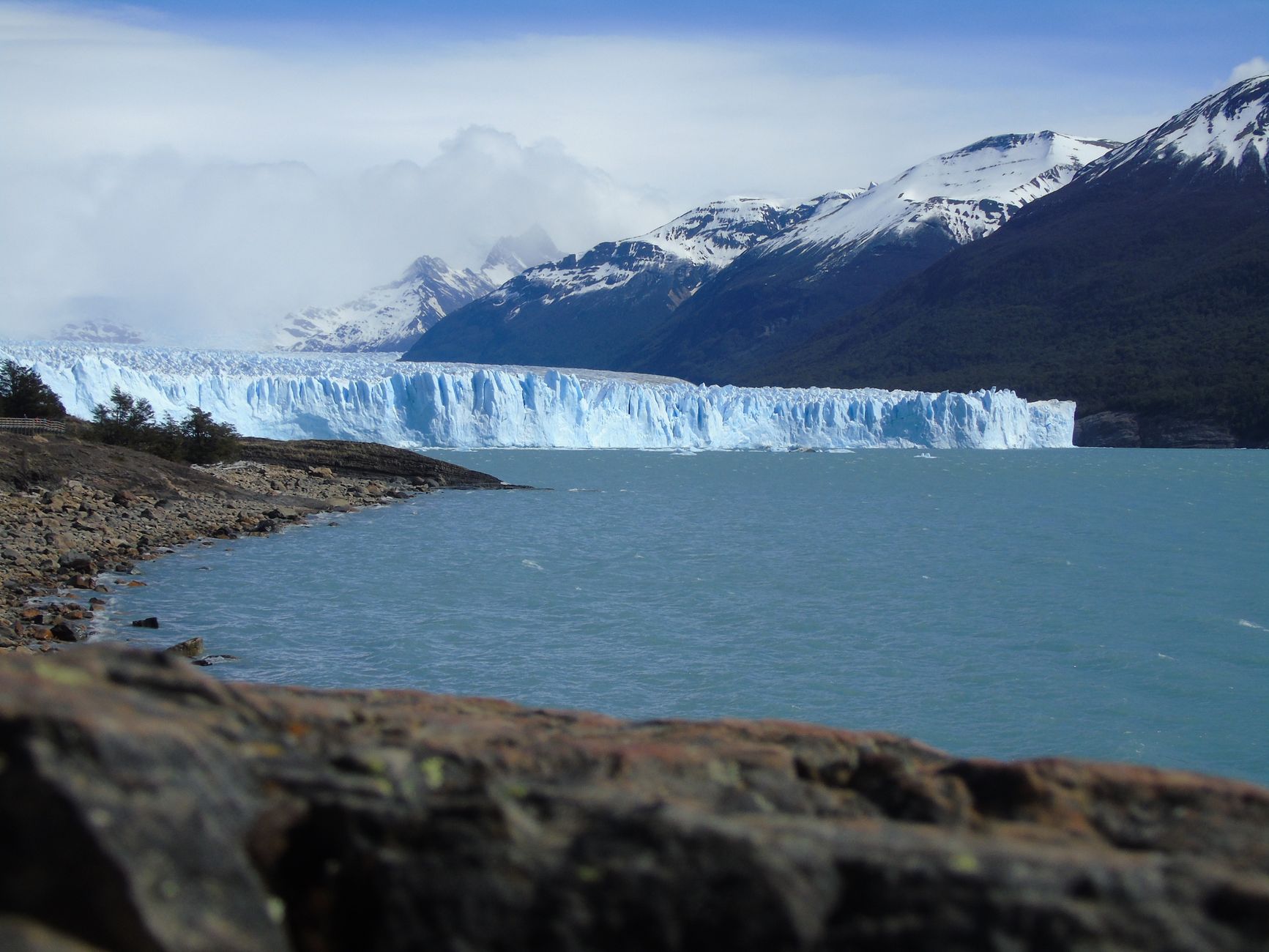
Argentina’s geography, characterized by its vast diversity of reliefs and microclimates, offers an unmatched stage for sporting events that border on the epic. From demanding mountain stages in the Mendoza foothills to the relentless winds of the Patagonian steppe, organizers have successfully capitalized on the harshness of the natural environment to turn it into the primary attraction of competitions. Participating in a trail running race at the end of the world or cycling over three thousand meters above sea level represents for athletes worldwide a challenge of self-discovery that transcends the mere stopwatch result.
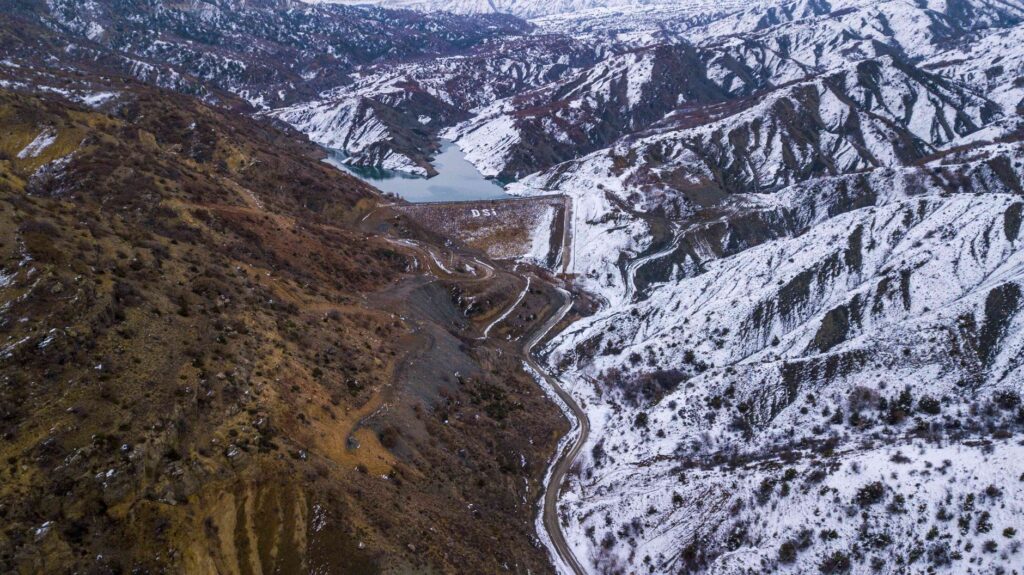
This type of proposal nevertheless demands complex logistical planning and deep respect for the fragile ecosystems where events take place. Current environmental regulations force event promoters to implement strict cleanup protocols, map routes avoiding nesting areas or protected flora, and limit participant quotas to mitigate soil erosion. The sustainability of the model rests precisely on preserving what motivates the trip: pristine landscapes, pure air, and the sensation of pure adventure.
Diversification as a tool for resilience
Faced with macroeconomic volatility and fluctuations in the purchasing power of domestic tourism, the arrival of foreign athletes has become a valuable financial cushion. Competitors arriving from Europe, North America, and neighboring countries inject fresh currency that invigorates the domestic market and revalues local currency in regional economies. This diversification of demand reduces dependence on seasonal swings and grants greater predictability to service providers who historically operated under vulnerable conditions.
Likewise, sports tourism generates a highly desired collateral effect: visitor loyalty. Those who arrive in a region motivated by a competition often return in the future with their families, free from training pressures, to enjoy tourist attractions more leisurely. This builds a virtuous circle of organic promotion, where word of mouth and the athletes’ own social networks act as the best international calling card for destinations that previously went unnoticed on global maps.
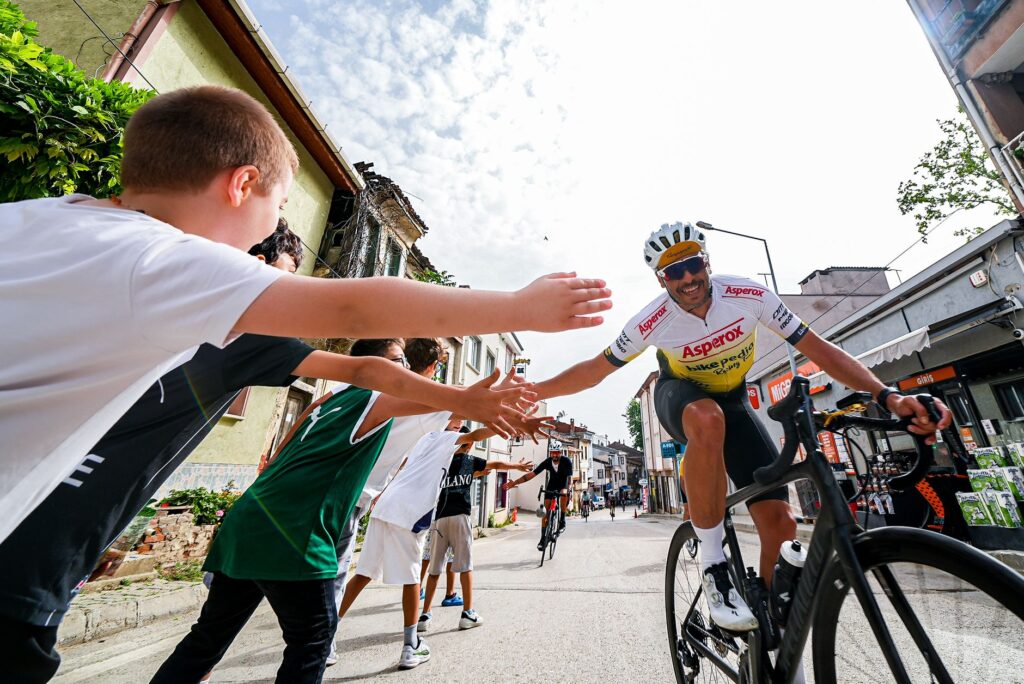
The community factor: when the town greets the athlete
Beyond medals, finish times, and logistical complexity, the true success of these initiatives lies in integration with host communities. In numerous towns across rural Argentina, holding a sporting event has transformed into a civic festivity where residents take to the streets to cheer runners, set up self-managed hydration stations, and open their homes to welcome visitors. This human warmth leaves an indelible mark on competitors and enriches the travel experience in a way no mass-service provider can replicate.
This interaction fosters a deep sense of local pride. Young people in rural communities closely observe elite athletes from diverse latitudes, stimulating internal sports practice and generating new vocations tied to tourism management, hospitality, and event organization. Sport thus becomes a tool for social cohesion and a bridge for cultural exchange that invigorates community life during months when silence typically takes over rural landscapes.
Infrastructure and connectivity: pending challenges
Despite the enthusiasm and commercial success of numerous gatherings, the sector faces considerable structural challenges. Road and air connectivity to the country’s most remote points continues to be an operational limitation that increases travel costs and hinders the mass arrival of teams and spectators. Similarly, accommodation capacity in low-density demographic destinations requires constant investment to guarantee comfort standards suited to contemporary tourism demands, especially regarding digital connectivity and technical support services.
The sustained development of sports tourism demands a long-term strategic alliance guaranteeing both the improvement of basic infrastructure and the environmental preservation of natural settings.
National and provincial authorities continually evaluate new fiscal and credit incentive mechanisms to facilitate the modernization of tourist facilities in these lower relative development zones. The goal is to consolidate a federal network of events maintaining constant rotation throughout the year, avoiding date overlapping and allowing operators to optimize human and material resources efficiently.
Practical guide
How to plan a sports trip through Argentina:
- Annual calendar: Check official provincial tourism secretarial websites to identify competition dates well in advance, as hotel availability in small destinations tends to sell out quickly.
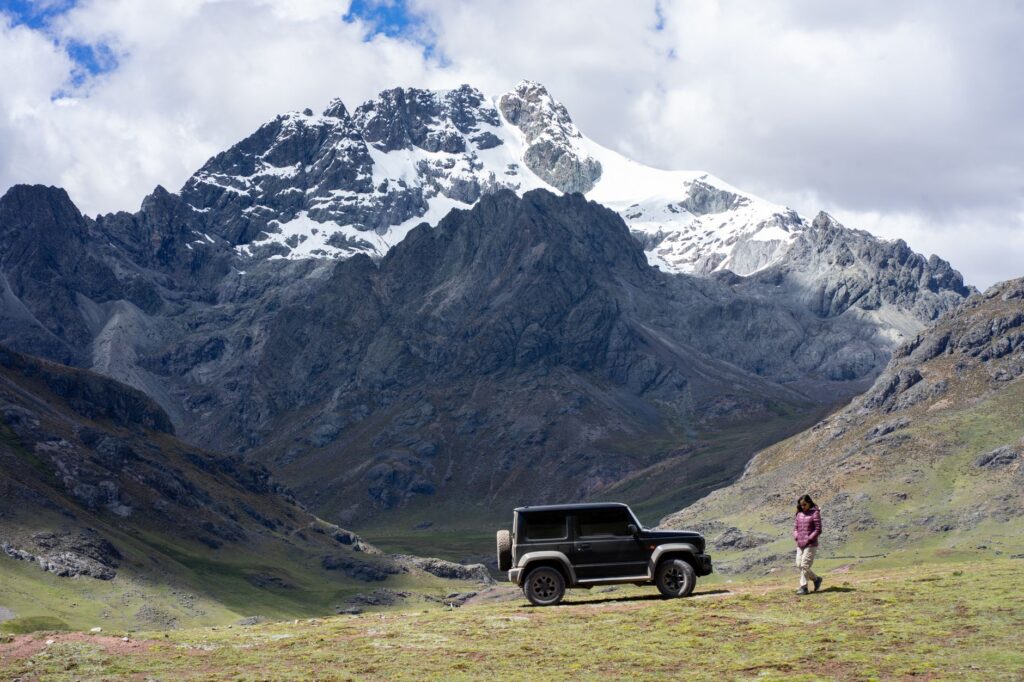
- Logistics and transport: Consider renting all-terrain vehicles if participating in or attending events located in mountainous or steppe zones that are difficult to access via regular public transport.
- Physical preparation and acclimatization: Allow at least forty-eight hours of prior acclimatization in high-altitude destinations (such as the northwest or Cuyo) before undergoing intense physical exertion.
- Insurance and medical assistance: Purchase travel policies that include specific coverage for adventure sports and rescue in remote areas.
- Environmental regulations: Strictly follow organizers’ instructions regarding waste management and the prohibition of traveling outside marked trails.
The final heartbeat of the route
As evening falls, when the last rays of sun retreat from the peaks and silence reclaims its dominion over the valley, the certainty remains that movement never ceases. In every trail traversed, in every town waking up out of season, and in every face weathered by the Patagonian wind, Argentina proves that its geography is not a static backdrop, but a living organism beating to the rhythm of those who dare to challenge it. Sports tourism is not merely an economic life raft against seasonality; it is, above all, a new way of inhabiting the territory, an open window to human encounter, and a constant promise that the journey, much like the road, never truly ends.
Source in EN: Reportur (Argentina: with sports tourism they hope to combat seasonality).