
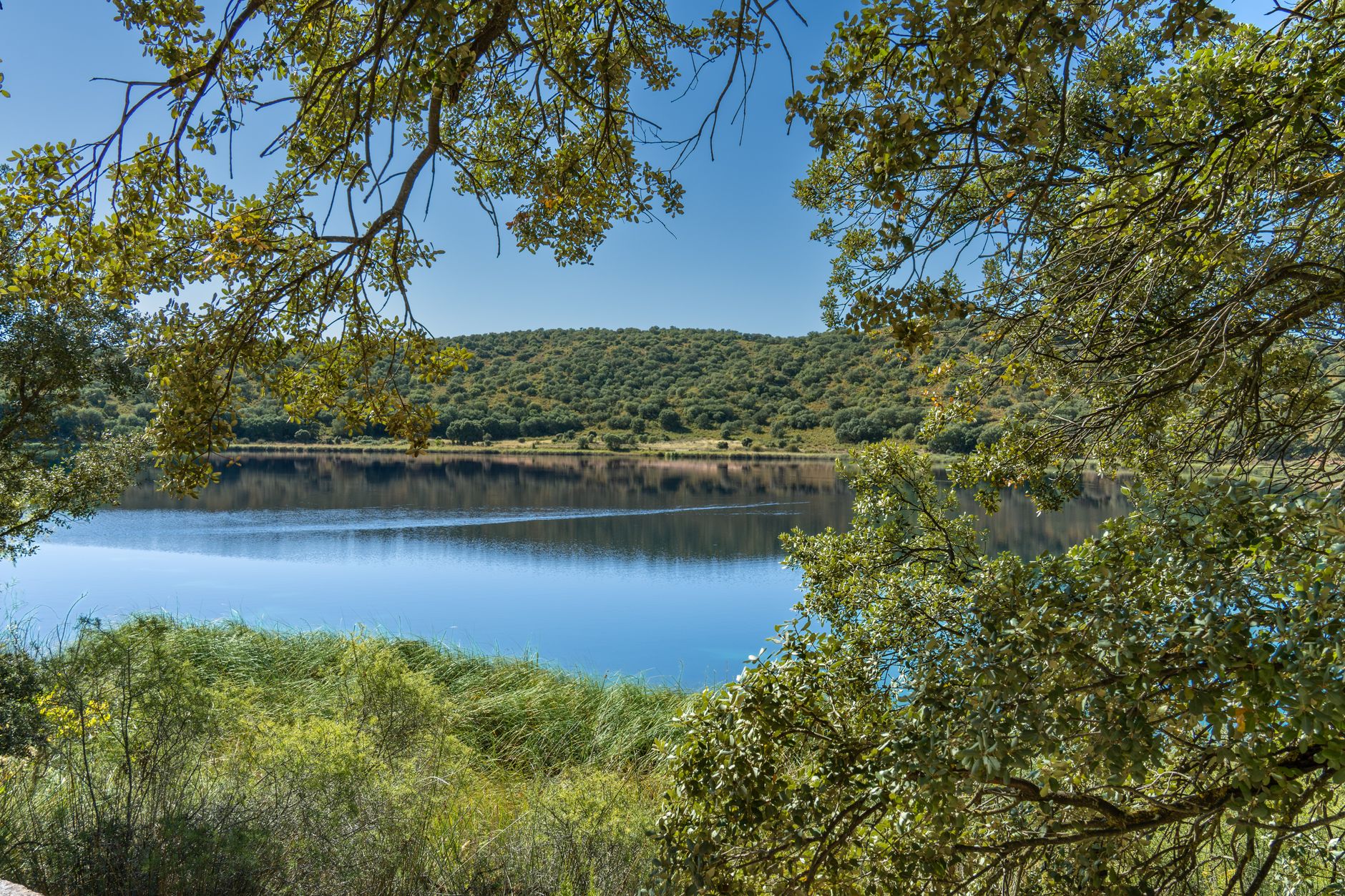

The horizon of the Ria Formosa, located at the southernmost tip of Portugal, is composed of a shifting labyrinth of tidal channels, golden sandbanks, and salt lagoons that act as the primary natural and ecological barrier against the Atlantic Ocean. For decades, the pressures of mass summer tourism and conventional road traffic threatened to fragment this fragile coastal ecosystem, congesting the access routes between Faro, Olhão, and Tavira. Today, however, the region is leading a model transformation in sustainable mobility, demonstrating that it is possible to structure an amphibious territory without disrupting its natural dynamics.
The key to this metamorphosis lies in the integration of low-emission transport networks connecting traditional fishing communities with the estuary’s insular enclaves. Thanks to a coordinated strategy among Algarve municipalities, the Portuguese Environment Agency, and local operators, river and land transport have largely abandoned fossil fuels in favor of electric and solar traction. This report examines how green technology and territorial planning have united to redefine the travel experience in one of southern Europe’s most valuable wetlands.
Decarbonizing the Channels: The Rise of Solar Navigation
The heart of the Ria Formosa beats to the rhythm of its tides, a constant flow that for generations demanded the use of loud, polluting combustion vessels. The gradual introduction of solar-powered catamarans has completely altered this acoustic and environmental paradigm. These silent ships, specifically designed to navigate shallow waters without eroding seagrass meadows, daily transport residents and visitors between mainland ports and the islands of Culatra, Armona, and Tavira.

The transition toward clean nautical transport is not merely aesthetic; it responds to strict scientific requirements aimed at protecting aquatic birdlife and seahorse populations. Local captains, many of them descendants of traditional shellfishing families, operate these vessels with photovoltaic panels integrated into their upper decks. This infrastructure stores daytime solar energy to keep fleets operational even during lower-insolation night sailings, ensuring uninterrupted connectivity that respects the estuary’s biological cycle.
Elevated Stilt Networks: The Soft Engineering of Raised Bike Lanes
On land, the challenge consisted of eliminating reliance on private vehicles for coastal commutes without fragmenting dune cordons or interfering with tidal flows. The institutional response has been the construction of an elevated wooden boardwalk network and integrated bike lanes skirting ancient salt pans. These structures literally float above the marshy terrain, allowing water to circulate freely underneath and minimizing the ecological footprint of cyclists and pedestrians.
Local authorities have prioritized certified timber treated without harsh chemicals, ensuring durability against the extreme salinity of the marine environment. These greenways not only function as daily arteries for local workers commuting between Olhão and Faro, but also constitute a top-tier ecotourism corridor. By removing road traffic from lagoon perimeters, noise and light pollution have been drastically reduced, encouraging the return of migratory bird species such as the greater flamingo and the little egret.

Sustainable mobility in protected areas is not about facilitating unlimited access, but about calibrating human movement so it coexists harmoniously with the heartbeat of the ecosystem.
This balance between accessibility and preservation relies on rigorous route enforcement. Informational panels distributed along the route instruct users on the importance of staying on elevated paths, reminding them that each wooden boardwalk acts as a containment dike against human erosion of the clay soil. The participation of fishermen’s guilds in maintaining these infrastructures ensures effective community surveillance rooted deeply in the territory.
Intermodality as a Vector for Insular Cohesion
Connecting a barrier archipelago to the mainland demands more than good intentions: it requires millimetric synchronization among low-emission buses, shared bike stations, and electric ferries. At the port of Olhão, a recently inaugurated intermodal hub allows travelers to park vehicles in peripheral park-and-ride lots, access electric public transit, and immediately board ferries toward inhabited islands without downtime.
This integrated digital ticketing system has greatly streamlined insular logistics, traditionally plagued by administrative fragmentation among municipal councils. Data collected by port authorities indicate a thirty-percent drop in private car usage during peak summer months, mitigating habitual traffic bottlenecks near pier access points. Mobility thus ceases to be a source of environmental friction and becomes the thread uniting local economies with conservation.
The Legacy of Salt and the Revival of Historic Paths
The landscape of the Ria Formosa is punctuated by ancient salt marshes that, following decades of industrial abandonment, threatened to become anoxic zones. Their recovery has gone hand in hand with the rehabilitation of service paths once used by salt workers. Today, these compacted earth and crushed-shell trails have been integrated into the non-motorized route network, allowing visitors to explore on foot or mountain bike the exact boundaries where human labor historically shaped the terrain.

The revival of industrial salt heritage provides invaluable pedagogical value to the fabric of regional mobility. Visitors not only traverse a protected natural space but also discover the vernacular architecture of old salt warehouses, now transformed into environmental interpretation centers or artisanal workshops. This integration of mobility, history, and ethnography prevents tourism from becoming a decontextualized activity, anchoring every journey in the living memory of riparian communities.
Economic Challenges and Resilience Against Climate Change
Despite clear progress, the transition toward a fully sustainable transport model in the Ria Formosa faces complex structural challenges. Rising sea levels and the increased frequency of Atlantic storms demand constant maintenance of lightweight infrastructure, especially floating docks and bike-lane segments closest to the coastline. Funding these repairs requires a steady stream of resources combining European community funds and mandatory tourist taxes.
Similarly, operators of solar ferries highlight the difficulty of acquiring specialized components for high-capacity battery maintenance, which must be imported from foreign markets. Nevertheless, political commitment remains firm, backed by socioeconomic studies demonstrating that reduced air and noise pollution increases the long-term perceived value of the destination, attracting more respectful, de-seasonalized travelers.

Investing in soft transport infrastructure in fragile coastal zones is the sole guarantee of economic viability for communities dependent on nature tourism.
This collective commitment is also reflected in the involvement of educational centers in Faro and Tavira, whose curricula incorporate practical visits to solar energy installations and local marine laboratories. Training future generations in the efficient management of coastal resources ensures that sustainability culture is not an external imposition, but an intrinsic value of Algarve identity.
Practical guide
How to get there: Faro International Airport is located less than ten kilometers from the primary transit hubs of the estuary. Faro railway station, connected to Lisbon via regional and high-speed services, offers direct access to the urban center and is a short walk from the ferry docks.
Internal mobility: Private automobiles are prohibited on the islands of the Ria Formosa (Culatra, Armona, Deserta). Insular travel is conducted exclusively on foot or via authorized bicycles. Solar ferries operate year-round from Olhão, Faro, and Fuseta, with schedules adjusted to tidal shifts.

Best time to visit: The spring months (April to June) and autumn (September to November) offer optimal temperatures for cycling tourism and birdwatching, avoiding summer overcrowding and ensuring greater availability on intermodal services.
Accommodation and services: Travelers are advised to prioritize accommodations adhering to the European Charter for Sustainable Tourism (ECST) in Tavira, Olhão, and Faro. These establishments frequently offer agreements for electric bike rentals and discounts on clean river transport fares.
Epilogue: The Golden Reflection of the Tides
As the sun begins to descend over the Atlantic horizon, painting the shallow waters of the Ria Formosa in hues ranging from deep ocher to subtle violet, human bustle subsides almost entirely. At the Olhão docks, the last passengers disembark from a solar catamaran in absolute silence, exchanging a knowing nod with fishermen preparing their nets for the night tide. There is no roar of diesel engines or shrill horns; only the rhythmic murmur of water lapping against wooden pilings and the distant flutter of birds across the mudflats. In this southern corner of the Algarve, sustainable mobility has ceased to be a mere political declaration of intent and has become a daily choreography, a tangible reminder that human progress, when allied with territorial intelligence, can preserve the fragile beauty of the landscape intact.


