
The Crossroads of Water and Territory in Southern Europe
Doñana National Park, situated in the southwestern region of the Iberian Peninsula, represents one of the most complex and fragile ecological sanctuaries on the European continent. This mosaic of marshes, dense woodlands, shifting dunes, and transitional scrublands has endured decades of severe human pressure driven by the overexploitation of subterranean water resources, surrounding intensive agriculture, and the cumulative effects of climate change. For generations, human access to this vast territory has oscillated between the necessity of studying and protecting it and the evident risk of degrading its habitats through the uncontrolled transit of combustion-engine vehicles and traditional motorboats.
Faced with this historical dilemma, environmental managers, scientists, and local communities have driven a radical transformation in interior access and mobility systems. The fundamental premise guiding this contemporary strategy is the understanding that transport within a protected natural area cannot be a mere logistical element, but rather an active tool for conservation. Consequently, the progressive replacement of polluting fleets with clean propulsion technologies and the strict demarcation of low-interference routes are redefining the balance between public enjoyment and the preservation of aquatic avifauna and terrestrial mammals.
Doñana’s complexity lies in its dynamic character. It is not a static park, but a vast wetland that breathes to the rhythm of the seasons, alternating periods of deep flooding with severe droughts that test the resilience of flora and fauna. For this reason, any intervention in its fluvial and terrestrial communication pathways requires millimeter precision regarding the terrain. Public administrations and research centers have had to coordinate to design ecological corridors and transit routes that minimize acoustic and light impacts, while simultaneously allowing visitors to comprehend the geological and biological scale of the enclave without disrupting its natural dynamics.

Floating Architecture and Zero-Emission Navigation in the Marsh
One of the most significant advancements in Doñana’s management has been the comprehensive renewal of its authorized fluvial fleet. Traditionally, navigation through the main channels and branches of the Guadalquivir River and its minor tributaries relied on vessels with high-emission diesel engines that generated significant noise and potential spill risks. Today, this landscape is being replaced by a system of barges propelled by photovoltaic solar energy and high-efficiency lithium battery storage, specifically designed to operate in shallow waters without disturbing the sediment or generating underwater noise.
These new silent vessels not only transport researchers, field technicians, and visitors on low-impact guided tours, but also operate as mobile floating laboratories. Equipped with water quality, turbidity, and temperature sensors, they gather real-time data while conducting their routine routes, optimizing monitoring efforts that previously required specific and costly campaigns. This integration of mobility and institutional or citizen science allows for the early detection of eutrophication episodes or salinity variations, offering managers precise tools to make informed decisions regarding the opening and closing of sluice gates and channels.
The naval design of these platforms adheres to strict criteria of circular economy and landscape respect. Constructed with recyclable materials and coated with non-toxic paints that prevent the accumulation of organisms without releasing harmful substances into the aquatic environment, the barges represent a perfect symbiosis between modern engineering and the region’s fluvial tradition. Local boatmen, many of them descendants of ancient fishermen and park wardens, have received specialized training in sustainable navigation, becoming key ambassadors of this model shift and active custodians of the riverbanks.

Amphibious Infrastructures and Treated Wood Boardwalks
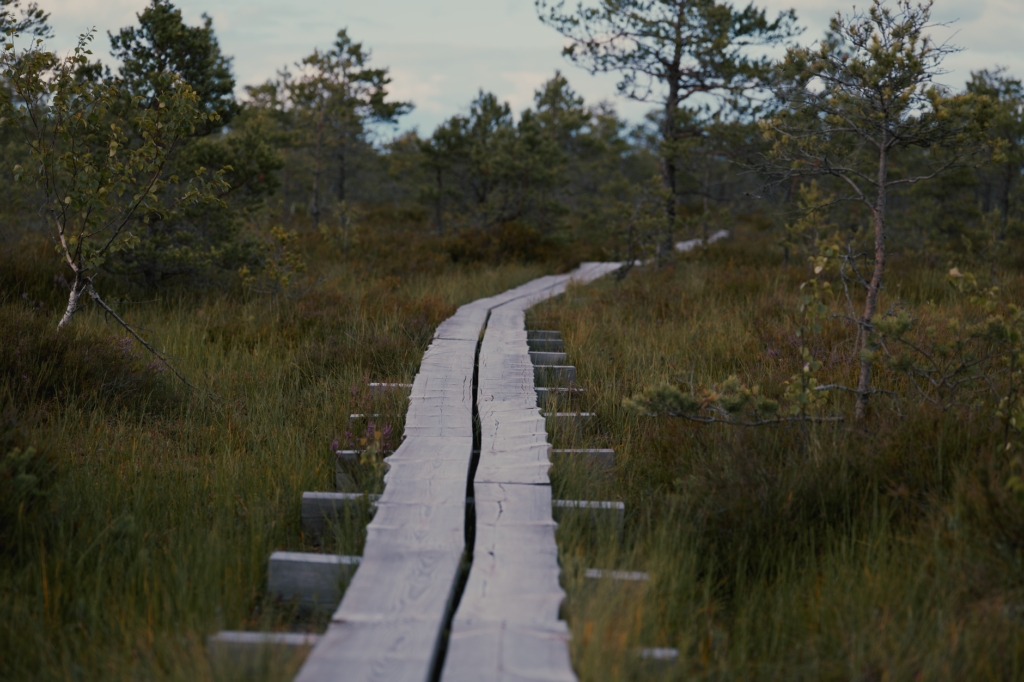
On firm ground, access to the most sensitive sectors of the marsh and dune cordons has undergone an equally profound metamorphosis. The old beaten earth tracks, which suffered severe erosion processes during torrential rains and raised dense clouds of dust in summer, have been dismantled or converted into elevated boardwalks on pilings. These certified timber walkways allow the soil and native vegetation to recover their ecological continuity, facilitating the free transit of small amphibians, reptiles, and insects beneath the pedestrian routes.
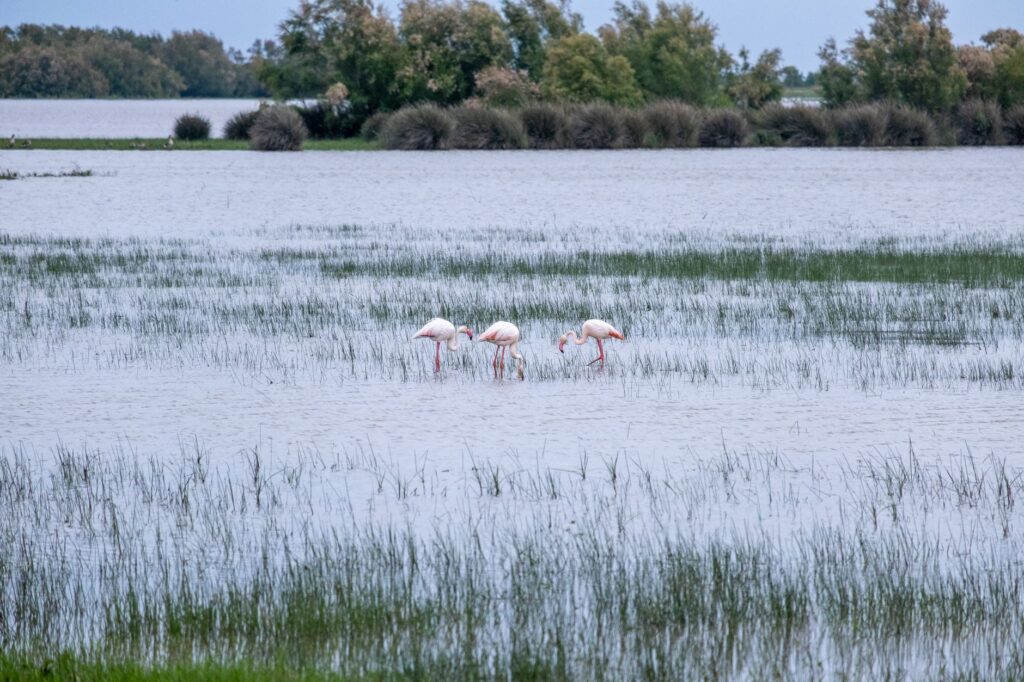
The layout of these infrastructures responds to a rigorous topographic and ecological study that avoids fragmenting natural wildlife corridors. Furthermore, informational panels made from immutable materials have been incorporated to explain the park’s ecological cycles without resorting to intrusive signage. Bird observatories situated along these routes have been redesigned with bioclimatic architecture and visual camouflage systems to prevent human presence from alarming species as sensitive as the Iberian imperial teal, the marbled duck, or large colonies of greater flamingos.
This soft mobility approach has also transformed the periphery of the park. Neighboring municipalities, such as Almonte, Bonares, Lucena del Puerto, and Sanlúcar de Barrameda, have integrated into a network of bicycle lanes and restored rural paths that connect urban centers with visitor hubs. Thus, travelers are encouraged to access the protected environment using shared electric bicycles or on foot, drastically reducing the carbon footprint associated with road transport and mitigating vehicular traffic on direct access routes to the natural area’s boundaries.
The effective conservation of an internationally important wetland does not rely on banning human access, but on radically transforming how we relate to its fragility through science and low-impact technology.
Citizen Science and Real-Time Hydrological Monitoring
The preservation of Doñana does not rest solely on administrations and park technical staff; it requires the active involvement of civil society and visitors traversing its itineraries. In recent years, citizen science programs integrated directly into sustainable transport routes have been implemented. Travelers utilizing solar barges or participating in guided hikes can collaborate in the visual recording of key species through approved mobile applications, contributing thousands of observations that complement official scientific censuses.
This constant flow of information is complemented by a network of hydrological sensors strategically distributed across the main aquifers and streams feeding the marsh. The digital connectivity of these devices allows research centers to access critical variables such as water table levels, electrical conductivity, and available flow. When data indicate extreme water stress, the park’s mobility protocols adjust automatically, restricting visitor flow in the most vulnerable zones to avoid any additional pressure on surface and subterranean water resources.
Transparency in managing this data has generated a climate of trust among conservationist sectors, academia, and local communities. Periodic reports on the marsh’s conservation status are publicly accessible via interactive digital platforms, where any citizen can verify the evolution of water levels and biodiversity response to hydrological restoration measures implemented within European and national recovery plans frameworks.
Practical guide
How to get there: The main access to the northern and eastern visitor centers of Doñana is via the A-49 highway from Seville or Huelva, turning off toward Almonte or Bollullos Par del Condado. For the southern zone, the optimal access is by ferry from Sanlúcar de Barrameda across the mouth of the Guadalquivir River.
Interior mobility: Private vehicle circulation is strictly prohibited within the national park. Movements are carried out exclusively on foot along authorized paths, on bicycles approved by the county’s municipalities, or via solar barges and official off-road vehicles authorized for guided tours.
When to go: Spring (March to May) and autumn (September to November) are the optimal periods for observing migratory birds and experiencing the marsh’s maximum hydrological expression. Summer should be avoided due to high temperatures and the elevated risk of extreme drought.
Recommended accommodations: Establishments adhering to the European Charter for Sustainable Tourism (ECST) located in surrounding towns such as El Rocío, Matalascañas, Isla Mayor, and Sanlúcar de Barrameda are prioritized, as they apply strict water-saving and energy-efficiency measures.
Code of conduct: Leaving marked trails, making loud noises, feeding wildlife, or bringing pets is strictly prohibited. Any generated waste must be returned to urban centers for proper management and recycling.
The Horizon of Water and the Memory of the Landscape
The titanic effort to restore Doñana’s hydrological and environmental balance transcends the mere application of technical regulations; it constitutes a profound exercise of collective responsibility regarding the fragility of Mediterranean ecosystems. The scars that time and overexploitation have left on the marsh cannot be erased quickly, but consistency in restoring natural flows and adopting a rigorously respectful transport model demonstrate that it is possible to reverse degradation trends that once seemed irreversible. Every solar barge gliding silently over the water and every wooden boardwalk allowing the pulse of the soil to recover stand as testimony to a new environmental ethic.
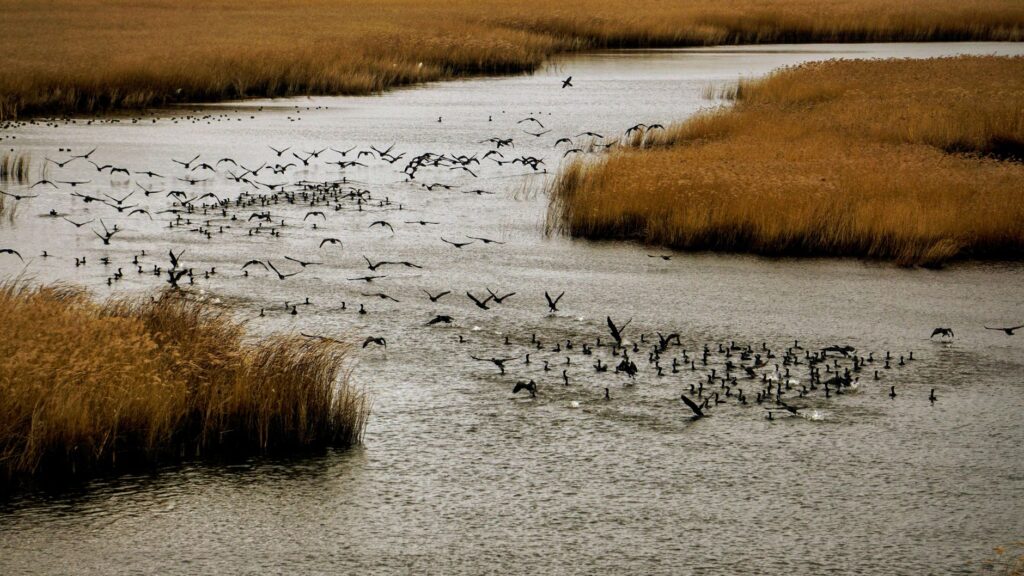
At dusk, when golden light fractures across the water’s surface and the silence of the marsh regains absolute dominion, the landscape reveals its true timeless dimension. Large flocks of migratory birds cross the horizon, drawing perfect geometries against the evening sky, reminding those who inhabit and visit this territory that conservation is not a brake on human development, but the indispensable condition for its survival. In this delicate balance between science, patience, and absolute respect for the natural environment, Doñana cements itself as a beacon of hope for wetlands across the entire planet.