
The Vertical Architecture of the Cordillera Blanca
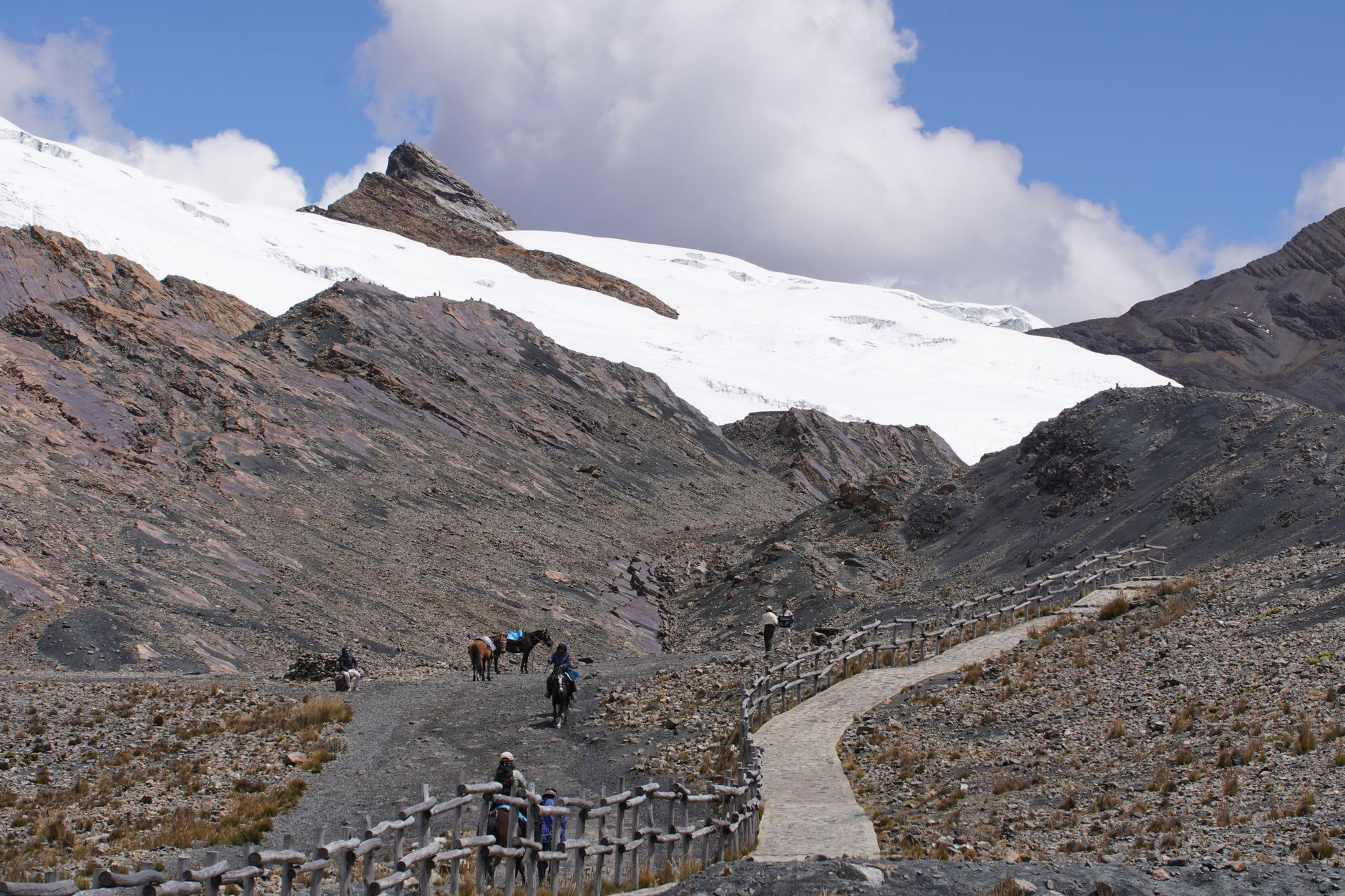
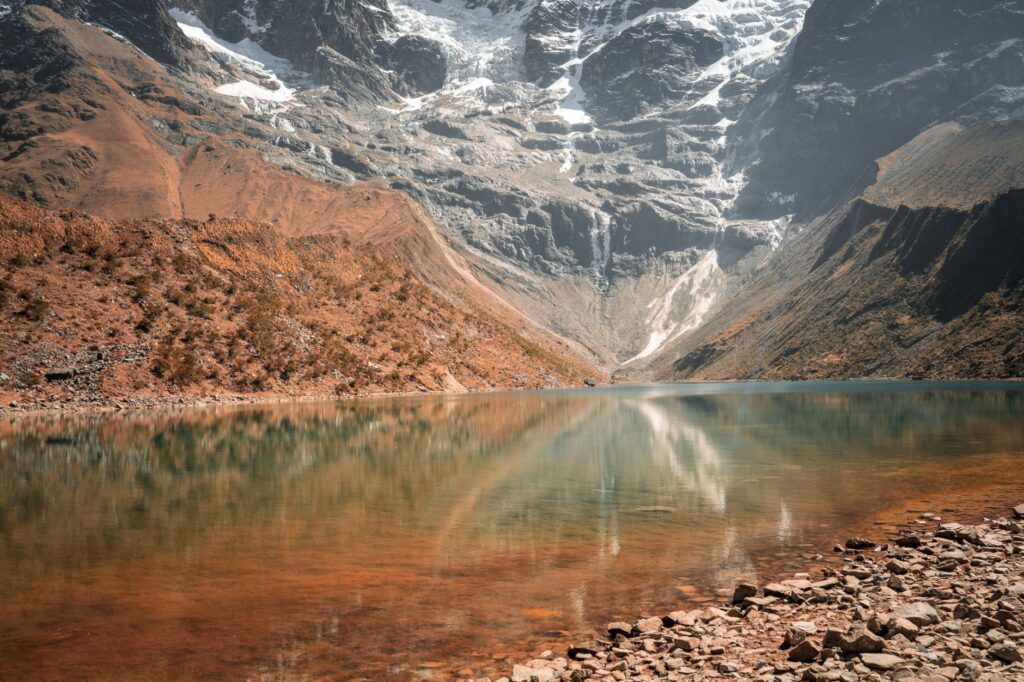
The Cordillera Blanca in the Peruvian Andes constitutes one of the most extreme geological and climatic settings on the planet. With more than thirty peaks exceeding six thousand meters of altitude above sea level, this bastion of granite and eternal ice harbors ecosystems of extraordinary fragility and complexity. In this domain where the atmosphere thins and the elements defy any trace of conventional life, the relief has been sculpted for millennia by plate tectonics and glacial retreat. The inter-andean valleys, furrowed by turquoise meltwater rivers, contrast violently with the vertical walls of bare rock and the white masses of perpetual snow peaks such as Huascarán.
Understanding the dynamics of this territory requires looking upward, where ascending air currents dictate the rules of biological survival. Altitude imposes severe barometric pressures and extreme thermal oscillations that can shift thermometers from sub-zero temperatures at dawn to intense positive readings under equatorial solar radiation. It is within this labyrinth of stone and abysses that one of the most emblematic species of South American fauna evolves: the Andean condor. Its presence is not merely an aesthetic element of the landscape, but the definitive indicator of the environmental health of the entire cordilleran ecosystem.
Vultur gryphus: Anatomy and Aerodynamics of a Winged Giant
With a wingspan that can exceed three and a half meters, Vultur gryphus is a marvel of evolutionary engineering adapted to absolute energy efficiency. Its morphology responds strictly to the need to travel vast expanses of terrain consuming the least possible amount of energy. Unlike hunting raptors, the condor is a strict scavenger, a biological condition that forces it to patrol immense tracts of land in search of food. Its broad wings with clipped tips are specifically designed to maximize lift in ascending thermal currents.
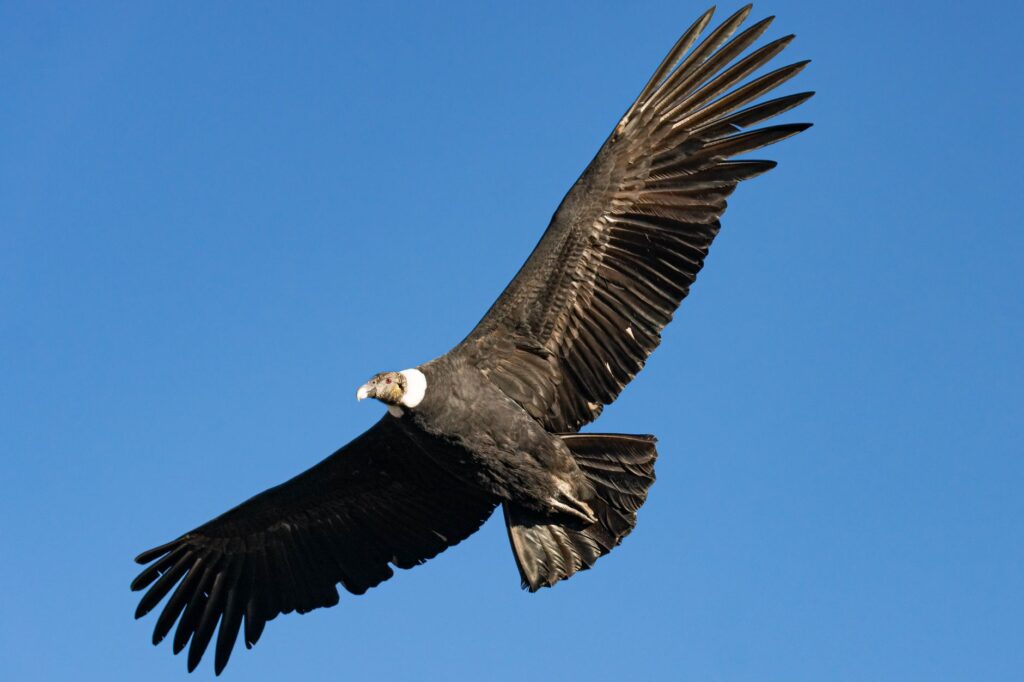
The flight of the condor is a masterful exercise in atmospheric physics. Incapable of sustained flapping flight due to its considerable body mass, the bird depends absolutely on wind that collides against canyon walls and rises warmed by solar radiation on exposed slopes. Biologists have documented how these giants can glide for hours without moving a single muscle in their wings, taking advantage of convective currents to gain altitude before launching into calculated glides toward deep valleys. This aerodynamic dependency directly conditions their daily routes, resting zones, and the selection of their night roosts on the most inaccessible cliffs.
Trophic Ecology and the Role of the Apex Scavenger
In the trophic chain of the Andes, the Andean condor plays an irreplaceable sanitary role. By feeding on the remains of large wild mammals—such as vicuñas, guanacos, and tarucas—as well as domestic livestock in agricultural transition zones, these birds act as the ultimate link of natural sanitation in the mountain ecosystem. Their digestive system, endowed with highly acidic gastric juices, neutralizes dangerous pathogens, preventing the spread of diseases in the mountainous environment.
However, the availability of natural carrion has undergone drastic alterations in recent decades due to human transformation of the Andean landscape. The reduction of wild large herbivore populations has forced condors to depend heavily on high-altitude extensive livestock farming. This interaction inevitably generates conflicts with local herding communities, who sometimes mistakenly interpret the presence of the birds as a direct threat to their live herds. Scientific reality demonstrates that the condor is physically incapable of hunting large prey, strictly limiting itself to consuming animals already dead from natural causes, geographical accidents, or terrestrial predators.
Thermal Corridors and Spatial Dynamics of the Species
The vital territory of an Andean condor is not defined by administrative borders, but by the continuity of its flight corridors and the thermal currents connecting them. These corridors act as invisible highways in the sky, allowing genetic flow between isolated populations along the cordillera. Mountain ridges, narrow gorges, and high plateaus act as nodal points where daily displacement routes of solitary individuals, breeding pairs, and communal roosting groups converge.
During the early morning hours, when temperatures begin to rise, condors leave their roosts on rocky cliffs and concentrate on east-facing ledges to receive the first solar rays. This prior body heating is essential to activate their metabolism before launching into the void. The alteration of these corridors due to human infrastructure, high-mountain mining expansion, and the construction of power lines represents a latent threat to the species’ connectivity, fragmenting its aerial habitat in the same way roads fragment forests in the lowlands.

Current Demography and Population Decline Factors
Despite its imposing silhouette and undeniable cultural status in the Andean world, populations of Vultur gryphus face a silent yet steady decline. The most recent scientific estimates suggest that the total wild population could fall below ten thousand individuals across the South American continent, globally cataloging the species as Near Threatened, with local populations in critical danger of extinction. In the Cordillera Blanca, anthropogenic pressure manifests through multiple converging fronts.
One of the most severe mortality factors is secondary poisoning. Despite legal prohibitions, some ranchers continue to use baits poisoned with toxic substances to eliminate carnivores such as pumas or foxes. When the condor feeds on these contaminated remains, it suffers massive poisoning that decimates entire colonies due to its habit of feeding gregariously on the same carcasses. Added to this are poaching motivated by superstitious beliefs or the illegal trade of bird parts for traditional medicine, practices that relentlessly erode the demographic base of populations that already exhibit extremely slow reproductive rates.
Reproductive Biology: The Challenge of Low Birth Rates
The reproductive strategy of the Andean condor is a testament to adaptation to long-term environmental stability, but also its greatest Achilles’ heel in the face of modern disturbances. Pairs are monogamous and form long-lasting bonds that can be maintained throughout their lives. Reproduction is exceptionally slow: females lay a single egg every two years on average, depositing it directly on the bare rock of a protected ledge or in small caves on cliffs, without building an elaborate nest.
The incubation period extends for approximately fifty-five to sixty days, during which both parents share guard duty over the egg. Once the chick hatches, parental effort continues for a prolonged period that can last between twelve and eighteen months, during which the offspring depends entirely on regurgitated food from the adults. This prolonged reproductive cycle means that any loss of an egg or chick represents a significant population setback that takes years to be naturally compensated for by the species.
In-Situ Conservation, Environmental Education, and Community Participation
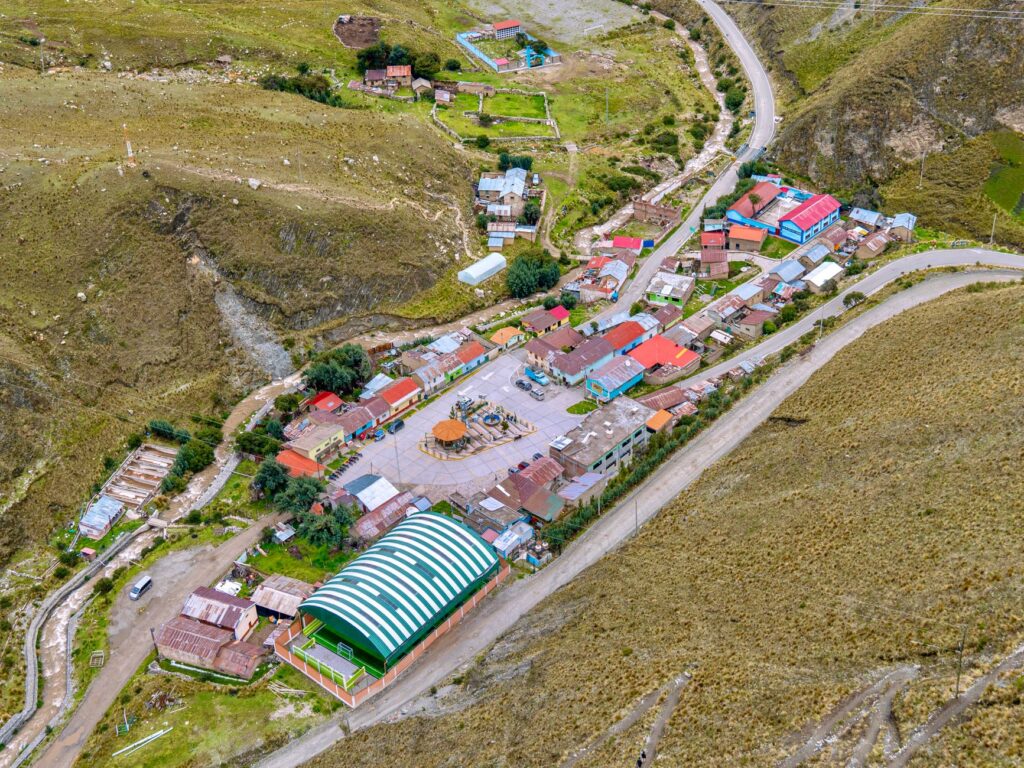
Safeguarding the Andean condor in the Cordillera Blanca demands conservation strategies that transcend simple legal protection of natural spaces. Current programs combine scientific satellite telemetry research with environmental education initiatives aimed at rural communities sharing the territory with these birds. Peaceful coexistence has proven viable when local communities understand the ecological value of the condor and actively participate in its monitoring and protection in high-Andean valleys.
The conservation of the winged giants of the Andes is not merely a matter of protecting a singular species, but of preserving the invisible integrity of the skies that sustain life on the planet’s highest peaks.
Likewise, rescue and captive breeding centers have developed advanced protocols for the reintroduction of individuals born under human care into historically inhabited areas currently devoid of viable populations. These soft-release programs, accompanied by rigorous monitoring and awareness campaigns against the use of poisons, offer a ray of hope for the recovery of the species in its natural habitat.
Practical guide
Planning a responsible and scientific observation expedition in the Cordillera Blanca requires logistical rigor, absolute respect for wildlife, and a clear understanding of high-mountain climatology.
- Best time for observation: The dry season, spanning from May to September, offers clear skies and lower probability of precipitation, facilitating visibility in birdwatching areas.
- Main access: The city of Huaraz, situated in the Callejón de Huaylas, acts as the fundamental base camp to access the trails of Huascarán National Park.
- Key sighting points: The Santa River gorge, the slopes near the Cordillera Negra facing the snow peaks, and natural viewpoints at the approaches to deep canyons offer the highest probabilities of morning sightings.
- Recommended photographic equipment: Long-range telephoto lenses (minimum 400mm or 600mm) coupled with cameras possessing excellent response in high-contrast light conditions, sturdy tripod, and multi-layer technical clothing to withstand freezing high-altitude winds.
- Ethical code of conduct: Maintain a minimum safe distance of five hundred meters from identified roosting sites and nesting ledges, avoid the use of drones that alter flight behavior, and leave no trace of organic or inorganic waste in the natural environment.
Final Reflections on the Domain of Wind and Rock
Contemplating the Andean condor soaring across the infinite blue above the snowy peaks of the Cordillera Blanca is an experience that transcends mere wildlife contemplation; it is a reminder of the persistence of life in the most demanding confines of Earth. As thermal currents continue to lift their wings over granite abysses, the Andes will maintain that wild and primordial heartbeat linking the planet’s geological past with an uncertain future worthy of being defended with firmness and scientific rigor.