
Barcelona is not merely a city to be observed; it is a territory to be savored with an intensity unique to the Mediterranean. Over recent years, the Catalan metropolis has cemented a privileged position on the global culinary map, shedding the superficial label of a sun-and-sand destination to become a permanent laboratory of flavors. Here, haute cuisine coexists naturally with bustling neighborhood markets and century-old bars where seasonal produce dictates the rhythm of everyday life.
The culinary phenomenon of Barcelona relies on a singular alchemy: a profound respect for local provisions—the sea of Barceloneta, the orchards of Maresme, the vineyards of Penedès—combined with creative audacity that never fears breaking molds. In this city, dining is not a nocturnal chore but a prolonged social act that defies the clock, extending naturally well into the small hours of the morning and reflecting the vital pulse of a community that views eating as a form of culture.
The Pulse of the Markets: Zero Kilometer in the Urban Heart
To comprehend the Barcelona table, one must begin the journey where everything originates: municipal markets. Far from being mere supply points, spaces like La Boqueria, Santa Caterina, or Sant Antoni act as the true social temples of the city. Amid rows of impeccably arranged fruits, hanging Iberian hams, and fresh seafood stalls still glistening with sea water, the truth of Catalan cuisine beats strong.
Within these labyrinths of aromas and colors, internationally renowned chefs mingle every morning with lifelong neighborhood residents. This is where the price of Palamós prawns is negotiated, autumn chanterelles are carefully selected, or the finest cuts of Pyrenean beef are acquired. The market serves as a constant reminder that Barcelona’s gastronomic excellence is not born in design laboratories, but in the surrounding earth and sea.
The Liturgy of Tapas and the Sunday Vermouth
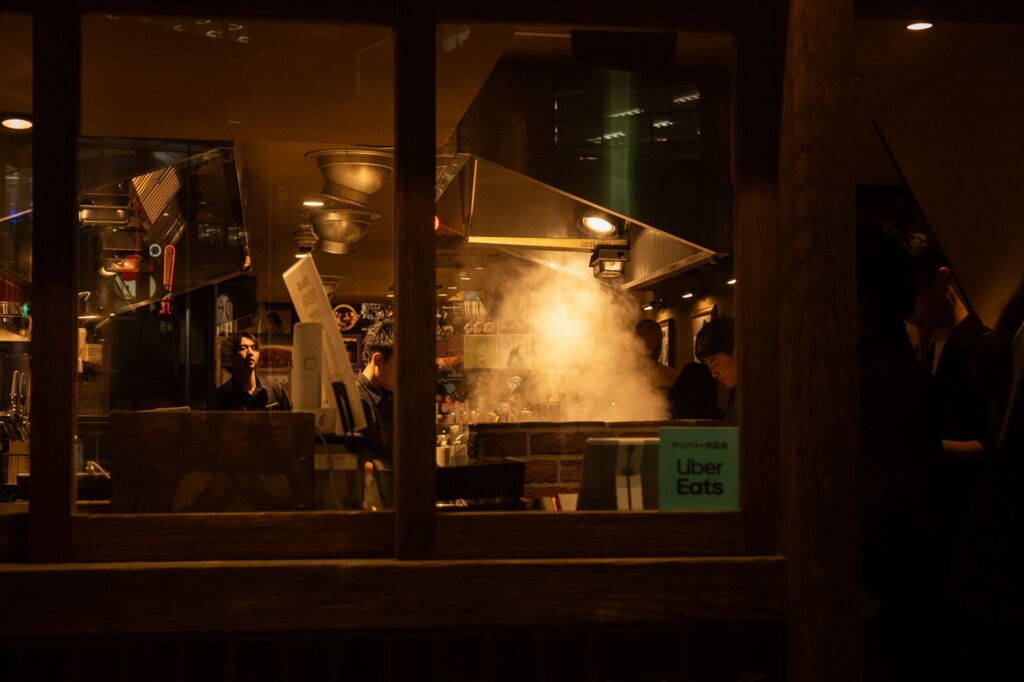
The tapas culture in Barcelona possesses its own grammar, distinguishing it from Andalusian or Madrileño traditions. Here, the bar counter is a democratic space where generations and social classes converge under unwritten yet strict codes. Anchovies from L’Escala, patatas bravas with well-emulsified aioli—where garlic never overpowers the potato—and Catalan rustit croquettes are the undisputed pillars of this ritual.
At midday, especially on Sundays, the entire city seems to agree on celebrating vermouth. It is not merely about the drink, but about the perfect excuse to share stuffed olives, cockles with lemon, and a good glass of artisan vermouth macerated with aromatic herbs. It is a moment of pause and neighborhood gathering that stands resilient against the accelerated pace of tourist modernity.
Catalan Avant-Garde: The Legacy That Transformed the World
It would be impossible to explain the current landscape of Barcelona’s restaurant scene without looking at the recent past and the neighboring Empordà region. The creative earthquake spearheaded by legendary figures of modern cooking redefined the limits of what was possible in the kitchen. Although the most radical temples relocated outside city limits, Barcelona absorbed that expanding wave and transformed it into accessible, thoughtful sophistication.
Today, the city’s fine dining establishments do not seek superficial shock value merely to impress; rather, they pursue a coherent discourse where technique always serves the product. Contemporary chefs reinterpret traditional recipes like fricandó or suquet de peix through subtle deconstructions, millimeter-precise cooking times, and presentations that converse with contemporary art and industrial design.
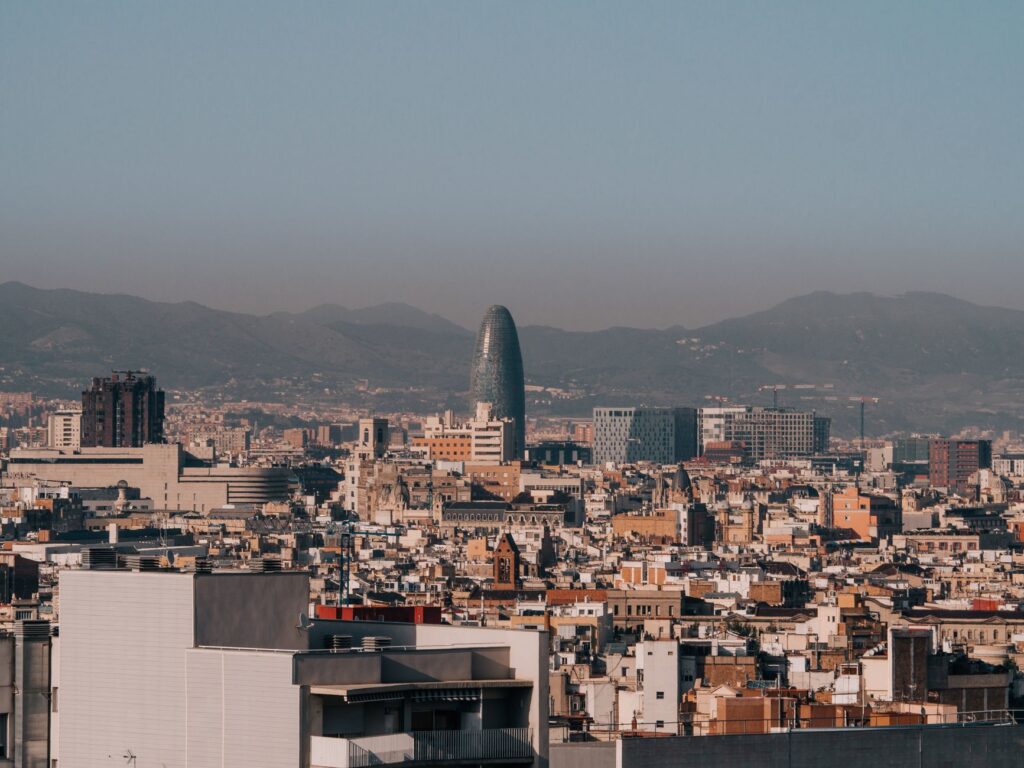
Barcelona’s cuisine does not renounce its memory; it uses advanced technique to amplify perennial flavors without losing its popular soul.
This balance between intellectual audacity and fidelity to historical recipes places diners before memorable experiences where every dish tells a story about the territory, seasonality, and Catalonia’s cultural evolution.
From the Bar to Stardom: The Democratization of Excellence
One of the most fascinating aspects of Barcelona’s gastronomy is the porosity between formats. In what other global metropolis is it possible to enjoy a Michelin-starred tasting menu in a tiny venue with wooden stools, or find stratospheric author cuisine tucked inside an old neighborhood bodega?
This democratization of culinary luxury has allowed haute cuisine to cease being an exclusive reserve for solemn occasions. Young cooks trained in the world’s finest houses choose to open small bistros where closeness to the diner is the norm. Here, the chef emerges from the kitchen to explain a dish’s origin, the sommelier recommends independent biodynamic labels, and the atmosphere lacks entirely the pompous rigidity that once characterized high-end establishments.
Century-Old Bodegas and the Value of Resistance
Against fleeting openings and over-designed concepts, Barcelona preserves an invaluable treasure: its lifelong bodegas. Establishments with hydraulic tile floors, walls darkened by decades of smoke, and bulk wine served straight from oak barrels. Far from museum relics, these spaces enjoy enviable health thanks to a new generation reclaiming them as true bulwarks of urban authenticity.
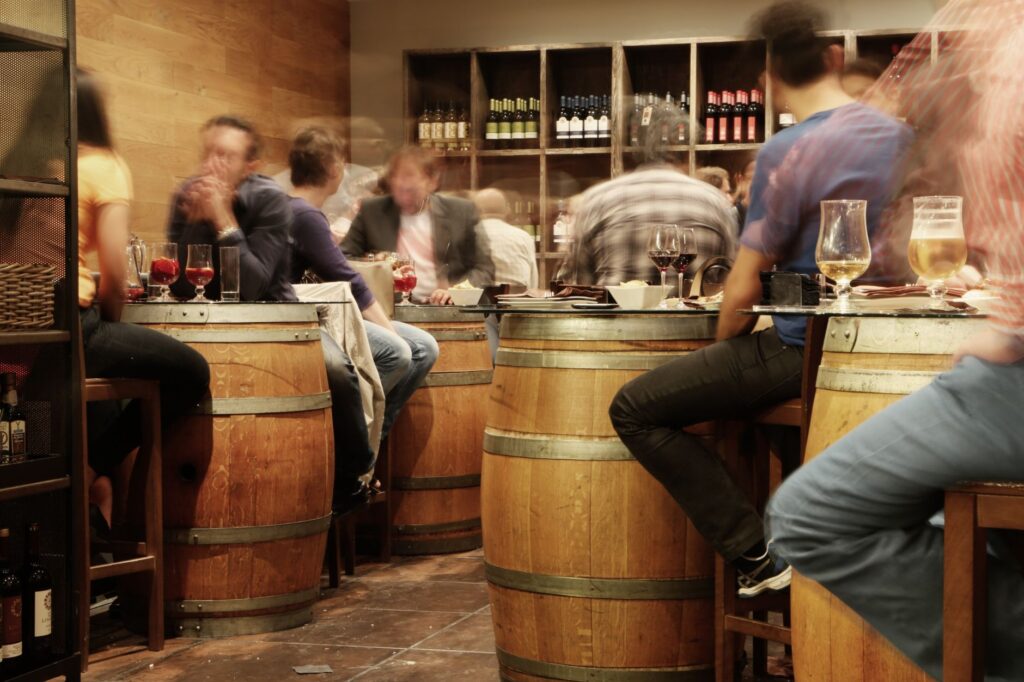
Eating meatballs with cuttlefish or capipota in these venues directly connects one to the working-class and bourgeois history of the city. They are temporal refuges where time moves at a different speed and where the value of a meal is measured by the emotional comfort it brings to the guest.
The Nocturnal Rhythm: When Dinner Turns into Dawn
In Barcelona, nocturnal gastronomy follows its own rules. While in other European capitals kitchens close inexorably at ten or eleven at night, the Catalan capital maintains a vibrant late-night pulse that defies conventional rest. Restaurants with continuous service or late shifts form the epicenter of a social life where dinner serves as the prologue to long conversations.
After dessert, the after-dinner conversation flows seamlessly toward clandestine cocktail bars, terraces overlooking the port, or clubs where live music accompanies the final glass. This uninterrupted flow between dinner and dawn reflects a deeply Mediterranean way of understanding leisure, where the street remains a safe and shared meeting space.
Catalan Wine and the Revolution in Wine Lists
No great table is complete without a matching cellar, and in this regard Barcelona is also experiencing a golden age. For decades, local wine offerings were overshadowed by other Spanish regions, but the renaissance of Catalan denominations of origin—from Priorat and Montsant to Penedès, Conca de Barberà, and Empordà—has completely transformed the city’s restaurant lists.
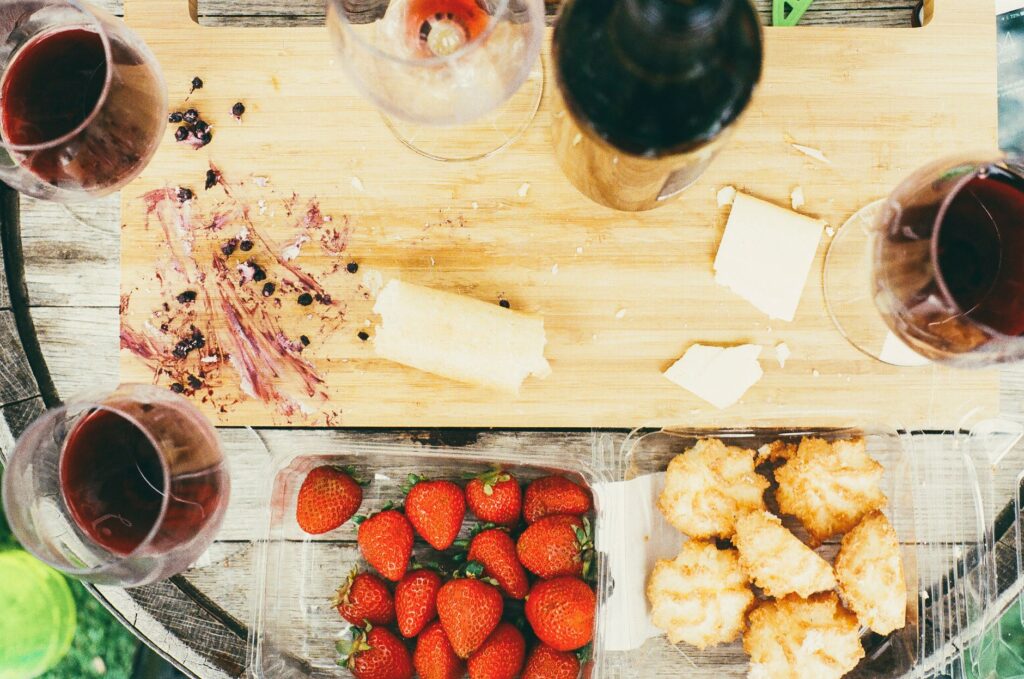
Barcelona sommeliers currently lead a movement prioritizing minimal-intervention wines, revived native grape varieties like sumoll and xarel·lo, and family-led regenerative viticulture projects. Drinking wine in Barcelona today is an exercise in geographic discovery that directly connects the drinker with the slate, clay, and limestone soils surrounding the Catalan territory.
Practical guide
Getting around: Barcelona’s metro and bus network is remarkably efficient, but the best way to discover its gastronomic scene is by walking from neighborhood to neighborhood, especially between Eixample, Gràcia, and Poblenou.
When to book: High-demand restaurants and small Michelin-starred bars require reservations weeks or even months in advance. For traditional markets and bodegas, walk-ins are generally the norm.
Hours: Lunch is typically served from 1:30 PM to 3:30 PM, while dinners begin from 9:00 PM onwards and can easily extend past midnight in many venues.
Tipping: It is neither mandatory nor part of local culture, though leaving a small gratuity (5% to 10%) is increasingly common to reward exceptional service.
The Emotional Echo of the Final Mediterranean Meal
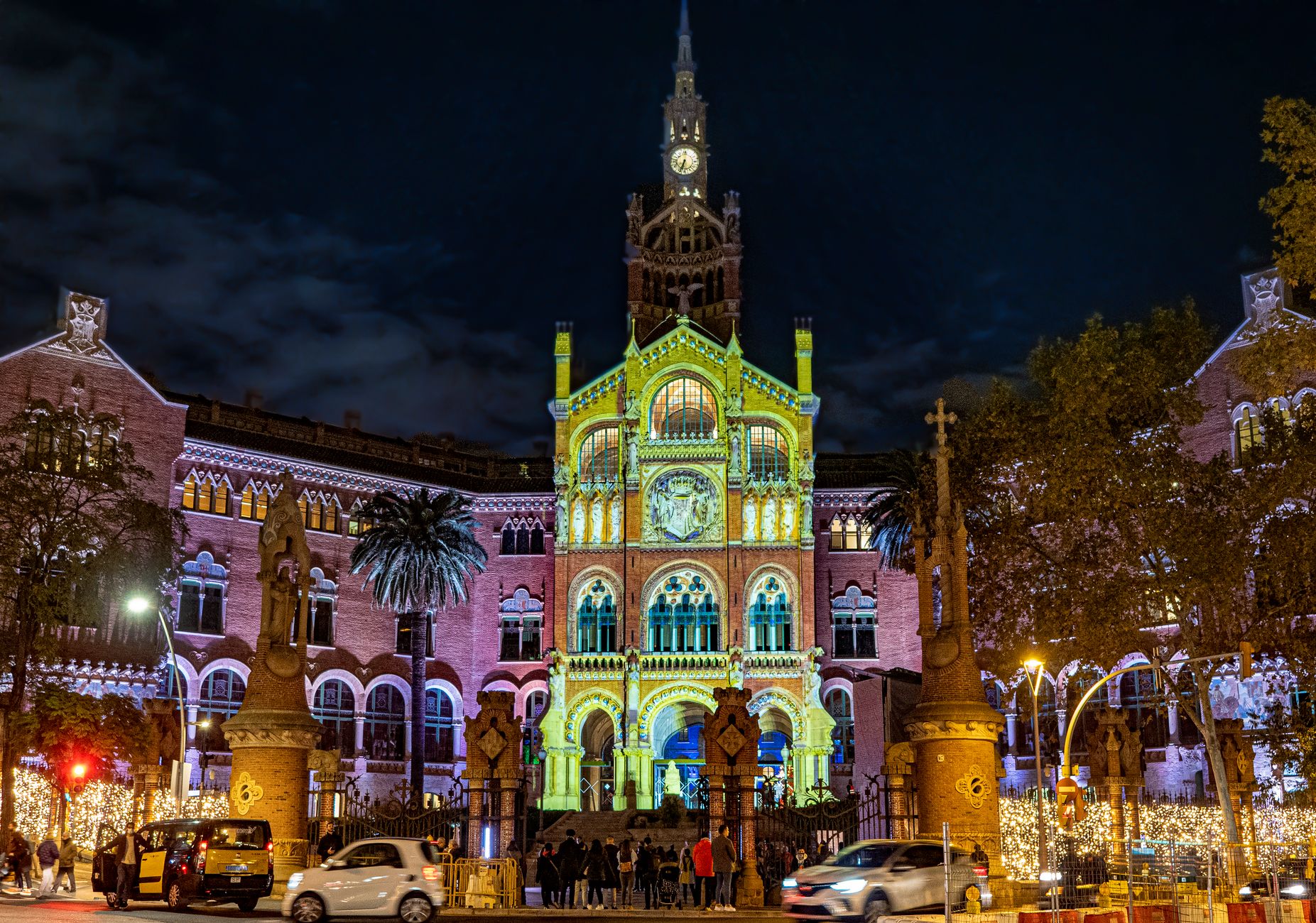
Ultimately, what makes Barcelona’s gastronomy an unforgettable experience is not solely the technical perfection of its dishes or the prestigious constellation of international accolades. It is the unique atmosphere felt when plates are cleared, city lights reflect off modernist facades, and table conversation continues to flow leisurely, embraced by the warm breeze arriving from the sea.
Eating in Barcelona is participating in a collective ritual where past and future shake hands in every bite, reminding every visitor that happiness sometimes fits perfectly into the space stretching from the first sip of vermouth to the final beat of dawn.
The true measure of a city is discovered in the generosity of its tables and its people’s ability to turn any dinner into an eternal memory.
Source in EN: Condé Nast Traveler (35 Best Restaurants in Barcelona, the Catalan City Where Dinners Last Until Dawn).