Origins in Living Rock
Southern Italy hides geological folds where time seems to have halted beneath layers of limestone and marine tufa. In the Basilicata region, the urban and natural landscape of Matera defies the usual canons of Mediterranean construction, relying instead on systematic excavation into the earth’s core. Here, the concept of refuge acquires an absolute physical and mental dimension, where mineral silence acts as a natural attenuator of contemporary noise. Stone is not merely an architectural support; it is a living organism that regulates temperature, harvested rainwater for millennia through complex cistern systems, and today hosts a radical form of sensory disconnection.
Over the centuries, Basilian monastic communities and local farmers transformed the ravines of the Gravina river into an inhabited labyrinth. Today, that same engineering of scarcity has been repurposed into a sanctuary of wellness where biophilic design finds its purest expression. Far from the ostentatious luxury of large coastal resorts, troglodytic rest proposes a return to the essential: controlled dim light, acoustics muffled by rock, and the purity of air filtered by geology. This environment invites us to reconsider our relationship with space and time, proving that true contemporary luxury lies in pausing and eliminating superfluous stimuli.
The Hypogeal Architecture of Water
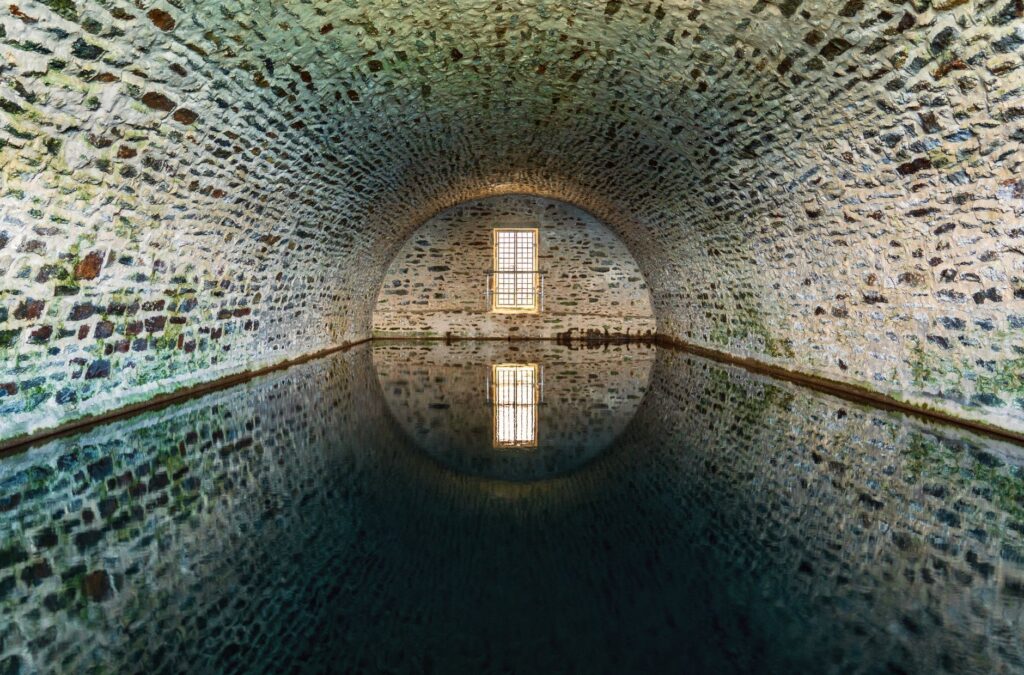
The subterranean water system of Matera’s Sassi represents one of Europe’s most fascinating pre-industrial engineering feats. Beneath the paved streets lies an invisible network of channels, cathedral-like cisterns such as the Palombaro Lungo, and hand-dug pools that once collected every drop of rainfall to guarantee community survival. This water culture, based on conservation and millimeter management of resources, permeates the contemporary experience of visitors seeking immersion therapies and deep relaxation within rehabilitated ancient reservoirs.

Water in Matera does not flow; it is contained, nurtured, and slowly filtered through the stone until it reaches stable temperatures and purity that defy external seasonal swings.
Contemporary wellness centers integrated into these structures harness the thermal properties and natural humidity of tufa to offer hydrotherapy treatments that respect the monument’s structural integrity. Steam baths carved into living rock combine the Mediterranean tradition of ancient Roman caldaria with modern myofascial relaxation techniques. The absence of direct sunlight in these underground rooms fosters immediate neurological disconnection, reducing cortisol levels and allowing the autonomic nervous system to transition into deep rest.
Geology and Silence in the Rock Church Park
Crossing the Gravina canyon extends the Regional Park of the Rock Churches, a protected territory where nature and human intervention merge into a lunar landscape crisscrossed by over a hundred temples carved into rock. This wild, calcareous desert offers a network of trails where contemplative hiking becomes a practice of mindfulness. Silence here is not an acoustic vacuum, but a dense presence composed of wind whispering through sagebrush and the distant echo of raptors inhabiting the rocky cliffs.
Morning walks along these gorges allow travelers to comprehend the human scale against geological monumentality. Unlike the overcrowded destinations of Tuscany or the Amalfi Coast, Matera’s trails retain an atmosphere of austere isolation. Local guides, trained in art history and geology, accompany travelers on interpretive tours explaining how ancient populations used south-facing caves to capture winter heat and shelter from the scorching southern summer—a bioclimatic principle inspiring advanced sustainable architecture today.

Earth Diets and Troglodytic Flavors
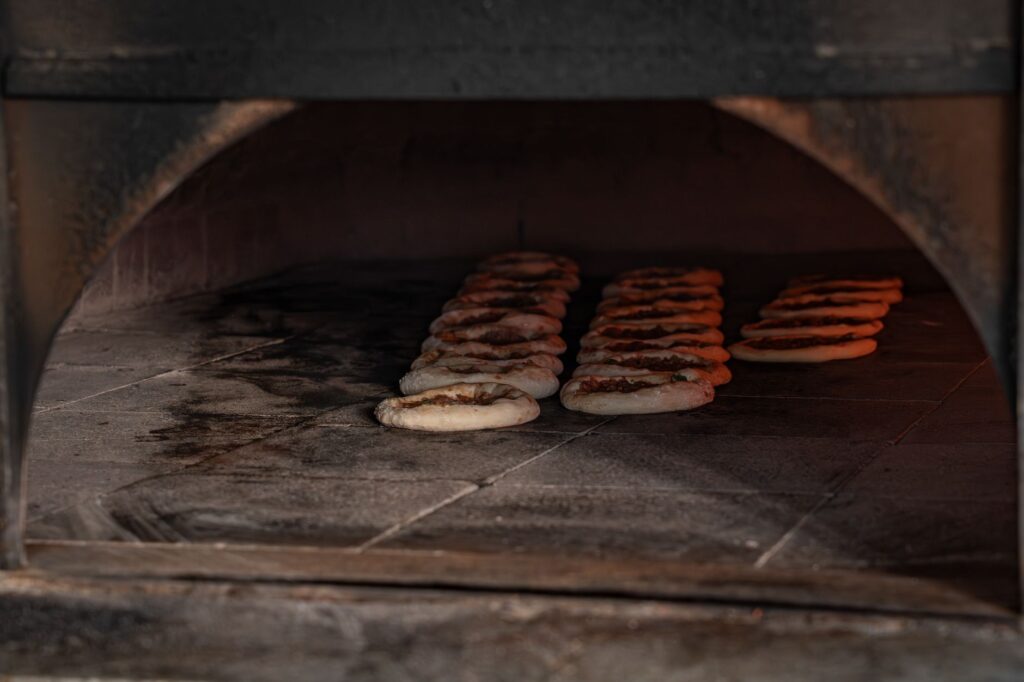
Wellness in Matera is also cultivated at the table through a territory-rooted gastronomy prioritizing local produce and peasant-origin recipes. Matera bread, made with local durum wheat semolina and baked in communal wood-fired ovens, holds Protected Geographical Indication status and serves as the backbone of a culinary tradition as austere as it is flavorful. Extra virgin olive oils from the Ogliarola del Bradano variety and native legumes, such as Cersosimo chickpeas, complete a pantry designed to nourish without burdening the organism.
- PGI Matera Bread with natural sourdough fermentation.
- Caciocavallo Podolico cheese aged in natural caves.
- Extra virgin olive oil from centuries-old Lucanian plateau olive groves.
- Aglianico del Vulture wine, featuring a powerful mineral and volcanic profile.
- Wild field greens sautéed with garlic and chili pepper.
Restaurants and bakeries integrated into the ancient stone quarters offer culinary experiences recovering slow-cooking techniques and natural preservation. Eating within these carved spaces reinforces a sense of refuge and belonging. Each dish tells the story of a territory that learned to extract sustenance from seemingly sterile earth, transforming geographic limitations into a unique culinary identity promoting slow digestion and conscious enjoyment of primary flavors.
Circadian Rhythms and Twilight Light on the Plateau
One of the subtlest transformations a traveler experiences in Matera is progressive synchronization with natural light cycles. Lacking the light pollution of large cities, sunsets over the Sassi acquire an exceptional chromatic palette where the golden tones of limestone blend with twilight’s deep blue. This visual spectacle acts as a natural trigger for melatonin, regulating circadian rhythms disrupted by urban stress and digital screens.
Sunsets are best enjoyed from the natural viewpoints of the opposite plateau, watching the excavated city slowly ignite with warm illumination respecting nocturnal gloom. This leisurely transition from day to night favors mental states conducive to reading, quiet conversation, and restorative sleep. Local accommodations have adopted strict technological disconnection policies, eliminating televisions from cave rooms and replacing them with collections of Italian poetry and essays on Mediterranean landscape history.
The Art of Unadorned Rest
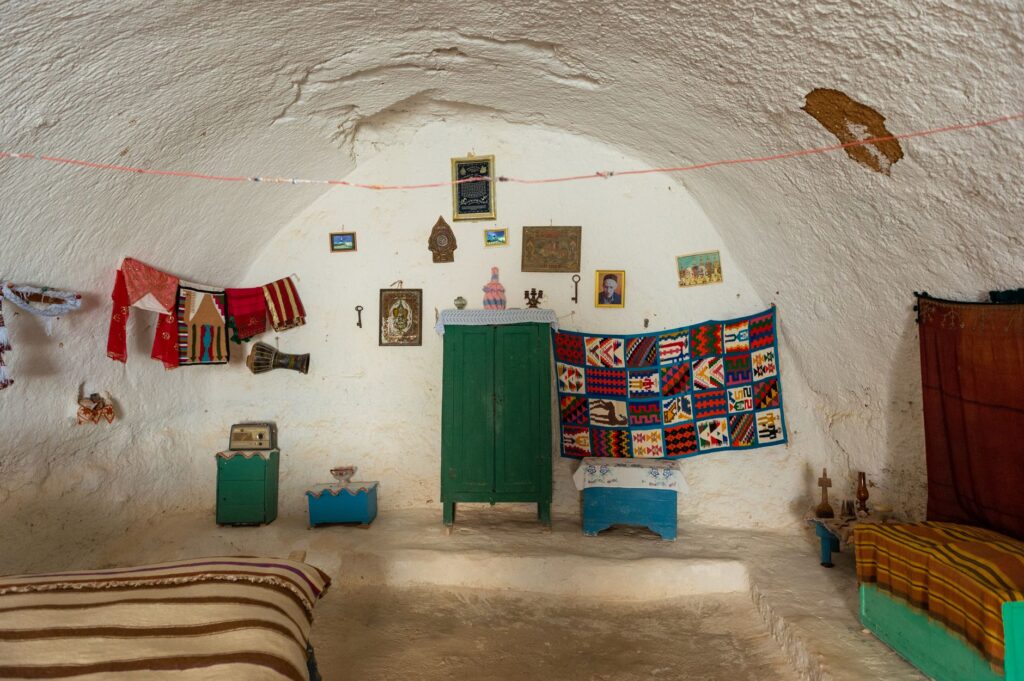
Matera’s tourism sector has evolved with remarkable ecological conscience, avoiding the hotel standardization affecting other historic European cities. Boutique hotels and dispersed residences operate under criteria of minimal architectural intervention: former stables and underground dwellings have been restored using natural lime, native woods, and local stone, preserving wall irregularities and marks left by ancient stonemasons. This respect for architectural past ensures that every stay remains unrepeatable.
True sophistication in modern travel lies not in accumulating services, but in the opportunity to inhabit spaces with their own soul that preserve the memory of those who built them with their bare hands.
Wellness experiences in these spaces dispense with artificial aromatherapy or pre-recorded ambient music; the background sound is the distant dripping of water filtering through rock and the muffled rustle of exterior wind. Local therapists apply massages using essential oils from wild herbs gathered in the natural park, combining gentle stretches with diaphragmatic breathing techniques adapted to the enveloping acoustics of underground chambers.
Practical guide
How to get there: The nearest airport is Bari (BRI), located approximately 60 kilometers away. From there, the Pugliairbus direct shuttle connects the airport to Matera station in about an hour. Renting a car at the airport to explore the Basilicata region at your own pace is also viable.
When to go: Spring months (April to June) and autumn (September to November) offer ideal temperatures for walking through the Sassi and canyon trails. July and August should be avoided due to high daytime temperatures on the plateau.
Accommodation: Advance booking several months ahead is recommended for dispersed residences located inside the Sassi Barisano and Caveoso to fully experience hypogeal architecture.
Travel recommendations: Footwear with non-slip soles is essential, as cobblestone streets and polished rock surfaces can be slippery, especially after rain. Bringing a light backpack and avoiding bulky luggage is advised due to stairs and level changes in the historic terrain.
Epilogue: The Ultimate Embrace of Stone
When the journey concludes and echoes of the excavated city fade behind, the footprint Matera leaves on the traveler is not that of a conventional tourist destination, but a reunion with primordial silence. Crossing the stone threshold separating underground refuge from outside bustle for the last time, the perception of time and space has subtly yet irreversibly transformed. The rock, which for days functioned as a protective womb and silent witness to the pause, becomes an interior compass—a permanent reminder that travel’s true wealth lies in the capacity to stop, listen to one’s breathing, and inhabit the present with simplicity.