

An Archipelago Sculpted by Wind and Tide
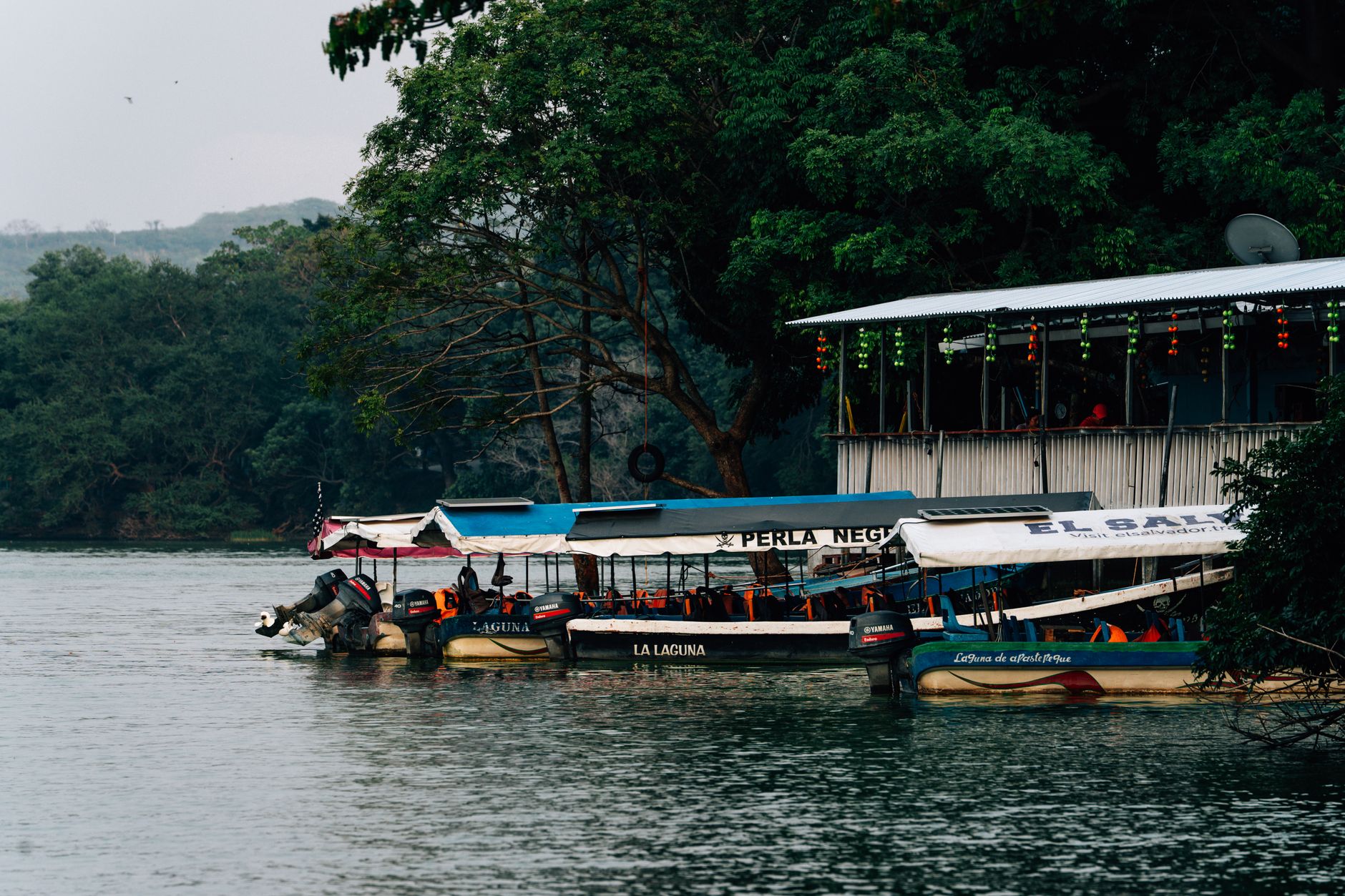
Just over fifty nautical miles off the continental coast of Panama, the Pearl Archipelago emerges as a mosaic of more than two hundred islands and islets where geological time seems to dictate a rhythm entirely divorced from contemporary haste. This marine sanctuary, christened by colonial chroniclers due to the extravagant extraction of pearl oysters that once filled the coffers of the Spanish Crown, preserves today a geography where true wealth lies in the preservation of its ecological balances and the survival of a nautical culture rooted in patient observation of the ocean.
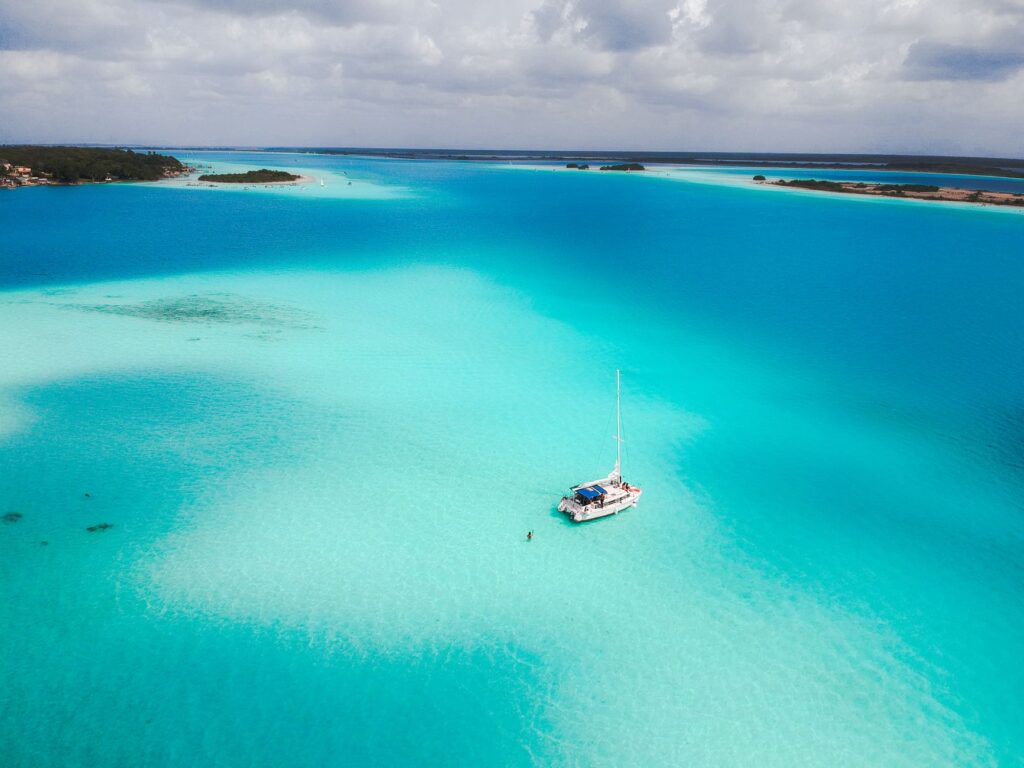
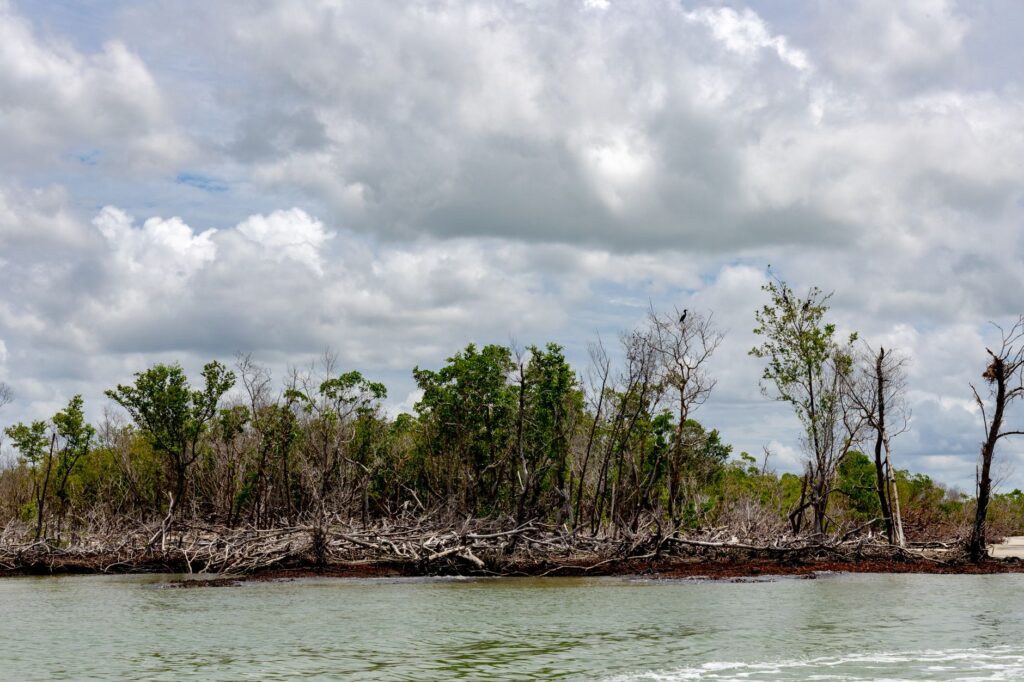
Far from the mass tourism of sprawling resorts, approaching this territory requires understanding the dynamics of its tides, which can swing up to five meters between high and low water. This constant variation sculptures ephemeral landscapes: broad white sandbars that connect for a few hours before vanishing beneath a sheet of intense turquoise, and impenetrable mangrove forests serving as nurseries for dozens of pelagic species. Sailing, practiced here with shallow-draft vessels, reveals itself not merely as a respectful mode of transport, but as the only legitimate way to decode the secret grammar of these waters.
The Architecture of Low Tide in Contadora and San Miguel
Human settlement in the archipelago has historically been conditioned by the availability of freshwater sources and protection against southern winds. On Contadora Island, modern residential development coexists with archaeological remains of pre-Columbian cultures that once used the islands as a commercial trading post. Yet the true social pulse beats further north, on neighboring Isla del Rey, specifically in San Miguel, the region’s most populous permanent settlement.
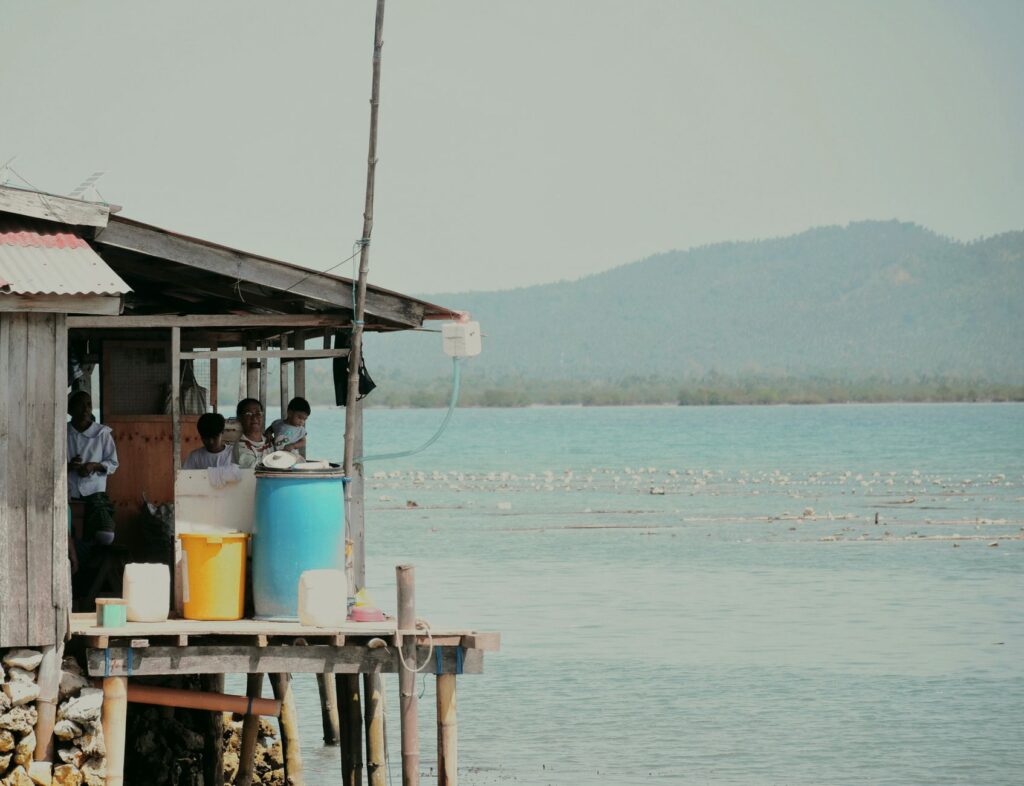
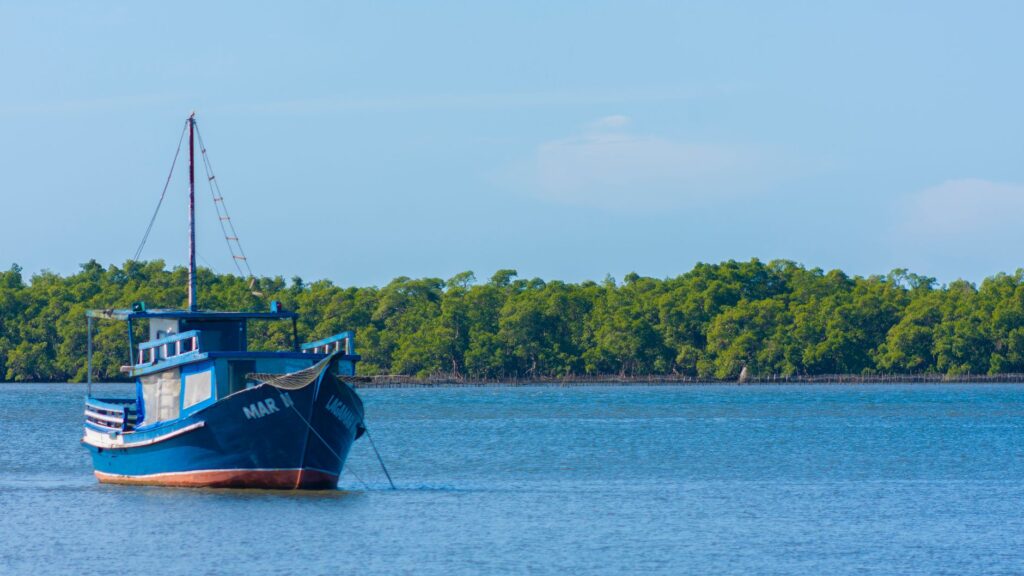
Here, wooden dwellings elevated on mangrove-stilt foundations respond to an ancestral logic of climate adaptation. Tides dictate the daily routine: fleets of handcrafted canoes and small fishing skiffs depart before dawn on the outgoing ebb current, while afternoons are reserved for cleaning the catch along the shoreline under the watchful gaze of frigatebirds and pelicans. The vernacular architecture of the archipelago prioritizes cross-ventilation and salinity-resistant timbers, configuring an urban landscape where the street is a direct extension of the high tide.
The Biological Corridor of Migratory Cetaceans
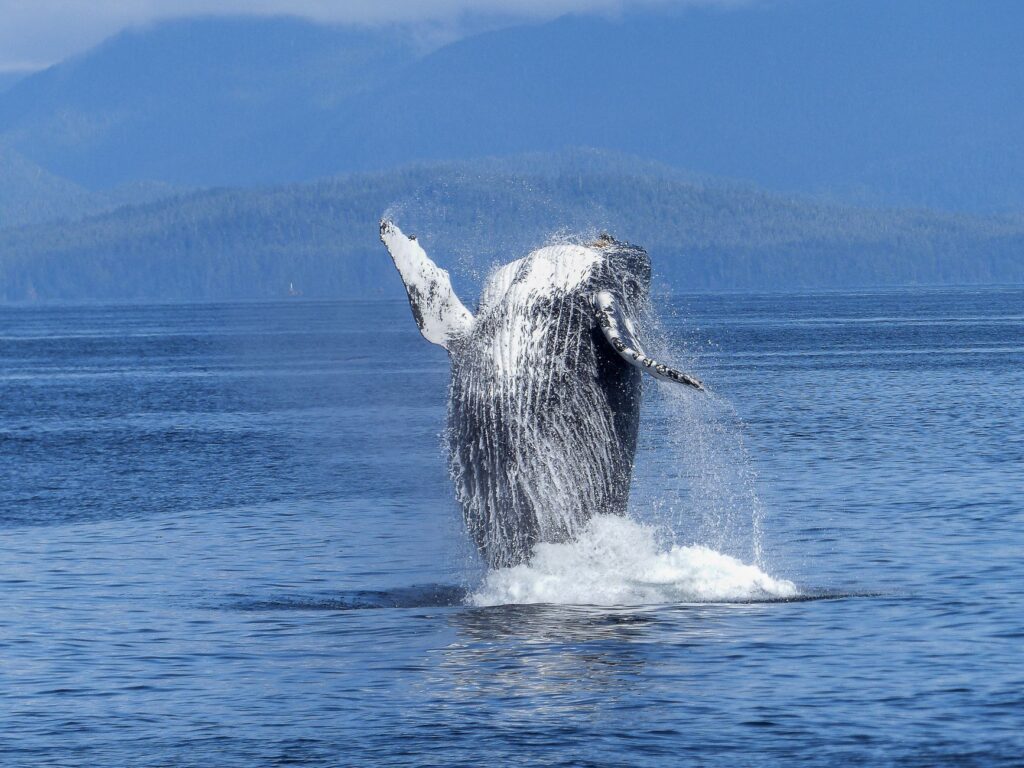
The deep waters flowing through the underwater canyons of the Gulf of Panama act as a biological superhighway for numerous populations of marine mammals. Between the months of July and October, the archipelago transforms into one of the most vital breeding sanctuaries in the Eastern Tropical Pacific for humpback whales (Megaptera novaeangliae). Mothers find the necessary tranquility in these insular shelters to nurse their calves before the long return journey toward the cold Antarctic waters.
Scientific and responsible whale watching in this environment rejects the stridency of high-horsepower outboard motors. Local vessels operate under strict passive-approach protocols, allowing the predominant sound to be the rhythmic blow of cetaceans breaking the surface. This phenomenon underscores the urgent need to maintain fishing exclusion zones and regulate recreational maritime traffic, ensuring that the Gulf of Panama preserves its function as a critical link in the biodiversity of the American continent.
The Hidden Science of Coral Reefs and Upwelling
Beneath the sea surface, the archipelago stages an exceptional oceanographic phenomenon known as seasonal coastal upwelling. Between January and April, trade winds displace warm surface waters, allowing deep, cold, nutrient-rich currents to ascend from oceanic abysses right up to shallow reefs. This massive influx of nitrates and phosphates triggers a phytoplankton bloom that sustains the gulf’s complex food web, attracting massive schools of tuna, manta rays, and hammerhead sharks.
The coral reefs of the Pearls, though severely battered by global marine warming events such as El Niño, have demonstrated surprising genetic resilience. Turbid-water coral colonies withstand thermal stress better due to the natural shade cast by suspended sediments, a fascinating reminder of how nature carves out survival niches in the most unexpected settings.
The sea is not a geography conquered with static maps, but a living archive that reveals its secrets only to those who agree to navigate to the rhythm of its pauses.
Tidal Flavors: The Marine Larder and Maize
The insular gastronomy of the Pearl Archipelago is the direct result of the interplay between artisanal fishing and subsistence farming practiced in the small interior valleys of islands like Saboga or La Ensenada. Unlike the urban cuisine of Panama City, ingredients here are governed by the absolute seasonality of the tide. Fresh fish—especially red snapper, Spanish mackerel, and snook—is consumed the same day it is caught, seasoned simply with local lime, ají chombo, and artisanally harvested sea salt.
Corn, cultivated in small plots using controlled slash-and-burn techniques, supplements the diet through preparations such as serén and corn dough parcels wrapped in bijao leaves. This unpretentious cooking reflects an ethic of total utilization, where fish heads and bones are turned into concentrated broths that form the base of local stews. Eating in the Pearls is an exercise in sobriety and genuine flavor, far removed from the commercial reinterpretations dominating continental tourist circuits.
The Memory of Shell Middens and White Gold
The very name of the archipelago evokes a historical tragedy and a dazzling bonanza. Between the sixteenth and nineteenth centuries, enslaved divers—initially indigenous peoples and later Africans—freedove to depths of thirty meters in search of Pinctada mazatlanica, the pearl oyster capable of producing gems of flawless orient. Chroniclers like Fray Bartolomé de las Casas documented the premature exhaustion of these populations due to extreme deep-diving conditions and colonial violence.
Today, contemporary shell-gatherers have vanished from economic statistics, but their traces persist in extensive mounds of fossilized shells—middens—that outcrop along certain cliffs across the archipelago. These natural archaeological sites are studied by marine historians attempting to reconstruct the gulf’s historical biomass, proving that human pressure on these ecosystems is not a modern phenomenon, but a millennial cycle of extraction and recovery.
Practical guide
- How to get there: Access is primarily via passenger ferries departing daily from the Amador Causeway (Flamenco Marina) in Panama City, with crossings ranging from 1.5 to 2.5 hours depending on the destination island. Commercial charter flights and small aircraft also operate from Albrook Airport (Marcos A. Gelabert) to local airstrips on Contadora and San José islands.
- Best time to visit: For humpback whale watching, the ideal period spans from July to October. For diving and sailing in calm waters with steady winds, the dry season (December to April) offers optimal underwater visibility conditions.
- Accommodation: Lodging options are diverse yet limited in capacity. They range from small self-sufficient eco-lodges powered by solar energy on smaller islands to boutique hotels on Contadora Island. Advance booking several months ahead is essential during the high dry season and long weekends.
- Internal transport: There are no conventional road networks or rental cars on most islands. Travel between secluded coves and beaches relies on auxiliary skiffs coordinated by local fishermen or on foot via coastal trails and exposed sand flats.
- Health and equipment advice: Sturdy footwear for walking on sharp coral rocks, biodegradable sun protection, insect repellent, and sufficient cash are indispensable, as banking connectivity and ATMs are extremely limited or nonexistent outside major hotels.
The Final Anchorage
As the sun plunges rapidly over the horizon of the Panamanian Pacific, staining the sky in deep ochres and glowing purples, the islands of the archipelago reclaim their ancestral muteness. In that precise instant, boats anchored in sheltered bays extinguish their final electric flickers, allowing the steady murmur of surf breaking against reefs to resume absolute command. There is no stridency in this oceanic sanctuary; only the comforting certainty that geographies still exist where humankind is merely a temporary guest who must learn to ask the sea for permission before dropping anchor.


