
Water in Flanders has never been a mere geographical accident, but the very pulse upon which one of the most influential mercantile civilizations of medieval Europe was built. Through the network of canals connecting Bruges to Ghent and the North Sea, the contemporary traveler can access a deliberate reading of the landscape, where every lock and every red-brick wharf preserves the memory of an era when textile commerce and inland navigation shaped the continent’s political map. Far from the hustle and bustle of main arteries, the contemplation of this aquatic landscape demands attentive observation of the civil engineering that, since the 12th century, has meticulously controlled the regimen of tides and surrounding rivers.
This report offers a reflective itinerary through the lesser-traveled waterways of Flanders, exploring how the preservation of their architectural and hydraulic heritage dialogues with a new traveling sensitivity focused on sustainability and respect for local rhythms. We analyze the current challenges of tourism management in UNESCO-protected historic centers, as well as the technical and logistical keys to exploring these canals via low-environmental-impact vessels.
The Genesis of Water: From Commercial Port to Heritage Mirror
During the High Middle Ages, Flanders’ prosperity depended on its direct access to the sea via the Zwin, an estuary now choked by sedimentation but once turning Bruges into the financial epicenter of Western Europe. The need to connect cloth production centers with international markets spurred the excavation of the first artificial canals, creating infrastructure that defied natural terrain elevation changes through primitive dikes and wooden floodgates. This radical transformation of the landscape not only facilitated heavy cargo transport but also structured an unprecedented defensive and water-supply system in the region.
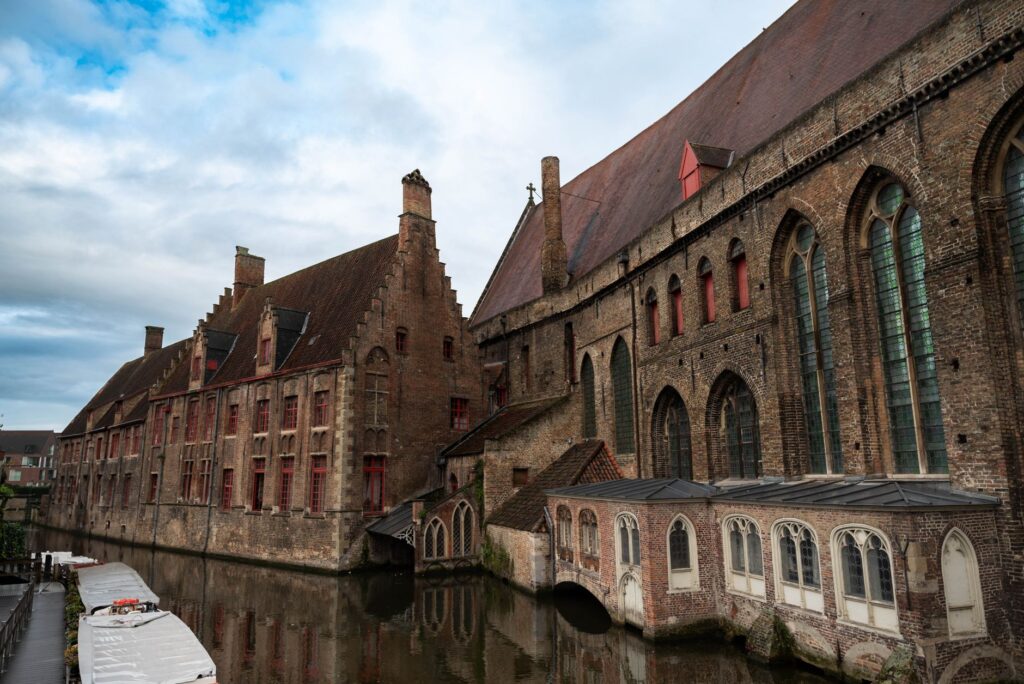
Today, the surface of the canals functions as a dynamic mirror reflecting the stepped gables of guild houses and the white stone buttresses of grand Gothic cathedrals. The survival of these architectural elements relies on rigorous urban conservation plans that limit aesthetic interventions and prioritize traditional materials, such as local clay bricks fired in artisan kilns. When navigating alongside these centuries-old walls, the observer perceives a visual and material continuity that time, far from eroding, has endowed with an unmistakable patina.
Hidden Engineering: Locks, Gates, and the Meticulous Control of Tides
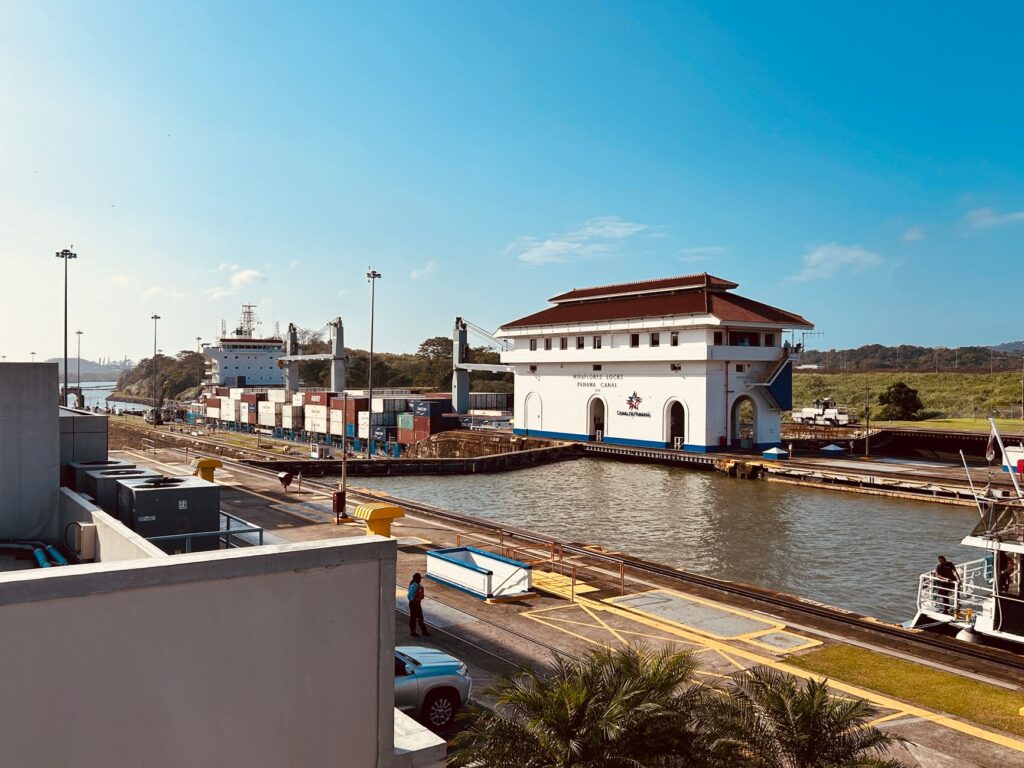
The daily operation of the Flemish river network rests upon a subtle yet relentless machinery of water management. North Sea tides, combined with the flat flow of the Lys and Reie rivers, demand constant monitoring of water levels to prevent flooding in historic basements and ensure the minimum draft for authorized vessels. Modern locks, discreetly integrated into heritage environments, operate via automated systems that regulate pressure without disturbing the acoustic tranquility of the urban surroundings.
Local maintenance crews in charge of these structures inherit technical knowledge passed down through generations. Their work ranges from inspecting submerged gears to periodically cleaning sediment collectors—tasks indispensable for preserving the health and relative transparency of urban waters. This technical balance demonstrates that sustainable fluvial tourism is not the result of improvisation, but the outcome of consistent public investment and strict environmental regulations.
The true measure of a historic city is not found in the number of visitors it welcomes to its squares, but in the capacity of its invisible infrastructure to preserve the silence of its waters.
Low-Draft Navigation: The Secret Rhythm of Electric Boats
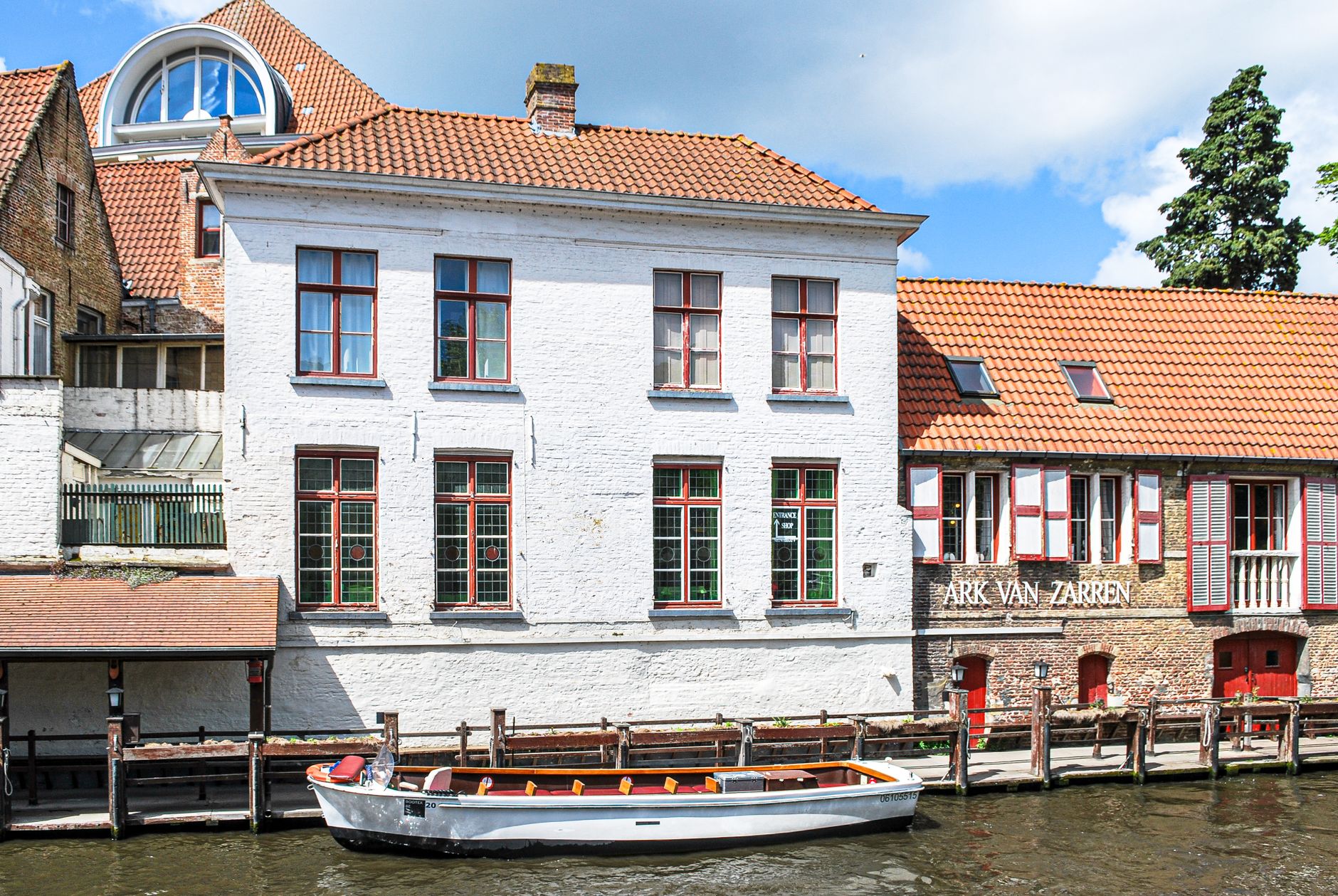
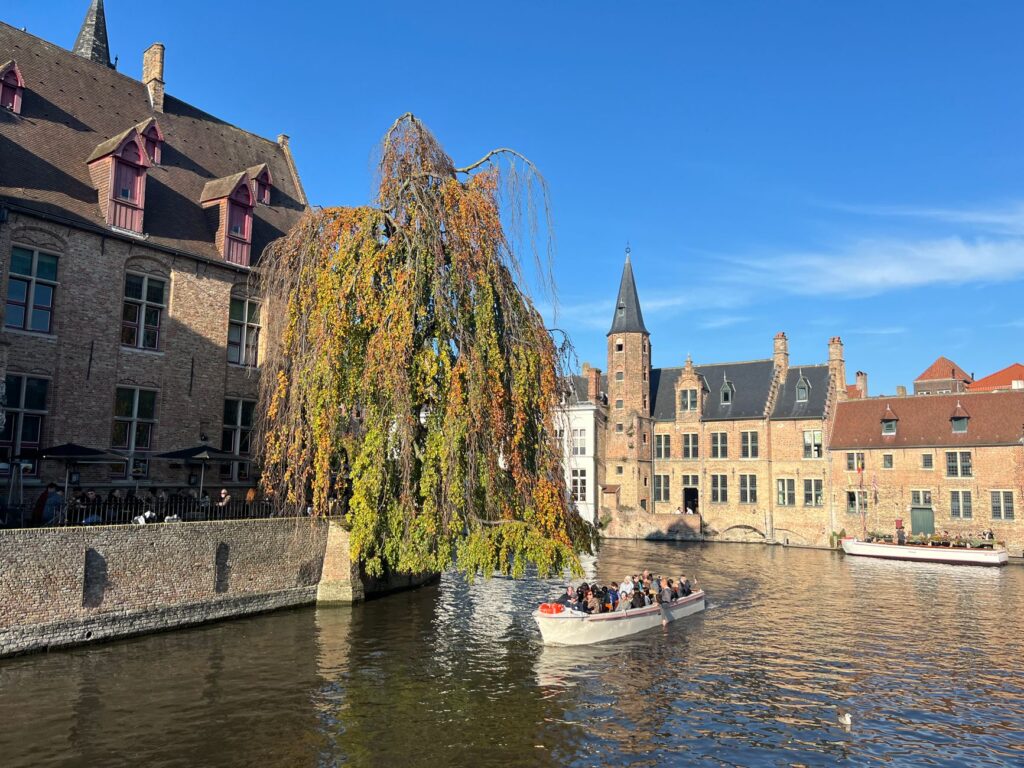
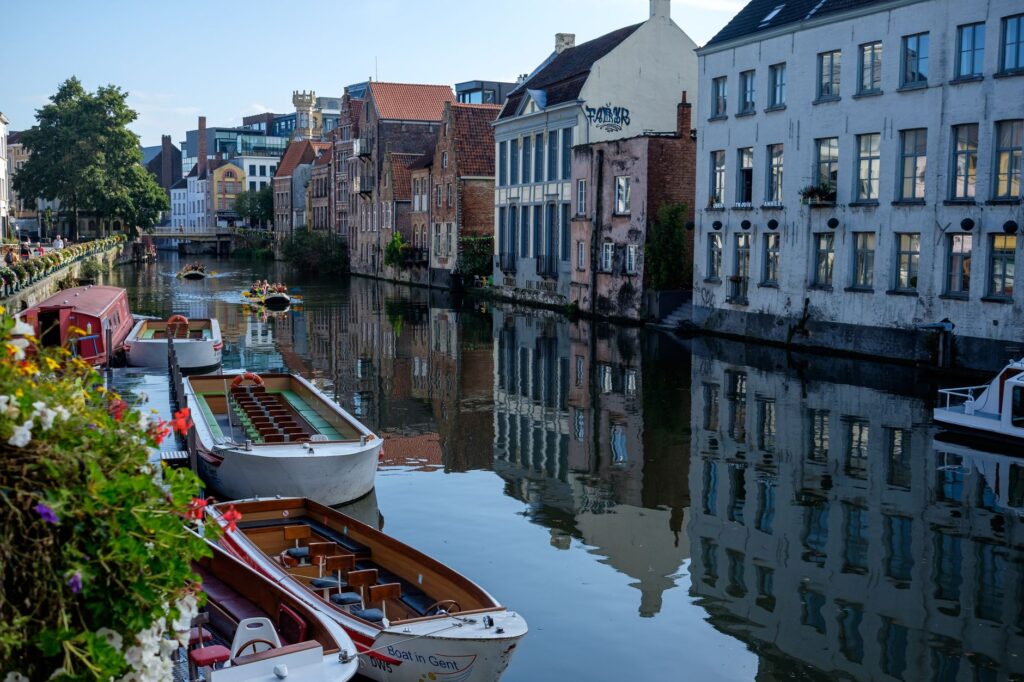
In recent decades, the gradual ban on internal combustion engines in interior canals has radically transformed the soundscape of Flemish navigation. Current boats, propelled by silent lithium battery motors, glide across the surface without generating waves that could damage the foundations of historic buildings along the water’s edge. This technical limitation, far from being a drawback, enriches the journey by allowing passengers to hear the whisper of the wind through weeping willows and the distant echo of urban carillons.
The captains of these vessels act as discreet guides, offering sober and contextualized explanations that avoid the shrill tone of mass-market routes. Journeying through less accessible corners, such as the Rosary Quay or the small private docks of ancient medieval hospitals, reveals an unprecedented perspective of the city where human scale prevails over stony monumentality. It is in this slow transit that the traveler grasps the true dimension of the Flemish territory: a space where nature and human craftsmanship collaborate in perfect harmony.
The Botanical and Faunal Pulse of Urban Margins
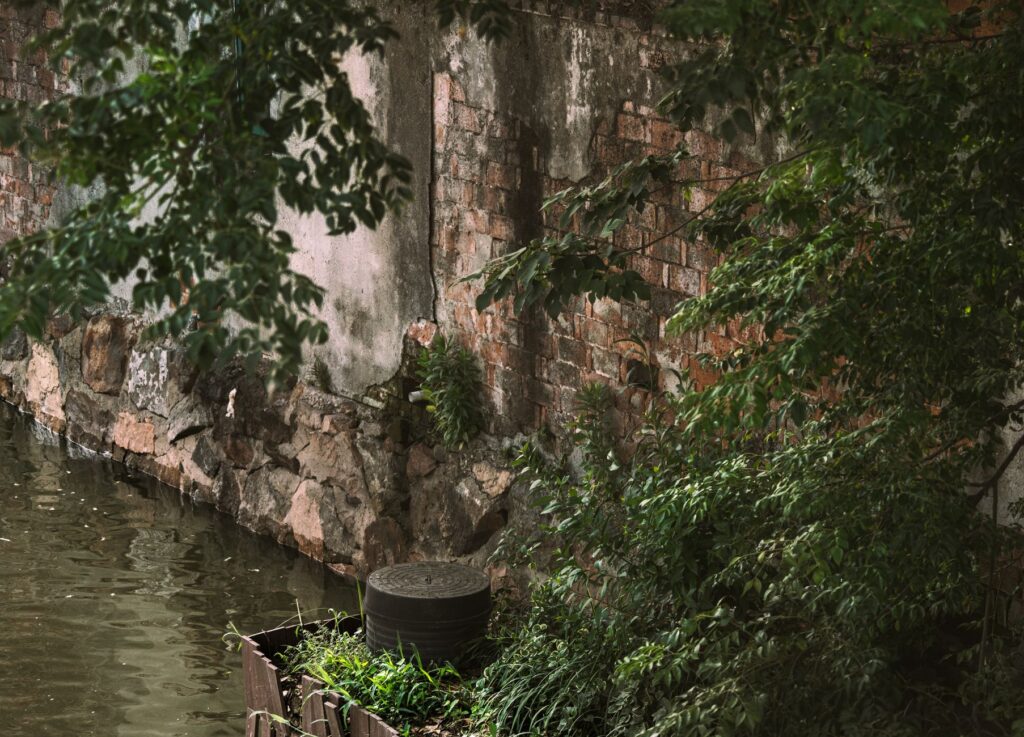
Contrary to the image of a purely artificial environment, the canals of Bruges and Ghent harbor rich biodiversity adapted to the urban aquatic medium. In the cracks of retaining walls, wall ferns and wild bellflowers grow, taking advantage of constant humidity, while submerged tree roots provide shelter for stable populations of native fish such as tench and pike. Waterfowl, with the mute swan serving as the city’s historical emblem, use protected banks for nesting, requiring navigators to maintain safe distances during spring.
This coexistence between high heritage density and natural life is the result of municipal riverbank renaturalization policies, which have replaced old concrete parapets with plant riprap and natural stone slopes in several sections. These interventions not only improve water quality through biological filtration but also soften the visual impact of urban infrastructure, offering visitors a green, living counterpoint amid the architectural rigor of Gothic stone.
Fluvial Economy and Craftsmanship: The Trades That Sustain the Canal
Keeping a medieval-origin canal network operational requires a specialized economic fabric surviving in workshops and shipyards on the urban periphery. Ship carpenters specializing in moisture-resistant wood treatments, blacksmiths capable of replicating original floodgate hardware, and hydraulic masonry restoration specialists form an indispensable value chain for heritage survival. These trades, threatened in other contexts by mass industrialization, find institutional backing here through subsidies and continuous training programs.
The economic impact of this craftsmanship extends to the local tourism sector, which values authenticity over standardization. Visitors who book navigation services or purchase goods crafted in local workshops directly contribute to funding this labor ecosystem. Thus, the canal ceases to be a mere photographic backdrop and becomes the economic and cultural engine of a community that understands its past not as a burden, but as an active responsibility.
Sustainability and Governance: The Challenge of Mass Tourism in Fragile Environments
The massive influx of visitors to Flanders during summer months poses a major challenge for the conservation of its historic centers and river channels. The congestion of vessels at critical points along the main canal has forced local authorities to implement daily quota systems and strict time slots for tourism transport companies. These measures, supported by carrying capacity studies prepared by regional universities, aim to deter overcrowding and promote alternative routes toward peripheral canals and surrounding agricultural polders.
Current tourism governance also encourages overnight stays through differentiated pricing policies and the promotion of longer visits, moving away from the short express-excursion phenomenon. The objective is to attract a more respectful visitor profile, interested in local history and conscious of the structural fragility of a city built upon water. The success of these policies is measured not only by reduced waste in waterways but by the tangible improvement in coexistence between residents and outsiders.
Rigorous territorial governance does not seek to freeze time in an unchanging postcard, but to equip present communities with the tools to inhabit their history without compromising tomorrow.
Practical guide
Planning a trip focused on the fluvial and heritage exploration of Flanders requires attending to specific logistical guidelines to ensure a respectful and rigorous experience.
- Best time to visit: The spring months (April to May) and early autumn (September to October) offer stable weather conditions, lower canal congestion, and optimal lighting for morning photography.
- Access and transportation: Brussels Airport (BRU) has direct and frequent rail connections to Bruges and Ghent (journeys lasting 30 to 60 minutes). Once at urban destinations, walking or cycling is the most efficient option.
- Navigation regulations: Private internal combustion engine boats are prohibited in the historic canals of Bruges. Licenses for private electric boats require prior reservation and municipal authorization.
- Recommended accommodations: Prioritize historic hotels located in listed buildings featuring environmental sustainability certifications and efficient water resource management.
- Recommended schedules: Early morning hours (between 08:00 and 10:00) and dusk are optimal times to travel the canals with lower fluvial traffic density and a quieter atmosphere.
- Local gastronomy: Support zero-kilometer product markets and restaurants adhering to responsible consumption networks respecting the seasonality of North Sea seafood and Flemish agriculture.
- Heritage respect etiquette: Maintain a moderate tone of voice during boat journeys, avoid throwing any waste into the water, and respect private properties adjoining the wharves.
Visual Epilogue: Twilight Light over the Rosary Quay
When the sun begins to descend over the Flemish horizon, the golden stone of historic buildings acquires a warm hue contrasting with the deep darkness of the water. In that moment of luminous transition, known to photographers as the blue hour, the Rosary Quay recovers an almost religious quietness. The last electric boats moor at the docks, leaving behind a faint trail of concentric waves slowly dissolving against retaining walls. It is the moment when the medieval city folds inward upon itself, reminding the attentive traveler that the true beauty of canals lies not in monumental splendor, but in the fragile, silent harmony with which water sustains the weight of centuries.