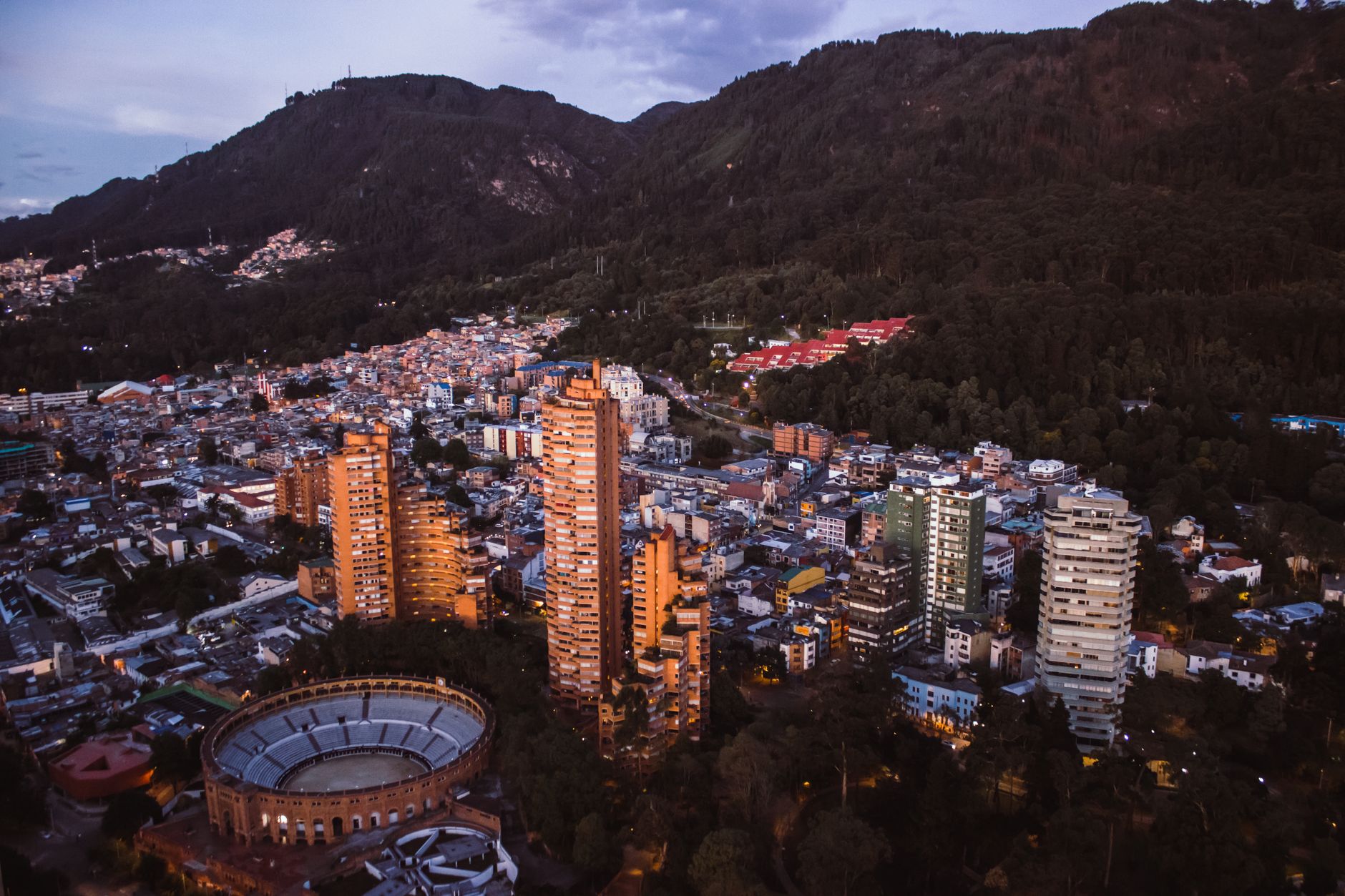

At 2,600 meters above sea level, the Colombian capital has always been a city of dramatic contrasts. The mist descending from the Eastern Hills often blends with the aroma of freshly brewed coffee on the corners of La Candelaria, while the roar of traffic coexists with the songs of over a hundred bird species inhabiting its wetlands. However, for decades, the visitor experience was limited to a predictable circuit: ascending Monserrate hill, contemplating pre-Columbian gold, and wandering the colonial streets of the historic center. Today, that linear narrative is crumbling to make way for a much more complex, living, and, above all, human tapestry.
The District Institute of Tourism (IDT) of Bogotá has taken a definitive step toward transforming the city’s travel identity by promoting 30 new signature tourism experiences. This initiative does not merely seek to add attractions to a brochure, but rather to reconfigure the relationship between the visitor, the territory, and local communities. Through a rigorous process of curation, training, and co-design, the city opens its doors to previously unexplored corners, inviting travelers to immerse themselves in rural Bogotá, neighborhood craft workshops, community kitchens, and artistic collectives that have transformed public spaces into canvases of resilience.
The metamorphosis of urban tourism
The IDT’s strategy responds to an irreversible global trend: the desire for more ethical, slow tourism that is deeply connected to the social reality of the destination. Instead of concentrating the flow of visitors in the usual spots, the program distributes the economic and cultural impact across various localities of the capital, from the self-managed south to the peasant farmlands bordering the savanna. The 30 selected experiences represent a collective effort to narrate Bogotá not as a cold business hub, but as a hotbed of micro-stories that deserve to be heard.

Each of these routes has been designed under strict sustainability criteria, ensuring that the economic benefits directly reach local creators. These are not spectacles staged for foreigners, but rather the daily lives of Bogotanos opened to respectful dialogue. The traveler is no longer a passive observer, but an active participant who learns to knead a corn colación, decipher the symbolism of a graffiti mural, or understand the fragility of the paramo ecosystem that provides water to the metropolis.
«Tourism in Bogotá has ceased to be a purely contemplative activity, becoming instead a bridge for social understanding and environmental conservation.»
Market plazas and culinary resistance
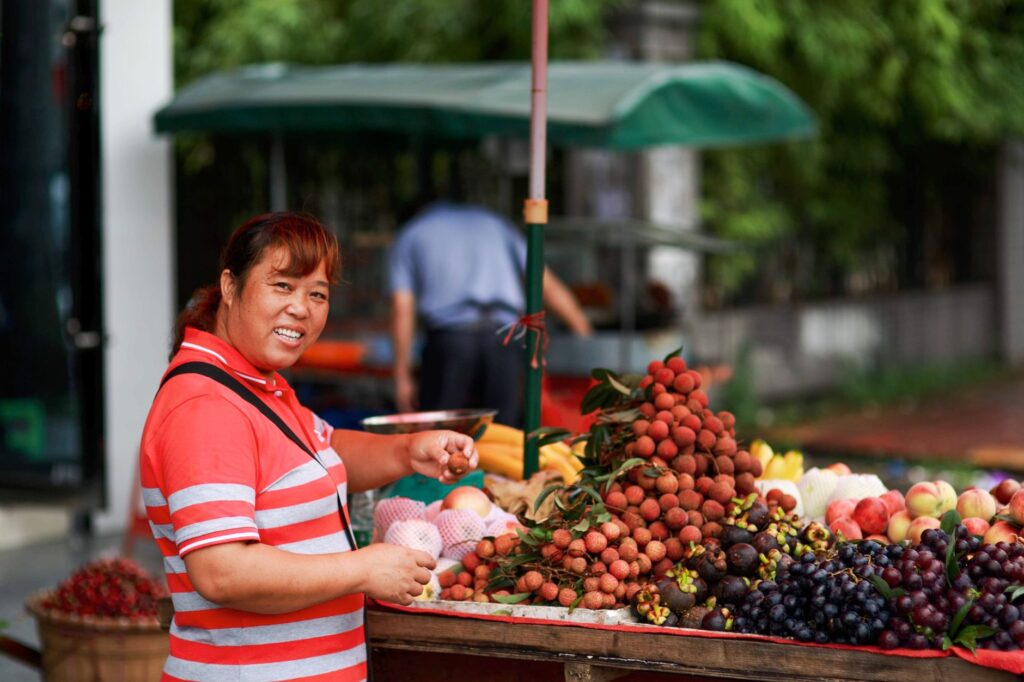
Gastronomy is undoubtedly one of the most powerful pillars of this renewal. Bogotá’s market plazas, traditionally seen as supply centers, are now consolidating as epicenters of the tourist experience. Plazas like La Concordia or Paloquemao not only offer a visual feast of exotic fruits like lulo, curuba, or guanábana, but also house kitchens that preserve century-old recipes from various regions of Colombia, brought by families who found a new home in the capital.
- The ajiaco santafereño route: A journey that goes from selecting three varieties of native potatoes in the market plaza to slow cooking in a clay pot, guided by traditional cooks.
- Cacao and memory: Workshops where cocoa beans from post-conflict zones are processed, transforming the country’s agricultural history into steaming cups of hot chocolate with cheese, in true Bogotá style.
- Specialty coffees in emerging neighborhoods: Guided tastings in urban laboratories that directly connect Cundinamarca coffee growers with the city’s most avant-garde baristas.
These culinary experiences allow visitors to understand that the Bogotá table is a reflection of the diversity of an entire country. By sitting down to eat at one of these communal tables, visitors directly support food sovereignty and the preservation of culinary techniques that risk disappearing in the face of the homogenization of international fast food.
The heartbeat of the neighborhoods: from graffiti to community weaving
Street art has long been the voice of Bogotá’s streets. La Candelaria and Calle 26 are famous for their monumental murals, but the true artistic revolution is occurring on the peripheries. Localities like Ciudad Bolívar, accessible via the TransMiCable aerial cable car system, have become stages for profound social transformation. What was once a territory marked by exclusion is today a vibrant open-air museum where young people guide visitors through community galleries, urban gardens, and viewpoints offering unprecedented panoramic views of the savanna.
On these tours, graffiti is not just decoration; it is a historical document that narrates the struggles, griefs, and hopes of the community. Visitors walk alongside community leaders, rappers, and visual artists who explain how art managed to reclaim youth from violence. The experience is complemented by screen-printing workshops or urban dance sessions, where the cultural exchange is genuine, horizontal, and deeply moving.
Trails of mist and water: the ecological heritage
Bogotá is one of the greenest capitals on the continent, though its asphalt physiognomy often eclipses this reality. The IDT has sought to highlight the ecosystems surrounding the city, promoting responsible nature tourism that protects the delicate water balances of the high plateau. The Eastern Hills, guarding the city from north to south, host trails where it is possible to hike through cloud forests and native vegetation just minutes from the financial center.
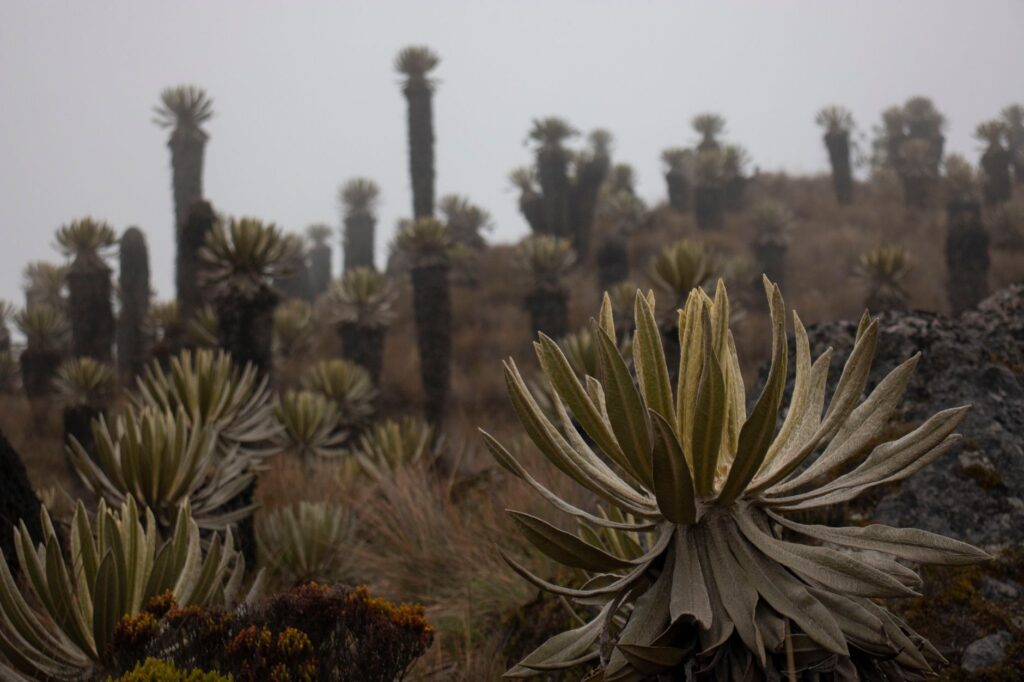
Beyond the hills, the new experiences invite exploration of the Sumapaz Paramo, the largest in the world, a sacred territory for the indigenous Muisca communities that is today guarded by peasant families. These communities guide travelers with an almost mystical respect for water, teaching them to recognize the frailejones—ancient plants that filter mist to create rivers—and raising awareness about the importance of conserving these reservoirs of life in the face of climate change.
«Walking through the paramo is understanding that the survival of the great city depends on the silence and slowness of an ecosystem that grows just one centimeter a year.»
Ancestral crafts and living heritage
Bogotá’s contemporary design and craftsmanship are experiencing a golden age thanks to the fusion of ancestral techniques with modern aesthetics. The experiences promoted by the IDT open the workshops of traditional artisans in localities like Usaquén, Suba, and Engativá. Here, visitors can observe the patience of silver chasing, the manual spinning of virgin wool to create contemporary ruanas, or the wood carving that has decorated Bogotá homes for generations.
These encounters allow travelers to appreciate the time behind each object. By participating in a pottery or artisanal bookbinding workshop, a space for conversation is generated where the artisan shares their life story, their struggles to keep the craft alive, and how the arrival of travelers interested in their expertise has dignified their work, allowing younger generations to choose to continue the family legacy instead of migrating to informal jobs.
Bogotá by night: rhythms, diversity, and vanguard
When the sun sets behind the hills, Bogotá does not go to sleep; it transforms. The city’s nightlife has matured significantly, moving away from the clichés of wild partying to offer sophisticated and diverse cultural experiences. The IDT has included in its portfolio routes that explore the capital’s vibrant live music scene, recognized by UNESCO as a Creative City of Music.
From alternative jazz clubs in Chapinero to salsa temples in the city center, to experimental theater performances, the Bogotá night is a reflection of its diverse population. The new nocturnal experiences propose tours accompanied by music lovers and urban chronicress who reveal the history of Colombian music, allowing visitors not only to dance, but to understand the African, Indigenous, and European roots that converge in the city’s contemporary rhythms.

Practical guide
To fully enjoy these 30 experiences and understand the complexity of Bogotá, it is essential to plan the trip with sensitivity and adequate preparation.
- Getting around: The best way to access the community experiences of the south is by using the TransMilenio system and connecting with the TransMiCable at the Portal Tunal station. For rural and paramo routes, it is recommended to hire authorized transport provided by the community agencies allied with the IDT.
- Weather and clothing: Bogotá’s weather is highly variable, known locally as «four seasons in one day.» It is essential to dress in layers, always keep a waterproof jacket handy, and wear comfortable shoes with good grip for ecological trails.
- Reservations and safety: These signature experiences are not designed for mass tourism and require prior booking. It is recommended to coordinate directly through local operators certified by the IDT to ensure that the economic benefits directly reach the communities and that territorial safety protocols are followed.
- Altitude: Being at 2,600 meters of altitude, some travelers may experience mild fatigue during the first few days. It is advised to stay well-hydrated, avoid heavy meals in the first hours, and moderate alcohol consumption.
The echo of the Andes
At the end of the journey, what remains in the visitor’s memory is not the stone monuments or the statistics of the great metropolis, but the warmth of conversations held under the Bogotá drizzle. The true value of the IDT’s strategy lies in having humanized the city map, allowing tourism to be a tool for reconciliation and local pride. Bogotá is no longer just a layover or a flight hub; it is a destination with a soul that demands to be listened to with respect, walked with calm, and felt with an open heart.