The Invisible Geography of Sleep in the Air
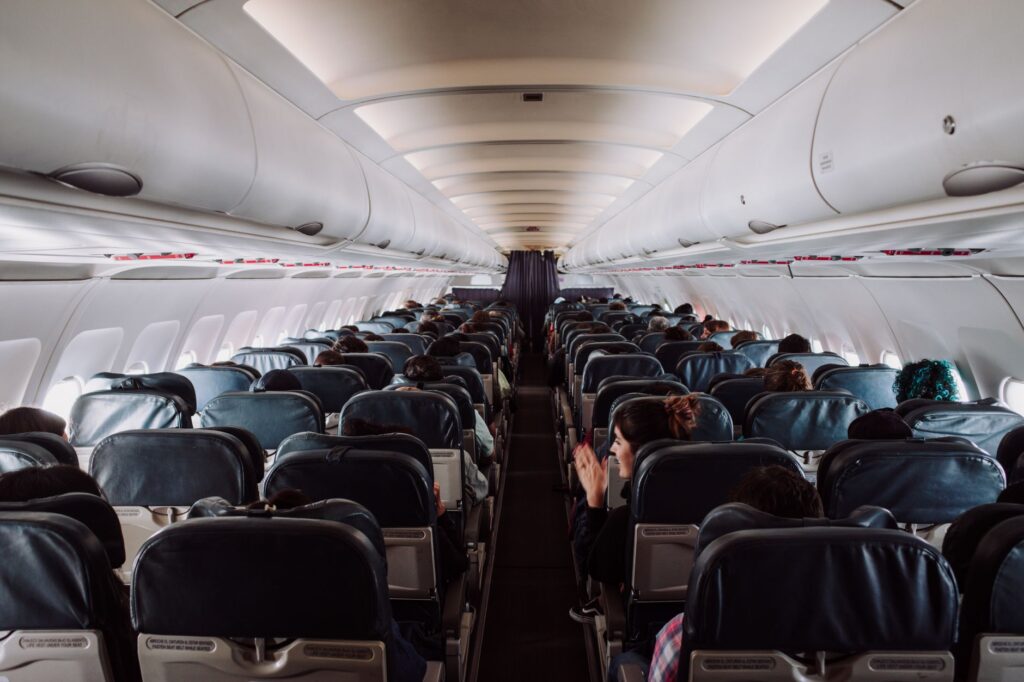
The fuselage of a commercial aircraft on a transatlantic route is a hostile ecosystem for human rest. At a cruising altitude of thirty-five thousand feet, the constant hum of the engines combines with environmental dryness, the flickering glow of screens, and the incessant flow of passengers and crew. In this environment, sleep ceases to be an automatic biological function and becomes an exercise in endurance. For decades, the aviation industry has delegated passenger well-being to single-use accessories: foam earplugs that end up in landfills and rigid eye masks that generate more pressure than relief. However, the growing demand from a more conscious traveler has driven a paradigm shift toward portable ergonomics and waste reduction.
Faced with this scenario, multifunctional travel accessories emerge as a tangible response to the need to reconcile personal comfort with material responsibility. The simple yet transformative premise is to reduce carry-on luggage volume and environmental impact by integrating three essential functions into a single object. This is not merely a tech gadget, but a reinterpretation of travel gear through the lens of circular economy and durability. Condé Nast Traveler has analyzed how these innovations alter our relationship with the journey, turning hours of forced lethargy into a space of genuine pause.
The Ergonomics of Silence: Textile Engineering for Isolation
Designing a device intended to remain in contact with the head and face for hours requires millimeter precision in material selection. Traditional headphones, with their rigid headbands and bulky earcups, are incompatible with resting postures in economy-class seats where the backrest limits cervical movement. The solution adopted by 3-in-1 models lies in high-breathability technical textiles, similar to those used in high-performance athletic wear. These elastic headbands distribute pressure evenly around the cranium, preventing the friction points that typically cause headaches after long flights.
Beyond their fastening function, the fabric acts as a first barrier against light and ambient noise. Integrating ultra-flat speakers inside the headband allows users to play binaural sounds, white noise, or ambient music without the pain caused by conventional in-ear headphones when pressing the head against the window or headrest. Comfort is no longer an accessory luxury, but the core of the flight experience. This ergonomic approach reduces the anxiety associated with cabin insomnia, a phenomenon documented by sleep medicine specialists that directly affects well-being during the first days at the destination.
Onboard Sustainability: The End of Single-Use Plastics
The global tourism sector faces unprecedented pressure to decarbonize operations and minimize waste generated on every route. While media attention concentrates on aircraft fuel consumption, small details of the passenger experience generate tons of annual waste. Traditional comfort kits handed out by airlines—composed of virgin polyester eye masks, plastic-wrapped disposable headphones, and wax earplugs—represent an unsustainable linear consumption model. The proliferation of reusable personal accessories, such as these multifunction headphones, responds to a growing awareness among contemporary travelers.

By acquiring a product designed to last for years and fulfill multiple functions (an eye mask to block light, a headband for workouts at the destination, and an audio system for acoustic isolation), passengers drastically reduce their waste footprint. True travel sustainability begins in the suitcase before leaving home. Various responsible tourism associations note that replacing disposable items with durable personal gear is one of the habits with the most direct impact on reducing trash in airports and hotels worldwide.
Sustainable travel is not just about choosing efficient airlines, but about transforming the small daily habits that define our relationship with the environment while we move.
Acoustics as Sanctuary: The Psychology of Personal Space
Inside an aircraft, the loss of control over the immediate environment is a primary source of psychological fatigue. The white noise of engines, ranging between 75 and 85 decibels, subjects the brain to unconscious processing effort throughout the flight, preventing deep sleep phases. Active noise-canceling systems have advanced remarkably, but continuous use during sleep still presents limitations in volume and weight. The integration of padded textile speakers offers a simultaneous passive and active alternative, dampening external high frequencies while introducing soothing frequencies into the ear canal.

This isolation is not an act of antisocial withdrawal, but a mechanism of sensory survival. By modulating the surrounding soundscape, travelers manage to recreate a bubble of intimacy in the midst of a crowded space. Environmental psychology shows that the ability to self-manage sensory stimuli lowers cortisol levels and diminishes the impact of jet lag. Sleeping well on board no longer depends on the luck of drawing a quiet seat or a turbulence-free flight, but on tools designed to shield the nervous system.
Luggage Versatility: From Cabin to Trail
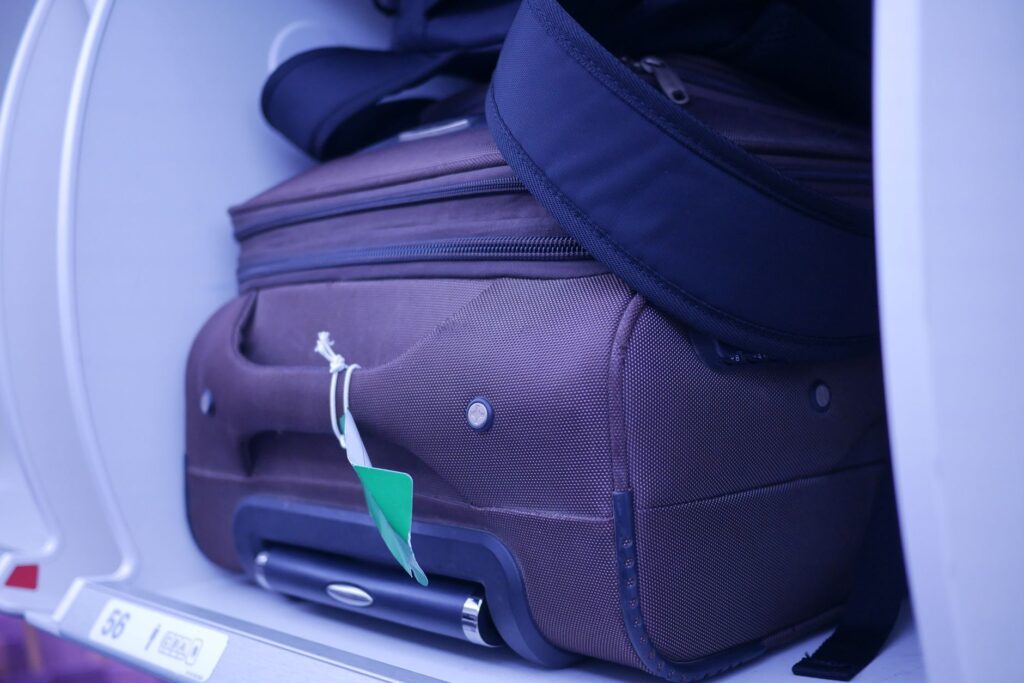
One of the greatest challenges for modern travelers is optimizing carry-on luggage space, especially given the restrictive weight policies of low-cost airlines. An accessory that fulfills three distinct functions mathematically reduces the number of items that must be packed. During the flight, it acts as an eye mask and audio system; upon arrival at a hotel or campsite, it transforms into an athletic headband for morning runs or yoga sessions; and during sleepless nights at the destination, it recovers its role as an acoustic support to induce sleep in unfamiliar rooms.
This versatility aligns with the philosophy of minimalist travel, which prioritizes quality and multifunctionality over accumulating specific items for every occasion. The materials used in these devices are generally washable, quick-drying, and sweat-resistant, guaranteeing durability even in warm climates or during intense outdoor activities. The seamless transition between the urban environment of transport and the nature of the destination underscores the coherence of a design conceived for life on the move.
Practical guide
- Device Selection: Prioritize models utilizing certified organic or recycled fabrics, backed by Oeko-Tex certifications guaranteeing the absence of harmful substances during prolonged skin contact.
- Maintenance and Hygiene: Always remove electronic modules and flat speakers before washing the textile headband by hand or on a delicate cycle to extend the electrical system’s lifespan.
- Battery Life and Charging: Verify that the battery offers at least 8 to 10 hours of continuous playback, sufficient to cover intercontinental routes without intermediate recharging.
- Volume Management: Set the volume below 60% to protect hearing health and maintain quick responsiveness to critical cabin crew announcements.
- Destination Use: Utilize the athletic headband feature during morning runs to reduce the total number of accessories carried in your backpack.
The Art of Arriving Rested: Toward a New Culture of Travel
The end of a long plane journey used to be measured by the intensity of accumulated exhaustion and the urgency of a full day of recovery at the hotel. Today, thanks to the convergence of textile design, acoustic technology, and a more resource-conscious mindset, the concept of arrival is shifting. Deep sleep at 35,000 feet is no longer a privilege reserved for first-class passengers, but the result of conscious preparation and the intelligent use of ergonomic tools.

Ultimately, sustainability and personal well-being converge at the same point: taking care of ourselves while traveling also means taking care of the planet, rejecting the disposable, and betting on durable, human solutions. The silence achieved through a textile headband is not merely the absence of noise, but the presence of recovered peace amidst global movement. It is, ultimately, proof that the most valuable innovation is not always adding more technology, but knowing how to integrate it to make life more human.
Source in EN: Condé Nast Traveler Spain